Last updated: April 2026
Colomba is Italy's iconic Easter cake - a dome of buttery, citrus-scented dough topped with pearl sugar and almonds. But here's what most people outside Italy don't know: colomba is even better the days after Easter. Its tender crumb soaks up custard, caramelizes in a hot pan, and layers beautifully with cream. Below are five Italian-inspired recipes that turn every last slice of colomba into something worth waking up for.
Why Colomba Deserves a Second Life
If you've celebrated Easter the Italian way, chances are there's still colomba on your counter. Good news: unlike a lot of holiday baked goods, colomba's butter-rich dough and candied orange peel inside the crumb actually improve with a day or two of rest. The texture firms up just enough to hold its shape in a skillet or a trifle dish, and the citrus notes deepen as they settle.
Whether you're working with a Traditional Colomba Cake, a Chocolate Colomba, or a Colomba Pandorata (the candied-orange-peel-free version), these five recipes work beautifully with all three. Each one pairs colomba with pantry staples you may already have - plus a few Italian artisan ingredients that take the whole thing to another level.
1. Can You Make French Toast with Colomba?
Yes - and once you try it, regular French toast will never feel the same. Colomba's enriched dough absorbs custard without falling apart, and the pearl sugar topping caramelizes into a crisp, golden crust when it hits the pan.
Colomba French Toast with Hazelnut Chocolate Caramel Spread
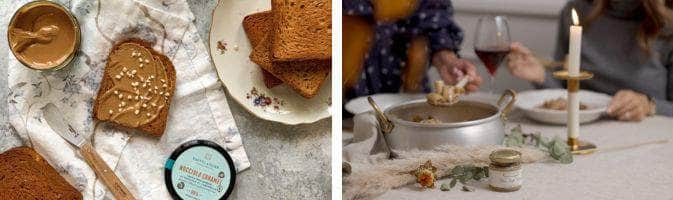
Thick slices of colomba, soaked in a quick vanilla-egg custard and pan-fried in butter until deeply golden. Finished with a generous spoonful of Hazelnut Chocolate Caramel Spread that melts right into the warm surface.
What you'll need: 3–4 thick slices of colomba (about 1 inch each), 2 large eggs, 1/3 cup whole milk, 1 teaspoon vanilla extract, a pinch of cinnamon, 2 tablespoons unsalted butter (for the pan), Tastelanghe Hazelnut Chocolate Caramel Spread for serving.
How to make it: Whisk the eggs, milk, vanilla, and cinnamon together in a shallow dish. Dip each colomba slice, letting it soak for about 15 seconds per side - the dough is already rich, so it doesn't need long. Melt the butter in a nonstick skillet over medium heat. Cook each slice for 2–3 minutes per side until golden and slightly crisp at the edges. Serve warm with a generous spoonful of Hazelnut Chocolate Caramel Spread and a dusting of powdered sugar.
Why it works: The candied orange peel inside the colomba adds a subtle citrus note that plays beautifully against the chocolate-hazelnut warmth of the spread. If you're using the Chocolate Colomba, skip the cinnamon - the chocolate in the cake does the work.
2. Colomba Bread Pudding with Acacia Honey
Bread pudding is where day-old colomba truly shines. The cake's buttery crumb melts into a rich custard base while the top bakes into a caramelized crust. A drizzle of Italian acacia honey at the table brings a floral sweetness that's far more interesting than maple syrup.
What you'll need: About half a colomba (roughly 350g), torn into 1-inch pieces; 3 large eggs; 1 cup whole milk; 1/2 cup heavy cream; 1/4 cup granulated sugar; 1 teaspoon vanilla extract; a pinch of salt; ADI Organic Acacia Honey for drizzling.
How to make it: Preheat your oven to 350°F (175°C). Butter a baking dish (about 8x8 inches). Spread the torn colomba pieces in the dish. Whisk together the eggs, milk, cream, sugar, vanilla, and salt. Pour the custard over the colomba, pressing gently so each piece absorbs the liquid. Let it sit for 15 minutes. Bake for 35–40 minutes until the top is golden and the custard is just set. Let it cool for 10 minutes, then drizzle generously with acacia honey before serving.
The Italian twist: Acacia honey is one of Italy's most prized varieties - pale, delicate, and floral, with a sweetness that doesn't overpower. It's the classic companion to Italian cheeses and baked goods, and it turns this bread pudding from comfort food into something genuinely elegant.
3. Colomba Trifle with Pistachio Spread and Fresh Berries
No baking required. This layered dessert comes together in 15 minutes and looks like you spent all afternoon on it. Cubes of colomba layered with whipped cream, pistachio spread, and fresh spring berries - served in a glass so you can see every gorgeous layer.
What you'll need: About 1/3 of a colomba, cut into 1-inch cubes; 1 cup heavy cream; 2 tablespoons powdered sugar; Venchi Pistachio Spread (about 3–4 tablespoons, softened); 1 cup fresh mixed berries (strawberries, raspberries, blueberries); a few crushed pistachios for garnish.
How to make it: Whip the cream with the powdered sugar until it holds soft peaks. In glasses or a trifle dish, start with a layer of colomba cubes, then add a few spoonfuls of whipped cream. Drop small dollops of pistachio spread into the cream layer - don't swirl it in completely, you want visible ribbons of green. Add a layer of fresh berries. Repeat. Finish with cream, a final drizzle of pistachio spread, and a scatter of crushed pistachios. Chill for at least 30 minutes before serving.
Why pistachio: Pistachio is one of Italy's most beloved flavors, especially in Sicily, where the pistachios of Bronte are considered among the finest in the world. The rich, nutty creaminess of the spread against the airy colomba and tart berries creates a combination that's indulgent without being heavy.
4. Toasted Colomba with Truffle Honey: Sweet Meets Savory
This is the simplest recipe on the list and possibly the most surprising. A thick slice of colomba, toasted until the edges crisp, drizzled with truffle honey. The earthy depth of the truffle against the sweet, citrus-scented cake is one of those combinations that sounds unlikely and tastes extraordinary.
What you'll need: 1–2 slices of colomba per person, truffle honey from the Truffle Collection.
How to make it: Toast the colomba slices in a hot oven (400°F / 200°C) for 5–7 minutes, or in a toaster oven until the edges turn golden and the sugar topping starts to caramelize. Drizzle with truffle honey while still warm. Serve alongside a wedge of aged Parmigiano Reggiano or a soft cheese like burrata for a truly Italian aperitivo moment.
The pairing: In Italy, truffle honey is traditionally served with aged cheeses. The idea of pairing it with colomba borrows from that same principle - the honey bridges sweet and savory, making it work equally well as a dessert, a snack, or the unexpected star of your next aperitivo spread.
5. Colomba Tiramisu (No Ladyfingers Needed)
Swap the ladyfingers for colomba and you've got the most luxurious tiramisu of your life. The cake's richer crumb holds up to the espresso soak without disintegrating, and its subtle sweetness means you can reduce the sugar in the mascarpone layer.
What you'll need: About half a colomba, sliced into 1/2-inch-thick pieces; 1 cup strong espresso or brewed Italian coffee (cooled); 8 oz mascarpone cheese; 2 large eggs, separated; 1/4 cup sugar; unsweetened cocoa powder for dusting; dark chocolate shavings (optional).
How to make it: Beat the egg yolks with the sugar until pale and thick. Fold in the mascarpone until smooth. In a separate bowl, whip the egg whites to stiff peaks, then gently fold them into the mascarpone mixture. Quickly dip each colomba slice into the cooled espresso - just a brief dip, not a soak, since the cake is already moist. Layer the espresso-kissed colomba in a dish, spread the mascarpone cream over it, and repeat. Finish with a generous dusting of cocoa powder. Refrigerate for at least 4 hours (overnight is even better). Garnish with chocolate shavings before serving.
The coffee note: For the espresso, an Italian stovetop moka pot gives you the most authentic flavor. If you're using the Caffè Trucillo Costa d'Amalfi 100% Arabica, brew it strong - its smooth, aromatic profile is ideal for tiramisu, adding depth without bitterness.
Which Colomba Should You Use?
All three varieties work across every recipe, but each brings something a little different to the table:
Traditional Colomba Cake from Pasticceria Cova - The classic. Buttery dough with candied orange peel inside and an almond glaze on top. This is your best all-rounder: it caramelizes beautifully for French toast, soaks up custard without losing structure in bread pudding, and adds that signature citrus depth to every recipe.
Chocolate Colomba from Pasticceria Cova - Rich chocolate dough and chocolate chips replace the traditional candied fruit. Ideal for the French toast (skip the cinnamon, the chocolate does the work), the trifle (pair it with pistachio spread for a Sicilian-inspired combination), and the tiramisu (chocolate and espresso are an obvious match). Less ideal for the truffle honey pairing, where the chocolate competes with the truffle's earthiness.
Colomba Pandorata - The candied-orange-peel-free twist on the classic cake. If you or your giftee prefers a cleaner, more buttery flavor without the candied fruit, this is the one. It's the most neutral canvas of the three, which makes it particularly good for the bread pudding and the trifle, where you want the accompaniments (honey, pistachio, berries) to be the stars.
Looking for the Perfect Excuse to Buy More Colomba?
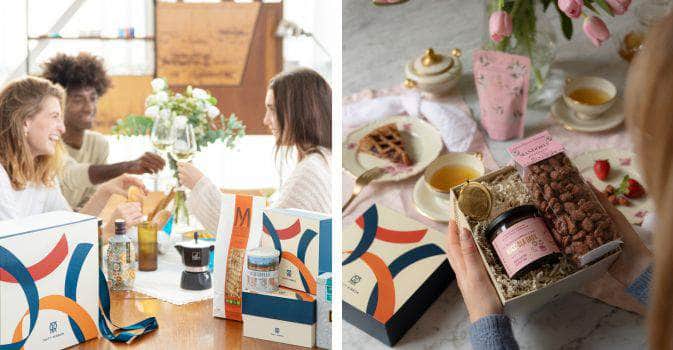
Our Easter collection features three gift boxes that pair colomba with other Italian artisan ingredients - many of which appear in the recipes above:
The Breakfast Table ($127) - Traditional Colomba, Crunchy Hazelnut Granola, vibrant Strawberry Jam, fragrant Orange Honey with its charming dipper, and 100% Arabica Ground Coffee in a stunning Amalfi Coast tin. From the first sip to the last crumb of Colomba, this box makes Easter morning effortlessly elegant.
Sweet Easter ($99) - Traditional Colomba Cake, Venchi pistachio candied mini eggs, and Hazelnut Chocolate Caramel Spread. Celebrate Easter with a trio of Italian indulgences.
The Easter Feast ($165) - Chocolate Colomba, Felicetti Spaghettoni, Carbonara sauce, Assorted Chocolate Eggs, and Hazelnut Chocolate Caramel Spread. A complete Easter table, from savory to sweet.
The Pistachio Nest ($53) - Pistachio Spread, Venchi's Candied Pistachio Mini Eggs, Sicilian Pistachio Almond Paste Cookies. Small but mighty, this gift box proves the best Easter gift comes in green.
Frequently Asked Questions About Colomba
What is colomba cake?
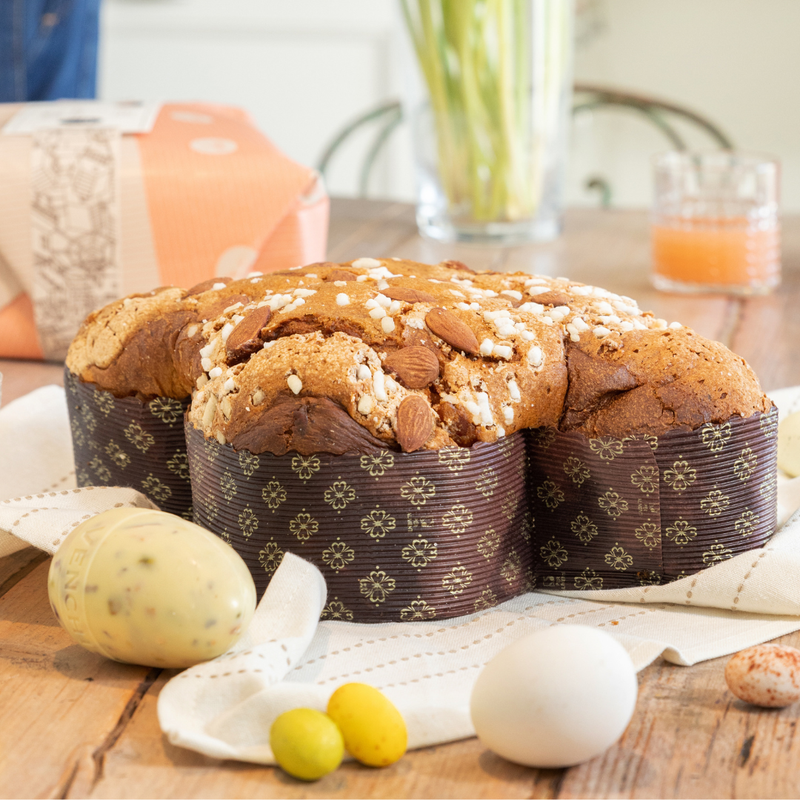
Colomba is a traditional Italian Easter cake shaped like a dove (colomba means "dove" in Italian). It's made from a rich, butter-and-egg dough with candied orange peel baked inside and an almond glaze on top. Colomba is to Easter what panettone is to Christmas - a seasonal celebration cake with deep cultural roots.
How long does Colomba stay fresh?
An unopened colomba keeps well for several weeks thanks to its rich butter content. Once opened, wrap the colomba tightly in its plastic bag to maintain its freshness and prevent it from drying out. Store at room temperature and consume within 5–7 days for the best flavor and texture. After that, the crumb starts to firm up - which is exactly when it's perfect for the recipes above.
Can you freeze colomba?
We recommend enjoying your colomba fresh at room temperature - this is truly the best way to experience its soft texture, delicate aroma, and all its wonderful qualities. If you do need to freeze it, slice it first and wrap each slice individually in plastic wrap or place them in an airtight freezer-safe container. When ready to enjoy, simply thaw each slice at room temperature - no need to use the microwave or oven. That said, frozen slices work beautifully for the French toast and bread pudding recipes above, where the slightly firmer texture is actually an advantage.
What's the difference between colomba and panettone?
Both are enriched Italian celebration cakes, but they differ in shape, season, and flavor. Panettone is tall and cylindrical, served at Christmas, and typically contains raisins and candied citrus throughout. Colomba is dome-shaped (representing a dove), served at Easter, features candied orange peel inside the dough, and is topped with an almond glaze with pearl sugar. The base dough is similar, but colomba tends to be slightly richer and more fragrant.
 Tasty Ribbon curates Italian artisan food gifts sourced directly from producers across Italy's regions. From gift boxes for every occasion to individual pantry staples, everything we offer is selected for authentic Italian flavor and beautiful presentation.