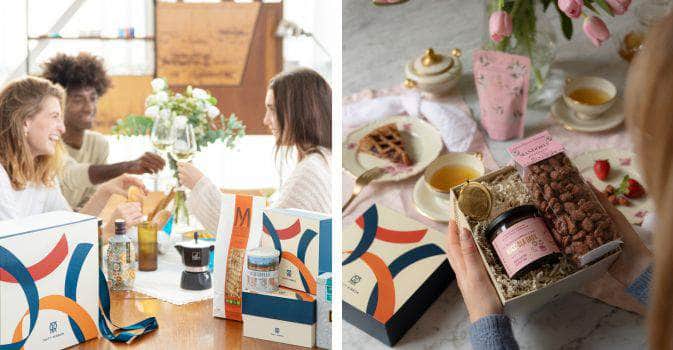
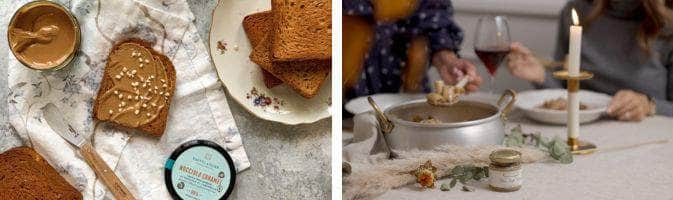
There's something magical about wrapping your hands around a warm cup of hot chocolate on a winter evening. The steam rises like a gentle invitation, carrying with it the promise of comfort and indulgence. But not all hot chocolate is created equal. The best hot chocolate transcends the ordinary powdered mix, becoming instead a celebration of quality ingredients, time-honored techniques, and cultural traditions that span centuries. From the thick, luxurious cioccolata calda served in Italian cafés to the spiced variations that warm homes across the globe, this beloved beverage deserves our full attention and appreciation.
The Rich History Behind Your Favorite Winter Beverage
The story of hot chocolate begins long before European cafés perfected their recipes. Ancient civilizations valued chocolate as a sacred drink, often reserved for royalty and special ceremonies. The Mayans and Aztecs consumed chocolate as a bitter, spiced beverage mixed with chili peppers and cornmeal, creating something entirely different from today's sweet interpretations.
When chocolate arrived in Europe during the 16th century, it underwent a transformation that would forever change how we experience this remarkable ingredient. The Monasterio de Piedra in Spain played a pivotal role in introducing chocolate to the continent, where it quickly captured the imagination of European nobility.
How Italians Transformed Hot Chocolate
Italy's contribution to the evolution of hot chocolate cannot be overstated. While other European countries sweetened and thinned their hot chocolate, Italian artisans pursued a different vision. They created cioccolata calda, a thick, pudding-like hot chocolate that coats your spoon and delivers an intense chocolate experience with every sip.
The Italian approach emphasizes:
- High-quality dark chocolate with at least 70% cocoa content
- Minimal added sugar to let the chocolate shine
- A thick, velvety texture achieved through careful heating and stirring
- Serving temperatures that are warm but not scalding
- Small portions that honor the intensity of flavor
This philosophy reflects the broader Italian approach to food: quality over quantity, authenticity over convenience, and respect for traditional methods that have proven their worth over generations.
Essential Ingredients for the Best Hot Chocolate
Creating the best hot chocolate begins with understanding your ingredients. The difference between mediocre and magnificent lies not in complex techniques but in the quality of what you pour into your pot.
Choosing Your Chocolate Foundation
Real chocolate makes all the difference. Skip the cocoa powder when you're seeking excellence, and reach instead for actual chocolate bars or disks designed specifically for hot beverages. Look for chocolate with a cocoa content between 60% and 75% for the perfect balance of bitterness and sweetness.
Italian chocolate makers have perfected this balance through generations of experience. Their products often feature single-origin cacao beans, carefully roasted and blended to create distinctive flavor profiles that range from fruity and bright to earthy and complex. When you're exploring Italian chocolate traditions, you'll discover how regional preferences shape chocolate production.
Premium chocolate characteristics include:
- A clean ingredient list with cocoa butter, not vegetable oils
- Visible cocoa content percentage on the packaging
- A smooth, glossy appearance without white bloom
- A sharp snap when you break it
- Complex aroma that develops as it melts
The Milk Question
While some purists insist on whole milk, the best hot chocolate recipe depends on your personal preference and dietary needs. Whole milk creates a rich, creamy base with natural sweetness. However, alternative milks can produce equally spectacular results when chosen wisely.
| Milk Type |
Fat Content |
Flavor Profile |
Best For |
| Whole Dairy |
3.5% |
Rich, slightly sweet |
Traditional recipes |
| Oat Milk |
2-3% |
Creamy, mild |
Vegan preparations |
| Almond Milk |
1-2% |
Nutty, light |
Lower calorie options |
| Coconut Milk |
5-7% |
Rich, tropical notes |
Dairy-free indulgence |
The key is choosing unsweetened varieties when possible, allowing you to control the sweetness level and let the chocolate's natural flavors shine through.
Regional Variations Worth Exploring
The best hot chocolate varies dramatically depending on where you are in the world. Each culture has added its own signature touches, creating a diverse landscape of chocolate experiences.
Italian Cioccolata Calda
In Turin, Rome, and Florence, you'll find cafés that have been perfecting their cioccolata calda for over a century. The preparation is almost ceremonial: chocolate is slowly melted with milk and cornstarch or eggs, stirred constantly until it reaches a consistency thick enough to support a spoon standing upright.
This isn't a beverage you gulp down while rushing to your next appointment. It's meant to be savored slowly, perhaps with a dollop of fresh whipped cream or accompanied by artisanal treats that complement the chocolate's intensity.
Spanish Chocolate a la Taza
Spain's version shares Italy's appreciation for thickness but often incorporates more spices and sometimes even a hint of chili pepper, echoing chocolate's ancient origins. Served with churros for dipping, Spanish hot chocolate becomes a complete sensory experience.
French Chocolat Chaud
The French take a lighter approach, creating a more drinkable consistency while maintaining high standards for chocolate quality. Their version often features dark chocolate combined with whole milk and finished with a touch of vanilla or orange zest.
American Interpretations
While traditional American hot chocolate recipes have historical significance, modern American hot chocolate has evolved to include everything from marshmallow-topped mugs to elaborate flavor combinations featuring salted caramel, peppermint, or pumpkin spice.
Mastering the Perfect Preparation Technique
Creating the best hot chocolate at home requires attention to detail and patience. The process itself becomes a meditative ritual, a few quiet minutes dedicated to creating something truly special.
The Traditional Stovetop Method
Step-by-step instructions:
-
Chop your chocolate finely to ensure even melting
-
Heat your milk gently in a heavy-bottomed saucepan over medium-low heat
-
Add the chocolate when the milk is warm but not boiling
-
Whisk constantly as the chocolate melts, incorporating air for a lighter texture
-
Remove from heat just before it reaches a full boil
-
Continue whisking for 30 seconds after removing from heat
-
Taste and adjust sweetness or thickness as desired
The whisking motion is crucial. It not only helps the chocolate melt evenly but also creates a silky texture and prevents a skin from forming on the surface. Your arm might get tired, but the result is worth the effort.
Modern Tools and Innovations
While traditional methods produce exceptional results, modern technology offers new possibilities. Specialized hot chocolate makers have revolutionized home preparation, creating barista-quality drinks with minimal effort.
These devices control temperature precisely and incorporate air through specialized whisking mechanisms, producing a velvety microfoam that rivals the best café creations. For those who appreciate both convenience and quality, they represent a worthwhile investment.
Elevating Your Hot Chocolate with Artisanal Additions
The best hot chocolate serves as a canvas for creativity and personal expression. While the chocolate itself should always be the star, thoughtful additions can enhance and complement its inherent qualities.
Classic Flavor Combinations
Some pairings have stood the test of time for good reason. A touch of high-quality vanilla extract deepens chocolate's complexity. A pinch of sea salt brightens the flavors and balances sweetness. Orange zest adds a sophisticated citrus note that cuts through richness.
Complementary additions include:
- Cinnamon stick stirrers for warmth and spice
- Fresh whipped cream made with vanilla
- Finely ground espresso for depth
- Cardamom pods for exotic complexity
- Star anise for a subtle licorice note
Italian-Inspired Enhancements
Italian pastry traditions offer endless inspiration for elevating hot chocolate. Consider the combination of rich hot chocolate paired with chocolate truffles made from Piedmont hazelnuts. These artisanal creations, crafted with Tonda Gentile Trilobata hazelnuts, create layers of chocolate intensity that transform a simple beverage into a complete tasting experience. The truffles' silky texture and the hot chocolate's warmth work together beautifully, each enhancing the other.
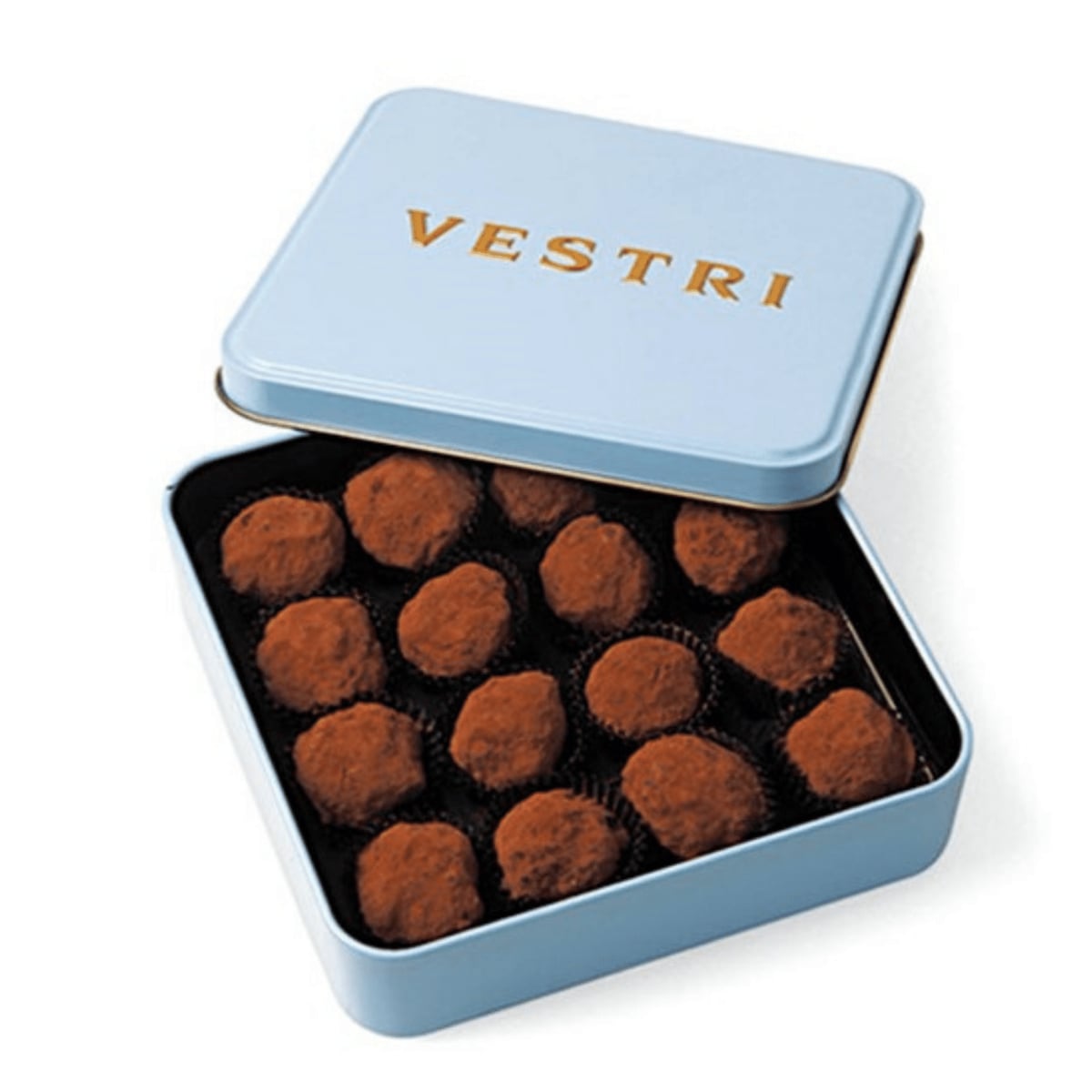
Another approach draws from the Italian tradition of aperitivo, where small bites accompany beverages. Amaretti cookies, biscotti, or thin slices of panettone make excellent companions to hot chocolate, their textures and flavors creating delightful contrasts.
The Art of Presentation and Serving
The best hot chocolate deserves thoughtful presentation. Italians understand that we eat with our eyes first, and the same principle applies to beverages.
Choosing the Right Vessel
The cup matters more than you might think. Traditional Italian servings arrive in small, thick-walled ceramic cups that retain heat while protecting your hands. The narrow opening helps concentrate aromas, directing them toward your nose with each sip.
For thinner American-style hot chocolate, larger mugs work well, providing space for generous toppings and allowing you to cradle the cup for warmth. Whatever you choose, ensure it's been warmed slightly before pouring in the hot chocolate. This prevents rapid cooling and maintains the ideal drinking temperature longer.
Temperature Considerations
Contrary to popular belief, the best hot chocolate should not be served at scalding temperatures. Extremely hot liquids burn your tongue and prevent you from tasting the chocolate's subtle flavor notes. Aim for a temperature between 140°F and 160°F, warm enough to be comforting but cool enough to actually taste and enjoy.
Historical hot chocolate facts reveal that early European preparations were often served at moderate temperatures, allowing drinkers to appreciate the complex flavors that high heat would destroy.
Seasonal Variations and Special Occasions
Hot chocolate adapts beautifully to seasonal celebrations and special moments throughout the year. Its versatility makes it appropriate for everything from casual weeknight treats to elegant festive gatherings.
Winter Holiday Traditions
During the winter months, hot chocolate becomes central to celebration and comfort. Add a splash of peppermint extract and top with crushed candy canes for a festive twist. Or embrace the Italian tradition of serving it alongside fresh biscotti on Christmas morning, creating a moment of warmth and connection with family.
Summer Adaptations
Yes, hot chocolate can be enjoyed year-round. Frozen hot chocolate offers a refreshing alternative during warmer months, blending ice with the same quality chocolate you'd use in winter preparations. The result is a thick, frosty treat that satisfies chocolate cravings without the heat.
Gift-Giving Opportunities
Hot chocolate ingredients and accessories make thoughtful gifts that show genuine care. When you're considering gourmet food gift options, a carefully curated selection of premium chocolate disks, artisanal marshmallows, and beautiful ceramic mugs creates a memorable gift that recipients will actually use and appreciate.
Understanding Quality Markers
Not all chocolate is created equal, and learning to identify quality helps you create consistently excellent hot chocolate. The best hot chocolate starts with the best ingredients, so developing your palate and understanding quality markers is essential.
Reading Chocolate Labels
Premium chocolate for hot beverages should list cocoa mass or cocoa liquor as the first ingredient, followed by sugar and cocoa butter. Avoid products containing palm oil, artificial flavors, or unnecessary additives. The ingredient list should be short and recognizable.
Quality indicators to look for:
- Specific origin information (single-origin or regional blend)
- Fair trade or direct trade certifications
- Minimal processing and traditional production methods
- Clear cocoa percentage labeling
- Artisanal maker information
Tasting and Evaluating
Developing your chocolate palate takes practice but pays dividends in your hot chocolate quality. Before melting chocolate, taste a small piece at room temperature. Notice the initial flavor, how it develops as it melts, and the finish it leaves. Premium chocolate should have complexity that unfolds gradually, not a one-note sweetness.
Pairing Hot Chocolate with Food
The best hot chocolate can stand alone as a complete indulgence, but thoughtful food pairings elevate the experience even further. Italian food traditions offer particularly inspiring combinations that balance richness with complementary textures and flavors.
Sweet Pairings
Classic Italian combinations include:
| Food Item |
Why It Works |
Serving Suggestion |
| Biscotti |
Crunchy texture contrasts with smooth chocolate |
Dip lightly, don't oversoak |
| Amaretti |
Almond flavor complements chocolate |
Serve two or three alongside |
| Panettone |
Light, airy texture balances richness |
Thin slices, lightly toasted |
| Torrone |
Nougat's sweetness and nuts add complexity |
Small pieces as accompaniment |
These pairings follow the Italian principle of balance. The hot chocolate provides richness and intensity, while the accompanying food offers textural contrast and complementary flavors without overwhelming the chocolate itself.
Savory Contrasts
For the adventurous, certain savory foods create unexpected but delightful contrasts with hot chocolate. Aged Parmigiano Reggiano, with its crystalline texture and umami depth, surprisingly complements dark chocolate's bitterness. A small piece of high-quality cheese alongside your hot chocolate creates a sophisticated tasting experience that challenges expectations.
Creating a Hot Chocolate Bar for Gatherings
When entertaining, a hot chocolate bar transforms a simple beverage into an interactive experience that guests remember long after the event ends. This approach works beautifully for everything from casual family gatherings to more formal corporate celebrations.
Essential Bar Components
Start with a base of exceptional hot chocolate kept warm in a slow cooker or thermal carafe. Provide multiple topping options arranged attractively on a dedicated table or cart. Include small cards describing each option, helping guests make informed choices.
Topping station suggestions:
- Whipped cream in both plain and flavored varieties
- Marshmallows in various sizes and flavors
- Chocolate shavings from different cocoa percentages
- Cinnamon sticks and vanilla beans for stirring
- Crushed peppermint or other candies
- Caramel or chocolate sauce drizzles
- Sea salt flakes and spice blends
This interactive approach turns beverage service into entertainment, encouraging guests to experiment and customize their drinks while sparking conversations about favorite combinations.
The Health Considerations
The best hot chocolate can be both indulgent and mindful. Understanding the nutritional aspects helps you make informed choices that align with your health goals without sacrificing enjoyment.
Nutritional Profile
Dark chocolate contains flavonoids, antioxidants that may support cardiovascular health. When prepared with quality ingredients and consumed in moderation, hot chocolate can be part of a balanced diet. The key is controlling portion sizes and being mindful of added sugars.
A typical serving of Italian-style cioccolata calda contains approximately 200-250 calories, with most coming from the chocolate and milk. By choosing higher cocoa percentages and reducing added sweeteners, you can create a more nutrient-dense version without compromising flavor.
Modifications for Dietary Needs
Modern dietary preferences and restrictions shouldn't prevent anyone from enjoying excellent hot chocolate. Dairy-free versions made with oat or almond milk can be equally delicious when prepared with care. Sugar-free options using natural sweeteners like stevia or monk fruit work well for those managing blood sugar levels.
Storing and Preserving Quality
Proper storage ensures your chocolate maintains its quality until you're ready to transform it into the best hot chocolate. Chocolate is surprisingly delicate, sensitive to temperature fluctuations, humidity, and strong odors.
Optimal Storage Conditions
Keep chocolate in a cool, dry place away from direct sunlight. The ideal temperature range is 65°F to 70°F. Avoid refrigerating chocolate unless you live in an extremely hot climate, as temperature changes can cause condensation that leads to sugar bloom, the white coating that sometimes appears on chocolate's surface.
Wrap chocolate tightly in aluminum foil or store it in an airtight container to protect it from absorbing nearby odors. Chocolate readily picks up scents from coffee, spices, and other strong-smelling foods, which can affect the flavor of your finished hot chocolate.
Shelf Life Considerations
Dark chocolate keeps well for up to two years when stored properly. Milk chocolate has a shorter shelf life of about one year due to its dairy content. While chocolate rarely spoils in a way that's harmful, its flavor and texture can deteriorate over time, so use older chocolate for baking rather than hot chocolate, where quality is paramount.
Building Your Hot Chocolate Ritual
The best hot chocolate experiences often become cherished rituals that mark special moments or provide daily comfort. Creating your own tradition around hot chocolate preparation and consumption adds depth and meaning to something that could otherwise be purely functional.
Mindful Preparation
Approach hot chocolate making as a form of meditation rather than a task to rush through. The act of chopping chocolate, warming milk, and whisking everything together creates a natural pause in your day. This intentional slowness enhances both the process and the final product.
Notice the chocolate's aroma as it melts. Feel the warmth of the pan handle. Listen to the gentle bubble of milk heating. These sensory details ground you in the present moment, transforming a simple beverage preparation into something more meaningful.
Sharing the Experience
Hot chocolate naturally brings people together. The act of making hot chocolate for someone else is an expression of care and hospitality. In Italian culture, offering food or drink to guests is a fundamental gesture of welcome and connection.
Consider establishing a regular hot chocolate tradition with family or friends. Perhaps Sunday evenings become hot chocolate time, a weekly ritual that provides consistency and something to look forward to during busy weeks.
The journey from basic cocoa powder to the best hot chocolate represents more than just improved technique or premium ingredients. It reflects a broader appreciation for quality, tradition, and the simple pleasures that make life richer. Whether you're embracing thick Italian cioccolata calda or developing your own signature recipe, the pursuit of excellent hot chocolate connects you to centuries of chocolate lovers who understood that some things are worth doing well. Tasty Ribbon brings this same philosophy to curating authentic Italian artisanal products, connecting you with the makers and traditions that transform everyday moments into celebrations of quality and craftsmanship. Explore their thoughtfully assembled collections to discover ingredients and gifts that honor the Italian dedication to excellence in every detail.