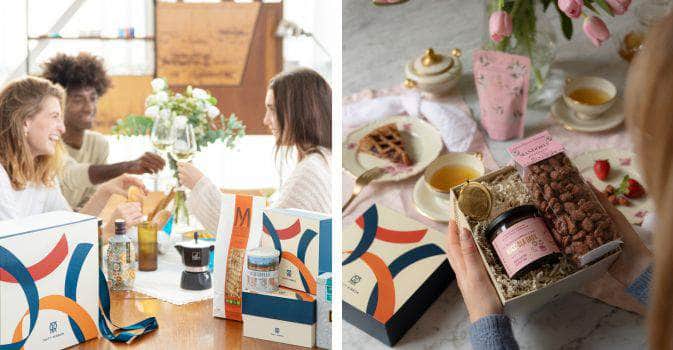
There's something universally understood about unwrapping a beautifully presented box of chocolate. The anticipation, the slight rustle of paper, the rich aroma that escapes the moment you lift the lid-it's a sensory experience that transcends language and geography. In Italy, where artisans have perfected the craft of chocolate-making over centuries, this moment becomes something extraordinary. The country's dedication to quality ingredients, traditional techniques, and regional specialties transforms simple cocoa into edible poetry, making chocolate gifts a genuine expression of care and sophistication.
The Cultural Significance of Chocolate in Italian Tradition
Italy's relationship with chocolate runs deeper than many realize. While the history of chocolate traces back to ancient Mesoamerica, Italian artisans elevated it to an art form beginning in the 17th century. The cities of Turin and Modica became legendary for their distinct approaches-Turin for its silky gianduja blending hazelnuts with chocolate, Modica for its grainy, spiced bars inspired by Spanish traditions.
Regional chocolate specialties tell stories of place and heritage:
- Piedmont's gianduiotti wrapped in gold foil, celebrating the prized Tonda Gentile hazelnuts
- Sicily's cioccolato di Modica, cold-processed to preserve sugar crystals and ancient methods
- Tuscany's chocolatiers combining local ingredients like vin santo and olive oil
- Perugia's legacy of chocolate festivals and confectionery innovation
These traditions aren't museum pieces. Walk through any Italian city today, and you'll find chocolate shops where maestri cioccolatieri practice their craft with the same devotion their predecessors showed generations ago. This commitment to excellence makes Italian chocolate gifts particularly meaningful-they carry the weight of tradition while embracing contemporary refinement.
Why Italians Give Chocolate
In Italian culture, food represents love, connection, and celebration. Chocolate holds special status as a gift because it embodies indulgence without pretension. During holidays like Pasqua (Easter), elaborate chocolate eggs filled with surprises become centerpieces of family gatherings. For celebrations from graduations to name days, a thoughtfully selected box of chocolates communicates genuine affection.
The practice extends beyond special occasions. Bringing cioccolatini when visiting someone's home shows respect and appreciation. The gesture acknowledges the host's hospitality while offering something to share together, perhaps with an espresso or a glass of vin santo.
The Science Behind Perfect Chocolate Gifts
Beyond cultural tradition, there's compelling evidence explaining why chocolate makes such an ideal gift. Chocolate contains compounds like phenylethylamine and anandamide that interact with our brain chemistry, producing feelings of pleasure and wellbeing. The sensory experience-the snap of quality chocolate, its smooth melt, the layered flavor notes-creates a memorable moment that strengthens emotional connections between giver and recipient.
Quality matters enormously in this equation. Artisan chocolates made with single-origin cacao, pure ingredients, and careful craftsmanship deliver exponentially richer experiences than mass-produced alternatives. Italian chocolate makers understand this instinctively, sourcing exceptional cacao and combining it with local treasures like Piedmont hazelnuts, Sicilian almonds, or Tuscan honey.
Key qualities that make chocolate gifts exceptional:
-
Universal appeal across ages, cultures, and preferences
-
Shareability that encourages connection and conversation
-
Variety offering options for different tastes and dietary needs
-
Presentation potential allowing creative, beautiful packaging
-
Shelf stability providing flexibility in timing and delivery
The ritual of sharing chocolate creates space for meaningful interaction. Breaking into a box of assorted pralines together becomes a tasting journey, sparking discussions about favorite flavors and childhood memories.
Selecting Chocolate Gifts for Different Occasions
The versatility of chocolate gifts extends across virtually every celebratory moment. For corporate gifting occasions, elegantly packaged artisan chocolates demonstrate both professionalism and warmth. They're substantial enough to impress important clients yet personal enough to show genuine appreciation for team members.
Milestone Celebrations
Weddings, anniversaries, and significant birthdays call for chocolate gifts that match the occasion's importance. Italian tradition offers inspiration here-think of confetti (sugar-coated almonds) traditionally given at weddings, now reimagined with chocolate coatings in jewel tones. Premium chocolate selections become part of the celebration's memory, especially when presented with the impeccable attention to detail that Italian artisans prize.
For individuals who seemingly have everything, unique chocolate gifts offer novelty through craft and provenance. A selection featuring rare cacao percentages, unusual flavor combinations like rosemary-sea salt or bergamot-infused dark chocolate, or limited-edition creations from renowned chocolatiers provides discovery rather than duplication.
| Occasion |
Chocolate Style |
Presentation Approach |
Cultural Note |
| Business Thank You |
Assorted premium pralines |
Refined, professional packaging |
Demonstrates sophistication |
| Romantic Gesture |
Truffles or heart-shaped boxes |
Elegant ribbons, personal note |
Italian passion for beauty |
| Holiday Celebration |
Seasonal specialties |
Festive colors, traditional motifs |
Reflects regional customs |
| Host/Hostess Gift |
Single-origin bars or regional specialty |
Simple elegance, ready to share |
Respects Italian hospitality norms |
Personal Connections and Everyday Joy
Not every gift requires a major occasion. The Italian concept of "un pensiero"-a little thought-celebrates spontaneous gestures of affection. A small box of exceptional chocolates picked up because you thought of someone embodies this philosophy perfectly. These unscheduled moments of generosity often create the strongest bonds.
When selecting chocolate gifts for close friends or family, consider their preferences deeply. Do they favor dark chocolate's intensity or milk chocolate's comfort? Are they adventurous eaters who'd appreciate unconventional pairings, or do they prefer classic preparations? This attention to individual taste transforms a lovely gift into a personally meaningful one.
The Italian Artisan Advantage in Chocolate Gifts
What distinguishes Italian artisan chocolate from industrial alternatives? The difference begins with philosophy. Italian chocolate makers typically operate at smaller scales, allowing meticulous quality control and creative freedom. They source ingredients with the same care one might select wine-considering terroir, processing methods, and seasonal variations.
Take hazelnuts, fundamental to many Italian chocolates. The Tonda Gentile variety from Piedmont's Langhe hills possesses a delicate sweetness and creamy texture unmatched by other cultivars. Artisans recognize these distinctions and build their creations around showcasing such exceptional ingredients rather than masking them with artificial flavors or excessive sugar.
The relationship between chocolate makers and their suppliers often spans generations. A chocolatier in Turin might source hazelnuts from the same family farm their grandfather used, maintaining continuity and trust. This network of artisan partnerships ensures consistent quality and supports traditional agricultural practices.
Benefits of choosing artisan chocolate gifts:
-
Transparency in sourcing and production methods
-
Complexity of flavor impossible to achieve industrially
-
Sustainability through smaller-scale, often organic practices
-
Craftsmanship evident in every piece
-
Story connecting the gift to specific places and people
When you share chocolate truffles crafted by dedicated artisans who've perfected their technique over decades, you're offering more than confection. You're presenting a taste of passion, place, and tradition. The experience resonates on levels mass-produced chocolates simply cannot reach.
Presentation and Packaging: The Italian Touch
Italians understand that presentation amplifies the gift's impact. The concept of "bella figura"-making a beautiful impression-extends to every aspect of gifting. Chocolate deserves packaging that honors the artistry within. Luxurious boxes, hand-tied ribbons, and thoughtful details transform chocolate gifts into memorable experiences from first glance.
Elements of Exceptional Presentation
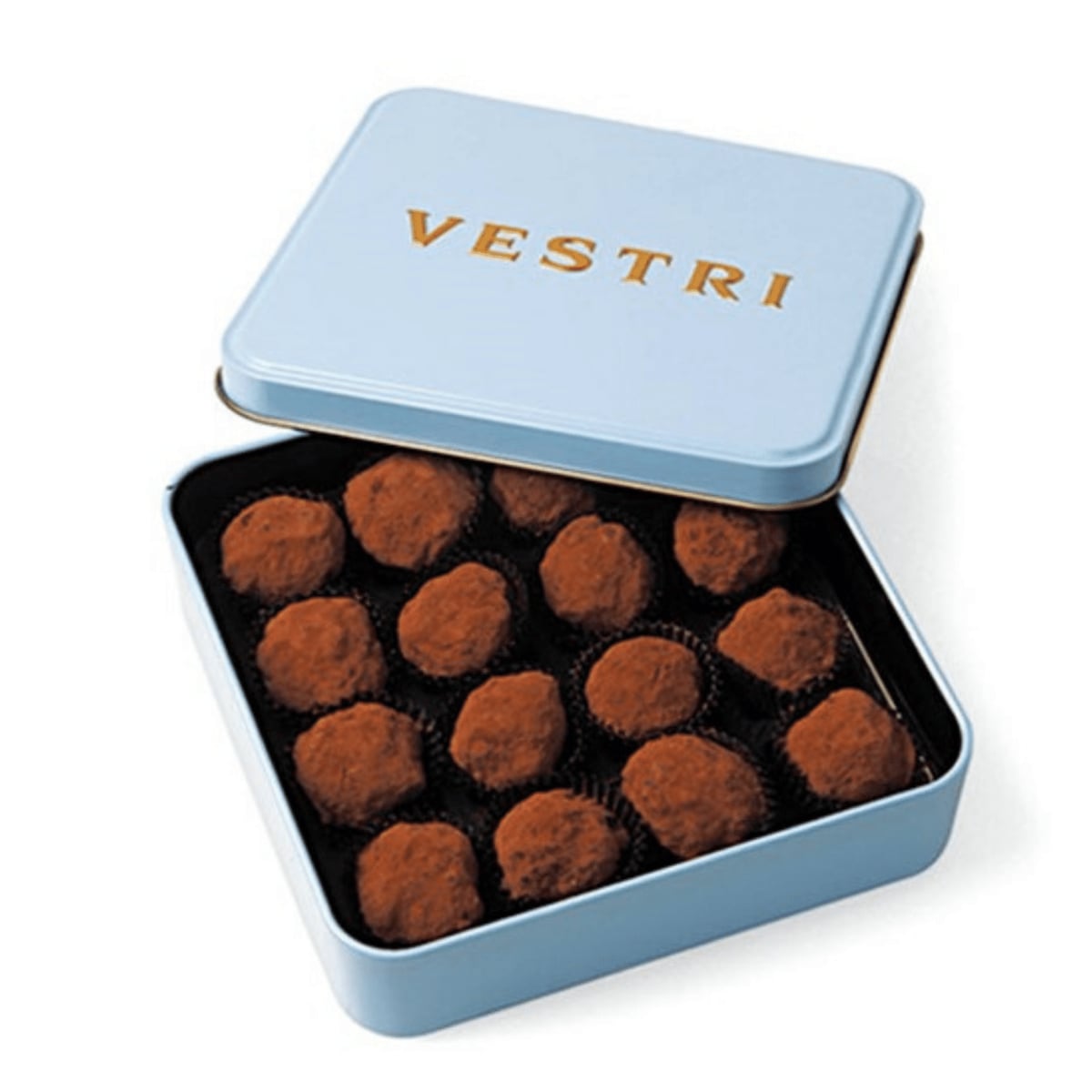
Quality chocolate makers invest in packaging that protects their creations while creating anticipation. Rigid boxes lined with food-safe materials prevent damage during transport. Individual chocolate pieces often rest in fitted compartments or pleated paper cups, preventing contact and maintaining pristine appearance.
Color and design choices communicate the gift's character. Deep jewel tones suggest sophistication and luxury. Soft pastels convey gentleness and celebration. Minimalist designs emphasize the chocolate's quality, letting craft speak for itself. Many Italian artisans incorporate regional motifs-Florentine paper patterns, Venetian gold leaf accents, or Sicilian tile-inspired designs-that root the gift in cultural context.
The unwrapping experience matters tremendously. Magnetic closures that open smoothly, ribbons that untie easily, tissue paper that rustles satisfyingly-these tactile moments build excitement. A well-designed chocolate gift box becomes a keepsake, repurposed for storing treasures long after the chocolates are enjoyed.
Seasonal Chocolate Traditions
Italian celebration cycles offer natural rhythms for chocolate gifting. Understanding these traditions enriches both giving and receiving. During Natale (Christmas), panettone often shares the spotlight with chocolate, but artisan cioccolatini play essential supporting roles. Families exchange boxes of assorted chocolates, enjoying them throughout the holiday season with afternoon coffee or after festive meals.
Pasqua transforms chocolate into architectural marvel. Italian Easter eggs, crafted from premium chocolate and often standing knee-high, represent spring renewal and indulgence. Many contain surprises-small gifts or traditional charms. While these eggs enchant children, adult versions feature sophisticated dark chocolate shells filled with artisan pralines or liqueur-infused selections.
Lesser-known but equally charming are the chocolate gifts associated with regional festivals. In certain Tuscan towns, chocolate features in Carnevale celebrations. Piedmont's hazelnut harvest season inspires special chocolate releases highlighting the new crop. Exploring these seasonal traditions reveals the deep integration of chocolate into Italian life's celebratory moments.
Creating New Traditions
While respecting established customs, there's beautiful opportunity in creating personal chocolate traditions. Perhaps chocolate gifts mark the first snowfall each winter in your family, or celebrate achievements regardless of size. Maybe your circle of friends exchanges artisan chocolates for no reason beyond the joy of sharing something exceptional.
These self-created rituals gain meaning through repetition and intention. When the gesture becomes anticipated and cherished, it builds connection as effectively as any centuries-old tradition. The key lies in authenticity-choosing chocolate gifts that genuinely reflect your appreciation rather than fulfilling obligation.
Pairing Chocolate Gifts with Other Artisan Products
While chocolate stands beautifully alone, pairing it with complementary Italian specialties creates gift collections of remarkable depth. The Italian tradition of abbinamenti-thoughtful pairings-applies wonderfully to gift curation. Dark chocolate finds natural harmony with aged balsamic vinegar, both sharing complex, developed flavor profiles. Milk chocolate's creaminess complements the buttery notes of artisan grissini or the delicate crunch of amaretti cookies.
| Chocolate Type |
Ideal Pairing |
Tasting Note |
Experience Enhancement |
| Dark (70%+) |
Extra virgin olive oil |
Fruity, peppery notes |
Drizzle over chocolate |
| Gianduja |
Piedmont hazelnuts |
Reinforces nut character |
Toast and enjoy together |
| Milk chocolate |
Honey or jam |
Sweetness balance |
Spread on chocolate-dipped biscotti |
| White chocolate |
Limoncello |
Citrus brightness |
Sip between bites |
Consider creating thoughtful food gift assortments that tell cohesive stories. A Piedmont-focused collection might unite gianduja chocolates with toasted hazelnuts and hazelnut liqueur. A Tuscan inspiration could pair dark chocolate with vin santo and cantucci. These curated selections demonstrate knowledge and care, elevating the chocolate gift into an educational, experiential journey.
The approach works particularly well for recipients who appreciate culinary exploration. Instead of simply enjoying chocolates, they discover regional traditions, tasting how ingredients and techniques reflect specific Italian landscapes and cultures.
The Joy of Discovery Through Chocolate Gifts
One profound pleasure of chocolate gifts lies in discovery-introducing someone to flavors, makers, or traditions they haven't encountered. Italy's chocolate landscape offers endless exploration opportunities. Beyond the famous names, small-scale artisans create extraordinary work deserving wider recognition. These chocolatiers often specialize in particular techniques or flavor profiles, developing signature creations that become their calling cards.
Discovering new chocolate makers creates memorable gifting moments:
- Sharing something genuinely novel rather than predictable
- Supporting small businesses and traditional craftsmanship
- Starting conversations about quality, process, and passion
- Encouraging curiosity about food origins and production
When you give chocolate from a lesser-known but exceptional artisan, you're not just presenting confection-you're offering an introduction, potentially sparking a new appreciation that lasts well beyond the gift itself. This generosity of discovery resonates deeply, showing you've invested thought and research into finding something special.
Addressing Dietary Preferences and Restrictions
Modern chocolate gifting requires awareness of diverse dietary needs. Fortunately, Italian artisan chocolate makers increasingly offer options accommodating various requirements without compromising quality. Dark chocolates naturally contain no dairy, making them suitable for many lactose-intolerant individuals or those following plant-based diets. Many artisans produce sugar-free alternatives using natural sweeteners, maintaining flavor complexity while reducing sugar content.
For individuals with nut allergies-a serious consideration given hazelnuts' prominence in Italian chocolate-seek chocolatiers who maintain nut-free production lines or clearly label potential cross-contamination. Quality makers take these concerns seriously, understanding that safety never compromises on occasion.
The expanding availability of specialized chocolate options means fewer people need to be excluded from this universal pleasure. When selecting gifts, inquiring about dietary preferences shows consideration that recipients genuinely appreciate. This small effort transforms chocolate gifts from potential sources of awkwardness into inclusive expressions of care.
The Emotional Resonance of Chocolate Gifts
Beyond taste and tradition, chocolate gifts carry emotional weight. Research demonstrates that receiving chocolate activates pleasure centers in the brain, creating positive associations with both the gift and the giver. This neurological response combines with cultural conditioning and personal memory to make chocolate gifts emotionally powerful.
Think about your own chocolate memories. Perhaps your grandmother kept a special box in her parlor, offering pieces to visiting grandchildren. Maybe your first significant romantic gesture involved chocolate. These recollections influence how we perceive chocolate gifts today, layering new experiences over foundational memories.
Building Connections Through Shared Pleasure
The best chocolate gifts create opportunities for connection. Rather than presenting a box and walking away, consider staying to share the experience. Breaking the first piece together, discussing flavors and textures, laughing over favorites-these moments strengthen relationships more effectively than the gift itself ever could alone.
This aligns perfectly with Italian values around food and fellowship. Meals and treats aren't merely fuel but occasions for human connection. When chocolate gifts facilitate these interactions, they fulfill their highest purpose.
Sourcing Authentic Italian Chocolate Gifts
Authenticity matters enormously when selecting Italian chocolate gifts. The market contains numerous products claiming Italian heritage while actually being produced elsewhere with little connection to Italian tradition or quality standards. Genuine Italian artisan chocolate bears certain hallmarks worth recognizing.
Authenticity indicators include:
-
Clear provenance identifying the specific Italian region and maker
-
Traditional methods like cold-processing or hand-wrapping
-
Premium ingredients with identifiable sources (e.g., specific hazelnut varieties)
-
Artisan scale suggesting craft production rather than industrial manufacturing
-
Cultural connection to recognized Italian chocolate centers
When exploring online food gifts, seek vendors who specialize in Italian artisan products and maintain direct relationships with producers. These specialists curate selections based on quality and authenticity rather than simply sourcing whatever's available. Their expertise ensures the chocolate gifts you send truly represent Italian excellence.
Investment in Quality Over Quantity
A common gifting mistake involves choosing large quantities of mediocre chocolate over smaller amounts of exceptional quality. Italian wisdom suggests the opposite approach. Better to give three sublime truffles that create lasting impressions than a pound of forgettable bonbons. Quality resonates; quantity merely fills space.
This philosophy extends to all aspects of the gift. Invest in proper presentation, authentic sourcing, and thoughtful selection. The recipient recognizes and appreciates these efforts, understanding that you've prioritized their experience over superficial generosity. A small box of extraordinary chocolate, beautifully presented with a personal note, demonstrates more genuine care than an oversized assortment of industrial sweets.
The approach also aligns with contemporary values around sustainability and mindful consumption. Choosing quality over quantity reduces waste, supports artisan livelihoods, and encourages savoring rather than mindless consumption.
The Ritual of Chocolate Tasting
Transforming chocolate gifts into tasting experiences amplifies their impact. Italian culture embraces the concept of degustazione-thoughtful tasting that engages all senses and builds appreciation. When presenting fine chocolate, consider offering guidance on how to taste it properly.
Elements of proper chocolate tasting:
-
Visual examination noting color, sheen, and craftsmanship
-
Aromatic appreciation breathing in chocolate's complex bouquet
-
The snap test breaking chocolate to assess temper and quality
-
Melting method allowing chocolate to soften on the tongue rather than chewing
-
Flavor development noting how taste evolves from initial contact through finish
-
Aftertaste consideration observing lingering notes and sensations
This educational component enhances the gift's value beyond the chocolate itself. You're sharing knowledge and appreciation, inviting the recipient into a richer way of experiencing something they may have taken for granted. The gesture demonstrates respect for both the artisan's craft and the recipient's capacity for discernment.
Supporting Artisan Communities Through Chocolate Gifts
Every chocolate purchase represents a choice about which systems and values to support. When you select artisan Italian chocolate gifts, you're voting with your wallet for traditional craftsmanship, sustainable practices, and community preservation. Many small Italian chocolate makers operate in rural areas where their businesses provide essential employment and help maintain cultural traditions that might otherwise disappear.
These artisans often source ingredients locally, supporting regional agricultural networks. A Piedmont chocolatier buying hazelnuts from nearby farms helps sustain those growers, who in turn maintain the landscape and heritage varieties that define the region. This interconnection creates resilience and authenticity that mass production cannot replicate.
Understanding this broader context enriches chocolate gifting with purpose. You're not merely purchasing confection-you're participating in cultural preservation and economic support for artisan communities. This awareness can be shared with recipients, adding depth and meaning to the gift.
Chocolate gifts represent far more than sweet indulgence-they embody tradition, craftsmanship, and the universal language of care. When sourced from Italian artisans who honor centuries-old techniques while embracing contemporary refinement, these gifts deliver authentic experiences that create lasting connections. Whether marking significant milestones or brightening ordinary days, thoughtfully selected chocolate speaks volumes about the giver's appreciation and taste. Tasty Ribbon brings together exceptional Italian artisan chocolate makers and other gourmet producers, curating selections that honor both tradition and innovation while making it easy to send beautifully presented gifts that genuinely delight recipients near and far.