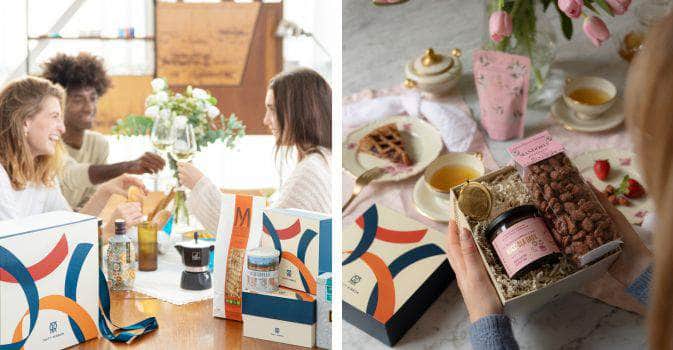
The tradition of giving chocolate during the holidays carries a weight far beyond its sweetness. When December arrives and twinkling lights transform ordinary streets into wonderlands, chocolate becomes the universal language of celebration and connection. In Italy, where craftsmanship and quality reign supreme, chocolate transforms into something more than confection-it becomes an expression of care, a testament to tradition, and a bridge between generations. Whether you're searching for the perfect gift for a discerning client or a thoughtful present for someone who appreciates life's finer moments, understanding the artistry behind authentic Italian chocolate can elevate your gift-giving from ordinary to extraordinary.
The Historical Romance Between Chocolate and Christmas
The connection between chocolate and the Christmas season dates back centuries, though the lavish displays we see today would astonish our ancestors. In Victorian England, chocolate manufacturers recognized the holiday's potential for gift-giving, transforming simple confections into elaborate presentations. The British tradition of selection boxes became synonymous with Christmas morning excitement, while across Europe, chocolatiers developed their own regional specialties.
Italy's chocolate story follows a different path. In Turin, the heart of Italian chocolate making, master chocolatiers have perfected their craft since the 18th century. The Piedmont region, famous for its Tonda Gentile Trilobata hazelnuts, became the epicenter of gianduja-that silky blend of chocolate and hazelnut paste that melts on the tongue like a whispered secret.
The evolution of Christmas chocolate gifts reflects changing tastes:
- Early 1800s: Simple chocolate bars wrapped in decorative paper
- Late Victorian era: Ornate boxes with assorted confections
- Post-WWII: Mass-produced selections for widespread gifting
- Modern era: Return to artisanal quality and authentic ingredients
Italian chocolate makers never abandoned their commitment to traditional methods, even as industrial production swept through other regions. This dedication to craftsmanship means that when you give Italian chocolate today, you're offering something genuinely special.
Understanding Italian Chocolate Craftsmanship
Walk into any respected Italian chocolatier, and you'll immediately sense the difference. The air carries notes of roasted cacao, toasted hazelnuts, and pure vanilla-never artificial sweetness or chemical undertones. Italian artisans approach chocolate with the same reverence they apply to wine, olive oil, and aged cheese.
The Piedmont Difference
The Tonda Gentile Trilobata hazelnut grows exclusively in the Langhe hills of Piedmont, where the climate and soil create flavor profiles impossible to replicate elsewhere. When these hazelnuts meet premium chocolate, magic happens. The result isn't just candy-it's an edible artifact of place and tradition.
Master chocolatiers in this region often work in small batches, controlling every variable from bean selection to final tempering. They understand that chocolate carries terroir just as wine does. The cacao variety, growing conditions, fermentation process, and roasting technique all contribute to the final flavor profile.
| Element |
Artisanal Approach |
Industrial Approach |
| Cacao Source |
Single-origin, traceable beans |
Blended from multiple sources |
| Production Scale |
Small batches, hand-monitored |
Large-scale automated |
| Ingredient Quality |
Natural vanilla, pure ingredients |
Often synthetic flavorings |
| Tempering |
Manual control, traditional methods |
Automated processes |
When selecting christmas chocolate gifts, these distinctions matter profoundly. Your recipient won't just taste the difference-they'll experience it.
Curating Christmas Chocolate Gifts with Intention
The most memorable gifts tell a story. Rather than simply purchasing chocolate, consider the narrative you want to share. Are you celebrating a business relationship that values quality and tradition? Honoring a friendship built on shared appreciation for life's pleasures? Introducing someone to the wonders of authentic Italian craftsmanship?
Building a Thoughtful Selection
Start by considering your recipient's preferences and the occasion's significance. A carefully curated chocolate gift should feel personal, not generic.
Key considerations for selecting premium chocolate:
-
Origin and authenticity: Verify the chocolate's provenance and the maker's credentials
-
Ingredient transparency: Look for clear, simple ingredient lists
-
Presentation quality: Packaging should reflect the product's excellence
-
Seasonal appropriateness: Choose flavors that complement winter celebrations
-
Storage requirements: Ensure the recipient can properly preserve the chocolate
Many Italian chocolate specialties arrive beautifully packaged, recognizing that presentation enhances the gifting experience. The moment someone unwraps elegant packaging reveals as much care as the chocolate itself.
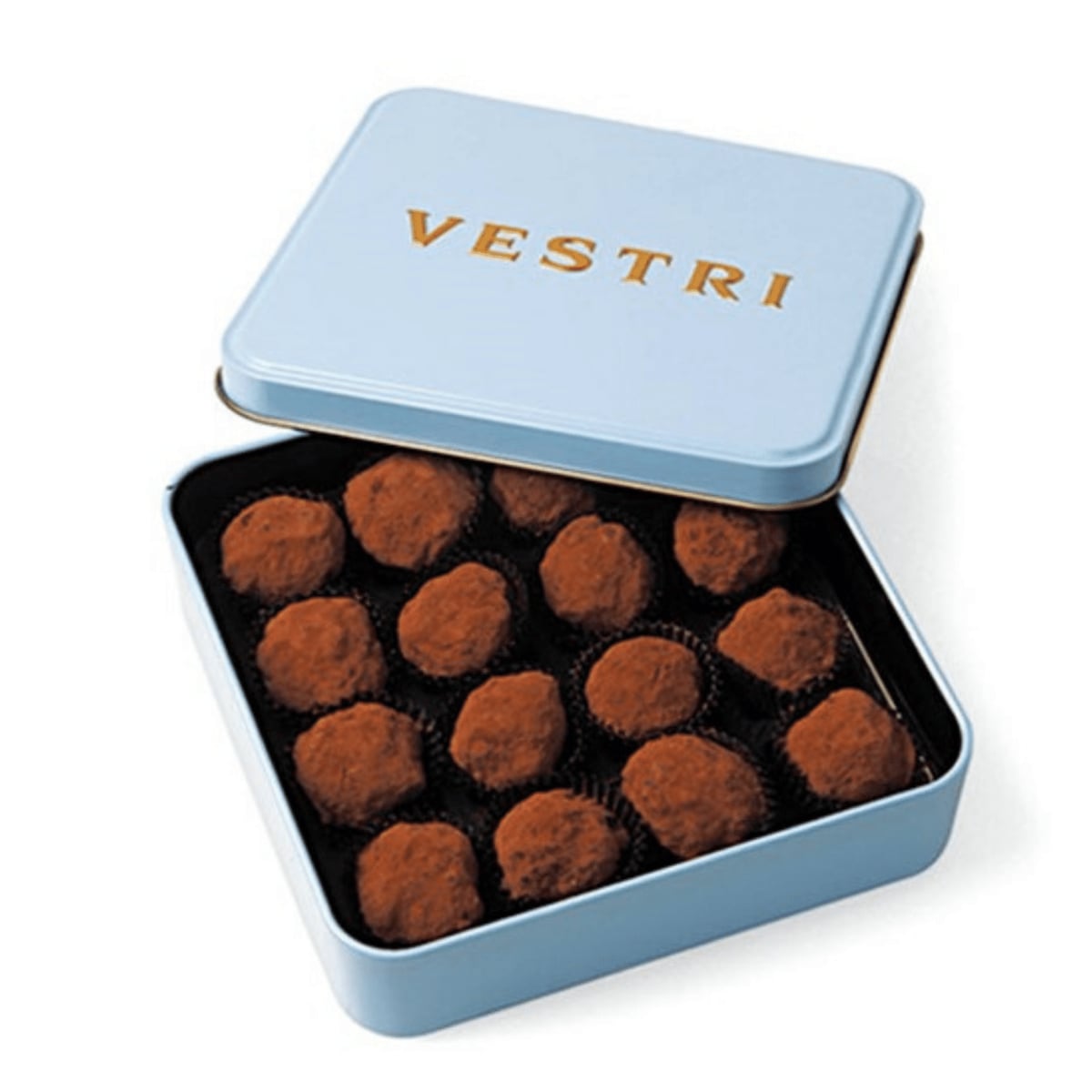
Italian artisans like Vestri have elevated the simple truffle into something transcendent, using those precious Piedmont hazelnuts to create confections that truly melt away, leaving behind layers of flavor that linger on the palate.
Regional Italian Chocolate Specialties Worth Discovering
Italy's diverse regions each contribute unique chocolate traditions, shaped by local ingredients and cultural heritage. Understanding these regional specialties allows you to select christmas chocolate gifts with deeper meaning.
Northern Italy's Chocolate Heritage
Beyond Turin's famous gianduja, northern Italy offers remarkable chocolate diversity. The lakes region produces delicate pralines filled with locally grown fruits, while mountain communities craft chocolate infused with Alpine herbs and honey.
In Modena, where balsamic vinegar reaches its pinnacle, innovative chocolatiers pair aged balsamic with dark chocolate, creating unexpected harmony between sweet and tannic notes. These combinations reflect Italy's genius for balancing tradition with creativity.
Southern Innovation
Sicily brings its own character to chocolate making. Here, pistachios from Bronte-grown on volcanic soil near Mount Etna-create vibrant green paste that transforms chocolate into something entirely unique. The island's citrus heritage also influences local chocolatiers, who incorporate orange and lemon oils with remarkable subtlety.
Regional chocolate specialties to explore:
- Piemonte: Gianduja, bicerin-inspired truffles, hazelnut pralines
- Lombardia: Panettone-flavored chocolates, mascarpone-filled bonbons
- Toscana: Wine-infused chocolate, chestnut combinations
- Sicilia: Pistachio creations, citrus-enhanced varieties
- Veneto: Prosecco truffles, grappa-spiked confections
Each region's offerings reflect centuries of culinary evolution, making them conversation pieces as much as treats.
Pairing Chocolate with Other Italian Artisanal Products
The beauty of Italian chocolate lies in its versatility as part of a larger culinary experience. When creating christmas chocolate gifts, consider how chocolate complements other artisanal products to build a complete sensory journey.
Creating Harmonious Gift Combinations
Think like an Italian host planning an evening of indulgence. Chocolate serves as the grand finale, but the experience builds through carefully orchestrated courses. A gift box might include exceptional olive oil, artisanal pasta, aged balsamic vinegar, and conclude with premium chocolate-each element enhancing the others.
The practice of creating thoughtful food gift assortments recognizes that excellence builds upon excellence. When recipients experience multiple artisanal products together, they gain appreciation for Italian craftsmanship as a philosophy, not just individual items.
Consider pairing possibilities that create memorable moments:
| Chocolate Type |
Complementary Products |
Occasion |
| Dark chocolate truffles |
Aged balsamic, espresso beans |
Sophisticated dinner party favor |
| Hazelnut gianduja |
Frangelico, biscotti |
Intimate winter gathering |
| Citrus-infused chocolate |
Limoncello, almond cookies |
Spring celebration preview |
| Wine-paired chocolate |
Quality Barolo, aged cheese |
Appreciation for connoisseurs |
These combinations demonstrate understanding and thoughtfulness-qualities that strengthen relationships and create lasting impressions.
The Art of Presentation in Italian Chocolate Gifting
Italians understand that beauty matters. The presentation of christmas chocolate gifts carries as much significance as the chocolate itself. This isn't superficial vanity-it's respect for the recipient and acknowledgment that moments of beauty enrich our lives.
Elevating the Unboxing Experience
The ritual of opening a beautifully presented gift extends anticipation and pleasure. Quality packaging protects delicate chocolate while creating a sense of occasion. Italian artisans typically use materials that reflect their environmental consciousness-elegant paper, fabric ribbons, reusable boxes.
Elements of exceptional chocolate gift presentation:
- Layered packaging that builds anticipation
- Color palettes reflecting Italian aesthetic sensibility
- Tactile materials that feel substantial and refined
- Information cards explaining the chocolate's origin and maker
- Reusable packaging that extends the gift's value
When exploring luxury gift packages, notice how thoughtful presentation transforms the entire experience. Your recipient should feel the care invested before tasting a single piece.
Chocolate for Corporate Holiday Gifting
Business relationships thrive on thoughtful gestures that demonstrate genuine appreciation. Christmas chocolate gifts for corporate settings require special consideration-they must balance sophistication with accessibility, luxury with approachability.
Selecting Appropriate Corporate Chocolate Gifts
The best corporate chocolate gifts reflect well on your organization while honoring recipients' diverse tastes. Avoid overly quirky or polarizing flavors. Instead, choose premium classics that showcase quality without requiring explanation.
Italian chocolate excels in corporate contexts because it signals refinement without pretension. The tradition of corporate gifting benefits from products that carry cultural weight and authentic craftsmanship stories.
-
Research dietary restrictions: Many Italian chocolatiers offer dairy-free or reduced-sugar options
-
Consider presentation consistency: Ensure all recipients receive comparable quality
-
Include tasting notes: Help recipients appreciate nuances they might otherwise miss
-
Mind cultural sensitivities: Verify that chocolate gifting aligns with recipients' traditions
-
Plan for timely delivery: Premium chocolate requires careful shipping timing
The tradition of giving chocolate at Christmas has evolved into a sophisticated business practice that strengthens professional relationships when executed with care.
Seasonal Chocolate Traditions Worth Adopting
Italy's regional Christmas traditions include specific chocolate customs that add depth to holiday celebrations. Understanding these practices can inspire your own gift-giving approach.
The Aperitivo Connection
While not exclusively chocolate-focused, Italy's aperitivo culture influences how sweets conclude gatherings. Small, elegant chocolate pieces often accompany espresso or digestifs, extending the social experience beyond the meal itself. This tradition suggests giving chocolate intended for sharing-creating moments of connection rather than solitary consumption.
Befana's Sweet Legacy
On January 6th, La Befana-the kind witch who delivers gifts to Italian children-traditionally fills stockings with chocolate and sweets. This charming folklore extends the Christmas season and reminds us that chocolate gifts can mark multiple winter celebrations, not just December 25th.
Italian-inspired chocolate gifting occasions:
- Christmas Eve dinner party favors
- New Year's Eve toast accompaniments
- Epiphany (January 6th) traditional gifts
- Winter solstice celebrations
- Thank-you gifts throughout the season
These varied occasions allow you to extend holiday generosity across weeks rather than condensing everything into one frantic day.
Sustainability and Ethical Considerations in Chocolate Gifting
Modern gift-givers increasingly recognize their purchases' broader impact. When selecting christmas chocolate gifts, consider the environmental and social implications behind production.
Italian Artisans' Commitment to Sustainability
Many Italian chocolate makers maintain relationships with small-scale cacao farmers, ensuring fair prices and sustainable growing practices. They prioritize quality over quantity, which naturally limits environmental impact. Their small-batch approach reduces waste and energy consumption compared to industrial production.
Questions to ask when evaluating chocolate sustainability:
- Where does the cacao originate, and how are farmers compensated?
- What environmental practices guide the production facility?
- How does packaging balance protection with environmental responsibility?
- Does the producer support community initiatives in growing regions?
- Can packaging components be recycled or composted?
Supporting artisans who prioritize good foodie gifts means your purchase aligns with values beyond taste alone. This adds another layer of meaning to your gift.
Storing and Serving Premium Chocolate Gifts
Even the finest chocolate suffers if improperly stored or served. When giving christmas chocolate gifts, consider including brief guidance to help recipients fully enjoy their present.
Optimal Storage Conditions
Premium chocolate demands respect. Temperature fluctuations, humidity, and light exposure all degrade quality. Ideally, chocolate should rest in a cool (60-68°F), dry, dark location-definitely not the refrigerator, which introduces moisture and absorbs surrounding odors.
| Storage Issue |
Impact on Chocolate |
Solution |
| Too warm |
Melting, bloom formation |
Store in consistently cool space |
| Too cold |
Sugar bloom, texture changes |
Avoid refrigeration |
| Humidity |
White coating, texture degradation |
Use airtight containers |
| Light exposure |
Flavor deterioration |
Keep in dark packaging |
Serving Suggestions That Enhance Experience
Chocolate tastes best at room temperature, when cocoa butter softens and aromatic compounds volatilize. Encourage recipients to remove chocolate from storage 30-45 minutes before serving, allowing flavors to develop fully.
Suggest pairing premium Italian chocolate with:
- Espresso or quality coffee
- Fortified wines like Vin Santo or Porto
- Aged spirits including grappa or whiskey
- Fresh berries or dried fruit
- Sparkling water to cleanse the palate between pieces
These simple suggestions transform chocolate consumption into a mindful ritual rather than mindless snacking.
The Psychology of Chocolate Gift-Giving
Understanding why chocolate resonates as a gift helps us select and present it more effectively. Chocolate triggers pleasure centers in our brains while carrying cultural associations with celebration, luxury, and care.
Emotional Connections Through Chocolate
The story of The Gift of the Magi reminds us that the most meaningful gifts reflect genuine understanding of the recipient. Chocolate allows us to demonstrate this understanding-choosing varieties that match someone's preferences shows you pay attention to their tastes and values.
Premium Italian chocolate particularly excels at this emotional connection. It whispers rather than shouts, suggesting refined taste and appreciation for authenticity. When you give artisanal Italian chocolate, you're implicitly saying: "I know you appreciate quality. I value our relationship enough to seek out something genuinely special."
Emotional benefits of thoughtful chocolate gifting:
- Creates shared experiences and memories
- Demonstrates effort beyond transactional gift-giving
- Provides sensory pleasure that triggers happiness
- Shows cultural awareness and sophistication
- Builds anticipation through beautiful presentation
These psychological dimensions elevate chocolate from simple candy to meaningful gesture.
Navigating Dietary Preferences with Italian Chocolate
Modern gift-giving requires awareness of dietary restrictions and preferences. Fortunately, Italian chocolate makers increasingly offer options for various needs without compromising quality.
Options for Different Dietary Requirements
Traditional Italian chocolate often contains fewer ingredients than mass-produced alternatives, making it naturally suitable for many dietary preferences. Dark chocolate from quality producers typically includes only cacao, sugar, and perhaps vanilla-nothing more.
For lactose-intolerant recipients, many Italian chocolatiers produce exceptional dairy-free options using cacao butter exclusively. These maintain the silky texture and complex flavor of traditional chocolate without milk solids.
Sugar-conscious recipients can enjoy chocolate with higher cacao percentages (70% or above), where cacao's natural bitterness balances minimal sweetness. Some artisans also create versions sweetened with alternatives like honey or coconut sugar.
Dietary-friendly Italian chocolate options:
- Vegan dark chocolate with high cacao content
- Dairy-free hazelnut spreads and truffles
- Sugar-free or reduced-sugar varieties
- Gluten-free options (most pure chocolate qualifies)
- Organic and biodynamic selections
Including a brief note about ingredients when gifting chocolate shows consideration and prevents awkward situations.
Creating Custom Chocolate Gift Experiences
The most thoughtful christmas chocolate gifts often combine multiple elements into cohesive experiences. Rather than offering chocolate alone, consider building a complete sensory journey.
Building Thematic Collections
Imagine gifting a "Taste of Piedmont" collection featuring hazelnut chocolate, hazelnut liqueur, and biscotti made with local nuts. Or a "Northern Italy Winter Evening" box containing chocolate, artisanal hot cocoa mix, and biscotti for dipping. These thematic approaches transform individual products into stories.
When exploring options for festive gift baskets, think about how components interact to create a unified experience. Each element should enhance the others while maintaining individual excellence.
Steps for creating custom chocolate experiences:
- Identify a unifying theme (regional focus, flavor profile, occasion)
- Select chocolate as the centerpiece element
- Add complementary items that enhance the theme
- Include information about each component's origin and maker
- Present everything cohesively with thoughtful packaging
This approach demonstrates creativity and personal investment in the gift.
Christmas chocolate gifts become truly memorable when they reflect authentic craftsmanship, cultural heritage, and genuine thoughtfulness. The Italian approach to chocolate making-rooted in quality ingredients, traditional methods, and respect for terroir-offers a compelling alternative to mass-produced alternatives. Whether you're seeking the perfect corporate gift or a personal present for someone who appreciates life's finer moments, Tasty Ribbon connects you with authentic Italian artisanal products that tell stories worth sharing. Their curated selections bring together the finest Italian chocolatiers and complementary gourmet items, allowing you to create gifts that strengthen relationships and create lasting impressions throughout the holiday season and beyond.