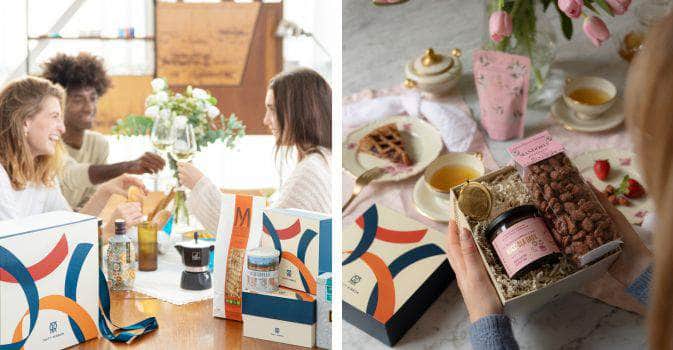
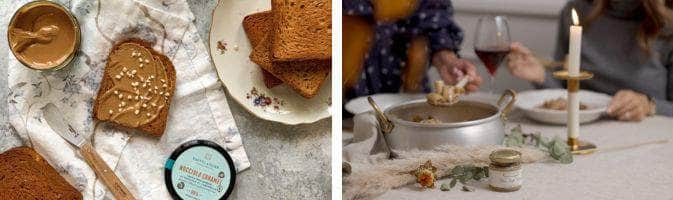
The art of giving has evolved beyond simple gestures into meaningful expressions of connection, and nowhere is this more beautifully realized than in the world of gourmet food and gifts. These curated selections combine exceptional taste with thoughtful presentation, transforming everyday ingredients into extraordinary experiences. Whether celebrating milestones, nurturing business relationships, or simply sharing the joy of authentic flavors, gourmet food offerings create memories that linger long after the last bite.
The Evolution of Gourmet Gifting in 2026
The landscape of gourmet food and gifts has shifted dramatically over recent years. Today's discerning recipients expect more than generic baskets filled with mass-produced items. They seek authenticity, stories behind each product, and the assurance that their gift reflects both quality and consideration.
Understanding Modern Consumer Preferences
Current market analysis reveals fascinating insights into food gifting trends that shape how we approach gourmet selections. Personalization dominates 2026's gifting landscape, with consumers increasingly drawn to curated experiences rather than one-size-fits-all options. This shift reflects a broader cultural movement toward meaningful consumption.
Key trends shaping gourmet gifting include:
- Sustainability and ethical sourcing
- Regional authenticity and origin stories
- Customization capabilities
- Premium presentation and unboxing experiences
- Dietary-specific options
The rise of social media has also influenced how people discover and share gourmet food and gifts. Platforms showcase visually stunning presentations, encouraging gift-givers to seek products that photograph beautifully while delivering exceptional taste. According to emerging gourmet food trends, social phenomena like viral food moments significantly impact consumer choices.
Seasonal Peaks and Strategic Timing
Understanding when consumers seek gourmet food and gifts helps both givers and recipients maximize their experience. Search interest typically surges during specific periods throughout the year, with notable peaks during traditional holiday seasons and emerging celebration windows.
| Season |
Peak Interest |
Popular Gift Types |
| Holiday (Nov-Dec) |
Highest |
Corporate gifts, family collections |
| Spring (Mar-May) |
High |
Celebration boxes, Mother's Day |
| Summer (Jun-Aug) |
Moderate |
Wedding gifts, appreciation |
| Fall (Sep-Oct) |
Growing |
Harvest themes, gratitude |
This seasonal pattern helps inform strategic planning for both personal and corporate gifting initiatives. The data shows consistent interest in online food gifts year-round, with spikes corresponding to cultural celebrations and business quarterly milestones.
Artisan Quality and Authentic Origins
The heart of exceptional gourmet food and gifts lies in the stories of skilled artisans who dedicate their lives to perfecting traditional methods. These makers represent generations of knowledge, regional pride, and unwavering commitment to quality that simply cannot be replicated by industrial production.
Regional Traditions That Define Excellence
Italy's diverse regions offer distinct culinary traditions, each contributing unique flavors to the gourmet landscape. From the rolling hills of Emilia-Romagna, where Parmigiano Reggiano ages to perfection, to the sun-drenched groves of Puglia producing liquid gold olive oil, geography shapes taste in remarkable ways.
Consider the pasta makers of Gragnano, a small town near the Amalfi Coast where bronze-die extrusion and slow drying create textures that capture sauce like no other pasta can. These techniques, passed down through families, represent the difference between ordinary and extraordinary. When included in gourmet food and gifts, such products carry the weight of tradition alongside exceptional flavor.
Artisan characteristics that elevate quality:
- Traditional production methods preserved across generations
- Small-batch manufacturing ensuring attention to detail
- Locally sourced ingredients from specific terroirs
- Seasonal production aligning with natural cycles
- Hand-finished products reflecting individual craftsmanship
Understanding these elements helps recipients appreciate the care invested in each component of their gift. This knowledge transforms consumption from mere eating into an exploration of culture and tradition.
Curating Memorable Gift Collections
Creating cohesive gourmet food and gifts requires more than assembling premium products. The most successful collections tell a story, guide recipients through complementary flavors, and provide everything needed for a complete experience.
Building Thematic Coherence
Effective curation considers flavor profiles, usage occasions, and the journey recipients will take from opening to enjoying their gift. A well-designed collection might center around a specific meal, like a pasta dinner featuring complementary sauces, cheeses, and oils that work in harmony.
Alternatively, thematic approaches can celebrate specific ingredients. Truffle enthusiasts, for example, appreciate collections exploring this precious fungus through various expressions: oils, sauces, spreads, and even artisan products that showcase different flavor intensities.
The breakfast theme offers another compelling direction for gourmet food and gifts. Morning collections might feature artisan preserves, premium coffee, handcrafted granola, and specialty breads, creating a complete sensory experience that transforms ordinary mornings into celebrations.
Balancing Accessibility and Sophistication
Great gift curation requires understanding your recipient's culinary confidence. Some collections should include comprehensive instructions and complete ingredient sets, while others can feature specialty items that experienced cooks integrate into their existing repertoire.
| Recipient Type |
Ideal Collection Approach |
Key Components |
| Cooking Enthusiast |
Building blocks |
Premium ingredients, recipe inspiration |
| Busy Professional |
Complete experiences |
Ready-to-enjoy items, minimal prep |
| Food Explorer |
Discovery focus |
Unique products, tasting notes |
| Traditional Tastes |
Classic selections |
Familiar favorites, premium versions |
This thoughtful matching ensures gourmet food and gifts resonate with recipients, increasing the likelihood they'll fully appreciate and utilize each component. When someone receives a personalized gift basket aligned with their interests and capabilities, the impact multiplies exponentially.
Packaging as Part of the Experience
The presentation of gourmet food and gifts significantly influences recipient perception and enjoyment. Thoughtful packaging protects product integrity while building anticipation and communicating value before a single bite is tasted.
Design Elements That Communicate Quality
Luxury packaging extends beyond aesthetics into functional design that preserves freshness and showcases products beautifully. Gourmet food packaging ideas emphasize how presentation can enhance the entire eating experience while reinforcing brand identity.
Essential packaging considerations include:
- Protective materials ensuring product arrives pristine
- Visual hierarchy guiding recipients through contents
- Sustainable materials reflecting environmental consciousness
- Reusable elements extending the gift's lifespan
- Clear information about origins and usage
Color schemes, typography, and material choices all contribute to the unboxing experience. Natural tones and elegant simplicity often communicate quality more effectively than overly ornate designs. The goal is creating presentation that feels special without overwhelming the products themselves.
Product Callouts and Information
According to specialty food packaging best practices, clear callouts highlighting key attributes help consumers understand what makes products special. For gourmet food and gifts, this might include origin certifications, production methods, or tasting notes that guide the culinary experience.
Effective information design balances education with aesthetics. Recipients appreciate understanding why specific products were selected and how to best enjoy them, but dense text blocks detract from visual appeal. Strategic placement of concise descriptions creates informed appreciation without cluttering the presentation.
Corporate Gifting Excellence
Business relationships demand especially thoughtful gourmet food and gifts that reflect professional standards while maintaining personal warmth. The corporate gifting landscape has evolved beyond generic fruit baskets into sophisticated expressions of appreciation and partnership.
Navigating Professional Gift-Giving
Corporate gifts serve multiple purposes: acknowledging achievements, strengthening relationships, showing gratitude, and maintaining top-of-mind awareness. The most effective corporate gift sets balance universal appeal with distinctive character that reflects the giver's brand values.
Professional gifting best practices:
- Consider dietary restrictions and preferences
- Select sophisticated yet accessible products
- Ensure presentation reflects company professionalism
- Include personalization that feels authentic
- Choose items that encourage sharing
Modern corporate trends emphasize meaningful and ethical gifts that resonate emotionally while aligning with organizational values. This shift away from purely transactional gifts toward relationship-building creates deeper connections between businesses and their stakeholders.
When thoughtfully executed, gourmet food and gifts in corporate contexts create shared experiences that teams can enjoy together. This communal aspect enhances workplace culture while demonstrating appreciation in tangible, enjoyable ways.

Scaling Without Losing Personal Touch
Organizations sending multiple gifts face the challenge of maintaining personalization while managing logistics efficiently. Custom corporate gift boxes offer solutions through modular approaches that allow subtle customization within streamlined production.
Technology enables personalized messaging at scale, while careful supplier partnerships ensure consistent quality across large orders. The key is establishing systems that support customization without requiring complete reinvention for each recipient.
Specialty Dietary Considerations
The expanding awareness of dietary preferences and restrictions has transformed how we approach gourmet food and gifts. Today's curators must navigate vegan, vegetarian, gluten-free, and allergen-conscious selections while maintaining the luxury and flavor that define premium offerings.
Inclusive Excellence
Creating exceptional dietary-specific collections requires going beyond simple substitution. The goal is crafting selections that stand proudly on their own merits rather than feeling like compromised versions of traditional options. Vegan gourmet food and gifts, for instance, can showcase incredible plant-based Italian specialties like truffle-infused olive oils, artichoke spreads, and premium pasta made with ancient grain varieties.
Gluten-free options have evolved significantly, with artisan producers creating exceptional alternatives using rice, chickpea, and other flours. These products offer distinct textures and flavors rather than attempting to perfectly mimic wheat-based counterparts.
Dietary-specific gifting opportunities:
- Vegan collections featuring Italian vegetables and legumes
- Gluten-free pasta and sauce pairings
- Nut-free chocolate and confections
- Low-sugar artisan preserves
- Dairy-free cheese alternatives
Understanding ingredient sourcing becomes especially critical for dietary-specific gourmet food and gifts. Cross-contamination risks, certification standards, and clear labeling protect recipients while demonstrating the giver's thoughtfulness and attention to detail.
The Sweet Side of Gourmet Gifting
Confections hold special places in gourmet food and gifts, offering moments of pure indulgence that transcend everyday eating. Premium chocolates, artisan candies, and specialty sweets provide sensory experiences that create lasting impressions.
Artisan Chocolate Craftsmanship
Italian chocolate makers bring centuries of expertise to their craft, sourcing exceptional cacao and combining it with local ingredients like Piedmont hazelnuts or Sicilian pistachios. These pairings create flavor profiles impossible to replicate elsewhere, making them particularly compelling for chocolate candy enthusiasts.
The textural journey matters as much as flavor. Premium chocolates should melt smoothly, releasing complex notes gradually rather than overwhelming the palate. Truffles, ganaches, and pralines each offer distinct experiences, allowing curators to build collections that explore chocolate's full range.
Beyond taste, understanding the benefits of chocolate adds another dimension to gifting. Quality dark chocolate contains antioxidants, while the ritual of savoring premium confections provides mindful moments in busy days.
Honey and Natural Sweeteners
Italian honey represents another category where terroir dramatically influences flavor. Orange blossom honey from Sicilian groves tastes fundamentally different from acacia honey from northern regions, offering gourmet food and gifts curators opportunities to educate recipients about these distinctions.
Artisan honey producers maintain traditional beekeeping practices, allowing honey to mature fully before harvesting. This patience results in complex flavor profiles with floral, herbal, or fruity notes that transform simple sweetness into sophisticated tasting experiences.
Building Educational Experiences
The most memorable gourmet food and gifts do more than provide delicious products; they educate recipients about traditions, techniques, and terroir. This educational component transforms one-time consumption into lasting appreciation that influences future choices.
Storytelling Through Product Selection
Each artisan product carries stories worth sharing. The pasta maker who refuses to modernize equipment because bronze dies create superior texture. The olive oil producer who hand-harvests at precise ripeness to achieve specific flavor profiles. These narratives connect recipients to the human hands behind their food.
Including tasting notes, origin stories, and preparation suggestions enhances appreciation without requiring recipients to research independently. Well-crafted information might explain why certain pasta shapes pair with specific sauces, or how aging affects cheese flavor development.
Elements that enhance educational value:
- Producer profiles highlighting artisan backgrounds
- Regional maps showing product origins
- Preparation and pairing recommendations
- Traditional usage contexts
- Quality indicators and certifications
This approach aligns with broader gastronomic gifting trends emphasizing experience over mere consumption. Recipients gain knowledge they'll carry into future culinary adventures, extending the gift's impact far beyond initial enjoyment.
Sustainability and Ethical Sourcing
Contemporary consumers increasingly evaluate gourmet food and gifts through environmental and ethical lenses. This consciousness doesn't compromise quality; rather, it often correlates with superior products as sustainable practices frequently align with traditional methods that prioritize excellence over efficiency.
Environmental Considerations in Production
Gourmet food trends emphasize sustainability and local sourcing as central concerns for conscious consumers. Artisan producers often maintain naturally sustainable practices through small-scale production, seasonal alignment, and minimal processing.
Transportation challenges require thoughtful solutions to maintain product integrity while minimizing environmental impact. Specialized packaging protects delicate items during shipping, while consolidating orders reduces overall carbon footprints.
| Sustainability Aspect |
Artisan Approach |
Consumer Benefit |
| Ingredient Sourcing |
Local, seasonal materials |
Superior freshness, regional authenticity |
| Production Scale |
Small batches |
Quality control, reduced waste |
| Packaging |
Minimal, recyclable materials |
Lower environmental impact |
| Transportation |
Consolidated shipping |
Reduced carbon footprint |
| Seasonality |
Natural production cycles |
Peak flavor, traditional methods |
Supporting artisan producers through gourmet food and gifts purchases reinforces traditional food systems that operate in harmony with natural cycles. This creates positive feedback loops benefiting producers, communities, and ecosystems simultaneously.
Seasonal Celebrations and Traditional Occasions
Different times of year call for specific approaches to gourmet food and gifts. Understanding seasonal appropriateness enhances relevance and demonstrates cultural awareness that recipients appreciate.
Holiday Gifting Strategies
Winter holidays represent peak seasons for gourmet food and gifts, with holiday gift baskets serving multiple purposes from corporate appreciation to family celebrations. This period demands extra attention to logistics, as high demand can strain supply chains and delivery services.
Early planning becomes essential during peak seasons. Securing premium products, customizing presentations, and scheduling deliveries all require advance coordination. Organizations managing large corporate gift programs benefit from establishing relationships with specialized providers who understand professional requirements.
Spring and Summer Occasions
Warmer months offer different gifting opportunities aligned with outdoor entertaining, graduation celebrations, and wedding seasons. Gourmet food and gifts for these occasions might emphasize lighter flavors, outdoor dining components, or items perfect for sharing during gatherings.
Mother's Day, Father's Day, and graduation create concentrated demand periods requiring thoughtful preparation. Understanding recipient preferences becomes especially important during these personal celebrations, where generic approaches feel particularly hollow.
Gender-Neutral and Inclusive Approaches
While traditional marketing often segments gourmet food and gifts by gender, modern approaches recognize that culinary interests transcend such boundaries. Everyone appreciates quality, authenticity, and thoughtful presentation regardless of demographic categories.
Moving Beyond Stereotypes
Historical gift baskets for him often defaulted to predictable themes: beef jerky, hot sauces, and grilling accessories. Contemporary curation recognizes that individual preferences matter more than gender assumptions. The pasta enthusiast, chocolate lover, or coffee connoisseur exists across all demographics.
Focusing on specific interests, occasions, or flavor profiles creates more meaningful gourmet food and gifts than gender-based categorization. Someone passionate about Italian cuisine will appreciate authentic regional products regardless of how marketers might traditionally segment those items.
This inclusive approach expands creative possibilities while ensuring gifts resonate personally rather than relying on broad assumptions that may miss the mark entirely.
Premium Ingredients as Building Blocks
Exceptional gourmet food and gifts often center around key premium ingredients that elevate everyday cooking. These foundational elements provide lasting value as recipients incorporate them into multiple meals long after receiving their gift.
The Extra Virgin Olive Oil Distinction
Quality olive oil transforms simple dishes into extraordinary experiences. First-press, cold-extracted oils from single estates offer flavor complexity that mass-produced alternatives cannot match. Peppery notes, fruity undertones, and smooth finishes vary dramatically based on olive variety, harvest timing, and production methods.
Gifting premium olive oil introduces recipients to sensory experiences they might not otherwise encounter. Including tasting notes and pairing suggestions helps them appreciate subtle distinctions while building confidence in selecting quality oils independently.
Aged Cheeses and Proper Storage
Parmigiano Reggiano aged 24 months or longer represents another cornerstone ingredient worthy of inclusion in gourmet food and gifts. The crystalline texture and nutty complexity achieved through patient aging cannot be rushed, making such products particularly special.
Educating recipients about proper cheese storage extends enjoyment while preventing waste. Parchment wrapping, appropriate temperature, and humidity control all influence how well cheese maintains quality after opening.
Premium ingredient gifting benefits:
- Recipients use products multiple times
- Quality ingredients improve various dishes
- Educational component builds culinary knowledge
- Lasting value exceeds initial gift cost
- Encourages exploration of premium options
Creating Custom Gift Experiences
While curated collections offer convenience, custom options provide opportunities for truly personalized gourmet food and gifts that reflect specific relationships and occasions. This personalization creates stronger emotional connections between givers and recipients.
Guided Customization Approaches
Overwhelming recipients with unlimited options creates decision paralysis rather than delight. Effective customization provides structure through themed categories, suggested pairings, or expert recommendations that guide choices while maintaining flexibility.
Interactive tools might ask questions about recipient preferences, dietary needs, and occasions before suggesting appropriate products. This consultative approach helps less experienced gift-givers navigate options confidently while ensuring successful outcomes.
Budget Flexibility Without Quality Compromise
Custom approaches should accommodate various price points while maintaining quality standards throughout. Rather than simply adding or removing items, effective customization scales through product selection, presentation levels, and collection sizes.
A modest budget might focus on fewer premium items with thoughtful presentation, while larger budgets expand selection breadth. Both approaches prioritize quality over quantity, ensuring every component meets standards worthy of the gourmet designation.
Exceptional gourmet food and gifts combine authentic artisan products with thoughtful curation and beautiful presentation, creating experiences that nourish both body and spirit. By understanding quality indicators, respecting traditional methods, and prioritizing meaningful connections over mere transaction, gift-givers transform ordinary occasions into memorable celebrations. Whether you're seeking ready-made collections or custom creations, Tasty Ribbon connects you directly to Italy's finest artisan producers, ensuring every gift carries the authentic flavors and stories that make Italian gourmet products truly special.