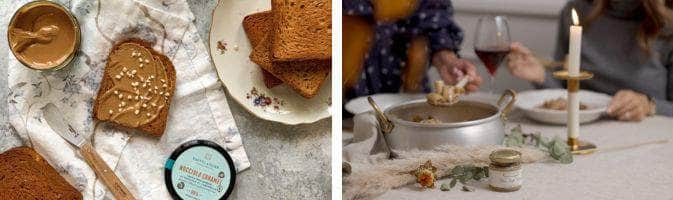
Imagine unwrapping a gift that instantly transports you to a cozy trattoria in Tuscany, complete with rich aromas, bold flavors, and a little taste of la dolce vita. That is exactly the kind of magic a thoughtfully assembled gift basket can deliver, and the good news is that you do not need to be an expert to put one together.
Italian-inspired gift baskets are one of the most beloved and versatile gift options out there, perfect for birthdays, holidays, housewarmings, or really any occasion that calls for something a little extra special. They feel luxurious without being overly complicated, and they are endlessly customizable depending on the person you are shopping for.
If you are new to building gift baskets and are not quite sure where to start, you are in the right place. In this post, we are breaking down everything that goes into a truly impressive Italian-inspired gift basket, from pantry staples and gourmet treats to presentation tips that will make your gift look like it came straight from a specialty shop. Let's dive in!
What Makes an Italian-Inspired Gift Basket Worth Giving
Close your eyes for a moment and imagine lifting the lid on a beautifully wrapped box. The first thing that reaches you isn't a visual. It's a smell: the peppery warmth of extra-virgin olive oil, the nutty, almost caramel-like depth of aged Parmigiano Reggiano, maybe a whisper of truffle or the sweet tang of aged balsamic. Before you've tasted a single thing, you're somewhere else entirely. That sensory welcome is exactly what separates a truly memorable Italian-inspired gift basket from anything you'd grab off a supermarket shelf.
Here's a distinction worth making early: "Italian-themed" and "genuinely Italian" are not the same thing. Plenty of gift baskets lean on red checkered packaging, generic dried pasta, and mass-produced tomato sauce to signal Italy. They look the part, but the connection to real Italian food culture is mostly surface. Authentically Italian baskets go deeper, prioritizing provenance, artisan makers, and products carrying DOP or IGP certifications. DOP stands for Denominazione di Origine Protetta (Protected Designation of Origin) and IGP for Indicazione Geografica Protetta (Protected Geographical Indication). Both are EU guarantees that what's inside was made according to strict traditional standards, in a specific Italian region. That traceability matters enormously for quality and taste.
At the heart of Italian food culture is la tavola, the table, understood not just as a piece of furniture but as a gathering place. It's where families argue warmly, laugh loudly, slow down, and truly connect. Gifting food in the Italian tradition is an act of generosity rooted in this spirit; it's an invitation to gather people together. It's worth noting that around 68% of consumers now prefer personalized or themed gifts, which tells us something important: people want presents that feel intentional, not just convenient.
This guide is here to help you understand what to look for, so every choice you make feels confident and considered.
Essential Italian Artisanal Items in a Quality Gift Basket
So what actually goes inside an italian-inspired gift basket that makes it feel genuinely special? The answer comes down to specific, artisanal products with real stories behind them. Here's what to look for.
Extra Virgin Olive Oil (EVOO)
A truly exceptional EVOO starts with cold-pressing: olives are mechanically crushed at temperatures below 27°C, with no heat or chemicals involved. This preserves the oil's natural antioxidants, fragrance, and flavor. Single-origin sourcing takes it further, meaning every olive comes from one farm or estate, so you can trace exactly where your oil was grown. A Sicilian Biancolilla oil tastes vibrantly fruity and delicate; a Puglian Coratina hits you with peppery intensity and grassy depth. Neither one resembles the flat, often rancid blend sitting on a supermarket shelf. Look for a harvest date on the label, and you know it's fresh.
Bronze-Cut Pasta (Pasta Trafilata al Bronzo)
Most commercial pasta is extruded through Teflon or plastic dies, producing smooth, shiny noodles that sauce slides right off. Artisan pasta uses bronze dies instead, which create a rough, porous surface on every strand. That texture grabs sauce, pulling it into the pasta rather than letting it pool at the bottom of the bowl. The result is a dish that feels cohesive and deeply flavored. Many of the finest bronze-cut pastas come from Gragnano, a small town near Naples that has been producing pasta for centuries, and some carry PGI certification as a mark of that heritage.
Aged Cheeses Like Parmigiano Reggiano
DOP (Denominazione di Origine Protetta) certification is essentially a legal guarantee that a product was made in a specific region, using specific traditional methods, passed down over generations. For Parmigiano Reggiano, that means raw cow's milk from Emilia-Romagna, minimum aging of 12 months, and no shortcuts. A 24-month wheel develops crystalline crunch and a nutty, complex depth that pre-grated alternatives simply cannot replicate.
Balsamic Vinegar of Modena (Aceto Balsamico)
Aged artisan balsamic vinegar is made from cooked grape must, slowly transferred through a series of wooden barrels over at least 12 years. The result is thick, almost syrupy, with layered notes of dried fruit, caramel, and wood. Mass-produced versions typically blend wine vinegar, grape concentrate, and caramel coloring for quick turnaround. The sensory gap is enormous: one coats your palate with luxurious sweetness; the other is sharp and thin.
Antipasti, Preserves, and Truffle Products
These are the supporting cast that make a basket feel abundant and considered. Sun-dried tomatoes bring concentrated sweetness and tang. Olive tapenade adds a savory, briny richness. Truffle salt or truffle paste introduces an earthy, umami-forward quality that transforms simple dishes like scrambled eggs or buttered pasta into something elegant. Together, these items give a recipient an entire pantry moment.
Chocolates and Dolci as a Finishing Touch
No Italian gift is complete without something sweet. Artisan chocolates from Piemonte or cantucci (twice-baked Tuscan almond biscuits, traditionally served with coffee or vin santo) bring a joyful, textural close to the experience. They balance the savory depth of everything else with warmth and a little celebration.
If you want to explore baskets that bring all of these elements together beautifully, browse Tasty Ribbon's full collection of Italian artisanal gift boxes for ready-made and customizable options.
The Regional Stories Behind the Best Italian Gift Basket Ingredients
Think of this as a road trip through Italy, no itinerary required. Each region we visit has been quietly perfecting one ingredient for centuries, and understanding where these flavors come from transforms a beautiful box of food into something genuinely meaningful. These are the stories that make italian-inspired gift baskets worth treasuring.
Puglia and Sicily: Olive Oil from Ancient Groves
Drive south through Puglia, the long, sun-drenched heel of the Italian boot, and you'll pass olive trees so old they predate the Roman Empire. Some of these gnarled, silver-leafed giants are over a thousand years old, and families have been harvesting from them the same way for generations. Come mid-October, the region stirs to life: nets spread across the earth, neighbors gather, and olives are hand-picked and rushed to the local frantoio (mill) for cold-pressing the very same day. That urgency matters. It's what preserves the bright, peppery intensity that makes a quality extra-virgin olive oil taste so alive. Sicily brings a similarly sun-soaked character, with family farms producing oils that are fruity, bold, and deeply aromatic. When you find one of these oils in a gift basket, you're holding a harvest.
Gragnano, Campania: Where Pasta Breathes Sea Air
Just south of Naples, the coastal town of Gragnano has been making pasta since the 16th century, and the microclimate here is the secret. Warm mountain winds meet sea humidity in a way that allows pasta hung on outdoor drying racks to dry slowly and evenly, creating that rough, porous texture that holds sauce so beautifully. In December 2025, UNESCO recognized Italian cooking as Intangible Cultural Heritage, a nod to exactly this kind of tradition: artisanal techniques, respect for ingredients, and knowledge passed through families over centuries. Gragnano also holds IGP (Indicazione Geografica Protetta) status, meaning its pasta must be made in this specific town to carry the name. Think of IGP as the EU's way of protecting the story behind the ingredient, ensuring the place and the method travel together.
Modena and Reggio Emilia: The Art of Patience
Nothing in the food world quite captures patience like a wheel of Parmigiano Reggiano aging quietly in a warehouse, or a row of wooden barrels in an acetaia (balsamic vinegar producer) cellar tucked beneath a family farmhouse. Parmigiano Reggiano holds DOP (Denominazione di Origine Protetta) status, which means every single step, from the milk to the aging, must happen within a defined zone using traditional methods. Balsamic vinegar from Modena follows a similar logic: cooked grape must slowly concentrates across a "battery" of progressively smaller barrels over 12 years minimum for the finest designations. Both DOP and IGP are the EU's guarantees that what you're tasting is genuinely rooted in place, not imitated elsewhere.
Piedmont and Umbria: The Luxury of the Tartufo Hunt
A tartufo (truffle) cannot be farmed the way other ingredients can. It grows where it wants, when it wants, coaxed from misty woodland floors by trained dogs whose handlers have often inherited the skill from their grandparents. In Piedmont's Alba countryside and Umbria's oak forests, truffle season is a quietly exhilarating ritual: secretive, seasonal, and never guaranteed. White truffles peak between October and January; black varieties carry their own seasonal windows. That rarity is exactly why truffle-infused oils, honeys, and preserves feel so genuinely luxurious as gifts. You're not just giving a flavor; you're giving something the earth offered only briefly.
Tasty Ribbon sources directly from small artisan producers across these regions, which means every item in their curated gift boxes carries a real origin story. When regional sourcing is done with this kind of intention, a gift basket stops feeling like a collection of snacks and starts feeling like an introduction to the people and landscapes of Italy.
How to Choose an Italian-Inspired Gift Basket for Any Occasion
Now that you've fallen a little in love with the ingredients, the regions, and the stories, the next natural question is: which italian-inspired gift basket is right for this person, this moment? The good news is that once you stop thinking in terms of "assortment" and start thinking in terms of "this person's actual personality," the choice becomes much easier.
For Birthdays and Personal Gifts: Lead with a Theme
Generic baskets are forgettable. Themed ones become stories people retell. If your person lights up at the mention of fresh pasta, a curated box built around bronze-cut spaghetti, a glossy arrabbiata, and a pour-worthy extra virgin olive oil is going to hit differently than a random sampler. Think about their obsession and follow it. Tasty Ribbon's Pasta 101 collection does exactly this, as does their Truffle Enthusiast selection for the friend who orders the truffle option every single time. According to consumer trend data, 68% of people prefer personalized or themed gifts over one-size-fits-all options. That number tracks. We all want to feel seen.
For Corporate Gifting: Quality Over Volume
A well-curated Italian artisanal box communicates something a branded tote full of generic snacks simply cannot: that you thought about it. For corporate gifting, the unboxing experience functions as a quiet brand touchpoint. When a client opens a magnetic-closure box to find DOP-certified products nestled in tissue paper with a handwritten note, that moment reflects your values before a single word is exchanged. The customized gifting market continues to grow precisely because this kind of intentionality is memorable in ways that volume-based gifts are not.
For the Holidays: Seasonal and Harvest-Aligned Selections
Timing transforms a gift from pleasant to truly thoughtful. A box featuring festive Italian chocolates, harvest-pressed olive oil, or panettone (Italy's beloved holiday sweet bread) feels aligned with the season rather than plucked from a warehouse shelf year-round. These details matter.
Dietary Needs and Budget
Inclusivity matters too. Many Italian-inspired baskets can be customized around gluten-free pasta options, vegan-friendly sauces, or allergen-conscious selections, so no one at the table is an afterthought. On budget: quality gifting starts around $39 and scales upward. That price reflects where the olive oil was pressed and who made the pasta, not just how much fits in the box.
What Sets a Curated Italian Gift Box Apart from Generic Options
You've learned what goes inside a great italian-inspired gift basket and which regions produce the best ingredients. But here's the question that matters when you're actually shopping: how do you tell the difference between a basket that's genuinely curated and one that just looks Italian?
The answer lives in the details.
Provenance, Certifications, and the Story Behind Each Product
A truly curated Italian gift box will tell you exactly where each item comes from. You'll see labels like DOP (Denominazione di Origine Protetta, meaning Protected Designation of Origin) or IGP (Indicazione Geografica Protetta, meaning Protected Geographical Indication). These aren't just decorative acronyms. They're legally enforced guarantees that a product, say a 24-month Parmigiano Reggiano or a balsamic from Modena, was made in a specific region using traditional methods.
Mass-market "Italian-style" baskets rarely offer this transparency. Items are often sourced in bulk, with no information about who made them, where the olives were pressed, or whether that pasta was extruded through bronze dies or industrial Teflon molds. The difference in taste and integrity is real.
Why Packaging Is Actually About Values
Sleek, sustainable packaging isn't just pretty. When a company chooses recyclable materials and thoughtful construction, it's telling you something about how seriously they take the whole experience, from sourcing to the moment your recipient lifts the lid. Eco-conscious packaging reduces waste and signals that care didn't stop at the product selection.
The unboxing moment itself is emotional design. When a box has been layered with intention, when products are nestled rather than stuffed, when a handwritten note or a producer's story card is tucked inside, the recipient feels seen. That feeling is the actual gift.
Shorter Supply Chains, Better Everything
Direct-from-artisan sourcing preserves what wholesale distribution can quietly destroy. Extra virgin olive oil degrades with heat and prolonged storage. Aged balsamic loses nuance when it passes through too many hands. Shorter supply chains mean fresher products, better traceability, and direct support for the small producers doing the real work.
This matters especially as demand grows. The global Italian food market is projected to climb from $27 billion in 2026 to over $47 billion by 2034, reflecting a worldwide appetite for authentic, traceable Italian products. More people are seeking the real thing, and the best curated boxes are built to deliver exactly that.
Tasty Ribbon's gift boxes bring this philosophy together in practice: direct artisan partnerships, certified regional products, and packaging designed to make opening the box feel like arriving somewhere wonderful.
How to Build Your Own Italian-Inspired Gift Basket at Home
Before you buy a single item, start with the person. Ask yourself: who are they in the kitchen? Are they the kind of person who treats pasta night like a sacred ritual? Do they love setting out little bowls of things before dinner, aperitivo-style? Or are they quietly fascinated by truffles but have never quite taken the plunge? Anchoring your italian-inspired gift basket around a personality makes everything else click into place.
Three starter combinations worth knowing:
The Pasta Purist: Bronze-cut pasta, a good extra virgin olive oil, and flaky sea salt. Bronze-die extrusion gives pasta a rough texture that grips sauce beautifully; pair it with a single-origin EVOO and the whole thing feels like a cooking class in a box.
The Aperitivo Host: Aged balsamic from Modena, a wedge of Parmigiano Reggiano, and some artisan crackers. This trio is effortless to arrange and instantly looks considered.
The Truffle Curious: Truffle paste, artisan pasta, and Arborio or Carnaroli risotto rice. Two or three ingredients, endless dinner possibilities.
Sourcing is where most DIY baskets succeed or stumble. Look for DOP (Denominazione di Origine Protetta) and IGP labels on packaging; these EU-protected certifications confirm that a product was made in a specific Italian region using traditional methods. Single-origin language matters too: "olive oil from Puglia" tells a real story, while "Italian-style" tells almost none. Small-batch cues like "bronze-die extruded," "slow-dried," or "family producer" are honest signals of quality over volume.
For presentation, go modern over traditional. A linen-lined box or a deep wooden tray reads more elegant than wicker. Layer heavier items like jars and tins at the back, and wrap anything crumbly or soft in tissue paper to protect it during transit. Finish with a handwritten note.
One honest truth: building a thoughtful basket from scratch takes real sourcing knowledge and time. If that feels like a lot, a pre-curated Italian gift box from Tasty Ribbon removes the guesswork entirely, delivering that same warmth with artisanal credibility already built in.
Ready to Gift a Taste of Italy
Remember that opening image: the lid lifts, and before you even see what's inside, the aroma finds you first. Aged balsamic, fragrant olive oil, a whisper of dried herbs. In that single moment, someone across the world has just arrived in Italy.
The best italian-inspired gift baskets earn that response because they're built on something real: provenance, regional storytelling, artisan craft, and genuine care in curation. They carry the fingerprints of specific places and specific makers, not a generic assembly line.
When you're ready to choose one, keep these essentials in mind. Look for DOP (Denominazione di Origine Protetta) and IGP (Indicazione Geografica Protetta) certifications, which legally protect a product's origin and traditional methods. Favor direct-artisan sourcing over industrial brands. Choose a theme over a random assortment; a cohesive narrative always lands more meaningfully. And don't overlook the unboxing experience itself, because the unwrapping is part of the gift.
If you want to skip straight to the good part, explore our curated Italian gift boxes at Tasty Ribbon. Every detail, from the sourcing to the ribbon, has already been handled with care.
Conclusion
Creating a memorable Italian-inspired gift basket does not have to be complicated or overwhelming. By focusing on a few key principles, including quality pantry staples, gourmet treats that reflect authentic Italian flavors, and thoughtful presentation, you can put together something truly special that any recipient will treasure.
Remember to personalize your basket based on the person you are shopping for, layer your items beautifully for visual impact, and always prioritize quality over quantity. A well-chosen selection of a few standout products will always outshine a basket stuffed with forgettable fillers.
Now it is your turn to start building. Browse your local specialty stores or explore curated Italian products online and begin gathering your ingredients. Whether you are gifting a seasoned foodie or a curious beginner, a basket filled with love and la dolce vita is always the right choice.