The morning ritual of brewing tea holds a special place in cultures worldwide, and when it comes to black tea premium varieties, the experience transcends ordinary refreshment. These exceptional leaves represent centuries of cultivation expertise, careful processing, and an understanding of terroir that rivals the finest wines. Just as Italian artisans perfect their craft over generations, tea masters across Asia have refined techniques that transform simple leaves into liquid poetry. Whether you're seeking the perfect addition to a gourmet breakfast or exploring sophisticated gift options, understanding what elevates premium black tea creates opportunities for memorable moments and meaningful connections.
Understanding What Defines Premium Quality
The distinction between standard black tea and black tea premium varieties lies in multiple factors that work together to create an exceptional cup. Origin plays a crucial role, with renowned regions like Darjeeling, Assam, Yunnan, and Fujian producing leaves that carry unique characteristics shaped by altitude, climate, and soil composition.
Leaf grade serves as one of the primary indicators of quality. Premium varieties often feature whole leaves or large leaf pieces rather than broken fragments or dust. The grading system, while complex, offers insights into what you're purchasing:
| Grade |
Meaning |
Characteristics |
| FTGFOP |
Finest Tippy Golden Flowery Orange Pekoe |
Highest quality, abundant golden tips |
| TGFOP |
Tippy Golden Flowery Orange Pekoe |
Premium whole leaves with golden tips |
| FOP |
Flowery Orange Pekoe |
Quality whole leaves, fewer tips |
| OP |
Orange Pekoe |
Standard whole leaves |
Harvest timing dramatically influences flavor profiles and value. First flush teas, picked in early spring, command premium prices for their delicate, nuanced flavors. Second flush harvests deliver more robust characteristics, while autumn pickings offer mellower profiles. Understanding these distinctions helps you select varieties that match your preferences, whether you favor bright, floral notes or deeper, malty tones.
Processing methods further define premium status. Oxidation levels, withering techniques, and rolling processes all contribute to the final cup's complexity. Artisanal producers often employ traditional methods passed down through generations, creating teas with depth and character that mass-produced alternatives cannot replicate.
Regional Variations and Their Unique Profiles
Geography shapes personality in both tea and food. Each black tea premium region develops signature characteristics that make their products instantly recognizable to discerning palates.
Indian Excellence: Darjeeling and Assam
Darjeeling, often called the "Champagne of teas," produces elegant leaves with floral and muscatel notes that appeal to those who appreciate subtlety. Growing at high altitudes in the Himalayan foothills, these teas develop complexity that pairs beautifully with delicate pastries or light breakfast fare. The region's cool climate and misty conditions create the perfect environment for developing nuanced flavor compounds.
Assam teas contrast sharply with their Darjeeling neighbors. These robust, malty varieties deliver bold flavor that stands up to milk and sweeteners, making them ideal for traditional English breakfast preparations. The region's tropical climate and rich soil produce leaves with distinctive briskness and full body that energizes morning routines.
Chinese Heritage: Yunnan and Keemun
China's tea legacy spans millennia, and black tea premium varieties from this country showcase remarkable diversity. Yunnan golden teas feature sweet, honey-like notes with subtle pepper undertones, creating a smooth drinking experience that appeals to both tea novices and connoisseurs. The golden tips visible throughout these leaves indicate high quality and careful processing.
Keemun varieties deliver complex, wine-like characteristics with hints of orchid and subtle smokiness. These teas develop beautifully when brewed hot or cold, offering versatility that makes them excellent choices for entertaining. The balanced flavor profile complements both Western and Asian cuisine, bridging cultural traditions through shared appreciation for quality.
Evaluating Quality Through Sensory Analysis
Selecting black tea premium varieties requires engaging all your senses, much like choosing exceptional olive oil or aged cheese. Visual inspection reveals much about leaf quality and processing care.
Examine dry leaves for uniformity in size and color. Premium varieties display consistent leaf structure with minimal breakage or debris. Golden tips, the unopened leaf buds, signal superior quality and add sweetness to the brew. Avoid teas with excessive stems or dust, which indicate lower-grade processing.
Aroma assessment begins before brewing:
- Dry leaves should smell fresh and vibrant, never musty or stale
- Fruity, floral, malty, or honey notes indicate proper storage and quality
- Off odors suggest age or improper handling
Once brewed, color provides additional quality clues. Premium black teas produce clear, bright liquor ranging from amber to deep copper, depending on variety. Cloudiness or dullness suggests inferior processing or old leaves.
Taste complexity separates exceptional from ordinary. Premium varieties reveal layers of flavor that evolve as the tea cools, offering different notes in the first sip versus the last. Astringency should feel balanced rather than harsh, providing structure without overwhelming the palate. Sweetness, whether subtle or pronounced, indicates carefully processed leaves harvested at optimal maturity.
The Art of Proper Preparation and Storage
Even the finest black tea premium varieties require proper handling to showcase their potential. Water quality matters tremendously, as minerals and chlorine can mask delicate flavors. Filtered or spring water produces superior results compared to heavily treated tap water.
Temperature control separates good cups from great ones. Most black teas thrive at temperatures between 200-212°F, but delicate varieties like first flush Darjeeling benefit from slightly cooler water (around 195°F) to prevent bitter compounds from overwhelming subtle notes. Robust Assam or breakfast blends can handle full boiling water without issue.
Steeping Guidelines for Optimal Flavor
| Tea Type |
Water Temp |
Steep Time |
Second Infusion |
| Darjeeling |
195°F |
3-4 minutes |
Add 1 minute |
| Assam |
212°F |
3-5 minutes |
Add 30 seconds |
| Yunnan |
205°F |
3-4 minutes |
Add 1 minute |
| Keemun |
200°F |
3-5 minutes |
Add 1 minute |
Proper storage preserves freshness and protects your investment in quality leaves. Keep tea in airtight containers away from light, heat, and moisture. Ceramic or opaque metal containers work better than clear glass, which allows damaging light exposure. Avoid storing tea near spices or coffee, as leaves readily absorb surrounding aromas.
Premium varieties maintain peak flavor for six to twelve months when stored properly, though they remain drinkable well beyond this window. Purchase quantities you'll consume within this timeframe to ensure optimal taste experiences.
Pairing Premium Black Tea with Culinary Experiences
The relationship between black tea premium varieties and food mirrors the Italian tradition of thoughtfully combining ingredients to enhance both elements. Understanding complementary flavors creates memorable tasting experiences that elevate everyday moments into celebrations.
Breakfast pairings offer natural starting points for exploration. Robust Assam varieties complement hearty morning fare, including eggs, bacon, and buttered toast. The tea's malty notes harmonize with savory flavors while cutting through richness. For lighter breakfast selections featuring pastries or fruit, delicate Darjeeling provides refreshing contrast without overwhelming subtle sweetness.
Afternoon tea presents opportunities for creative combinations:
- Keemun's wine-like complexity pairs beautifully with aged cheeses and nuts
- Yunnan's honey notes enhance shortbread cookies and butter cakes
- Lapsang Souchong's smokiness complements cured meats and sharp cheeses
- Ceylon teas balance citrus desserts and fruit tarts
Consider black tea premium varieties when planning gift baskets for special occasions, as they add sophistication and versatility to gourmet collections. The tea's long shelf life makes it practical for gifts that recipients can enjoy over time, creating lasting impressions through repeated use.
Similar to how premium ingredients elevate Italian cooking, quality tea transforms simple gatherings into refined experiences. When paired with artisanal products like handcrafted chocolates, specialty preserves, or small-batch cookies, premium tea creates cohesive gift presentations that demonstrate thoughtfulness and taste.
Exploring Specialty Processing Techniques
Beyond regional variations, black tea premium categories include varieties processed through unique methods that create distinctive characteristics. These specialty teas often command higher prices while delivering experiences unavailable in standard offerings.
Smoked teas like Lapsang Souchong undergo pine wood smoking that imparts bold, campfire-like aromas and flavors. This distinctive process, traditional to China's Fujian province, creates polarizing reactions-people typically love or avoid these intense varieties. When appreciated, smoked teas offer unmatched pairing potential with grilled foods, barbecue, and strong cheeses.
Golden varieties feature abundant golden tips, the youngest leaves and buds that add natural sweetness and smooth texture. These teas often fetch premium prices due to labor-intensive harvesting requirements and limited availability. The visual appeal of golden leaves scattered throughout darker tea creates aesthetic pleasure that enhances the overall experience.
Aged black teas represent another specialty category gaining appreciation among collectors and connoisseurs. Like fine wines or aged cheeses, these teas develop mellow, complex flavors over years of careful storage. Chinese producers pioneered aging techniques, and the practice has spread to other regions seeking to create distinctive products that improve with time.
Much like discovering good foodie gifts requires understanding quality indicators and personal preferences, selecting specialty processed teas benefits from education and exploration. Tasting sets that include multiple varieties help develop your palate while minimizing commitment to large quantities of unfamiliar products.
The Health Dimension of Premium Selection
Beyond sensory pleasure, black tea premium varieties offer wellness benefits that add value to daily consumption. While all true teas contain beneficial compounds, quality differences influence concentration and bioavailability of these substances.
Polyphenols, particularly theaflavins and thearubigins formed during oxidation, provide antioxidant properties that support overall health. Premium varieties typically contain higher concentrations of these compounds due to optimal growing conditions, careful processing, and fresher leaves. The relationship between quality and compound concentration parallels how superior growing conditions enhance nutritional profiles in produce and olive oil.
L-theanine, an amino acid that promotes calm focus, appears in notable amounts throughout quality teas. This compound works synergistically with caffeine to provide sustained energy without the jittery effects associated with coffee. Premium varieties often deliver more balanced L-theanine to caffeine ratios, creating smoother, more sustained alertness.
Key health-supporting compounds in black tea premium varieties include:
- Flavonoids that support cardiovascular health
- Minerals including potassium, magnesium, and manganese
- Small amounts of vitamins, particularly K and B complex
- Beneficial fluoride that supports dental health
The decaffeinated options now available in premium grades allow those sensitive to caffeine to enjoy quality tea's benefits and flavors throughout the day. Modern processing techniques remove caffeine while preserving flavor compounds and beneficial polyphenols, though some subtle characteristics inevitably change during decaffeination.
For those building wellness-focused gift collections, premium tea offers a sophisticated alternative or complement to herbal infusions. The combination of tradition, health benefits, and exceptional taste creates meaningful gifts that recipients can incorporate into daily self-care routines. Pairing quality tea with honey, premium preserves, or artisanal cookies creates thoughtful presentations that support both indulgence and wellbeing.
Building a Premium Tea Collection
Starting a black tea premium collection follows similar principles to curating any quality pantry-begin with versatile foundations, then expand based on personal preferences and special interests. A well-rounded collection provides options for different times of day, moods, and occasions.
Essential varieties for beginners include:
- A robust breakfast blend (Assam-based) for morning energy
- A delicate afternoon tea (Darjeeling or first flush) for relaxed moments
- A versatile all-day option (Ceylon or Yunnan) that satisfies most occasions
- One specialty variety (smoked, aged, or golden) for adventure
Purchase small quantities initially to determine preferences without committing to large amounts of unfamiliar varieties. Many specialty retailers offer sample sizes or tasting sets that facilitate exploration. As your palate develops, you'll naturally gravitate toward particular regions, processing styles, or flavor profiles that resonate with your taste.
Storage considerations grow important as collections expand. Organize teas by type and purchase date to ensure rotation that maintains freshness. Label containers clearly with variety name and acquisition date. Consider keeping a tasting journal to track impressions, brewing parameters, and pairing successes, much like wine enthusiasts maintain tasting notes.
Premium tea collecting pairs naturally with exploring other artisanal products. The same appreciation for quality, tradition, and craftsmanship that draws people to exceptional tea often extends to specialty foods, handcrafted items, and cultural products. Building connections between interests creates richer understanding and enjoyment across multiple domains.
Gifting Considerations for Tea Enthusiasts
Black tea premium varieties make thoughtful gifts that communicate care and sophistication. Unlike perishable foods requiring immediate consumption, quality tea maintains freshness for months, allowing recipients to enjoy your gift over time. This extended shelf life also makes tea practical for online food gifts that ship well and arrive in perfect condition.
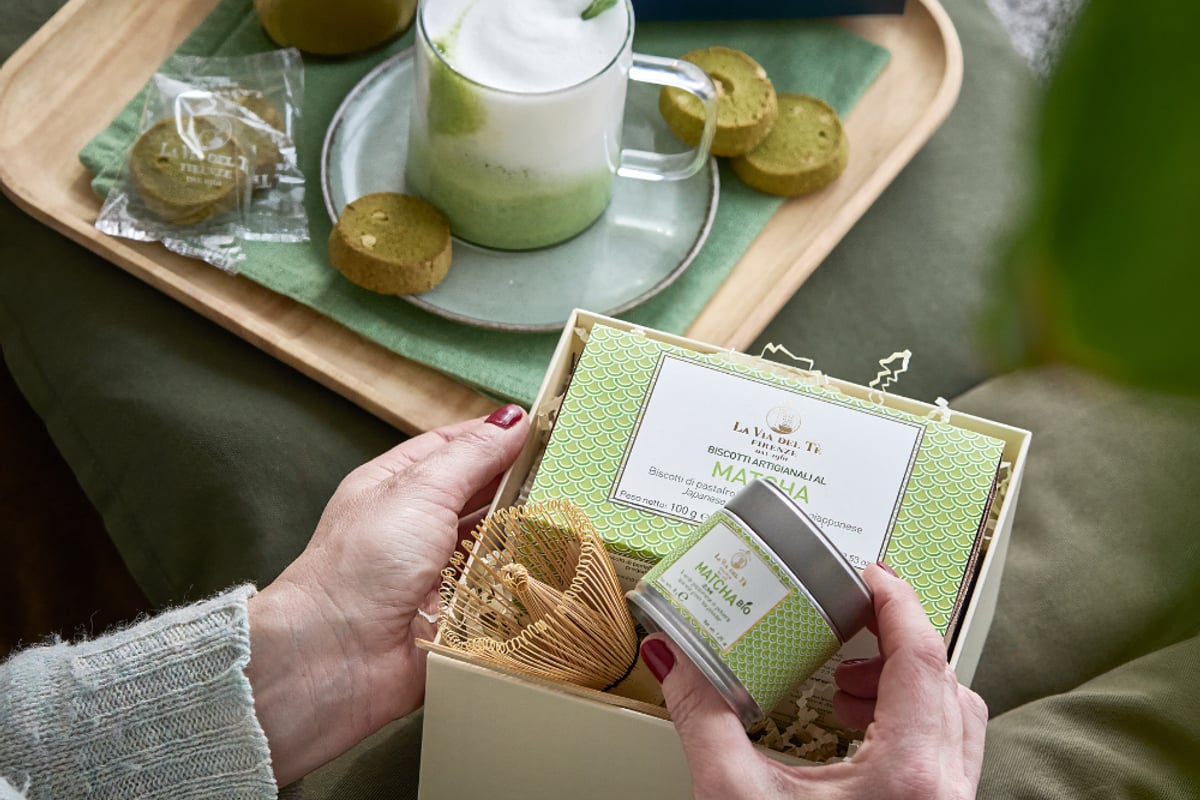
Presentation matters significantly in gift-giving contexts. Quality packaging that protects the tea while looking attractive adds perceived value and shows respect for both the product and recipient. Consider how premium tea fits within larger gift compositions alongside complementary items like honey, shortbread, or specialty preserves.
Effective tea gift strategies include:
- Pairing varieties with brewing accessories like infusers or timers
- Including tasting notes that educate and guide exploration
- Selecting regions or processing styles that match recipient interests
- Combining tea with complementary foods for complete experiences
For corporate settings or formal occasions, premium tea offers sophistication without the complications of wine or alcohol. The universal appeal and cultural significance of tea transcend borders while maintaining refined status. When creating corporate gift sets, consider including multiple varieties that allow recipients to discover personal preferences while sharing with colleagues or family.
The storytelling potential of premium tea enhances its gift value. Each variety carries heritage from specific regions, traditional processing methods, and cultural significance that adds depth beyond the physical product. Sharing these narratives through included cards or descriptions transforms a simple gift into an educational experience that recipients remember and appreciate.
Sustainability and Ethical Sourcing
Quality and responsibility increasingly intersect in consumer consciousness, making ethical sourcing an important consideration when selecting black tea premium varieties. The tea industry faces challenges including fair labor practices, environmental stewardship, and supply chain transparency that parallel issues throughout agricultural sectors.
Certifications provide helpful guidance for socially conscious purchasers. Fair Trade certification ensures producers receive fair compensation and work under acceptable conditions. Organic certification indicates cultivation without synthetic pesticides or fertilizers, benefiting both environmental health and worker safety. These certifications add costs that contribute to premium pricing, but they also deliver value beyond the cup through positive social and environmental impact.
Direct trade relationships between retailers and tea estates create transparency that benefits everyone involved. These partnerships often result in better prices for farmers, fresher products for consumers, and knowledge sharing that improves quality over time. When possible, seek retailers who maintain direct relationships with producers and can discuss sourcing practices knowledgeably.
Small-batch production and artisanal processing naturally align with sustainability goals. Limited production scales allow careful attention to environmental practices, worker welfare, and quality control that become difficult at industrial volumes. Supporting small producers creates market incentives for maintaining traditional methods and sustainable practices that might otherwise disappear under pressure to maximize efficiency and minimize costs.
Seasonal Selections and Limited Offerings
The cyclical nature of tea cultivation creates seasonal rhythms that influence availability and characteristics. Understanding these patterns helps you appreciate limited offerings while making informed purchasing decisions about black tea premium varieties.
Spring harvests, particularly first flush teas from Darjeeling and other premium regions, arrive in markets between March and May. These early season pickings command premium prices due to limited quantity and exceptional quality. The delicate flavors and bright characteristics make them particularly suitable for gifts celebrating spring occasions or new beginnings.
Summer and autumn harvests deliver different profiles suited to other purposes and preferences. Second flush Darjeeling, picked in late spring through early summer, develops deeper muscatel flavors and fuller body compared to first flush varieties. Autumn pickings offer mellow, smooth characteristics that appeal to those who prefer less astringency.
Limited edition offerings and experimental processing create excitement similar to seasonal food releases or special wine vintages. Tea estates occasionally produce small quantities of unique varieties that showcase innovation or exceptional growing conditions. These special releases appeal to collectors and enthusiasts while providing estates with opportunities to experiment and differentiate their products.
When considering seasonal teas for gift-giving purposes, timing matters. Purchase spring harvests early in the season for maximum freshness when creating festive gift baskets or special occasion presents. Later season varieties work well for autumn and winter celebrations when their deeper, more robust characteristics complement cooler weather and heartier foods.
Premium black tea represents more than a beverage-it embodies tradition, craftsmanship, and the pleasure of savoring exceptional quality in everyday moments. Whether building a personal collection or seeking thoughtful gifts that demonstrate genuine care, understanding what distinguishes superior varieties empowers better choices and richer experiences. When you're ready to create memorable gift presentations that combine Italian artisanal excellence with thoughtful curation, Tasty Ribbon offers beautifully crafted collections that celebrate quality, authenticity, and the joy of sharing exceptional products with people who matter most.