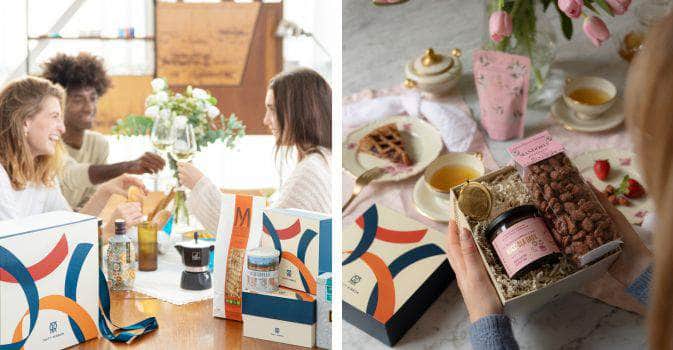
Spring arrives with a particular magic in Italy, where centuries-old traditions meet artisanal craftsmanship in the most delicious ways. As markets overflow with colorful displays and pasticcerie windows showcase their finest work, easter chocolate becomes more than a sweet treat. It transforms into an art form, a cultural expression, and a vehicle for connection. Whether you're seeking to honor Italian traditions or discover new ways to celebrate the season, understanding the depth and beauty behind these confections opens up a world of meaningful gift-giving and indulgent moments.
The Italian Approach to Easter Chocolate
In Italy, easter chocolate isn't simply grabbed off a grocery store shelf. It's selected with intention, often from trusted cioccolatieri whose families have perfected recipes over generations. The tradition centers around the uovo di Pasqua, or Easter egg, which can range from modest palm-sized creations to show-stopping sculptures weighing several kilograms.
What distinguishes Italian easter chocolate is the attention to quality ingredients and craftsmanship. Artisans source fine cacao, often single-origin varieties that showcase distinct flavor profiles. The chocolate itself tells a story through its snap, sheen, and melt.
Regional Variations Across the Boot
Italy's regional diversity extends beautifully into chocolate traditions:
-
Piedmont: Home to gianduia, the hazelnut-chocolate blend born in Turin, influencing local Easter creations
-
Sicily: Incorporates pistacchio from Bronte and citrus notes into seasonal chocolates
-
Tuscany: Features chocolate paired with local ingredients like vin santo and almond
-
Campania: Often includes limoncello-infused ganaches and Amalfi lemon zest
Each region brings its terroir and history to the Easter table, creating chocolate experiences that reflect local character and pride.
The Art of the Chocolate Egg
The chocolate bunny might dominate Easter traditions elsewhere, but in Italy, the egg reigns supreme. This isn't arbitrary symbolism. Eggs have represented renewal and life across cultures for millennia, making them perfect vessels for spring celebrations.
Italian chocolate eggs arrive in two primary styles: hollow eggs with surprises tucked inside, and solid chocolate creations meant for savoring slowly. The hollow eggs contain everything from small toys to jewelry, creating an element of anticipation and delight.
| Egg Style |
Characteristics |
Best For |
| Hollow (Uovo Vuoto) |
Light, contains surprise, wrapped in colorful foil |
Families with children, playful gifting |
| Solid (Uovo Pieno) |
Dense, rich chocolate, showcases quality |
Serious chocolate lovers, elegant presentations |
| Decorative |
Hand-painted, artistic details, collectible |
Display pieces, luxury gifting |
The craftsmanship involved in creating larger eggs is remarkable. Artisans must temper chocolate precisely to achieve that perfect glossy finish and satisfying snap. The joining of two halves requires skill to ensure seamless edges.
Beyond Traditional Shapes
Modern Italian chocolatiers honor tradition while embracing creativity. You'll find eggs adorned with:
- Hand-painted designs inspired by Renaissance art
- Embedded edible flowers and gold leaf
- Textured surfaces mimicking natural patterns
- Flavor combinations like cardamom-orange or rosemary-sea salt
These innovations reflect Italy's ability to respect heritage while remaining wonderfully contemporary.
Quality Ingredients Make the Difference
Walk into any respected Italian cioccolateria, and you'll immediately sense the difference. The aroma alone tells you these aren't industrial chocolates pumped out by the thousands. The commitment to authentic ingredients elevates easter chocolate from ordinary to extraordinary.
Premium Italian chocolate makers source cacao from ethical, sustainable farms. They understand that chocolate quality begins long before the confection reaches the wrapper. Single-origin cacao from Ecuador, Madagascar, or Venezuela each brings distinct notes: fruity, floral, earthy, or nutty.
The inclusion of traditional Italian ingredients creates bridges between chocolate craft and regional food culture:
- Sicilian almonds from Noto or Avola
- Piedmont hazelnuts with protected designation status
- Modena balsamic for unexpected savory-sweet notes
- Extra virgin olive oil from Tuscany or Puglia
When you taste easter chocolate crafted with these ingredients, you're experiencing layers of Italian agricultural excellence in a single bite.
The Role of Artisan Chocolatiers
Italy's artisan chocolate makers, like those featured in Tasty Ribbon's collection, dedicate themselves to perfection. These aren't faceless corporations. They're families, often spanning multiple generations, who view chocolate-making as both craft and calling.
Consider the process: selecting beans, roasting to precise temperatures, grinding to ideal particle sizes, conching for hours to develop smoothness, tempering with mathematical precision. Each step influences the final product's flavor, texture, and appearance. Artisans adjust their techniques based on seasonal humidity, bean variations, and intended flavor profiles.
Easter Chocolate as a Language of Gift-Giving
Italians understand that gifts communicate what words sometimes cannot. Easter chocolate becomes a messenger of affection, gratitude, and connection. The selection process itself is thoughtful, matching the gift to the recipient's preferences and the relationship's nature.
For family members, large decorated eggs create focal points for Easter gatherings. Children anticipate the surprise inside, while adults appreciate the quality chocolate that follows the unwrapping excitement.
For colleagues and business relationships, more sophisticated options work beautifully. Dark chocolate with sea salt, milk chocolate with hazelnuts, or elegantly packaged assortments convey professionalism while maintaining warmth. Corporate gifting during Easter offers opportunities to strengthen business relationships through culturally meaningful gestures.
For distant friends and family, sending easter chocolate bridges geographical gaps. It says, "I'm thinking of you during this special season," with tangible sweetness that crosses borders.
Creating Memorable Presentations
Italians excel at presentation, understanding that how something looks enhances how it tastes. Easter chocolate arrives wrapped in:
-
Vibrant foils in pastels or jewel tones that catch light beautifully
-
Ribbons and bows that beg to be carefully untied
-
Decorative boxes worth keeping long after the chocolate disappears
-
Personalized cards adding intimate touches to packaged beauty
The unboxing experience matters. It extends the pleasure beyond consumption into ceremony and memory-making.
Pairing Easter Chocolate with Italian Traditions
Easter in Italy encompasses more than chocolate alone. It's woven into a tapestry of culinary traditions, family gatherings, and seasonal rituals. Understanding how easter chocolate fits within this broader context enriches appreciation.
Traditional Easter Foods
While other cultures focus on different specialties like hot cross buns, Italy brings its own delicious traditions to the table:
-
Colomba Pasquale: Dove-shaped sweet bread similar to panettone, often served alongside chocolate
-
Pastiera Napoletana: Neapolitan wheat and ricotta pie, providing creamy contrast to chocolate's richness
-
Casatiello: Savory bread with cheese and cured meats, balancing sweet Easter treats
-
Lamb dishes: Symbolizing renewal, typically served as the main course
Easter chocolate provides the sweet conclusion to these elaborate meals, or appears during mid-afternoon gatherings when family extends the celebration with coffee and conversation.
The Easter Basket Tradition
The tradition of the Easter basket has deep roots, though Italian interpretations differ from those elsewhere. Rather than plastic grass and jellybeans, Italian baskets might contain:
- Small chocolate eggs wrapped individually
- Cioccolatini (fine chocolates) in various flavors
- Torrone or other traditional sweets
- Fresh flowers symbolizing spring's arrival
- Hand-written notes or blessing cards
These baskets become treasured gifts, especially meaningful when shared across generations.
Modern Trends in Easter Chocolate
Italian chocolate artisans balance respect for tradition with innovation, creating easter chocolate that honors the past while embracing contemporary preferences. This evolution keeps traditions vibrant and relevant for new generations.
Health-Conscious Options
The wellness movement hasn't bypassed Easter celebrations. Chocolatiers now offer:
-
Higher cacao percentages (70%, 80%, even 90%) with less sugar
-
Alternative sweeteners like coconut sugar or stevia
-
Dairy-free versions using almond, oat, or coconut milk
-
Organic and fair-trade certified options for conscious consumers
These choices don't compromise on flavor. In fact, they often showcase cacao's natural complexity more prominently.
Flavor Innovation
Contemporary Italian chocolatiers experiment boldly:
| Flavor Profile |
Ingredients |
Experience |
| Herbaceous |
Rosemary, thyme, lavender |
Aromatic, sophisticated |
| Spiced |
Chili, ginger, cardamom |
Warming, complex |
| Citrus-Forward |
Bergamot, blood orange, lemon |
Bright, refreshing |
| Savory-Sweet |
Sea salt, olive oil, balsamic |
Unexpected, balanced |
These innovations attract adventurous palates while maintaining the quality standards Italian artisans demand.
Sustainability and Ethical Sourcing
Modern consumers increasingly ask where their food comes from and how it's produced. Italian artisan chocolatiers have responded by prioritizing transparency and ethical practices in their easter chocolate production.
Direct Trade Relationships
Many Italian chocolate makers establish direct relationships with cacao farmers, ensuring:
- Fair compensation for agricultural labor
- Investment in farming communities
- Quality control from bean to bar
- Environmental sustainability practices
- Preservation of heirloom cacao varieties
These relationships benefit everyone involved. Farmers receive stable income and support. Chocolatiers secure consistent, high-quality cacao. Consumers enjoy superior chocolate while supporting ethical business practices.
Packaging Considerations
The beautiful packaging that makes Easter chocolate special doesn't have to harm the environment. Progressive chocolatiers now use:
- Recyclable or compostable materials
- Reduced plastic components
- Natural dyes and inks
- Reusable boxes and tins
- Minimal excess packaging
This approach aligns with Italian values of resourcefulness and respect for nature.
Creating Your Own Easter Chocolate Experience
You don't need to be in Italy to create meaningful Easter chocolate traditions. Bringing Italian artisan chocolate into your celebrations connects you to centuries of craftsmanship and cultural richness, wherever you call home.
Selecting Quality Chocolate
When choosing easter chocolate, consider these factors:
Cacao percentage: Higher percentages offer intensity, while lower percentages provide creamier sweetness. Match this to recipient preferences.
Origin information: Single-origin chocolates tell stories about specific regions and their unique flavor characteristics.
Ingredient lists: Shorter lists typically indicate higher quality. Look for cacao, cacao butter, sugar, and perhaps vanilla or lecithin. Avoid excessive additives.
Maker information: Knowing who crafted your chocolate adds meaning. Artisan makers often share their philosophies and techniques, deepening your appreciation.
Building Easter Gift Boxes
Creating festive gift baskets that feature easter chocolate alongside complementary Italian products elevates the gifting experience:
-
Start with chocolate as your centerpiece: eggs, bars, or assortments
-
Add complementary flavors: biscotti, torrone, or fruit preserves
-
Include beverage pairings: Italian coffee, tea, or dessert wine
-
Enhance presentation: fresh flowers, elegant ribbon, personalized notes
-
Consider practicality: include items that extend enjoyment beyond chocolate alone
The result becomes greater than the sum of its parts, creating a complete sensory experience.
The Joy of Sharing Easter Chocolate
Perhaps easter chocolate's greatest gift isn't the chocolate itself, but the moments it creates. Breaking open an egg together, sharing individual pieces around a table, sending a thoughtful package to someone far away-these acts strengthen bonds and create lasting memories.
In Italian culture, food always serves connection. It gathers people, sparks conversation, and expresses care. Easter chocolate continues this beautiful tradition, offering sweetness in both literal and metaphorical senses.
For Special Occasions Beyond Easter
While easter chocolate peaks during spring celebrations, the same quality and craftsmanship translates beautifully to other occasions:
-
Spring birthdays become more special with artisan chocolate
-
Mother's Day pairs perfectly with Italian gourmet selections
-
Spring weddings might feature chocolate favors or dessert tables
-
Business milestones deserve luxury gift packages showcasing Italian excellence
The versatility of fine chocolate ensures it enhances any meaningful moment.
Teaching the Next Generation
Sharing easter chocolate traditions with children creates opportunities to teach valuable lessons about quality, craftsmanship, and cultural appreciation. When children understand that real chocolate comes from cacao trees, that artisans dedicate years to perfecting their craft, and that different regions create distinct flavors, they develop deeper connections to what they consume.
These lessons extend beyond chocolate to broader values: appreciation for skilled work, respect for cultural traditions, understanding of global connections, and recognition of quality over quantity.
Storage and Enjoyment Tips
Premium easter chocolate deserves proper care to maintain its quality from purchase through final delicious bite. Italian artisan chocolate contains fewer preservatives than industrial varieties, making proper storage essential.
Temperature control matters most. Store chocolate between 60-70°F, away from direct sunlight and heat sources. Avoid refrigeration unless absolutely necessary, as condensation can create sugar bloom (white spots that don't affect safety but impact appearance).
Humidity considerations protect chocolate's texture. Keep it in dry environments, ideally around 50% relative humidity. Excessive moisture can cause texture changes and reduce shelf life.
Proper wrapping preserves freshness. Keep chocolate in its original packaging or transfer to airtight containers. This prevents absorption of other food odors, which chocolate readily takes on.
Tasting Like a Connoisseur
To fully appreciate artisan easter chocolate:
- Allow chocolate to reach room temperature before tasting
- Observe appearance: glossy finish, clean edges, attractive color
- Listen to the snap when breaking a piece
- Note the aroma before tasting
- Let chocolate melt slowly on your tongue rather than chewing immediately
- Notice flavor evolution from first taste through finish
This mindful approach transforms chocolate consumption into chocolate appreciation, honoring the artisan's work.
Easter chocolate represents far more than seasonal candy. It embodies Italian artisanal excellence, cultural traditions, and the universal language of thoughtful gift-giving. Whether you're celebrating your own Easter traditions or seeking meaningful ways to connect with others, authentic Italian chocolate brings beauty, quality, and joy to the occasion. Discover how Tasty Ribbon can help you share these authentic Italian experiences through carefully curated selections from master chocolatiers and artisan food makers, bringing the heart of Italy to your celebrations with impeccable presentation and uncompromising quality.