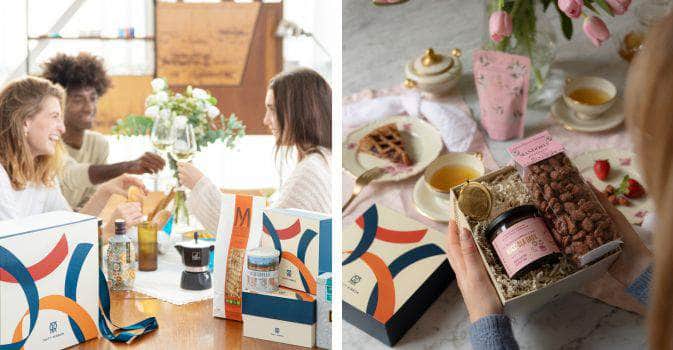
The best events linger in memory long after the final toast, and thoughtful event gifting plays a vital role in creating those lasting impressions. Whether you're planning a corporate conference, celebrating a milestone anniversary, or hosting an intimate gathering, the gifts you choose become tangible reminders of the experience you've crafted. In 2026, event gifting has evolved beyond generic swag bags and logo-emblazoned trinkets to embrace authenticity, personalization, and the kind of quality that truly honors your guests. This shift reflects a deeper understanding: the right gift doesn't just acknowledge attendance-it extends hospitality, communicates values, and creates emotional connections that endure.
Understanding the Modern Landscape of Event Gifting
Event gifting has transformed dramatically over the past few years, driven by changing expectations and a renewed appreciation for quality over quantity. According to the IRF 2025 Trends Report, organizations are increasingly prioritizing memorable experiences and meaningful gifts that recipients actually want to keep and use. This represents a fundamental shift in how planners approach their gifting budgets and strategies.
The pandemic accelerated trends that were already emerging: a preference for items that bring genuine joy, support for artisan makers, and an emphasis on sustainability. Today's event attendees have discerning tastes shaped by direct-to-consumer brands, curated subscription boxes, and a heightened awareness of where products come from and how they're made.
The Psychology Behind Meaningful Gifts
When you present a thoughtfully chosen gift at an event, you're doing more than fulfilling a social obligation. You're creating a moment of delight, demonstrating that you understand and value the recipient, and establishing a positive association with your brand or celebration. Research consistently shows that gifts with genuine utility or emotional resonance generate stronger feelings of appreciation and reciprocity than expensive items that lack personal relevance.
The most effective event gifting considers the full sensory experience: how the package looks when received, the pleasure of unwrapping, the quality of materials, and the ongoing enjoyment the gift provides. This multisensory approach mirrors the principles of Italian hospitality, where every detail contributes to an atmosphere of warmth and generosity.
Strategic Planning for Event Gifting Success
Successful event gifting begins months before your actual event, not days. Start by defining clear objectives: Are you building brand awareness? Expressing gratitude? Creating conversation starters? Your goals will shape every subsequent decision, from budget allocation to product selection.
Budget Considerations and Tax Implications
Understanding the financial framework for event gifting helps you maximize impact while maintaining fiscal responsibility. In the United States, IRS Publication 463 specifies that business gift deductions are limited to $25 per person per year, though there are nuances and exceptions worth discussing with your accountant. This threshold shouldn't necessarily cap your spending-the relationship-building value often exceeds the tax deduction-but it's important context for financial planning.
Recent industry analysis shows that tight budgets are reshaping incentives and event gifting strategies across sectors. Smart planners are responding by focusing on perceived value rather than actual cost, choosing gifts that feel luxurious and special even at accessible price points.
Consider this budget allocation framework:
| Event Type |
Typical Gift Budget per Person |
Priority Focus |
| Large Conference (100+ attendees) |
$15-35 |
Brand visibility, practical utility |
| Executive Retreat (20-50 attendees) |
$75-150 |
Premium quality, personalization |
| VIP Client Event (under 20 attendees) |
$150-300+ |
Exceptional uniqueness, luxury experience |
| Employee Recognition |
$50-100 |
Personalization, emotional resonance |
Timing and Logistics
The logistics of event gifting deserve careful attention. Will gifts be presented during the event, shipped afterward, or provided upon arrival? Each approach has distinct advantages. In-event presentation creates a shared moment of appreciation, while post-event delivery extends the experience and allows for personalization based on preferences gathered during registration.
For food-based gifts like curated Italian gourmet selections, shipping considerations become particularly important. Temperature-sensitive items require expedited delivery and appropriate packaging. Understand your shipping options early in the planning process to avoid last-minute complications.
Choosing Gifts That Reflect Authenticity and Quality
The shift toward authentic, artisan-crafted gifts represents one of the most significant trends in modern event gifting. Attendees increasingly value items with genuine stories-products made by real people using traditional techniques and quality ingredients. This preference aligns beautifully with the Italian artisan tradition, where craftsmanship and heritage create inherent value beyond the physical product.
The Rising Demand for Artisan Products
According to recent guidance on sourcing artisan gifts, event planners report that locally crafted and culturally authentic items generate more positive feedback than mass-produced alternatives. This trend reflects broader consumer values: supporting small producers, reducing environmental impact, and connecting with authentic cultural traditions.
Italian gourmet products embody these values perfectly. When you gift a carefully curated selection of Parmigiano Reggiano aged in traditional caves, extra virgin olive oil from family-owned Puglian groves, or artisan pasta made using centuries-old techniques, you're offering more than food-you're sharing a connection to place, tradition, and the passionate makers who refuse to compromise on quality.
For businesses seeking to make a lasting impression through premium, authentic selections, corporate gifting services that specialize in artisan products can help source and customize gifts that truly reflect your brand values and respect for your recipients.
Personalization at Scale
Personalization has become a non-negotiable expectation in event gifting, but achieving it at scale presents challenges. Technology offers solutions: platforms now enable recipients to select preferences, dietary restrictions, or even swap items within a curated collection. This approach to personalized gifting balances efficiency with individual consideration.
Even without sophisticated technology, thoughtful personalization is achievable. Consider these approaches:
- Include handwritten notes mentioning specific conversations or connections
- Offer selections based on dietary preferences (vegan, gluten-free, etc.) gathered during registration
- Create themed collections aligned with different interests or roles within your organization
- Add monogrammed elements or custom packaging that references the event theme
For gourmet food gifts, personalization might mean selecting products that accommodate various dietary needs while maintaining exceptional quality. A thoughtfully assembled vegan gift collection can be just as indulgent and memorable as any traditional selection when it features premium olive oils, artisan pasta, and exceptional preserves.
Sustainability and Ethical Considerations in Event Gifting
Environmental consciousness has moved from nice-to-have to essential in event gifting. Recipients increasingly evaluate gifts through a sustainability lens, considering packaging waste, carbon footprint, and the ethical practices of producers. This scrutiny isn't superficial virtue signaling-it reflects genuine values that influence brand perception and relationship quality.
Reducing Waste and Environmental Impact
The Loop & Tie Impact Report reveals significant data on waste reduction through thoughtful gifting practices. Traditional swag bags generate massive waste, with studies suggesting up to 70% of promotional items end up discarded within months. By contrast, consumable gifts, especially premium food items, combine zero long-term waste with genuine enjoyment.
Italian gourmet products offer inherent sustainability advantages:
-
Consumable nature: No long-term waste or storage burden
-
Traditional production: Often uses less energy-intensive methods than industrial manufacturing
-
Quality over quantity: Premium items encourage savoring rather than disposing
-
Minimal processing: Many artisan Italian products rely on simple, time-honored techniques
When sourcing event gifts, inquire about packaging materials, shipping methods, and producer practices. Many Italian artisans have maintained sustainable practices for generations-not as a marketing strategy, but as fundamental respect for their land and resources.
Supporting Small Producers and Ethical Supply Chains
Event gifting presents an opportunity to support economic models that value people and planet alongside profit. When you choose products from small Italian artisans, you're typically supporting family businesses, traditional skills, and rural economies. This creates a compelling narrative to share with recipients, transforming a simple gift into a story of positive impact.
Transparency matters here. Share information about the makers: the family that has pressed olive oil for four generations, the pasta maker who sources grain from neighboring farms, the cheese producer aging Parmigiano Reggiano in the traditional manner. These stories add depth and meaning that recipients genuinely appreciate.
Integrating Event Gifting Into the Overall Experience
Event gifting works best when integrated seamlessly into your event's broader narrative and objectives. Rather than treating gifts as an afterthought or obligation, consider how they can enhance themes, reinforce messages, and extend the event experience beyond its temporal boundaries.
Aligning Gifts With Event Themes and Goals
If your event celebrates innovation, choose gifts that showcase innovative production methods or surprising flavor combinations. For events focused on tradition and heritage, lean into time-honored products made using ancestral techniques. A wellness-focused gathering calls for gifts that support health and mindfulness, while creative conferences might feature artisan products that inspire sensory exploration.
This alignment creates coherence that amplifies your event's impact. When every element-from venue selection to gift curation-reflects consistent values and aesthetics, attendees experience a more powerful and memorable event.
Presentation and Unboxing Experience
The moment of receiving a gift carries significant emotional weight. Invest in presentation: quality packaging, thoughtful arrangement, and clear information about what's included and why you chose it. The unboxing experience has become a phenomenon in consumer culture for good reason-it transforms a transaction into a ritual, building anticipation and delight.
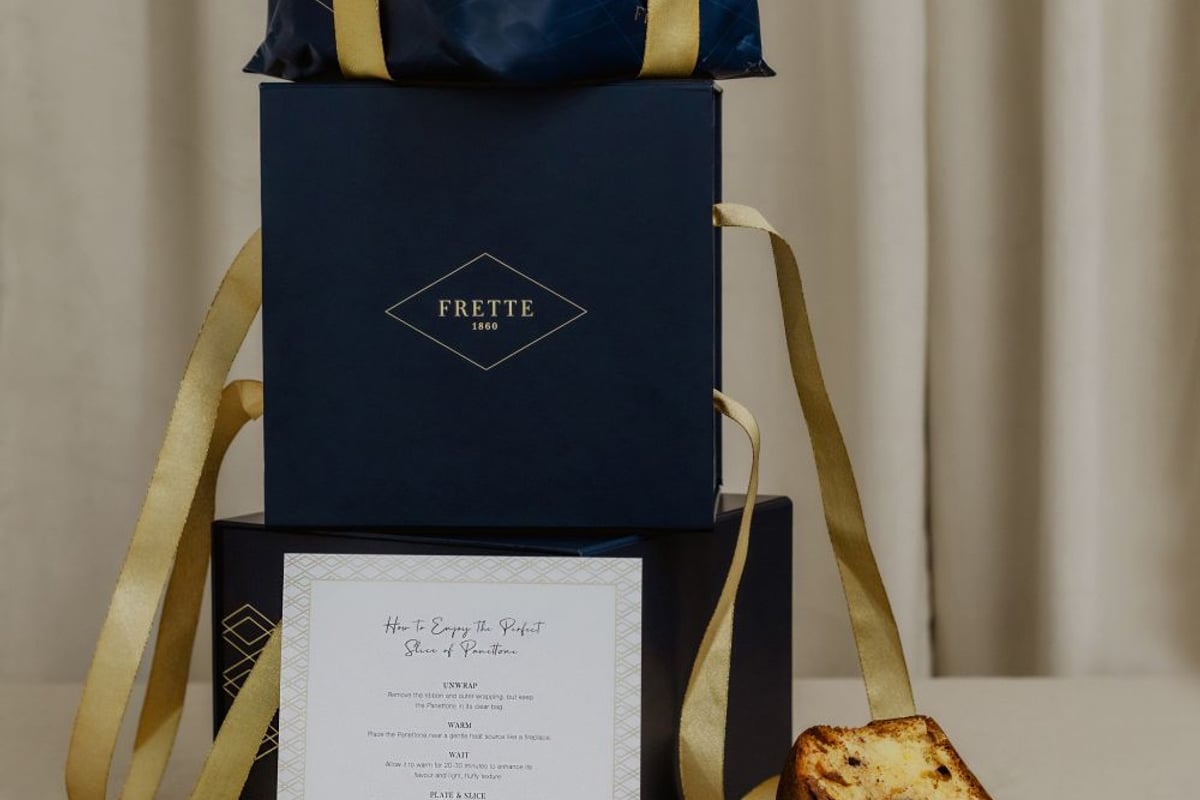
For gourmet Italian gift collections, presentation becomes part of the sensory journey. Beautiful packaging hints at the quality within, while descriptive cards explaining each product's origin and suggested uses enhance appreciation. This attention to detail demonstrates care and elevates the perceived value of your gift.
Cultural Sensitivity and Inclusive Event Gifting
As events become more diverse and international, cultural sensitivity in gifting grows increasingly important. What delights one recipient might inadvertently offend another, and assumptions about preferences can undermine your gifting intentions.
Navigating Dietary Restrictions and Preferences
Food-based event gifting requires particular attention to dietary needs. According to SHRM research on rewards programs, inclusive recognition that accommodates individual needs significantly impacts engagement and satisfaction. The same principle applies to event gifting.
Best practices include:
-
Gather information proactively: Include dietary preference questions in event registration
-
Offer genuine choices: Provide equally appealing options across dietary categories
-
Label clearly: Identify allergens, ingredients, and certifications transparently
-
Avoid assumptions: Don't assume dietary needs based on demographics
Italian cuisine's diversity supports inclusive gifting remarkably well. The same culinary tradition that created Parmigiano Reggiano also produces exceptional vegan spreads, gluten-free options, and products suitable for various religious dietary laws.
Global Considerations and Shipping
For international events or recipients, navigate customs regulations, shipping restrictions, and cultural gift-giving norms. Some countries restrict food imports, while others have gift-giving traditions that influence how your gesture will be received. Research these considerations early to avoid complications or unintended messages.
Measuring the Impact of Event Gifting
Like any strategic investment, event gifting benefits from measurement and evaluation. While the impact isn't always immediately quantifiable, several metrics can help assess effectiveness and guide future decisions.
Quantitative Metrics
-
Response rates: Thank-you notes, social media mentions, or survey feedback
-
Retention and repeat attendance: Do thoughtful gifts correlate with higher return rates?
-
Referral generation: Are gift recipients more likely to recommend your events?
-
Brand sentiment: Pre- and post-event brand perception surveys
Qualitative Indicators
Beyond numbers, pay attention to the quality of feedback. Do recipients mention specific products they loved? Do gifts generate conversations or social sharing? Are you hearing stories about how recipients used or enjoyed the gifts months later?
Industry data from Sales & Marketing Management suggests that gifts emphasizing quality and uniqueness generate significantly more positive brand associations than generic promotional items, even at comparable price points.
Emerging Trends Shaping Event Gifting in 2026
Event gifting continues evolving in response to technological capabilities, cultural shifts, and changing expectations. Understanding these trends helps you stay ahead and create truly contemporary gifting experiences.
Technology-Enabled Customization
Digital platforms now enable sophisticated customization at scale. Recipients can select specific items from curated collections, swap products to match preferences, or even choose delivery timing. This technology respects individual autonomy while maintaining the curator's expertise and brand standards.
Some planners are experimenting with augmented reality experiences that accompany physical gifts, creating hybrid experiences that blend tangible pleasure with digital storytelling. Imagine receiving a box of Italian artisan products alongside AR content showing the olive groves, cheese caves, and pasta workshops where your gifts originated.
Experience-Enhanced Gifts
The boundary between gifts and experiences continues blurring. Event gifting increasingly includes access codes for virtual cooking classes, recipes from celebrated Italian chefs, or guided tasting notes that transform consumable gifts into educational experiences. These enhancements extend engagement and increase perceived value without substantially increasing costs.
Consider pairing curated gourmet selections with preparation guides, pairing suggestions, or even virtual gatherings where recipients cook together using their gifted ingredients.
| Trend |
Description |
Best For |
| Hybrid Physical-Digital |
Gifts paired with AR, apps, or virtual experiences |
Tech-forward audiences, younger demographics |
| Radical Transparency |
Detailed supply chain and maker information |
Sustainability-conscious groups, B-Corp events |
| Flexible Redemption |
Recipients choose delivery timing or swap items |
Geographically dispersed attendees, dietary diversity |
| Artisan Collaboration |
Limited-edition products created specifically for your event |
High-value events, brand differentiation |
| Wellness Focus |
Gifts supporting physical, mental, or emotional health |
Healthcare conferences, wellness retreats |
The Return of Handcrafted and Local
Despite technological advances, the pendulum has swung toward appreciation for handcrafted, locally produced items. This "return to craft" values the imperfect, the unique, and the story-rich over industrial uniformity. Italian artisan products align perfectly with this trend, offering centuries of craft tradition combined with regional distinctiveness.
This preference extends beyond products to packaging and presentation. Hand-tied ribbons, natural materials, and artisan packaging create a sense of care and attention that mass production cannot replicate. These details communicate that you invested not just money but thought and effort into selecting something truly special.
Building Long-Term Gifting Strategies
Rather than approaching each event in isolation, develop a cohesive gifting strategy that builds recognition and anticipation over time. Regular event attendees or long-term business relationships benefit from thoughtful progression in your gifting approach.
Creating Signature Gifting Moments
Some organizations develop signature gifts that become anticipated traditions. This might be an annual selection featuring seasonal Italian specialties, a curated collection that evolves each year while maintaining core elements, or a progression through Italian regions, showcasing different artisan traditions at each event.
Signature gifting creates continuity and brand recognition while allowing for creativity within an established framework. Recipients come to expect and appreciate your consistent commitment to quality and thoughtfulness.
Scaling Without Losing Authenticity
As your events grow, maintaining the personal touch becomes more challenging but no less important. The solution lies in systematic personalization: creating frameworks that enable individual consideration at scale. This might mean offering several curated collection options based on preferences, including personalized notes that reference specific interactions, or developing relationships with artisan partners who can accommodate larger orders without compromising quality.
For businesses managing corporate gift options across multiple events throughout the year, establishing relationships with reliable suppliers who share your values becomes crucial. Look for partners who understand the importance of presentation, timing, and quality consistency.
Practical Implementation Steps
Transforming event gifting philosophy into practice requires systematic planning and execution. Follow this roadmap to ensure successful implementation:
-
Define objectives and budget (3-4 months before event)
-
Research and vet potential products or partners (2-3 months out)
-
Create mock-ups and test packaging (6-8 weeks out)
-
Finalize orders and confirm delivery schedules (4 weeks out)
-
Prepare presentation materials and instructions (2 weeks out)
-
Execute delivery or distribution (event week)
-
Gather feedback and measure impact (1-2 weeks post-event)
-
Document learnings for future events (ongoing)
This timeline assumes standard lead times; custom products or international shipping may require earlier starts. Build buffer time for unexpected delays or last-minute adjustments.
Event gifting has evolved into a sophisticated practice that honors recipients, communicates values, and creates lasting impressions extending far beyond the event itself. By choosing authentic, quality products-particularly artisan Italian specialties that embody tradition, craftsmanship, and genuine excellence-you transform ordinary gestures into meaningful expressions of hospitality and appreciation. Whether you're planning a corporate gathering, celebrating a special occasion, or expressing gratitude to valued partners, Tasty Ribbon offers carefully curated Italian gourmet gifts that combine impeccable quality with the kind of thoughtful presentation that makes every recipient feel genuinely valued. Explore our collections to discover how authentic Italian artisan products can elevate your next event gifting experience.