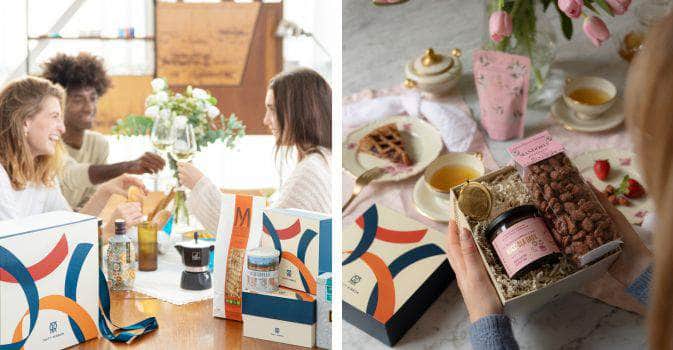
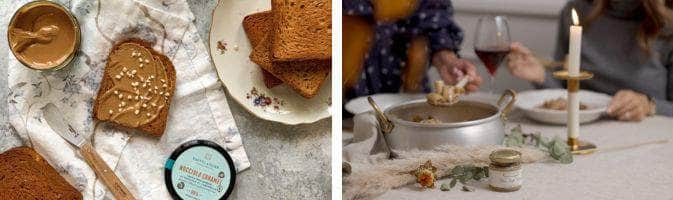
A foodie hamper represents more than just an arrangement of edible items. It tells a story, evokes memories of shared meals, and connects the recipient to culinary traditions that have been perfected over generations. When curated thoughtfully, these collections of gourmet delights become expressions of care and appreciation, transforming the simple act of giving into an experience that engages all the senses. The best versions celebrate authenticity, quality, and the artisans who dedicate their lives to perfecting their craft.
Understanding the Modern Foodie Hamper
The concept of a foodie hamper has evolved significantly from traditional wicker baskets filled with generic items. Today's gourmet collections reflect personal tastes, dietary preferences, and cultural connections that make each gift unique.
Contemporary foodie hampers focus on several key elements:
- Quality over quantity, with carefully selected artisanal products
- Regional authenticity that honors culinary traditions
- Thoughtful presentation that enhances the unboxing experience
- Sustainable and ethical sourcing practices
- Personalization options that reflect the recipient's preferences
The shift toward meaningful gifting has transformed how we approach these collections. Rather than assembling random gourmet items, the emphasis now falls on creating cohesive experiences. A well-designed foodie hamper might transport someone to the sun-drenched hills of Tuscany or the bustling markets of Sicily, all through carefully chosen ingredients that work together harmoniously.
The Italian Advantage in Gourmet Collections
Italian food culture offers unparalleled depth for anyone creating a memorable foodie hamper. The country's diverse regions each contribute distinctive products, from Parmigiano Reggiano aged in the caves of Emilia-Romagna to extra virgin olive oil pressed from centuries-old groves in Puglia. This regional diversity allows for endless combinations that educate and delight recipients.
What sets Italian gourmet products apart is the dedication to traditional methods. Many artisans still follow techniques passed down through generations, refusing to compromise quality for efficiency. This commitment to craft results in products with complexity and character that mass-produced alternatives simply cannot match.
Building Your Perfect Gourmet Collection
Creating an exceptional foodie hamper requires understanding both the products themselves and how they complement each other. The process involves selecting items that tell a cohesive story while offering variety in flavors, textures, and uses.
| Element |
Purpose |
Examples |
| Foundation Item |
Centerpiece that anchors the collection |
Artisanal pasta, aged cheese, premium olive oil |
| Complementary Products |
Items that enhance the main ingredient |
Sauces, condiments, seasonings |
| Finishing Touches |
Special additions that elevate the experience |
Truffles, specialty vinegars, artisan chocolates |
| Practical Elements |
Tools or accessories that enhance enjoyment |
Cheese knives, serving dishes, recipe cards |
The foundation item should reflect the recipient's tastes while introducing them to exceptional quality. Perhaps it's a bronze-die extruded pasta that holds sauce beautifully, or a wheel of aged Pecorino Romano with crystalline texture that speaks to years of careful aging. This anchor piece sets the tone for everything else in the collection.
Seasonal Considerations and Timing
The time of year significantly influences which products work best in a foodie hamper. Spring might call for lighter fare such as citrus-infused olive oils and fresh herb preserves, while winter welcomes rich chocolate truffles and hearty pasta shapes designed for robust sauces.
Understanding foodie hamper trends for 2025 reveals growing interest in sustainable, locally sourced products that reflect environmental consciousness. Recipients increasingly value knowing the story behind each item, from the artisan who crafted it to the traditional methods employed.
Temperature and shipping conditions also matter. Delicate items like fresh burrata or soft cheeses require special handling, while shelf-stable pantry staples like dried pasta, cured meats, and preserved vegetables travel well across distances. This consideration becomes particularly important when shipping during warmer months.
Artisanal Italian Products That Transform Hampers
The soul of any Italian-inspired foodie hamper lies in its artisanal products. These items carry generations of knowledge, regional pride, and unwavering dedication to quality that mass-produced alternatives cannot replicate.
Pasta and Sauces: The Heart of Italian Cuisine
Few ingredients speak to Italian culinary tradition more eloquently than pasta. Not all pasta is created equal, though. Artisanal versions made with heritage grains and bronze dies offer texture that grabs and holds sauce, creating the perfect marriage of flavors in every bite.
Pairing exceptional pasta with authentic sauces elevates a foodie hamper from pleasant to memorable. A traditional basil pesto made in Genova, where the practice originated, brings together Ligurian basil, pine nuts, aged Parmigiano Reggiano, and the finest olive oil. The resulting sauce captures the essence of the Mediterranean coast in a single spoonful.
For those assembling good food gift baskets, combining multiple pasta shapes with complementary sauces offers versatility. Spaghetti pairs beautifully with lighter, oil-based preparations, while twisted shapes like fusilli or trofie grip chunky, vegetable-rich sauces. Including variety allows recipients to experiment and discover their preferences.
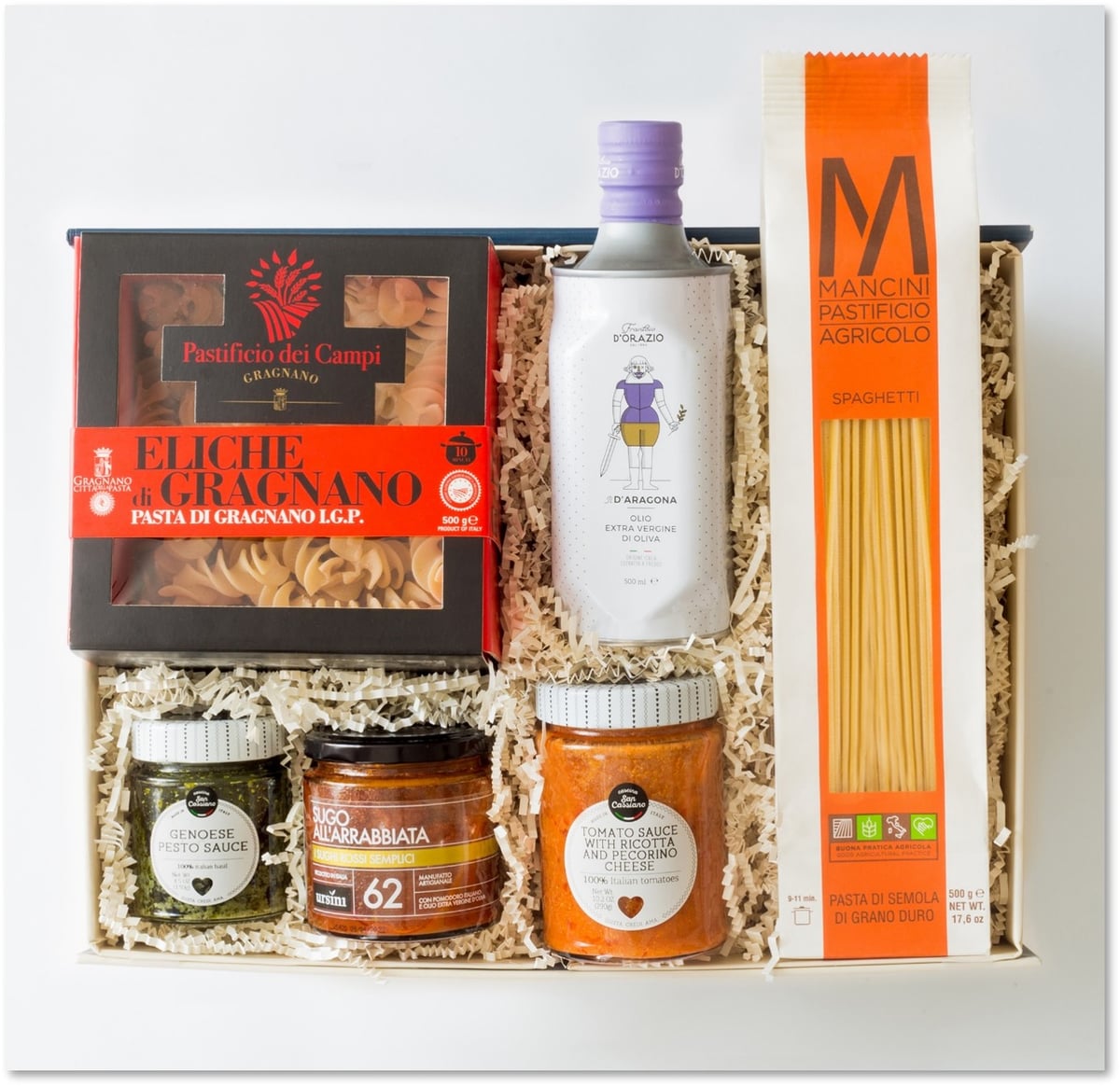
Popular sauce varieties for gourmet collections include:
- Tomato and basil sauce from San Marzano tomatoes
- Arrabbiata with Calabrian chili peppers
- Puttanesca featuring capers and olives
- Ricotta and pecorino cream sauce
- Truffle-infused sauces for special occasions
Olive Oil: Liquid Gold of the Mediterranean
Extra virgin olive oil serves as the foundation of Italian cooking, yet the quality varies dramatically. Single-estate oils pressed from specific olive varieties offer complexity and character that generic blends cannot match. The peppery finish of a robust Tuscan oil contrasts beautifully with the gentle, fruity notes of oils from southern regions.
Including premium olive oil in a foodie hamper introduces recipients to the importance of this ingredient. Many people have only experienced industrial oils that lack the vibrant, fresh flavors of properly produced extra virgin varieties. The revelation of tasting true quality often transforms how they approach cooking.
Thematic Approaches to Hamper Design
Creating a cohesive theme helps focus your foodie hamper and makes the selection process more manageable. Themes can revolve around regions, cooking styles, specific meals, or dietary preferences.
Regional Italian Collections
Italy's twenty regions each offer distinctive culinary traditions. A Sicilian-themed hamper might feature blood orange preserves, pistachio products from Bronte, capers from the Aeolian Islands, and artisanal pasta from Gragnano. This approach educates recipients about regional specialties while providing a curated tasting journey.
Northern Italian collections could emphasize products from Piedmont and Lombardy, including hazelnuts, risotto rice varieties, and aged balsamic vinegar from Modena. The cooler climate of these regions produces different ingredients than sun-soaked southern areas, offering contrasting flavor profiles.
For those interested in culinary trends shaping 2025, hyper-local sourcing and transparency about product origins continue gaining importance. Highlighting specific artisan producers and their methods aligns perfectly with this movement.
Meal-Specific Collections
Organizing a foodie hamper around specific dining occasions provides clear direction for both giver and recipient. Breakfast-focused collections might include artisanal jams, honey, granola, and premium coffee, while aperitivo hampers feature olives, taralli, cheese, and Italian sodas.
| Meal Type |
Key Components |
Occasion |
| Breakfast |
Coffee, preserves, honey, baked goods |
Leisurely weekend mornings |
| Aperitivo |
Olives, crackers, spreads, beverages |
Pre-dinner gathering |
| Pasta Night |
Pasta, sauces, cheese, olive oil |
Weeknight dinner or entertaining |
| Dessert |
Chocolate, cookies, sweet spreads, digestifs |
After-dinner indulgence |
The beauty of meal-specific collections lies in their immediate usability. Recipients don't need to plan how to use the items-the purpose is clear and inviting. This approach works particularly well for gift baskets for him or anyone who appreciates straightforward, practical gifts.
Dietary Consideration Collections
Modern foodie hampers must acknowledge diverse dietary needs without sacrificing quality or interest. Vegan collections can showcase the incredible variety of plant-based Italian ingredients, from vegetable-based sauces to dairy-free chocolate.
Gluten-free options have expanded dramatically in recent years. Many Italian artisans now produce exceptional gluten-free pasta using rice, corn, or legume flours that deliver satisfying texture and flavor. Pairing these with naturally gluten-free items like olive oil, cheese, and honey creates complete, thoughtful gifts.
Presentation and Packaging Matters
The visual impact of a foodie hamper contributes significantly to the recipient's experience. Thoughtful presentation demonstrates care and elevates even simple items into something special.
Effective presentation strategies include:
- Arranging items by height for visual interest
- Using natural materials like wood, fabric, or recycled paper
- Incorporating color coordination through ribbons or tissue paper
- Adding personalized touches like handwritten notes
- Ensuring secure packaging that protects during shipping
Sustainable packaging has become increasingly important. Recipients appreciate when packaging materials can be reused or recycled, aligning the gift with environmental values. Beautiful presentation doesn't require excessive waste-creativity and thoughtfulness matter more than elaborate excess.
The Unboxing Experience
Opening a well-designed foodie hamper should feel like unwrapping layers of discovery. Consider the sequence in which items are revealed. Perhaps a fragrant item like coffee or chocolate greets the recipient first, engaging their sense of smell before they've even seen everything.
Including information about each product enhances appreciation. Small cards describing the artisan, the region, or suggested uses transform the hamper into an educational experience. This approach particularly resonates with food enthusiasts who love learning about ingredients and traditions.
For those exploring how to create personalized hampers, remembering that personal touches distinguish truly memorable gifts from generic options. A handwritten note explaining why specific items were chosen, or suggestions for pairing products, demonstrates genuine thought and care.
Incorporating Culinary Experiences
A truly exceptional foodie hamper can extend beyond consumable items to include experiential elements. Recipe cards featuring the included ingredients invite recipients to engage actively with their gifts rather than simply consuming them passively.
Some hampers benefit from including tools or accessories that enhance the culinary experience. A honey dipper alongside artisanal honey, a cheese knife with aged Parmigiano Reggiano, or a pasta measure with artisanal dried pasta adds practical value while encouraging use.
For recipients who enjoy developing their skills, pairing hamper items with cooking class information or online tutorials creates lasting value. Organizations like Kochkurse MV demonstrate how cooking classes can transform ingredients into memorable experiences, teaching techniques while celebrating food culture.
Building Connections Through Food
The most meaningful foodie hampers create opportunities for connection. Items designed for sharing-a large wheel of cheese, multiple pasta varieties, or an assortment of antipasti-encourage recipients to gather friends and family, turning the gift into a social occasion.
This communal aspect aligns perfectly with Italian food culture, where meals represent more than sustenance. They're celebrations of relationships, occasions to slow down and savor both food and company. A thoughtfully designed hamper carries this spirit forward, even when given to someone far from Italy itself.
Customization and Personalization Strategies
While pre-designed foodie hampers offer convenience, customization elevates gifts to truly special status. Understanding the recipient's preferences, dietary requirements, and flavor inclinations allows for precisely tailored selections.
Gathering Information Thoughtfully
Learning about someone's tastes doesn't require direct questioning. Observing what they order at restaurants, cook at home, or mention enjoying provides valuable clues. Do they gravitate toward bold, spicy flavors or prefer delicate, subtle preparations? Are they adventurous eaters or do they appreciate refined versions of classics?
For corporate gifting contexts, researching company values and culture helps create appropriate hampers. A business emphasizing sustainability appreciates hampers featuring organic, ethically sourced products with minimal packaging. Understanding these nuances demonstrates genuine consideration.
Those exploring luxury gift packages should remember that luxury isn't always about price-it's about quality, thoughtfulness, and the story each item tells. A modest collection of exceptional products often surpasses elaborate assortments of mediocre items.
Customization options to consider:
- Dietary accommodations (vegan, gluten-free, nut-free)
- Flavor preferences (spicy, mild, sweet, savory)
- Product types (pantry staples vs. special occasion items)
- Regional focus (specific Italian regions or broader Mediterranean)
- Skill level (beginner-friendly vs. advanced cook)
- Occasion appropriateness (celebration, sympathy, thank you)
Balancing Familiarity and Discovery
The best customized foodie hampers include both comfortable favorites and intriguing new discoveries. Someone who loves chocolate might appreciate familiar items alongside a unique variety they've never tried-perhaps a dark chocolate infused with Sicilian sea salt or hazelnuts from Piedmont.
This balance ensures the recipient feels understood while being gently encouraged to expand their culinary horizons. It demonstrates that you've paid attention to their tastes while trusting them to appreciate quality and craft.
Corporate and Business Gifting Considerations
Foodie hampers serve excellently in professional contexts, offering universal appeal while allowing for sophistication and personalization. Understanding corporate gifting trends for 2025 reveals emphasis on meaningful, sustainable gifts that reflect company values.
Professional Presentation Standards
Business gifts require particular attention to presentation and appropriateness. Packaging should look polished and professional while reflecting the giver's brand identity. Including business cards or subtle branding maintains professional context without overwhelming the gift itself.
Timing matters significantly in corporate gifting. Year-end holidays represent popular gifting occasions, but sending hampers during less expected times-client anniversaries, project completions, or simply as appreciation gestures-often makes stronger impressions.
For companies seeking to build relationships through corporate gift sets, consistency across multiple recipients while allowing for individual customization strikes the right balance. A base collection of core items with personalized additions acknowledges different preferences while maintaining efficiency.
Scaling for Multiple Recipients
Businesses often need multiple hampers for various clients or employees. This scale requires careful planning to ensure quality remains consistent while managing costs. Working with specialized providers who understand corporate needs simplifies logistics while maintaining the personal touch that makes foodie hampers effective gifts.
Tracking preferences and feedback from year to year allows for continuous improvement. Perhaps certain items consistently received enthusiastic responses while others went unmentioned. This information guides future selections, demonstrating ongoing attention to recipients' satisfaction.
Storage and Shelf Life Considerations
Practical considerations like storage requirements and shelf life influence which products work best in foodie hampers. Communicating this information helps recipients enjoy items at peak quality.
Shelf-stable options ideal for hampers:
- Dried pasta (12-24 months)
- Jarred sauces and preserves (12-18 months)
- Extra virgin olive oil (18-24 months, stored properly)
- Aged cheeses in vacuum packaging (varies by type)
- Cured meats like salami (several months)
- Chocolate and confections (6-12 months)
- Honey (indefinitely)
- Dried herbs and spices (6-12 months)
Including date information and storage instructions ensures recipients can plan consumption appropriately. Simple guidance-"Store in a cool, dark place" or "Refrigerate after opening"-prevents waste and disappointment.
Some items benefit from immediate consumption while others improve with age. Certain olive oils should be enjoyed fresh to appreciate their bright, grassy notes, while aged balsamic vinegars develop complexity over years. Educating recipients about these nuances adds value to the gift.
Quality Indicators and Selection Criteria
Not all products claiming artisanal status deliver on that promise. Understanding quality indicators helps ensure your foodie hamper contains genuinely exceptional items.
Reading Labels and Certifications
Italian quality certifications like DOP (Denominazione di Origine Protetta) and IGP (Indicazione Geografica Protetta) guarantee products meet specific standards and originate from designated regions. These certifications protect traditional production methods and authentic regional products.
Ingredient lists reveal much about quality. Shorter lists typically indicate less processing and fewer additives. Traditional products should contain recognizable ingredients-tomatoes, basil, olive oil-rather than complicated chemical names.
Production methods matter enormously. Bronze-die pasta, stone-ground flours, cold-pressed oils, and hand-harvested ingredients represent quality commitments that affect final products. When assembling online food gifts, these details distinguish exceptional collections from ordinary ones.
Building Relationships with Artisan Producers
The most compelling foodie hampers often feature products from small-scale artisans who prioritize quality over volume. These producers typically have fascinating stories-family businesses spanning generations, revivals of nearly-lost traditions, or innovative approaches honoring heritage while embracing modernity.
Sharing these stories as part of the hamper experience creates emotional connections between recipients and products. Knowing that Parmigiano Reggiano was aged in specific caves using traditional methods, or that olive oil came from trees planted centuries ago, transforms eating into something approaching reverence.
Value Beyond Price
While budget considerations certainly matter, focusing solely on price risks missing what makes foodie hampers truly valuable. The worth of a well-curated collection extends far beyond the sum of its individual components.
Consider the time saved researching products, the expertise applied in pairing complementary items, and the presentation that transforms individual products into a cohesive gift. These elements justify investment in quality over quantity.
Recipients rarely remember exact costs but always remember how a gift made them feel. A smaller collection of exceptional items typically creates more lasting impressions than larger assortments of mediocre products. This principle applies whether creating holiday gift baskets or year-round appreciation gifts.
Cost-Effective Luxury Strategies
Achieving luxury status doesn't necessarily require enormous budgets. Strategic selection of one or two truly exceptional items paired with quality supporting products creates impressive results. Perhaps a spectacular aged balsamic vinegar becomes the star, supported by good-quality olive oil, pasta, and Parmigiano Reggiano.
Focusing on specific themes or regions often proves more cost-effective than attempting comprehensive collections. A Sicilian-focused hamper featuring select regional specialties tells a clearer story than a broad Italian assortment might achieve at twice the cost.
Sustainable and Ethical Considerations
Modern consumers increasingly value transparency about sourcing, production methods, and environmental impact. Incorporating these values into foodie hampers aligns with recipient priorities while supporting responsible practices.
Sustainability factors to consider:
- Organic certification and farming practices
- Fair trade relationships with producers
- Minimal packaging and recyclable materials
- Local or regional sourcing when possible
- Traditional methods that preserve biodiversity
- Small-batch production reducing waste
Many Italian artisans inherently practice sustainable methods because they've maintained traditional approaches for generations. These methods often prove more environmentally friendly than industrial alternatives, even without specific sustainability marketing.
Communicating the ethical aspects of products enhances their value for recipients who care about these issues. Explaining that olive groves provide habitat for native species, or that traditional cheese-making supports rural economies, adds meaningful depth to the gift.
Pairing Suggestions and Usage Ideas
Including guidance on how to use and combine products maximizes a foodie hamper's impact. Not everyone instinctively knows which pasta shapes work best with specific sauces, or how to incorporate specialty ingredients into everyday cooking.
Simple recipe cards featuring hamper ingredients remove barriers to use. A card explaining how to prepare authentic cacio e pepe using included pasta and cheese encourages recipients to experiment. Providing both traditional and creative applications acknowledges different cooking styles and confidence levels.
When exploring expert insights on thoughtful foodie gifts, the emphasis consistently falls on items recipients will actually use rather than products that gather dust on shelves. Practical guidance transforms potential into reality.
Beverage Pairing Recommendations
While foodie hampers typically focus on edible items, suggesting beverage pairings enhances the complete experience. Recommending specific wine varietals or even non-alcoholic options like Italian sodas or coffee preparations helps recipients create cohesive meals.
These suggestions need not be prescriptive. Offering ideas while encouraging experimentation respects recipients' autonomy while providing helpful guidance. Perhaps a rich tomato sauce pairs beautifully with Chianti, but recipients might discover they prefer it with a crisp white wine instead.
Creating an exceptional foodie hamper requires balancing quality, personalization, and presentation to craft gifts that genuinely delight recipients. Whether celebrating special occasions, building business relationships, or simply sharing your love of exceptional food, thoughtfully curated collections create lasting impressions and meaningful connections. Tasty Ribbon specializes in bringing authentic Italian artisanal products together in beautifully presented hampers that honor tradition while embracing modern gifting needs. From ready-made selections to fully customized creations, each hamper connects recipients to the heart of Italy through carefully chosen products that tell compelling stories of craft, passion, and regional pride.