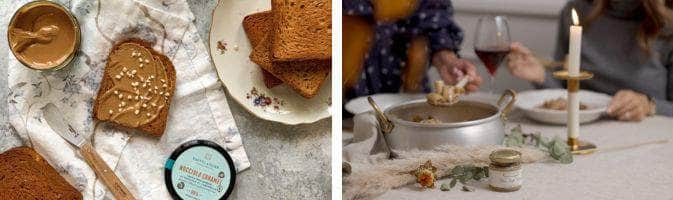
There's something quietly magical about watching steam rise from a cup of properly made gourmet hot chocolate on a cold winter morning. In Italy, this isn't merely a beverage-it's a ritual, a moment of pause, an opportunity to slow down and savor. The difference between a basic cocoa mix and authentic gourmet hot chocolate is like comparing a hurried espresso at a train station to a leisurely caffè at a neighborhood bar where the barista knows your name. One sustains, the other nourishes the soul. This distinction becomes even more profound when you understand the centuries of tradition and craftsmanship that flow into every perfectly balanced sip.
The Ancient Roots of Chocolate Culture
Long before chocolate became synonymous with Swiss Alps or Belgian pralines, the ancient Olmecs first cultivated cacao around 1500 BCE, transforming it into a bitter, spiced beverage that bore little resemblance to today's sweet confections. The Mayans and Aztecs elevated this drink to ceremonial status, believing it possessed divine properties.
When chocolate arrived in Italy during the 16th century, artisans in cities like Turin, Florence, and Venice began experimenting with this exotic ingredient. They softened its bitter edge with sugar and developed techniques that would eventually revolutionize European chocolate-making. Unlike the French who favored elaborate bonbons or the Swiss who perfected milk chocolate, Italian cioccolatieri focused on preserving the pure, intense flavor of high-quality cacao.
Italian Chocolate-Making Philosophy
Italian chocolate makers have always approached their craft with a particular philosophy: respect the ingredient, enhance rather than mask its natural complexity, and never compromise on quality. This mindset transforms gourmet hot chocolate from a simple warm drink into an experience that engages all your senses.
The Italian approach emphasizes:
- Single-origin cacao beans with distinct terroir characteristics
- Minimal processing to preserve natural flavors
- Careful balance between sweetness and chocolate intensity
- Texture that coats the palate like liquid velvet
- Temperature that allows flavors to bloom fully
In regions like Piedmont, master chocolatiers have perfected the art of cioccolata calda-literally "hot chocolate"-which is notably thicker and richer than what most people outside Italy consider hot chocolate. This isn't a thin, cocoa-powder drink but rather melted chocolate transformed into a spoonable indulgence.
Understanding What Makes Hot Chocolate Truly Gourmet
The distinction between ordinary hot chocolate and gourmet hot chocolate lies in three fundamental elements: ingredient quality, preparation method, and attention to detail. Mass-produced mixes often rely on cocoa powder, sugar, and artificial flavors. In contrast, authentic gourmet hot chocolate preparations begin with high-quality bittersweet chocolate as the foundation.
Key quality indicators include:
| Element |
Standard Version |
Gourmet Version |
| Base ingredient |
Cocoa powder |
Premium chocolate (60-70% cacao) |
| Sweetener |
White sugar, corn syrup |
Cane sugar, minimal sweetening |
| Texture |
Thin, watery |
Thick, velvety |
| Milk |
Any milk or water |
Whole milk or plant-based alternatives |
| Preparation |
Instant mix |
Melted and whisked |
| Flavor profile |
One-dimensional sweetness |
Complex, layered chocolate notes |
The cacao percentage matters tremendously. Professional chocolatiers typically recommend using chocolate with at least 60% cacao content for hot chocolate, as this provides sufficient chocolate intensity while maintaining pleasant sweetness. Too low, and the drink becomes cloying; too high, and it turns bitter and astringent.
Regional Italian Variations
Travel through Italy, and you'll discover that each region interprets gourmet hot chocolate differently, much like how pasta shapes and sauce pairings vary from north to south.
In Turin, the birthplace of Italian chocolate innovation, bicerin represents the pinnacle of hot chocolate culture. This layered drink combines espresso, drinking chocolate, and whole milk into a harmonious trinity that captures the city's sophisticated palate. Meanwhile, in Florence, artisans at centuries-old chocolate houses serve their cioccolata calda so thick you need a spoon.
Sicily adds its own twist with jasmine or orange blossom water, reflecting the island's Arab influences. The Amalfi Coast incorporates local lemons into white chocolate variations. These regional interpretations demonstrate how gourmet hot chocolate serves as a canvas for cultural expression and local terroir.
The Art of Preparation and Presentation
Creating exceptional gourmet hot chocolate requires technique, patience, and quality tools. Traditional recipes dating back to the early 1900s provide insight into how this beverage was once prepared with careful attention to temperature and consistency.
The process begins with selecting your chocolate. Artisan makers carefully source their cacao from specific regions-perhaps single-origin beans from Ecuador's coastal plantations or heritage varieties from Madagascar. The chocolate should be finely chopped to ensure even melting.
Step-by-Step Traditional Method
-
Warm the milk gently in a heavy-bottomed saucepan, never allowing it to boil
-
Add chopped chocolate gradually, whisking constantly to create an emulsion
-
Incorporate a small amount of cornstarch (optional) for traditional Italian thickness
-
Whisk vigorously to develop a silky texture and slight froth
-
Serve immediately in pre-warmed cups to maintain temperature
Temperature control separates mediocre from magnificent. Too hot, and the chocolate becomes grainy; too cool, and it lacks the aromatic release that makes gourmet hot chocolate so captivating. Professional chocolatiers aim for approximately 160-170°F-hot enough to be comforting, but cool enough to drink immediately.
Modern innovations like specialized hot chocolate makers have streamlined preparation while maintaining quality standards. These devices control temperature precisely while whisking continuously, creating café-quality results at home.
Flavoring and Customization Traditions
While purists might argue that exceptional chocolate needs no embellishment, Italian tradition embraces thoughtful flavor pairings that enhance rather than overpower. The key lies in restraint and complementary flavors.
Classic Italian flavor additions:
- Fresh vanilla bean (never extract)
- Cinnamon stick during warming
- Orange or lemon zest
- A whisper of espresso powder
- Sea salt to brighten chocolate notes
- Chili pepper for subtle warmth
The practice of flavoring gourmet hot chocolate connects to Italy's aperitivo culture-that sacred hour before dinner when flavors, conversation, and connection intermingle. Just as a well-crafted Negroni balances bitter, sweet, and aromatic elements, thoughtfully spiced hot chocolate achieves similar harmony.
Some artisan chocolate makers experiment with unexpected ingredients like rosemary, lavender, or cardamom. Luxury chocolate producers often offer seasonal variations that incorporate holiday spices or limited-edition cacao varieties, creating collectible experiences for chocolate enthusiasts.
The Gift-Giving Dimension
In Italian culture, sharing food represents love, hospitality, and connection. Gourmet hot chocolate embodies this tradition beautifully, making it an ideal gift for those who appreciate quality and authenticity. Unlike flowers that wilt or generic gift baskets that lack personality, artisanal Italian chocolate products offer lasting impressions.
The ritual of preparing and sharing gourmet hot chocolate creates moments worth remembering. Imagine presenting a beautifully curated box containing premium chocolate discs, artisan cocoa powder, and perhaps a handcrafted ceramic cup from an Italian pottery studio. This isn't just a gift-it's an invitation to slow down and savor.
Creating Memorable Chocolate Experiences
Consider these thoughtful presentation ideas:
- Individual chocolate portions wrapped in elegant packaging
- Vintage-inspired tins containing cocoa blends
- Accompanying items like biscotti or artisan marshmallows
- Handwritten recipe cards with traditional preparation methods
- Small whisks or chocolate-specific tools
For corporate settings, gourmet hot chocolate presents unique opportunities to express appreciation while introducing colleagues to authentic Italian food culture. Corporate gift boxes that include premium chocolate alongside complementary Italian delicacies demonstrate thoughtfulness and cultural sophistication.
Seasonal Celebrations and Special Occasions
Gourmet hot chocolate plays a starring role in Italian winter celebrations, particularly during the Christmas season and Carnevale. In many Italian households, the ritual of preparing and serving cioccolata calda marks special family gatherings, creating sensory memories that endure for generations.
| Occasion |
Traditional Pairing |
Cultural Significance |
| Christmas Morning |
Panettone dipped in hot chocolate |
Family breakfast tradition |
| New Year's Day |
Thick hot chocolate with biscotti |
Fresh start, indulgent beginning |
| Carnevale |
Hot chocolate with chiacchiere (fried pastries) |
Celebration before Lent |
| Cold Winter Afternoons |
Hot chocolate with whipped cream |
Merenda (afternoon snack) ritual |
The practice of dunking cookies, biscotti, or even bread into gourmet hot chocolate-called inzuppare-transforms the drinking experience into something more substantial. This isn't considered uncouth but rather an honored tradition that allows you to fully appreciate both the beverage and the pastry.
During festive seasons, Italian families often enhance their hot chocolate with special ingredients. Some add a splash of liqueur for adults-perhaps Frangelico or amaretto-creating an after-dinner digestivo that warms from within.
Health Considerations and Quality Ingredients
Modern awareness of ingredient quality and dietary preferences has influenced how artisan makers approach gourmet hot chocolate. High-quality dark chocolate contains flavonoids and antioxidants, offering potential health benefits when consumed mindfully. The key lies in choosing products made with minimal processing and recognizable ingredients.
Ingredients to seek:
- Single-origin cacao with transparency about sourcing
- Organic certification when possible
- Natural sweeteners rather than corn syrup or artificial alternatives
- Whole milk or thoughtfully chosen plant-based options
- No artificial flavors, colors, or preservatives
Many Italian artisan chocolate makers have embraced sustainable and ethical sourcing practices, working directly with cacao farmers to ensure fair compensation and environmental stewardship. This attention to the entire supply chain reflects the Italian value of knowing where your food comes from-the same principle that drives the Slow Food movement.
For those with dietary restrictions, gourmet hot chocolate adapts beautifully. Almond milk, oat milk, or coconut milk each bring their own subtle flavors that can complement dark chocolate's complexity. Vegan versions using dairy-free chocolate maintain richness and indulgence without compromise.
The Experience Economy and Chocolate Culture
The evolution of chocolate appreciation reflects broader cultural shifts toward valuing experiences over possessions. Rather than accumulating things, people increasingly seek moments that engage their senses and create lasting memories. Gourmet hot chocolate fits perfectly within this paradigm.
Preparing gourmet hot chocolate becomes a form of self-care-a deliberate choice to slow down and engage in something purely pleasurable. The act of whisking, watching chocolate melt into milk, inhaling the rising steam, and finally tasting that first sip creates a multisensory experience that grounds you in the present moment.
This mindful approach aligns with Italian lifestyle philosophy, where even daily rituals deserve attention and appreciation. Just as Italians would never rush through an espresso, standing at the bar to properly enjoy it, gourmet hot chocolate deserves similar reverence.
Building Your Home Chocolate Ritual
Creating your own gourmet hot chocolate ritual at home requires minimal investment but yields substantial returns in pleasure and comfort. Start by selecting quality chocolate from artisan producers who prioritize craftsmanship and authentic ingredients.
Essential elements for home preparation:
- Premium dark chocolate (60-70% cacao minimum)
- Fresh whole milk or preferred alternative
- Quality whisk or milk frother
- Heavy-bottomed saucepan for even heating
- Pre-warmed serving cups
Store your chocolate properly-in a cool, dark place away from strong odors-to preserve its delicate flavor compounds. Professional chocolatiers recommend using chocolate within a few months of purchase to enjoy it at peak quality.
Pairing Gourmet Hot Chocolate with Italian Delicacies
The Italian tradition of thoughtful food pairings extends naturally to gourmet hot chocolate. While the drink stands beautifully alone, certain combinations elevate the experience into something transcendent.
Consider how different textures and flavors interact. Crisp biscotti provides contrast to velvety hot chocolate, while buttery shortbread melts harmoniously. Salty aged Parmigiano Reggiano alongside dark hot chocolate might surprise you with its sophisticated interplay of sweet and savory-a pairing appreciated by adventurous Italian food lovers.
Recommended pairings:
- Hazelnut biscotti with milk chocolate hot chocolate
- Almond cantucci with dark gourmet hot chocolate
- Butter cookies with white hot chocolate variations
- Chocolate-hazelnut spread on bread for dunking
- Fresh whipped cream flavored with vanilla
Luxury gift packages that combine premium hot chocolate with complementary Italian treats allow recipients to explore these traditional pairings, creating complete tasting experiences that honor Italian food culture.
The Future of Artisan Chocolate
As consumers become increasingly sophisticated and value-driven, the market for gourmet hot chocolate continues to expand. People seek transparency, authenticity, and craftsmanship-qualities that Italian artisan producers have embodied for generations.
Emerging trends include single-origin chocolates that highlight specific terroir characteristics, much like fine wine. Chocolate makers now speak of beans from particular regions in Venezuela, Peru, or Ecuador the way sommeliers discuss vineyard appellations. This level of specificity appeals to discerning palates interested in understanding what they consume.
Sustainability and ethical sourcing have moved from niche concerns to mainstream expectations. Forward-thinking chocolate makers invest in direct relationships with cacao farmers, ensuring fair wages and environmental stewardship. This aligns perfectly with Italian values around food integrity and respecting the people who produce what we eat.
Technology also plays a role, with innovations in temperature control and texture creation allowing home enthusiasts to achieve professional results. However, the fundamental appeal of gourmet hot chocolate remains unchanged: quality ingredients prepared with care and enjoyed with intention.
The journey from ancient Mesoamerican cacao ceremonies to modern Italian artisan chocolate-making demonstrates how food traditions evolve while maintaining their essential soul. Gourmet hot chocolate represents more than indulgence-it's connection to history, culture, and the simple pleasure of savoring something made with care. Whether you're seeking the perfect gift for someone who appreciates authentic quality or looking to elevate your own moments of everyday celebration, Tasty Ribbon offers carefully curated selections of Italian artisanal products that bring these traditions to life, connecting you to Italy's rich heritage of craftsmanship and the joy of truly exceptional flavors.