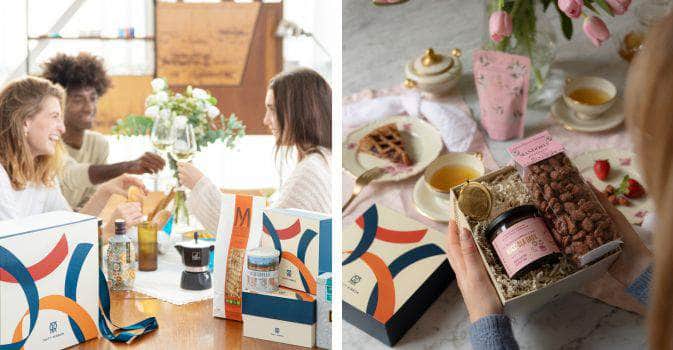
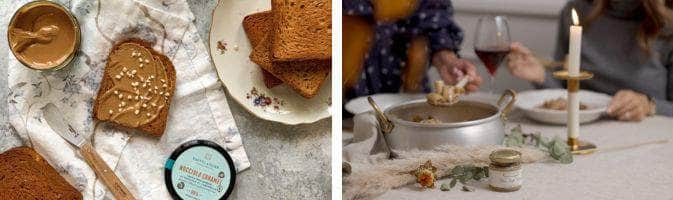
There's something transformative about unwrapping a piece of truly exceptional chocolate. The glossy surface catches the light just so, releasing the faintest whisper of cacao into the air before you've even taken your first bite. In Italy, where artisans have spent generations perfecting their craft, fancy chocolate represents more than an indulgence. It embodies a philosophy of quality, tradition, and the belief that even life's smallest moments deserve beauty. From the sun-drenched hillsides of Tuscany to the chocolate workshops of Piedmont, Italian chocolatiers create confections that tell stories of their land, their heritage, and their unwavering commitment to excellence.
The Italian Chocolate Heritage
Italy's relationship with chocolate began in the 16th century when Spanish traders brought cacao to European shores. Yet it was in the northern Italian cities where chocolate truly flourished as an art form. Turin became the epicenter of Italian chocolate innovation, where master chocolatiers developed techniques that would define fancy chocolate for centuries to come.
The Piedmontese region gave birth to gianduja, that sublime marriage of hazelnuts and chocolate that melts across your tongue like velvet. These hazelnuts, grown in the rolling hills surrounding Alba, carry a delicate sweetness that transforms ordinary chocolate into something extraordinary. Italian artisans understood intuitively what modern consumers are now discovering through global premium chocolate market trends: quality begins with exceptional ingredients sourced from specific regions.
Regional Chocolate Traditions
Each Italian region brings its own character to chocolate making. In Tuscany, chocolatiers infuse their creations with local honey and Vin Santo, creating flavor profiles that speak of sun-baked hillsides and centuries-old vineyards. Sicilian chocolate carries notes of citrus and almond, reflecting the island's Arab heritage and abundant orchards.
The differences aren't merely aesthetic. They represent distinct philosophies about what fancy chocolate should be:
-
Northern styles emphasize smooth, refined textures and classic combinations
-
Central Italian approaches incorporate wine, olive oil, and regional fruits
-
Southern interpretations bring bold spices, nuts, and Mediterranean influences
-
Alpine regions feature cream-forward ganaches and mountain honey
Understanding Quality in Fancy Chocolate
Walking into an artisan chocolate workshop reveals the dedication required to create truly exceptional products. The air carries layers of aroma: roasted cacao, caramelizing sugar, perhaps a hint of vanilla or espresso. These scents tell you immediately that you've entered a space where shortcuts don't exist.
Quality fancy chocolate begins long before the chocolatier begins work. The cacao itself must be carefully selected, often from single-origin sources where growing conditions produce beans with distinctive flavor profiles. Italian artisans frequently travel to cacao-growing regions, building relationships with farmers who share their commitment to excellence.
The Craft of Chocolate Making
The conching process represents one of the most critical stages in creating smooth, sophisticated chocolate. This technique, which can last anywhere from several hours to several days, gradually refines the chocolate's texture while developing its flavor complexity. Master chocolatiers monitor temperature, timing, and texture with the same precision a winemaker brings to aging fine wines.
Italian artisans have elevated this process into an art form. They understand that fancy chocolate requires patience. Rushing produces grainy textures and underdeveloped flavors. Taking time creates chocolate that literally melts at body temperature, releasing waves of flavor as it dissolves.
| Production Stage |
Artisan Approach |
Impact on Quality |
| Bean Selection |
Single-origin, relationship-based sourcing |
Complex, distinctive flavor profiles |
| Roasting |
Small batches, precise temperature control |
Enhanced aroma, balanced bitterness |
| Conching |
Extended timeframes (24-72 hours) |
Silky texture, developed flavors |
| Tempering |
Hand-monitored, traditional methods |
Perfect snap, glossy finish |
The difference becomes immediately apparent when you taste chocolate created with this level of care. There's a depth, a layering of flavors that unfolds gradually rather than hitting you all at once.
The Art of Chocolate Gifting
In Italian culture, the act of giving chocolate carries profound meaning. It's not merely about the confection itself but about the thought, care, and attention invested in choosing something truly special. Fancy chocolate becomes a vehicle for expressing emotions that words sometimes struggle to convey.
Consider the tradition of chocolate gifts during important celebrations. For weddings, Italian families present carefully selected chocolate confections wrapped in delicate ribbons, each piece representing wishes for sweetness in the couple's future. At Christmas, festive gift baskets overflow with artisan chocolates alongside other gourmet treasures, creating moments of shared joy around family tables.
Choosing Meaningful Chocolate Gifts
The selection process deserves the same thoughtfulness as the chocolate's creation. Think about the recipient's preferences, the occasion's significance, and the story you want the gift to tell. Some considerations include:
Flavor preferences: Does your recipient gravitate toward dark, intense chocolate or prefer milk chocolate's gentler sweetness? Do they enjoy adventurous flavor combinations or classic elegance?
Presentation matters: Italian artisans understand that anticipation enhances pleasure. Beautiful packaging, thoughtful arrangement, and attention to visual detail transform fancy chocolate from a simple gift into an experience.
Occasion alignment: A corporate gift set speaks differently than a romantic anniversary present. The chocolate you choose should reflect the relationship and moment you're celebrating.
The luxury chocolate market continues growing precisely because consumers recognize these nuances. They understand that fancy chocolate represents an investment in quality, in relationships, in creating memories that linger long after the last truffle has melted away.
Italian Chocolate Artisans and Their Stories
Behind every piece of exceptional chocolate stands a maker whose passion infuses their work. These aren't factory producers churning out standardized products. They're artists who view chocolate as their medium, tradition as their foundation, and innovation as their opportunity to honor the past while embracing the future.
Take the story of chocolatiers like those featured in artisan profiles, whose workshops have operated for generations. They learned their craft from parents and grandparents, absorbing techniques that can't be captured in recipe books or production manuals. Yet they also experiment, incorporating unexpected ingredients like sea salt from Sicily's ancient salt pans or chili peppers that add warmth without overwhelming the chocolate's fundamental character.
Small-Batch Philosophy
Artisan chocolate makers deliberately limit their production. This isn't about artificial scarcity but about maintaining control over every variable that affects quality. When you're creating fifty pieces versus five thousand, you can monitor each stage with precision impossible in large-scale production.
This approach aligns perfectly with current chocolate trends emphasizing authenticity, traceability, and craftsmanship. Consumers increasingly seek products with stories, with faces and names attached to their creation. Fancy chocolate from small artisan workshops delivers exactly this connection.
Health-Conscious Indulgence
The perception of chocolate has evolved dramatically in recent years. Rather than guilty pleasure, high-quality fancy chocolate is increasingly recognized as a mindful indulgence that can fit within a balanced lifestyle. Italian chocolatiers have embraced this shift while maintaining their commitment to flavor and tradition.
Dark chocolate, particularly varieties with high cacao percentages, contains flavonoids and antioxidants that offer genuine health benefits. The chocolate market research confirms growing consumer preference for these darker, more intense varieties. Yet Italian artisans refuse to sacrifice pleasure for supposed virtue. Their dark chocolates balance intensity with smoothness, bitterness with subtle sweetness.
Organic and Sustainable Options
Many Italian chocolate makers have pioneered organic production methods, working with cacao farmers who avoid pesticides and chemical fertilizers. This commitment to sustainability extends beyond marketing buzzwords. It reflects a fundamental belief that quality chocolate must respect the land, the farmers, and the future.
The 2024 cocoa crisis highlighted vulnerabilities in global cacao supply chains, prompting many artisans to deepen their relationships with growers and invest in fair compensation. Fancy chocolate produced under these conditions carries different weight. It represents a choice to support systems that value people and planet alongside profit.
| Chocolate Type |
Cacao Content |
Flavor Profile |
Best Paired With |
| Dark (70-85%) |
High |
Intense, slightly bitter, fruity notes |
Espresso, full-bodied wine, cheese |
| Milk (30-40%) |
Medium |
Creamy, sweet, caramel notes |
Tea, lighter wines, fresh fruit |
| White (0%) |
None (cocoa butter only) |
Sweet, vanilla, buttery |
Sparkling wine, berries, citrus |
| Gianduja |
Varies |
Nutty, smooth, balanced |
Dessert wines, coffee, pastries |
Seasonal Chocolate Celebrations
Italy's calendar overflows with occasions where fancy chocolate takes center stage. These celebrations connect us to rhythms larger than ourselves, to traditions that have sustained communities through countless generations. Chocolate becomes the medium through which we mark time's passage and honor life's important moments.
Valentine's Day in Italy carries romantic significance, certainly, but also celebrates friendship and affection in all its forms. Chocolate hearts filled with delicate ganaches, truffles dusted with edible gold, pralines shaped like tiny jewels appear in shop windows, each one crafted to convey emotion through flavor and form.
Easter brings elaborate chocolate eggs, some towering several feet tall, decorated with intricate designs and filled with surprises. These creations represent rebirth and renewal, tradition meeting artistry in forms that delight children and adults alike.
Year-Round Gifting Opportunities
Yet you needn't wait for major holidays to share exceptional chocolate. Italian culture embraces everyday celebrations, finding beauty in simple gatherings and spontaneous moments of connection. Luxury gift packages filled with artisan chocolates transform ordinary afternoons into special occasions.
Consider bringing fancy chocolate to:
- Dinner parties as a thoughtful hostess gift that shows genuine consideration
- Business meetings where quality gifts strengthen professional relationships
- Personal milestones like promotions, new homes, or achievements worth celebrating
- Simple gatherings with friends where shared indulgence creates connection
The beauty of exceptional chocolate lies partly in its versatility. It fits formal occasions and casual moments, grand gestures and quiet acknowledgments of appreciation.
Pairing Chocolate with Italian Traditions
Italian culinary culture views meals as symphonies where each element must harmonize with the others. Fancy chocolate follows these same principles, offering infinite possibilities for pairing and combination. Understanding these relationships elevates chocolate from simple dessert to sophisticated finale.
Wine pairings create particularly magical moments. A robust Barolo's tannins soften against dark chocolate's intensity, while Moscato d'Asti's effervescence cuts through milk chocolate's richness. The key lies in balancing sweetness levels and flavor intensities so neither chocolate nor wine overwhelms the other.
Coffee partnerships run deep in Italian tradition. Espresso's concentrated bitterness provides perfect counterpoint to chocolate's sweetness. Some chocolatiers incorporate coffee directly into their creations, while others design chocolates specifically to accompany the afternoon espresso ritual.
Creating Chocolate Experiences
The most memorable chocolate moments engage multiple senses simultaneously. Consider how Italian aperitivo culture transforms simple drinks and snacks into social rituals. Apply similar thinking to chocolate:
- Serve fancy chocolate alongside fresh fruit, nuts, or cheese for textural contrast
- Pair chocolates with complementary teas that enhance rather than compete with flavors
- Present chocolates at room temperature to maximize aroma and flavor release
- Share the artisan's story, creating emotional connection alongside sensory pleasure
The Future of Artisan Chocolate
Looking ahead, the fancy chocolate landscape continues evolving in fascinating directions. Emerging chocolate trends point toward increased personalization, innovative flavor combinations, and deeper commitments to ethical sourcing. Italian artisans are well-positioned to lead these developments, given their historical emphasis on quality and innovation within tradition.
Technology enables new possibilities without replacing human craftsmanship. Some chocolatiers experiment with 3D printing to create intricate designs impossible by hand, while others use molecular gastronomy techniques to produce unexpected textures and flavor releases. Yet the fundamental philosophy remains unchanged: chocolate should bring joy, create connection, and honor the ingredients and traditions from which it springs.
Supporting Artisan Communities
Choosing fancy chocolate from small producers supports entire ecosystems of craftspeople, suppliers, and communities. Your purchase helps preserve traditional techniques, encourages sustainable practices, and validates the belief that quality matters more than quantity. This feels particularly important in 2026, as industrialization and homogenization threaten many artisan industries.
When you select gourmet chocolate gift boxes featuring Italian artisan products, you're participating in a larger story about values, choices, and the kind of world we want to create. That might sound grandiose for chocolate, but food carries meaning beyond nutrition. It represents culture, identity, connection.
Customizing Your Chocolate Experience
One of the greatest pleasures in fancy chocolate comes from discovering personal preferences and creating combinations that speak to your individual taste. Italian artisans celebrate this diversity, offering ranges that span from traditional classics to adventurous innovations.
Start by exploring different cacao origins. Venezuelan cacao offers fruity, wine-like notes. Ecuadorian varieties bring floral aromatics. African cacao tends toward robust, earthy flavors. Each origin produces chocolate with distinct personality, much like wine grapes from different regions create wines with unique characteristics.
Experiment with additions and inclusions. Sicilian pistachios add buttery richness. Hazelnuts from Piedmont bring toasted sweetness. Sea salt crystals create fascinating flavor bursts. Dried fruits introduce chewy texture and concentrated sweetness. The possibilities expand infinitely, limited only by imagination and willingness to explore.
Building Your Chocolate Collection
Consider developing a personal collection that reflects your evolving palate and growing knowledge. Include:
-
Dark chocolates at various cacao percentages to understand how intensity affects flavor
-
Regional specialties that showcase specific Italian chocolate traditions
-
Seasonal offerings that capture particular moments in time
-
Experimental pieces featuring unexpected ingredients or techniques
This approach transforms fancy chocolate from occasional indulgence into an ongoing journey of discovery. Each piece teaches you something new about flavor, texture, craftsmanship, and your own preferences.
Fancy chocolate represents far more than simple confection. It embodies centuries of tradition, the dedication of skilled artisans, and the belief that life's sweetest moments deserve celebration with products crafted from genuine care and exceptional ingredients. Whether you're seeking the perfect gift to express gratitude, mark a milestone, or simply bring joy to someone special, authentic Italian artisan chocolate creates connections that transcend the everyday. Discover how Tasty Ribbon brings Italy's finest chocolate artisans directly to you, with curated selections and customizable options that honor both tradition and individual taste, making every gift a genuine expression of thoughtfulness and quality.