The scent of italian panettone emerging from a bakery on a cold December morning in Milan is unforgettable. It carries whispers of candied orange peel, vanilla, and butter, mingling with the faint tang of natural yeast worked patiently over days. This towering dome of sweetened bread has become synonymous with Italian celebration, yet its journey from humble origins to global icon tells a story of craftsmanship, regional pride, and the evolution of artisan baking. Whether you're discovering panettone for the first time or seeking the perfect gift to share a taste of Italy, understanding what makes this delicacy extraordinary transforms the experience from simple dessert to cultural connection.
The Origins and Evolution of Italian Panettone
The history of italian panettone stretches back to medieval Milan, though the exact origin remains shrouded in legend. One popular tale credits a young nobleman named Ughetto degli Atellani, who, smitten with the daughter of a Milanese baker, disguised himself as a kitchen assistant and created a rich sweet bread studded with candied fruits and raisins. Another story attributes the creation to Toni, a scullery boy who saved a Christmas dinner by improvising a sweet bread from leftover ingredients, later called "pan de Toni."
What we know with certainty is that by the 18th century, panettone had become a fixture of Milanese Christmas celebrations. The bread was distinguished by its tall, domed shape and light, airy crumb achieved through a labor-intensive fermentation process. Bakers would mark the top with a cross before baking, both as a blessing and to help the bread expand evenly.
The 20th century brought industrialization and widespread distribution. Angelo Motta revolutionized panettone production in the 1920s by introducing the tall paper mold and extending the fermentation time, creating the characteristic mushroom shape we recognize today. His innovations made panettone accessible beyond Milan's borders, transforming it from a regional specialty into Italy's most exported Christmas cake.
Traditional Ingredients and What Makes Them Special
Authentic italian panettone relies on deceptively simple ingredients that demand exceptional quality:
-
Flour: High-protein Manitoba wheat flour provides the gluten structure needed to support the bread's height
-
Butter: Premium European-style butter contributes richness and tender crumb
-
Egg yolks: Fresh yolks add color, flavor, and emulsification
-
Natural yeast starter (lievito madre): The soul of panettone, cultivated over years
-
Candied fruits: Traditionally orange and citron peel, carefully preserved
-
Sugar and honey: Sweetness balanced to complement, not overpower
-
Vanilla: Often Madagascar bourbon vanilla for depth
The magic lies not in exotic ingredients but in their quality and the baker's skill in coaxing them into harmony. The natural fermentation process relies on specific yeasts and lactic acid bacteria that develop flavor complexity impossible to replicate with commercial yeast alone.
The Art and Science of Panettone Making
Creating exceptional italian panettone requires patience that borders on meditation. The process typically spans three to four days, with each phase building upon the last. Master bakers maintain their lievito madre starter for decades, feeding it daily and treating it with the reverence of a living heirloom.
The first impasto involves refreshing the starter and creating an initial dough that ferments for 12-16 hours. This develops the flavor foundation and begins building the gluten network. The second impasto incorporates the remaining ingredients, including butter, eggs, and candied fruits, kneading until the dough achieves a specific silky texture that experienced bakers recognize by touch.
Temperature control proves critical throughout fermentation. The dough must rise in a warm environment (around 28-30°C) without overheating, which would kill the delicate starter culture. Professional panettone production requires precise monitoring of pH levels, dough temperature, and fermentation time to achieve consistent results.
The Upside-Down Resting Ritual
After baking, panettone undergoes a distinctive cooling process that sets it apart from other breads. Bakers pierce the base with long skewers and suspend the cake upside down for 8-12 hours. This unusual practice serves a crucial purpose: it prevents the delicate crumb structure from collapsing under its own weight while still warm.
The result is a feather-light interior with irregular air pockets that practically dissolve on the tongue. This textural achievement represents the pinnacle of the baker's craft.
Regional Variations and Modern Interpretations
While Milan claims panettone's birthright, bakers throughout Italy have created regional interpretations that reflect local ingredients and traditions. Verona's pandoro, though technically a cousin rather than a variation, shares similar fermentation techniques but omits the candied fruits for a pure butter-and-vanilla profile dusted with powdered sugar.
Contemporary artisan bakers push creative boundaries while respecting traditional methods. You'll find italian panettone flavored with:
- Sicilian pistachios and dark chocolate
- Limoncello and cream
- Chestnuts and Marrons Glacés
- Dark chocolate and pear
- Apricot and almond
These innovations don't abandon tradition but rather celebrate Italy's regional bounty and the baker's creative vision. The Panettone World Championship now recognizes both traditional and creative categories, acknowledging that excellence exists across interpretations.
| Characteristic |
Traditional Panettone |
Modern Artisan Variations |
| Fermentation |
48-72 hours with lievito madre |
Same traditional base |
| Fruits |
Candied orange, citron, raisins |
Seasonal fruits, chocolate, nuts |
| Flavor profile |
Vanilla, citrus, butter |
Limited only by creativity |
| Price point |
€15-40 |
€35-80+ |
| Availability |
Year-round (peak December) |
Often seasonal releases |
How to Select Authentic Italian Panettone
Choosing quality italian panettone requires knowing what separates artisan craft from industrial production. Price often reflects the investment in time and ingredients, though it's not the only indicator. An authentic artisan panettone typically costs €30-60 or more, reflecting days of labor and premium ingredients.
Look for these hallmarks of quality:
-
Natural lievito madre listed in ingredients rather than commercial yeast or chemical leaveners
-
Hand-wrapped paper packaging that allows the cake to breathe
-
Named baker or pasticceria rather than anonymous industrial brands
-
Certification or awards from Italian baking associations
-
Weight proportional to size, indicating proper moisture and structure
The ingredient list should be short and recognizable. Avoid panettones with vegetable oils instead of butter, artificial flavors, or preservatives. Eataly's comprehensive guide offers detailed tasting notes that help develop your palate for quality distinctions.
When you slice into genuine artisan panettone, the crumb should pull apart in wispy strands, not crumble. The aroma should be complex, yeasty, and inviting. The flavor unfolds gradually, with buttery richness balanced by fruit sweetness and a subtle tang from fermentation.
Storing and Serving for Maximum Enjoyment
Proper storage preserves italian panettone's delicate texture and flavor. Keep it wrapped in its original paper at room temperature, away from direct sunlight and heat sources. Most artisan panettones remain fresh for 2-3 weeks, though they're invariably consumed much faster.
Serve panettone at room temperature to appreciate its full flavor. Many Italians enjoy it for breakfast with espresso or cappuccino, the light sweetness perfectly complementing bitter coffee. Toast slices lightly and spread with mascarpone or butter for an elevated experience.
For dessert presentations, try these sophisticated serving suggestions:
- Pair with sweet dessert wines like Moscato d'Asti or Vin Santo
- Serve alongside premium gelato or whipped cream
- Create bread pudding from day-old slices
- Make French toast for a decadent breakfast
- Accompany with artisan chocolates and espresso
Italian Panettone as the Perfect Gourmet Gift
Few gifts communicate thoughtfulness and sophistication quite like artisan italian panettone. Its presentation alone conveys celebration-the tall dome wrapped in decorative paper, often tied with ribbon and presented in an elegant box. The gift transcends simple food; it shares Italian tradition, connects recipients to centuries of baking heritage, and invites them into a moment of genuine indulgence.
Selecting the right gourmet gift involves considering both the recipient and the occasion. Panettone suits corporate gifting beautifully, offering a sophisticated alternative to generic gift baskets while remaining universally appreciated. Its impressive appearance makes an impact during holiday gatherings, while its shareability encourages connection.
For personal gifts, pair italian panettone with complementary Italian specialties to create a memorable tasting experience. Consider adding premium espresso, artisan chocolates, or a bottle of Italian dessert wine. Corporate gifting programs benefit from panettone's elegant presentation and cultural significance, making it ideal for client appreciation and employee recognition during the holiday season.
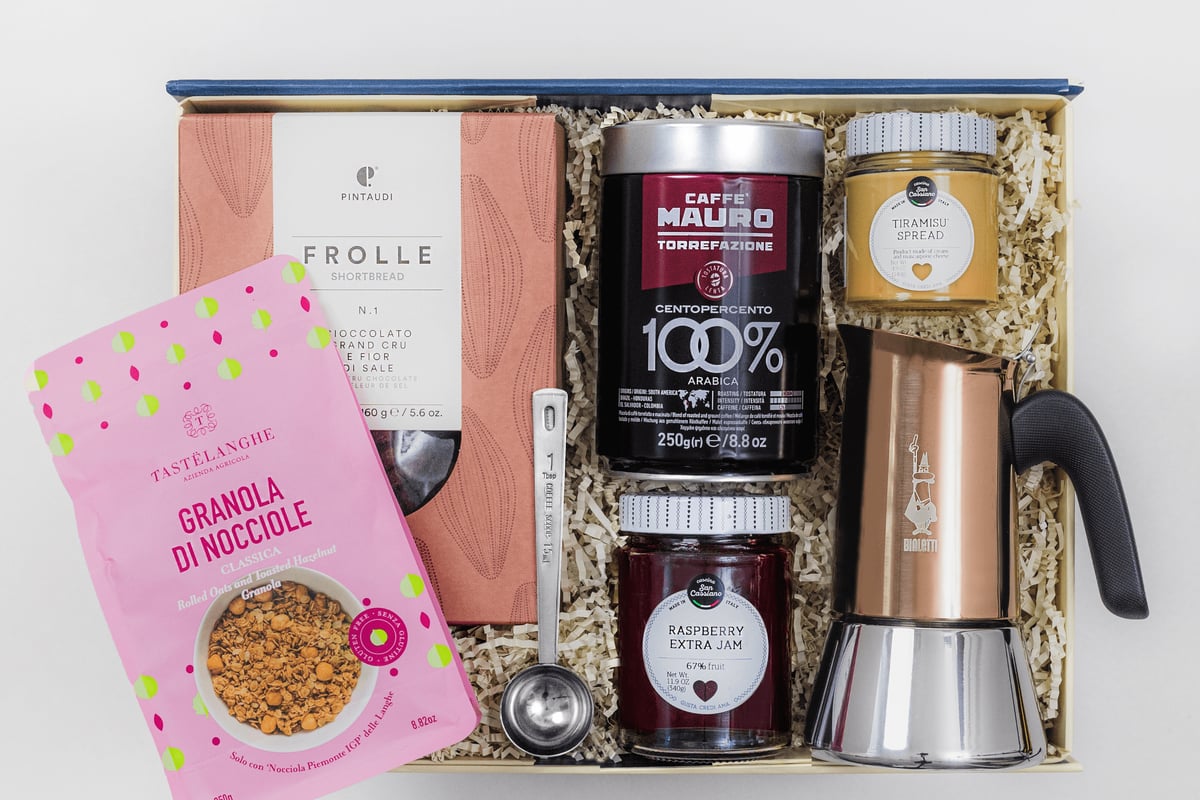
The ritual of sharing panettone creates moments that extend beyond the eating itself. The Guardian explores how panettone has become a symbol of hospitality and celebration beyond Italy's borders, connecting people through shared appreciation for craftsmanship and tradition.
The Cultural Significance and Holiday Traditions
In Italy, italian panettone marks the beginning of the Christmas season. Families purchase their panettone in early December, often from the same pasticceria their parents and grandparents patronized. The bread appears at Christmas Eve dinner, Christmas Day breakfast, and New Year's celebrations, becoming part of the seasonal rhythm.
The tradition of giving panettone as a gift dates back generations. Employers present them to workers as year-end bonuses, hosts bring them to dinner parties, and families exchange them as tokens of affection. This custom has spread globally, particularly in countries with significant Italian diaspora communities.
The Rise of Panettone Competitions
Recent years have witnessed the emergence of panettone as a competitive baking challenge that rivals world pastry championships. Italy's institutional support for preserving panettone craftsmanship includes specialized academies where master bakers share knowledge and maintain standards.
These competitions evaluate panettones across multiple criteria:
-
Appearance: Symmetrical dome, golden color, proper height
-
Crumb structure: Fine, irregular alveoli (air pockets)
-
Texture: Soft, filante (stringy when pulled apart)
-
Aroma: Complex, balanced, no off-notes
-
Flavor: Harmonious sweetness, butter richness, fruit integration
-
Moistness: Tender without being dense
Winners often see their panettones become internationally sought-after, with orders placed months in advance. This competitive culture has elevated standards across the industry, benefiting consumers who now have access to exceptional artisan panettones worldwide.
Pairing Italian Panettone with Beverages and Foods
The versatility of italian panettone extends beyond traditional holiday service. Its subtle sweetness and buttery richness complement an impressive range of beverages and foods, making it suitable for various occasions throughout the day.
Morning pairings transform breakfast into a special occasion:
- Cappuccino or caffè latte balances the sweetness
- Fresh orange juice echoes the candied peel
- Hot chocolate creates an indulgent combination
- English breakfast tea provides tannic contrast
Afternoon and dessert pairings elevate the experience:
- Prosecco or Franciacorta sparkling wines add celebration
- Moscato d'Asti's floral sweetness complements fruit flavors
- Vin Santo's nutty richness matches the bread's complexity
- Port or Madeira offer warming, fortified alternatives
For those seeking non-traditional combinations, italian panettone pairs beautifully with soft cheeses like fresh ricotta or creamy burrata. The contrast between savory cheese and sweet bread creates surprising harmony. Understanding Italian artisanal products helps create thoughtful pairings that honor both tradition and creativity.
The Modern Panettone Market and Accessibility
The global appreciation for italian panettone has expanded dramatically over the past decade. What was once difficult to find outside Italy now appears in specialty food shops, high-end grocers, and online retailers worldwide. This accessibility has created both opportunities and challenges for maintaining quality standards.
Artisan bakers ship their panettones internationally, carefully packaged to arrive in perfect condition. Best Christmas food gifts increasingly feature authentic Italian specialties like panettone, reflecting growing consumer sophistication and desire for genuine artisan products.
Factors driving panettone's growing popularity include:
- Increased food tourism to Italy sparking interest in authentic specialties
- Social media showcasing artisan baking processes and beautiful presentations
- Greater appreciation for slow food and traditional craftsmanship
- Demand for premium, meaningful gifts beyond mass-produced options
- Recognition of panettone's versatility beyond the holiday season
Price transparency helps consumers understand value. While supermarket panettones might cost €10-15, these typically use commercial yeast, vegetable oils, and faster production methods that compromise texture and flavor. Artisan versions justify their premium through superior ingredients, traditional fermentation, and skilled craftsmanship that requires years to master.
Beyond December: Year-Round Panettone Possibilities
Though traditionally associated with Christmas, italian panettone has evolved into a year-round pleasure. Italian bakers now produce seasonal variations celebrating Easter (often called colomba, shaped like a dove), summer fruits, and special occasions throughout the calendar.
This evolution reflects changing consumer preferences and bakers' creative ambitions. A high-quality panettone makes an impressive birthday gift, anniversary celebration, or thank-you gesture any time of year. Its elegance and shareability suit both intimate gatherings and larger celebrations.
Creative home cooks have discovered italian panettone's versatility in recipes:
-
Panettone French Toast: Thick slices dipped in custard and pan-fried until golden
-
Bread Pudding: Cubed panettone baked with cream and eggs
-
Trifle: Layered with mascarpone cream and berries
-
Ice Cream Sandwiches: Toasted slices filled with gelato
-
Tiramisu Variation: Substituting panettone for ladyfingers
These applications extend the pleasure of a single panettone while showcasing its adaptability. Food gift sets that include panettone alongside complementary products enable recipients to explore various serving possibilities.
Supporting Artisan Traditions Through Thoughtful Purchasing
Every purchase of authentic italian panettone supports centuries-old traditions and the artisans who dedicate their lives to preserving them. Small pasticcerie throughout Italy depend on panettone sales to sustain their businesses, particularly during the crucial holiday season when demand peaks.
When you choose artisan panettone over industrial alternatives, you vote for quality, tradition, and sustainability. You support bakers who source premium ingredients, maintain natural starter cultures, and refuse to compromise standards for profit. Italian artisan partnerships connect consumers directly to makers, creating transparency and appreciation for the work behind each product.
This relationship between maker and consumer enriches both parties. Bakers receive fair compensation for their skill and time, enabling them to continue their craft. Consumers gain access to products of exceptional quality that carry stories, heritage, and human connection impossible to replicate through industrial production.
From its medieval origins in Milan to today's global appreciation, italian panettone represents the enduring appeal of artisan craftsmanship and the joy of sharing authentic Italian traditions. Whether enjoyed as a festive centerpiece, a thoughtful gift, or a year-round indulgence, this remarkable bread connects us to centuries of baking heritage and the dedicated artisans who keep it alive. Tasty Ribbon specializes in bringing these authentic Italian artisanal treasures to your table, curating exceptional panettone and complementary gourmet products that transform gift-giving into genuine cultural exchange. Explore their selection of handpicked Italian specialties and discover how authentic flavors can create moments of connection and celebration throughout the year.