There's something almost ceremonial about brewing a cup of tea. The careful measuring of leaves, the patient wait as hot water transforms them into liquid gold, the first fragrant sip that signals a moment of pause in our hurried lives. When that tea is organic premium tea, the experience becomes even more meaningful-a connection to sustainable farming practices, to artisan producers who tend their gardens with devotion, and to a quality you can taste in every cup. This beverage tradition spans continents and cultures, from the misty mountains of Japan to the rolling hills of Italy, where innovative growers are reimagining what tea can be.
Understanding What Makes Organic Premium Tea Exceptional
The distinction between regular tea and organic premium tea lies in both cultivation methods and quality standards. Organic certification requires farmers to avoid synthetic pesticides, herbicides, and fertilizers, relying instead on natural composting, crop rotation, and integrated pest management. This commitment to reduced pesticide exposure benefits not only the tea drinker but also the soil, water systems, and biodiversity of the growing region.
Premium designation goes beyond organic certification to encompass factors like harvest timing, leaf selection, processing techniques, and flavor profile. The finest teas come from first-flush harvests when young leaves contain concentrated flavors and beneficial compounds. Artisan producers often hand-pluck leaves at dawn, processing them within hours to preserve delicate aromatics.
The Health Dimensions of Choosing Organic
When we talk about the health benefits of organic tea, we're addressing both what's present and what's absent. Organic premium tea contains higher levels of polyphenols and antioxidants, compounds that support cellular health and may reduce inflammation. Without chemical residues that can accumulate through conventional farming, organic varieties offer a purer expression of the plant's natural properties.
Different tea types offer distinct advantages:
-
Green tea preserves catechins through minimal oxidation
-
Oolong tea balances complexity with antioxidant content
-
White tea contains the highest concentration of delicate compounds
-
Black tea provides robust flavor with heart-healthy theaflavins
Research continues to explore how regular tea consumption supports cardiovascular health, cognitive function, and metabolic wellness. The potential health benefits multiply when choosing organic sources that haven't been compromised by agricultural chemicals.
Cultivation Practices That Define Quality
The best organic premium tea gardens operate like orchestras, with every element working in harmony. Soil health forms the foundation-rich, living soil teems with microorganisms that break down organic matter into nutrients tea plants can absorb. These nutrients translate directly into flavor complexity and nutritional value.
Altitude plays a fascinating role in tea quality. High-elevation gardens produce slowly, allowing leaves to develop concentrated flavors and beneficial compounds. Cooler temperatures and increased UV exposure at altitude stress plants just enough to trigger production of protective polyphenols-the very compounds that make tea so healthful.
| Growing Factor |
Impact on Quality |
Example Regions |
| Altitude |
Slower growth, complex flavors |
Himalayan foothills, Italian Alps |
| Soil Composition |
Mineral content, terroir expression |
Volcanic regions, limestone valleys |
| Climate |
Leaf tenderness, harvest windows |
Mediterranean zones, misty highlands |
| Traditional Methods |
Artisan character, sustainability |
Family estates, cooperative farms |
Regional Terroir in Tea Production
Just as wine expresses its origin, organic premium tea carries the fingerprint of place. Mediterranean tea gardens-yes, Italy and neighboring regions now produce exceptional teas-benefit from mineral-rich soils and distinctive climate patterns. The concept of terroir, so familiar in Italian food culture, applies equally to tea.
Italian artisan producers are bringing innovation to tea cultivation, experimenting with varietals and processing methods that honor both Eastern traditions and local agricultural wisdom. These passionate makers understand that great tea, like great olive oil or aged cheese, tells a story of its origin with every sip.
The Art of Tea Processing and Its Impact on Flavor
After harvest, the real alchemy begins. Processing determines whether leaves become delicate white tea, grassy green tea, or robust black tea. Organic premium tea producers often use traditional methods passed down through generations, viewing each batch as an opportunity for craftsmanship.
Withering reduces moisture content and begins flavor development as leaves rest on bamboo racks or special beds. Oxidation levels create the spectrum from green to black, with oolongs occupying the fascinating middle ground. Firing halts oxidation and locks in character, whether through pan-firing, oven-drying, or smoking over specific woods.
Small-batch processing allows artisans to respond to each harvest's unique characteristics. They adjust timing, temperature, and handling based on weather patterns, leaf condition, and intended flavor profile. This attention to detail separates premium offerings from mass-produced alternatives.
Specialty Processing Techniques
Innovation thrives in organic tea production. Some makers age teas like fine wine, developing complex notes over months or years. Others incorporate natural flavorings-bergamot for Earl Grey variations, jasmine blossoms for fragrant infusions, mint or herbs for wellness blends.
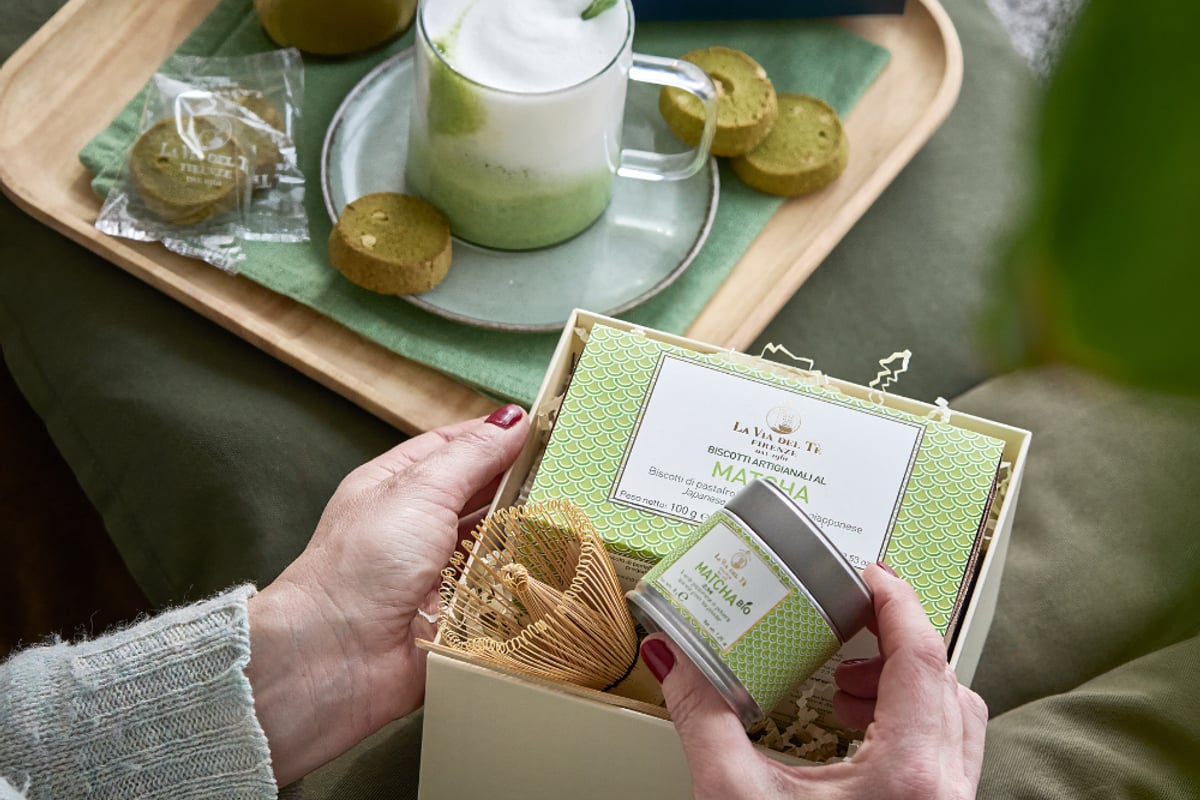
The Japanese tradition of matcha preparation exemplifies how processing elevates tea into ceremony. Stone-grinding shade-grown leaves into fine powder creates a completely different experience from steeped tea, one that honors both mindfulness and quality. For those interested in this meditative ritual, curated collections can provide authentic matcha experiences complete with traditional preparation tools and ceremonial-grade powder.
Tasting Notes and Flavor Profiles Worth Exploring
Developing your palate for organic premium tea mirrors the journey of appreciating fine wine or artisan chocolate. Begin by noticing color-golden greens, amber oolongs, deep ruby blacks. Inhale the dry leaves, then the brewed liquor. Finally, taste with attention to multiple dimensions.
Sweetness appears naturally in well-grown tea, a delicate honey or fruit character without added sugars. Umami brings savory depth, especially in Japanese greens and high-quality whites. Astringency provides structure without harsh bitterness when leaves are properly processed and brewed. Floral or vegetal notes vary by varietal and terroir.
Premium oolong teas deserve special attention. These partially oxidized teas offer extraordinary complexity, ranging from creamy and orchid-like to toasted and honeyed. Each infusion reveals new layers, making them ideal for the traditional gongfu brewing method.
Building a Tasting Practice
Start with single-origin teas to understand how region affects flavor. Compare spring and autumn harvests from the same garden to notice seasonal differences. Experiment with water temperature and steeping times-delicate teas shine at lower temperatures, while robust blacks handle boiling water beautifully.
Keep notes on your favorites, recording not just taste impressions but also the context: time of day, mood, food pairings. Tea appreciation deepens with mindful attention, transforming a daily habit into a contemplative practice.
Sustainable Sourcing and Ethical Considerations
Choosing organic premium tea supports agricultural systems that regenerate rather than deplete. Organic farms build soil carbon, protect watersheds, and provide habitat for pollinators and beneficial insects. This environmental stewardship ensures that tea gardens remain productive for future generations.
Fair trade and direct trade relationships matter tremendously in tea production. When artisan makers receive fair compensation, they can invest in quality improvements, worker welfare, and community development. The most ethical tea companies maintain transparent supply chains, often visiting farms personally and building long-term partnerships.
Look for certifications beyond basic organic:
- USDA Organic confirms compliance with U.S. standards
- EU Organic indicates European certification requirements
- Fair Trade ensures ethical labor practices
- Rainforest Alliance supports ecosystem protection
- Biodynamic certification represents holistic farm management
The True Cost of Premium Quality
Organic premium tea costs more than grocery store tea bags, reflecting real value. Hand-harvesting pays living wages to skilled workers. Organic certification requires documentation and inspections. Small-batch processing demands time and expertise. These costs support systems worth preserving-both agricultural and cultural.
When you purchase thoughtfully sourced tea, you're voting with your wallet for the kind of world you want to live in. Understanding why organic tea costs more helps reframe price from expense to investment in quality, health, and sustainability.
Tea as Gift: Sharing Premium Experiences
In many cultures, tea serves as a perfect gift-intimate enough to show thoughtfulness, universal enough to suit varied tastes, and practical enough to be enjoyed rather than displayed. Organic premium tea elevates this tradition, offering recipients not just a beverage but an experience of quality and care.
Gift presentations matter. Beautiful packaging that hints at the artisan story inside creates anticipation. Including tasting notes helps recipients approach new flavors with confidence. Pairing tea with complementary items-honey, elegant cups, or gourmet sweets-creates a complete sensory experience.
| Gift Occasion |
Tea Type Suggestion |
Complementary Items |
| Corporate Recognition |
Premium oolong assortment |
Artisan cookies, elegant infuser |
| Wedding Celebration |
White and green tea collection |
Honey, ceramic teacups |
| Wellness Wishes |
Herbal and green tea blend |
Organic honey, tea journal |
| Thank You Gesture |
Single-origin premium black |
Shortbread, vintage spoon |
Creating Memorable Tea Gift Experiences
Consider the recipient's lifestyle when selecting teas. Busy professionals appreciate convenient sachets of premium loose leaf. Home entertainers enjoy variety sets for sharing with guests. Wellness enthusiasts gravitate toward organic herbal blends and matcha.
Personal touches transform good gifts into extraordinary ones. Include brewing instructions written by hand. Share why you selected particular teas. Suggest pairing ideas that reflect shared memories or inside jokes. These details create emotional resonance that extends far beyond the tea itself.
For those seeking luxury gift packages that combine Italian artisan traditions with thoughtful curation, exploring curated collections offers inspiration for creating memorable moments.
Brewing Techniques That Honor Quality Leaves
Even the finest organic premium tea disappoints when poorly prepared. Water quality, temperature, vessel choice, and timing all influence the final cup. Mastering these variables allows the tea's true character to shine.
Water matters tremendously. Chlorinated tap water masks delicate flavors. Filtered or spring water provides a neutral canvas. Avoid distilled water, which lacks minerals that help extract flavor compounds.
Temperature determines extraction. Delicate white and green teas bruise easily, requiring water between 160-180°F. Oolong teas thrive at 185-200°F. Black teas and pu-erh welcome boiling water. Using a thermometer eliminates guesswork until you develop intuition.
Vessel Selection and Its Impact
Teapots made from different materials influence flavor subtly but noticeably. Glass allows you to watch leaves unfurl, perfect for flowering teas. Ceramic and porcelain maintain temperature stability without imparting flavor. Clay teapots, especially Yixing vessels, develop seasoning over time that enhances specific tea types.
Gaiwan-the lidded bowl traditional in Chinese tea culture-offers ultimate control over steeping. This simple vessel allows quick decanting and multiple short infusions that reveal how tea evolves across steepings. Many premium teas improve dramatically in second and third infusions.
Steeping guidelines by tea type:
-
White tea: 3-5 minutes at 170°F, multiple infusions possible
-
Green tea: 2-3 minutes at 175°F, 2-3 infusions ideal
-
Oolong tea: 30 seconds to 5 minutes at 195°F, 5+ infusions rewarding
-
Black tea: 3-5 minutes at 200-212°F, 2-3 infusions worthwhile
-
Pu-erh tea: Rinse briefly, then 30 seconds to 2 minutes at boiling, many infusions
Storage Practices That Preserve Freshness
Organic premium tea remains at peak quality for months when stored properly, developing interesting characteristics in some cases. Understanding storage requirements protects your investment and ensures optimal flavor.
Tea's main enemies are light, heat, moisture, and strong odors. Each degrades quality through different mechanisms. Ultraviolet light breaks down beneficial compounds and fades color. Heat accelerates oxidation. Moisture introduces the risk of mold. Odors permeate leaves easily since tea absorbs surrounding aromas.
Optimal storage solutions include:
- Opaque, airtight containers made from tin, ceramic, or dark glass
- Cool, consistent temperature away from stoves and windows
- Low humidity environment, especially for green and white teas
- Separation of strongly scented teas to prevent cross-contamination
Vacuum-sealed bags work beautifully for long-term storage, though once opened, transfer contents to appropriate containers. Some collectors age specific oolongs and pu-erhs intentionally, but most organic premium teas taste best within a year of harvest.
Recognizing Freshness and Quality Decline
Fresh tea leaves appear vibrant in color with a pleasant, characteristic aroma. As tea ages beyond peak freshness, colors fade toward brown, and aromatics become flat or musty. Taste provides the final verdict-if the cup lacks vibrancy or develops off-flavors, the tea has declined.
Purchase quantities you'll consume within a few months. While buying in bulk saves money, enjoying tea at peak freshness matters more than minimal cost savings. The comprehensive benefits of organic tea diminish as quality declines.
Exploring Tea Traditions Around the World
Tea culture varies magnificently across regions, each tradition offering insights into mindful consumption and hospitality. Japanese tea ceremony emphasizes precise movements and present-moment awareness. Chinese gongfu cha celebrates tea's evolving character through multiple quick infusions. British afternoon tea pairs premium blacks with delicate pastries in a social ritual.
Mediterranean tea traditions are emerging as regional producers experiment with cultivation. Italian innovation brings the same dedication to quality found in wine, cheese, and olive oil production. These new tea gardens honor ancient practices while expressing local terroir uniquely.
Moroccan mint tea combines green tea, fresh mint, and sugar in a ritual of hospitality. Indian masala chai simmers black tea with spices and milk for warming comfort. Turkish tea brewed in double teapots accompanies conversation throughout the day. Each tradition reflects cultural values around community, generosity, and taking time for connection.
Incorporating Tea Rituals Into Modern Life
You don't need elaborate equipment or hours of study to create meaningful tea moments. Start simply: dedicate a favorite cup to tea drinking, brew mindfully rather than distractedly, and give yourself permission to pause. Even five minutes of focused attention transforms a beverage into a ritual.
Consider establishing tea occasions that punctuate your day. Morning tea can set intentions. Afternoon tea provides a natural break for reflection. Evening tea signals transition from work to rest. These small ceremonies create rhythm and offer opportunities for gratitude.
Learning about premium tea varieties expands appreciation and helps identify which styles resonate with your palate and lifestyle.
Pairing Organic Premium Tea With Food
Tea's complexity makes it a natural companion to food, offering pairing possibilities as nuanced as wine. The key lies in matching intensity levels and finding complementary or contrasting flavors that elevate both tea and food.
Delicate white and green teas pair beautifully with light foods-steamed vegetables, mild cheeses, subtle fish dishes, and simple pastries. Their fresh, sometimes grassy character cleanses the palate without overwhelming gentle flavors. Consider serving alongside artisan crackers, soft goat cheese, or cucumber sandwiches.
Oolong teas show remarkable versatility. Lightly oxidized oolongs complement seafood, roasted poultry, and creamy desserts. Darker oolongs stand up to grilled meats, aged cheeses, and chocolate. Their complexity provides endless exploration opportunities.
Creating a Tea and Food Tasting Experience
Structure a tasting similar to wine flights, moving from lighter to more robust offerings. Start with a white or green tea paired with something simple-perhaps artisan biscotti or shortbread. Progress to oolong with cheese or nuts. Finish with black tea alongside chocolate or spiced cake.
Italian aperitivo traditions adapt beautifully to tea service. Replace wine with iced premium teas, offering light savory bites and conversation. This approach suits warm weather entertaining while maintaining sophistication. For those exploring good foodie gifts, consider collections that inspire these creative pairings.
Black teas excel with hearty fare-roasted meats, rich pastries, aged cheeses, and chocolate desserts. Their bold tannins cut through fat while complementing caramelized flavors. English Breakfast with buttered toast represents the classic pairing, but experiment with premium single-origin blacks alongside artisan chocolates or nut-based sweets.
The Science Behind Organic Premium Tea Benefits
Understanding the compounds in tea helps explain its effects on health and wellbeing. Polyphenols, particularly catechins in green tea and theaflavins in black tea, demonstrate antioxidant properties in laboratory and clinical studies. These molecules protect cells from oxidative stress, a factor in aging and chronic disease.
L-theanine, an amino acid unique to tea, promotes alert relaxation. It works synergistically with caffeine, creating focused energy without jitters. This combination explains why tea drinkers often report clearer thinking compared to coffee's more stimulating effects.
Research exploring whether organic tea contains more antioxidants suggests that growing conditions significantly impact phytonutrient levels. Plants grown without synthetic inputs often produce higher concentrations of protective compounds as natural defense mechanisms.
Beyond Antioxidants: Other Health Compounds
Tea contains minerals including potassium, manganese, and fluoride in trace amounts that contribute to overall nutrition. B vitamins and vitamin K appear in small quantities. While tea isn't a significant source of these nutrients, regular consumption contributes to daily intake.
Specific teas offer targeted benefits. Green tea shows promise for metabolic support. Black tea may benefit cardiovascular health. White tea contains anti-aging compounds. Herbal tisanes, while technically not tea, provide additional wellness properties from their constituent plants.
The ritual aspects of tea drinking shouldn't be underestimated. Taking time to prepare and savor tea reduces stress, encourages mindfulness, and creates moments of peace in busy lives-benefits that extend beyond chemistry into psychology and wellbeing.
Building Your Organic Premium Tea Collection
Starting a tea collection feels exciting and occasionally overwhelming given the vast options available. Begin with sampler sets that introduce various types without major investment. This approach lets you identify preferences before purchasing larger quantities.
Essential teas for a foundational collection include:
- One premium green tea (Japanese sencha or Chinese longjing)
- One oolong tea (Taiwanese high-mountain or Chinese Wuyi)
- One black tea (Darjeeling, Assam, or Ceylon)
- One white tea (silver needle or white peony)
- One herbal blend for evening drinking
As your collection grows, add seasonal varieties, rare single-estate teas, and experimental offerings. Create a simple catalog noting purchase dates, tasting impressions, and favorite preparations. This record helps track discoveries and guides future purchases.
Where to Source Quality Teas
Specialty tea retailers offer expertise and curation that generic stores cannot match. Look for shops where staff can describe teas knowledgeably, offer samples, and provide brewing guidance. Online specialists often maintain excellent selections with detailed product information.
Direct relationships with producers, when possible, ensure freshness and fair pricing. Some artisan makers sell directly through websites or at farmers markets. These connections add story and personality to your tea experience while supporting sustainable agriculture.
When considering tea as part of gift baskets for special occasions, selecting organic premium options demonstrates thoughtfulness and elevates the entire presentation.
Organic premium tea represents more than a beverage choice-it's a commitment to quality, sustainability, and mindful living that enriches daily life through small, intentional moments. Whether you're exploring tea traditions for personal enjoyment or seeking meaningful gifts that express care and sophistication, understanding what makes tea truly exceptional transforms simple consumption into genuine appreciation. Tasty Ribbon brings this same dedication to quality and artisan craftsmanship across their curated collection of Italian gourmet gifts, connecting you to authentic traditions and passionate makers who honor excellence in every detail.