The ritual of preparing and savoring a cup of tea transcends mere refreshment. It becomes a moment of pause, a bridge between cultures, and an invitation to appreciate craftsmanship that spans centuries. Premium green tea represents one of the most elegant expressions of this ancient tradition, combining meticulous cultivation techniques with profound health benefits and sophisticated flavor profiles. Whether you're selecting a thoughtful gift for a wellness enthusiast or exploring refined beverage options to complement gourmet experiences, understanding what distinguishes exceptional green tea from ordinary varieties opens doors to a world of sensory delight and cultural connection.
Understanding What Makes Green Tea Premium
Quality in green tea begins long before the leaves reach your cup. The finest varieties originate from specific terroirs where soil composition, altitude, and climate converge to create ideal growing conditions. Premium green tea typically comes from younger leaves and buds harvested during peak seasons, particularly the prized first flush of spring when plants produce their most delicate and nutrient-rich growth.
Processing methods significantly impact the final product's quality. Japanese producers often steam fresh leaves to halt oxidation, preserving vibrant green color and delicate vegetal notes. Chinese artisans traditionally employ pan-firing techniques that impart subtle toasted characteristics. These careful production processes require skilled hands and precise timing, distinguishing artisanal teas from mass-market alternatives.
The Role of Terroir and Cultivation
Single-origin teas from renowned regions command attention for good reason. Japanese gyokuro from Uji, Chinese longjing from Hangzhou, and sencha from Shizuoka each express distinctive characteristics shaped by their geographical origins. Organic cultivation practices further elevate quality by eliminating chemical residues while allowing plants to develop more complex flavor compounds through natural stress responses.
Premium producers often shade their tea plants weeks before harvest, a labor-intensive practice that increases chlorophyll and amino acid content while reducing bitterness. This attention to detail creates the sweet umami notes prized in high-grade varieties.
Health Benefits That Justify the Investment
The wellness properties of premium green tea have captured scientific attention for decades. Research indicates that green tea contains powerful antioxidants called catechins, particularly epigallocatechin gallate (EGCG), which may support cellular health and reduce inflammation. These compounds exist in higher concentrations in premium varieties due to superior cultivation and processing methods.
Beyond antioxidants, quality green tea provides L-theanine, an amino acid that promotes relaxation without drowsiness. This unique compound works synergistically with naturally occurring caffeine to deliver calm alertness, making premium green tea an ideal companion for focused work or meditative moments.
Documented Wellness Advantages
Studies published in medical journals have explored green tea's potential role in various aspects of health:
-
Cardiovascular support: Regular consumption may help maintain healthy cholesterol levels
-
Metabolic benefits: Compounds in green tea can support healthy metabolism and weight management
-
Cognitive function: L-theanine and caffeine together may enhance attention and memory
-
Anti-inflammatory properties: Polyphenols help combat oxidative stress throughout the body
Cleveland Clinic research emphasizes that while green tea offers genuine health advantages, quality matters significantly. Premium varieties contain higher concentrations of beneficial compounds compared to lower-grade alternatives, making them more effective for wellness applications.
| Benefit Category |
Key Compounds |
Premium vs. Standard |
| Antioxidant Protection |
EGCG, Catechins |
30-40% higher in premium |
| Mental Clarity |
L-theanine, Caffeine |
Better balanced ratio |
| Metabolic Support |
Polyphenols |
Superior bioavailability |
Pairing Premium Green Tea with Artisanal Foods
The sophisticated flavor profile of premium green tea makes it an exceptional companion for gourmet experiences. Its delicate astringency and subtle sweetness complement rather than overpower refined foods, creating harmonious tasting experiences that elevate both elements. When considering awesome food gifts, pairing quality tea with artisanal treats demonstrates thoughtfulness and cultural sophistication.
Japanese sencha beautifully accompanies delicate pastries and cookies, particularly those featuring nuts or subtle sweetness. The tea's vegetal notes and slight umami character balance buttery richness without overwhelming the palate. Italian biscotti, especially almond or hazelnut varieties, create an elegant bridge between Japanese tea traditions and Mediterranean culinary heritage.
For those who appreciate matcha, the ceremonial powder form of green tea offers unique pairing opportunities. Its creamy texture and concentrated flavor work wonderfully with both sweet and savory offerings. Matcha's earthy complexity complements high-quality chocolates, particularly those with nuts or subtle spice notes. The combination creates a sophisticated tasting experience that honors craftsmanship from multiple traditions.
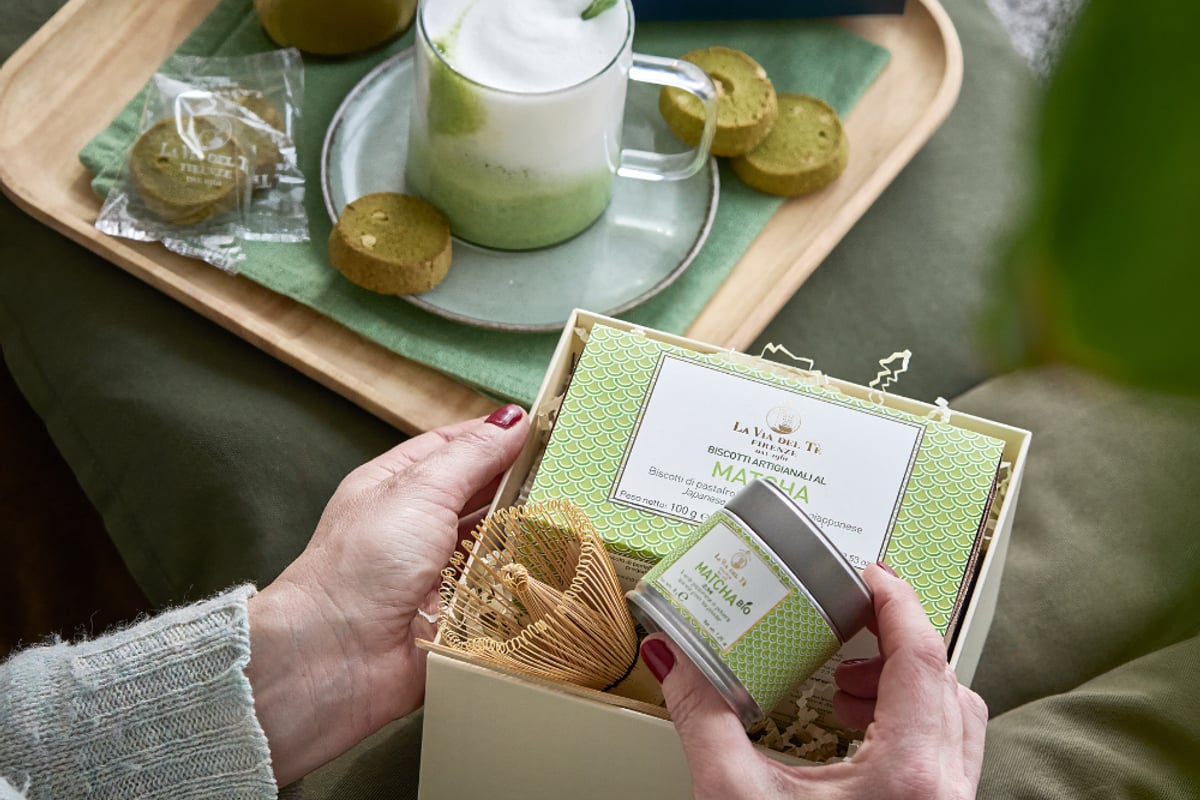
Creating Thoughtful Tea Gift Experiences
Assembling a premium tea gift requires consideration of complementary elements. Beyond the tea itself, include items that enhance the preparation ritual and extend the experience:
-
Quality preparation tools: Bamboo whisks for matcha, temperature-controlled kettles, or traditional Japanese teapots
-
Artisanal accompaniments: Handcrafted cookies, premium honey, or small-batch confections
-
Educational materials: Information about the tea's origin, proper brewing techniques, and tasting notes
-
Beautiful presentation: Elegant packaging that reflects the quality of contents
These thoughtful touches transform a simple gift into a memorable experience that recipients will cherish. When selecting luxury gift packages, consider how different elements work together to tell a cohesive story about quality, tradition, and mindful enjoyment.
Selecting Premium Green Tea for Different Occasions
Different situations call for specific tea varieties and presentation styles. Premium green tea gifts can be tailored to match the occasion's formality and the recipient's preferences. For corporate settings, elegant matcha sets or rare single-origin teas in sophisticated packaging convey respect and refinement. Personal celebrations might feature more playful presentations or discovery sets that allow exploration of multiple varieties.
Wellness-Focused Gifts
Health-conscious recipients appreciate gifts that support their lifestyle choices while delivering genuine quality. Premium organic green tea selections demonstrate understanding of their values while providing tangible wellness benefits. Scientific research supports the health advantages of regular green tea consumption, making these gifts both thoughtful and functional.
Pair organic sencha or gyokuro with other wellness-oriented items like raw honey, adaptogenic herbs, or minimally processed treats. This approach creates a cohesive gift that celebrates natural living without sacrificing sophistication or flavor.
Cultural Appreciation Gifts
For recipients who value cultural exploration, premium green tea offers an entry point into centuries of tradition. Japanese tea ceremony sets introduce the meditative aspects of chanoyu, while Chinese gaiwan brewing vessels open doors to gongfu tea traditions. Including background information about the tea's cultural significance adds educational value that enhances appreciation.
Consider how wine enthusiasts at establishments like Fancrest Estate approach tasting experiences with attention to terroir, craftsmanship, and sensory exploration. The same principles apply to premium tea appreciation, where origin, processing methods, and preparation techniques all influence the final experience.
The Art of Proper Green Tea Preparation
Even the finest premium green tea requires proper preparation to reveal its full potential. Temperature control proves critical, as water that's too hot extracts excessive bitterness while destroying delicate flavor compounds. Most green teas perform best with water between 160-180°F, significantly cooler than the boiling point often used for black teas.
Steeping time matters equally. Premium varieties typically require shorter infusions than lower-grade teas due to their concentrated flavor profiles. Beginning with 1-2 minutes allows you to assess the tea's character, with subsequent infusions adjusted based on preference. Quality leaves can be steeped multiple times, with each infusion revealing different flavor nuances.
Brewing Parameters by Tea Type
| Tea Variety |
Water Temperature |
First Steep Time |
Subsequent Steeps |
| Gyokuro |
140-150°F |
2 minutes |
Add 30 seconds each |
| Sencha |
160-170°F |
1 minute |
Add 15-30 seconds |
| Longjing |
170-180°F |
2-3 minutes |
Add 30-60 seconds |
| Matcha |
175°F |
Whisked, not steeped |
Single preparation |
Proper vessels enhance the experience significantly. Japanese kyusu teapots with built-in filters allow leaves to expand fully while preventing sediment in the cup. Gaiwan brewing offers hands-on engagement with the tea, perfect for those who appreciate ritualistic preparation.
Storing and Preserving Premium Green Tea
Premium green tea requires careful storage to maintain its delicate flavor and health properties. Unlike aged teas that improve with time, green tea is best enjoyed fresh. Exposure to air, light, heat, and moisture all degrade quality rapidly, making proper storage essential for preserving your investment.
Airtight containers made from opaque materials provide ideal protection. Many premium producers package their teas in vacuum-sealed foil pouches or specialized tins designed to exclude oxygen and light. Once opened, transfer contents to clean, dry containers and store in cool, dark locations away from strong-smelling foods that might impart unwanted flavors.
Optimal Storage Conditions
-
Temperature: Cool and stable, ideally 60-70°F
-
Light exposure: Complete darkness preferred
-
Humidity: Below 60% relative humidity
-
Container: Airtight, opaque, food-safe materials
-
Location: Away from spices, coffee, or aromatic foods
Refrigeration can extend shelf life for premium varieties, particularly for matcha powder, which oxidizes quickly at room temperature. When refrigerating, use completely airtight containers and allow them to reach room temperature before opening to prevent condensation on the leaves.
Green Tea as a Bridge Between Cultures
The global appreciation for premium green tea demonstrates how traditional practices from one culture can resonate across borders while maintaining their essential character. Just as Italian culinary traditions have enriched tables worldwide while remaining distinctly Italian, Japanese and Chinese tea cultures have traveled globally without losing their authentic spirit.
This cultural exchange creates opportunities for meaningful connections. When gifting premium green tea alongside Italian artisanal products, you create a dialogue between traditions that share common values: respect for craftsmanship, dedication to quality ingredients, and appreciation for rituals that slow down daily life to create moments of genuine pleasure.
Harvard Health research notes that tea consumption patterns vary significantly across cultures, yet the fundamental appreciation for quality remains constant. Whether enjoying matcha in a traditional Japanese ceremony or sipping sencha alongside Italian amaretti, the underlying principle celebrates thoughtful preparation and mindful consumption.
Seasonal Considerations for Tea Selection
Different premium green tea varieties shine during specific seasons, both in terms of harvest timing and optimal enjoyment periods. Spring-harvested first flush teas like shincha deliver bright, verdant flavors that mirror the season's renewal energy. These limited-availability offerings make exceptional gifts for special occasions during spring months.
Summer calls for lighter preparations and cold-brew methods that showcase green tea's refreshing qualities without heat. Premium varieties maintain flavor integrity even when steeped cold, unlike lower-grade teas that become thin or bitter. Cold-brewing also reduces caffeine extraction while preserving beneficial compounds, creating a gentler beverage perfect for warm weather.
Year-Round Gift Appeal
While certain varieties align with specific seasons, premium green tea maintains gift-worthiness throughout the year:
-
Spring: First flush sencha, gyokuro celebrating new harvests
-
Summer: Premium varieties for cold brewing, refreshing iced preparations
-
Autumn: Heartier Chinese green teas, matcha for warming preparations
-
Winter: Ceremonial-grade teas for indoor rituals, wellness-focused gifts
When considering good foodie gifts for culinary enthusiasts, think about how seasonal tea selections can complement their cooking and entertaining patterns. Autumn harvest teas pair beautifully with comfort foods, while spring varieties enhance lighter fare.
Beyond the Cup: Culinary Applications
Premium green tea extends beyond beverages into creative culinary applications that showcase its versatility. Matcha powder particularly lends itself to cooking and baking, imparting distinctive flavor and vibrant color to everything from ice cream to pasta. Its concentrated form allows precise flavor control while delivering the full spectrum of green tea's health compounds.
Ground sencha or gyokuro can infuse oils, salts, or sugars with subtle tea flavors that elevate both sweet and savory dishes. Tea-smoked proteins offer sophisticated preparation methods for special occasions, while tea-poached fruits create elegant desserts with minimal added sugar.
Creative Applications for Tea Enthusiasts
-
Matcha in desserts: Cookies, cakes, truffles, and frozen treats
-
Tea-infused syrups: Cocktail ingredients, pancake toppings, fruit compotes
-
Savory seasonings: Tea salts for fish, tea rubs for poultry
-
Broth enhancement: Adding depth to soups and sauces
-
Preservation medium: Tea-cured ingredients for unique flavors
These culinary explorations make excellent conversation starters when presenting premium green tea gifts. Including recipe suggestions or pairing ideas helps recipients discover new ways to enjoy their gift beyond traditional preparation methods.
Investment Value of Premium Tea
Quality green tea represents more than a beverage choice; it's an investment in wellness, cultural appreciation, and sensory refinement. While premium green tea commands higher prices than supermarket varieties, the value proposition extends beyond simple cost comparison. Superior flavor profiles mean you use less tea per serving while achieving more satisfying results. Multiple steeping capability further extends value, as quality leaves yield three to five flavorful infusions.
Comprehensive research documenting green tea's health benefits suggests that regular consumption of high-quality varieties may contribute to long-term wellness, potentially offsetting healthcare costs through preventive nutrition. This perspective positions premium tea as a wellness investment rather than a luxury expense.
Cost Analysis: Premium vs. Standard
| Factor |
Standard Green Tea |
Premium Green Tea |
| Initial Cost |
Lower |
Higher |
| Servings per Ounce |
15-20 |
25-40 (multiple steeps) |
| Flavor Quality |
Basic |
Complex, refined |
| Health Compounds |
Moderate levels |
Higher concentrations |
| Gift Impact |
Functional |
Memorable |
When selecting gift baskets for special occasions, including premium tea elevates the entire presentation. Recipients recognize quality immediately, and the gift continues delivering value with each cup they prepare.
Sustainability and Ethical Sourcing
Modern consumers increasingly value transparency in sourcing and production practices. Premium green tea producers often lead sustainability initiatives, recognizing that environmental stewardship and quality production naturally align. Organic certification, fair trade practices, and direct relationships with tea gardens characterize many top-tier brands.
Small-scale producers practicing traditional cultivation methods typically employ sustainable techniques by default. Hand-harvesting preserves plants and allows selective picking of optimal leaves. Natural pest management and biodiversity maintenance create healthier ecosystems that produce superior tea while protecting agricultural heritage for future generations.
Supporting Artisanal Producers
Choosing premium tea from established artisans creates a direct connection between your purchase and the people who cultivate, process, and prepare these exceptional products. This relationship mirrors the philosophy behind Tasty Ribbon, which emphasizes authentic artisanal partnerships that honor traditional craftsmanship while supporting sustainable livelihoods.
Look for producers who share information about their farming practices, processing methods, and the people behind the tea. Transparency indicates pride in workmanship and commitment to quality that extends beyond marketing claims.
Premium green tea offers a unique intersection of wellness benefits, cultural richness, and refined flavor that makes it an exceptional gift choice for discerning recipients. Whether you're exploring tea for personal enjoyment or selecting thoughtful presents, understanding quality markers ensures your choices deliver genuine value. Tasty Ribbon brings this same commitment to artisanal excellence across a curated collection of Italian gourmet gifts, connecting you with authentic craftsmanship and creating memorable experiences that celebrate quality, tradition, and the joy of giving.