The vibrant green powder that has captivated wellness enthusiasts and tea lovers across the globe represents far more than a trendy beverage. Premium matcha embodies centuries of Japanese tradition, meticulous craftsmanship, and a deep reverence for quality that parallels the artisanal dedication found in Italy's finest culinary products. Just as authentic Italian Parmigiano Reggiano requires specific production methods and regional expertise, true ceremonial-grade matcha demands precise cultivation, expert processing, and unwavering commitment to excellence. This verdant powder has earned its place among the world's most sophisticated ingredients, worthy of the same appreciation we extend to the finest European artisanal goods.
Understanding the Hierarchy of Matcha Quality
Not all matcha is created equal. The spectrum of quality ranges from culinary-grade powders to the most exquisite ceremonial preparations that command premium prices.
Premium matcha distinguishes itself through several critical factors that elevate it above standard offerings. The finest leaves come from shade-grown tea plants, typically harvested during the first spring flush when tender young shoots contain the highest concentration of beneficial compounds. According to Healthline's comprehensive guide on matcha benefits, this shading process increases chlorophyll production and amino acid content, creating the vibrant color and complex flavor profile that defines superior matcha.
The Three Categories of Matcha
| Grade |
Characteristics |
Best Uses |
| Ceremonial |
Bright green, smooth, naturally sweet |
Traditional tea ceremonies, straight preparation |
| Premium |
Rich color, balanced flavor, minimal bitterness |
Daily drinking, lattes, special occasions |
| Culinary |
Slightly bitter, robust flavor, lighter color |
Baking, cooking, smoothies |
The distinction between these grades becomes immediately apparent when comparing appearance and taste. Ceremonial matcha displays an almost luminescent jade hue and dissolves effortlessly in water, producing a naturally sweet, umami-rich beverage without any additions. Lower grades exhibit a more olive or yellowish-green tone and often require sweeteners to balance inherent bitterness.
Texture matters profoundly in premium preparations. Stone-ground matcha achieves a talcum-powder fineness that inferior products simply cannot match, ensuring smooth suspension in liquid and preventing the grainy mouthfeel associated with mass-produced alternatives.
The Sacred Art of Cultivation and Processing
Traditional matcha production begins weeks before harvest when tea farmers cover their plants with bamboo shades or tarps. This deliberate reduction of sunlight triggers a fascinating botanical response.
Deprived of direct light, the Camellia sinensis plants compensate by producing increased amounts of chlorophyll and L-theanine, an amino acid responsible for matcha's characteristic calm alertness. The shading period typically lasts three to four weeks, during which skilled cultivators monitor the plants daily to ensure optimal development.
The Journey from Leaf to Powder
-
First flush harvest: Only the youngest, most tender shoots are selected by hand
-
Steaming: Immediate processing halts oxidation and preserves vibrant color
-
Air drying: Traditional methods preserve delicate flavors
-
De-stemming and de-veining: Labor-intensive removal of all fibrous material
-
Stone grinding: Ancient granite mills pulverize leaves at cool temperatures
The final grinding stage proves particularly crucial. Premium Japanese matcha production relies on traditional stone mills that rotate at deliberate, measured speeds. This slow process prevents heat buildup that would degrade delicate flavor compounds and aromatic oils. A single mill can produce only 30 to 40 grams of matcha per hour, explaining why authentic ceremonial-grade powder commands such respect and investment.
This painstaking attention to detail mirrors the dedication found in Italy's most celebrated food traditions. Just as artisanal Italian gifts showcase the patience and expertise of master craftspeople, premium matcha represents generations of refined knowledge passed from tea master to apprentice.
Health Benefits That Justify the Premium
The wellness advantages of premium matcha extend far beyond simple caffeine delivery. These benefits emerge specifically from high-quality preparations, as inferior grades may contain significantly lower concentrations of beneficial compounds.
Harvard Health's examination of matcha highlights several compelling advantages. The powder contains exceptionally high levels of catechins, particularly epigallocatechin gallate (EGCG), a potent antioxidant linked to cellular protection and metabolic support.
Key Wellness Advantages
Antioxidant power: Premium matcha contains up to 137 times the antioxidants of standard green tea. When you consume the entire ground leaf rather than steeping and discarding it, you receive the full spectrum of beneficial compounds.
Sustained energy: The unique combination of caffeine and L-theanine creates alert calm rather than jittery energy. This synergy allows for focused concentration without the crash associated with coffee or energy drinks.
Metabolic support: Research suggests that regular consumption may enhance fat oxidation and support healthy weight management when combined with balanced nutrition and regular movement.
Cognitive function: The amino acid profile in premium grades supports memory, focus, and mental clarity, making it a favorite among students, professionals, and creative thinkers.
For those seeking thoughtful wellness-focused gifts, premium matcha represents both indulgence and intention, a luxurious treat that also nurtures wellbeing.
Preparing Premium Matcha with Proper Technique
Ceremonial preparation transforms matcha from powder to experience. The traditional approach respects both the ingredient's quality and the meditative ritual that has defined Japanese tea culture for centuries.
The essential tools include a bamboo whisk (chasen), bamboo scoop (chashaku), ceramic bowl (chawan), and fine sieve. Each element serves a specific purpose in creating the perfect cup.
Traditional Preparation Steps
-
Sift the powder: Push 1-2 grams of matcha through a fine sieve to eliminate clumps
-
Heat water: Bring filtered water to approximately 175°F (not boiling, which creates bitterness)
-
Add water: Pour about 2 ounces of hot water into the bowl with the sifted matcha
-
Whisk vigorously: Use rapid "M" or "W" motions with the bamboo whisk for 15-20 seconds
-
Create foam: Continue whisking until a thick, creamy layer of foam appears on the surface
-
Serve immediately: Enjoy while warm, appreciating the color, aroma, and flavor
The Matcha Moments collection beautifully captures this ceremonial tradition, combining authentic bamboo tools with ceremonial-grade powder and sophisticated Italian shortbread cookies infused with matcha and pine nuts. This elegant fusion demonstrates how different culinary cultures can complement and elevate each other, creating moments of mindful indulgence that transcend borders.
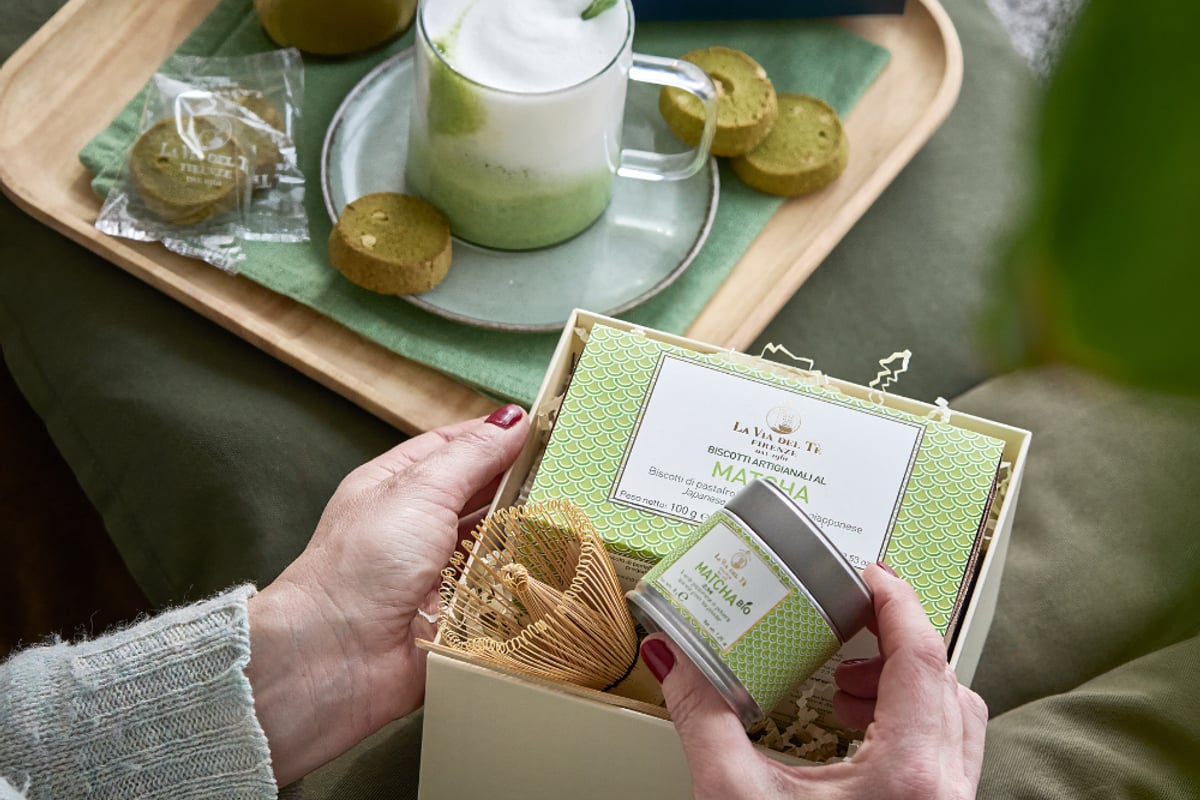
Modern preparations have expanded beyond traditional bowls to include lattes, smoothies, and culinary applications. When using premium matcha in these contexts, remember that high heat and extended mixing can degrade delicate flavor compounds. For hot lattes, whisk the matcha with a small amount of hot water first, creating a concentrated paste before adding steamed milk.
Identifying Authentic Premium Quality
The market floods with matcha products ranging from genuinely exceptional to disappointingly mediocre. Developing the ability to distinguish quality protects both your investment and your palate.
Visual assessment provides the first clue. Premium matcha exhibits a vibrant, almost neon jade-green color. Dull, yellowish, or brownish tones indicate oxidation, age, or lower-grade leaves. The powder should appear extraordinarily fine, almost like eye shadow in texture, with no visible particles or grittiness.
Quality Indicators to Examine
| Factor |
Premium Grade |
Lower Grade |
| Color |
Vibrant jade green |
Olive, yellow, or brown tones |
| Texture |
Silky, ultra-fine |
Grainy, coarse particles |
| Aroma |
Fresh, vegetal, sweet |
Hay-like, musty, or stale |
| Taste |
Naturally sweet, umami-rich |
Bitter, astringent, one-dimensional |
| Origin |
Specific Japanese regions |
Vague or undisclosed sourcing |
Aroma tells a compelling story about freshness and processing quality. Open a container of premium matcha and you should encounter fresh, slightly sweet, vegetal notes reminiscent of fresh grass after rain. Any musty, hay-like, or stale odors signal age or improper storage.
The taste test confirms what appearance and aroma suggest. Premium preparations deliver natural sweetness with pronounced umami character, the savory depth that defines Japanese cuisine's fifth taste. Bitterness should remain minimal or absent entirely. If you detect harsh, astringent flavors dominating the experience, the matcha likely comes from later harvests or lower-quality leaves.
Cultural Significance and Modern Appreciation
The reverence for premium matcha extends beyond physical properties into cultural and spiritual dimensions. In Japan, the tea ceremony (chanoyu) represents a profound meditation on presence, beauty, and connection.
This philosophical approach to food and beverage preparation shares surprising parallels with Italian culture's deep respect for ingredients and tradition. Both cultures understand that the finest experiences emerge when quality materials meet skilled preparation and mindful appreciation. The Italian concept of "la dolce vita" and the Japanese practice of "ichigo ichie" (treasuring each unrepeatable moment) both celebrate presence and gratitude for life's beautiful details.
Contemporary applications have adapted ceremonial traditions for modern lifestyles without abandoning core principles of quality and intention. Gourmet food gift hampers increasingly feature premium matcha alongside artisanal products from various culinary traditions, recognizing that sophistication transcends geographic boundaries.
Young professionals incorporate matcha breaks into demanding workdays, finding moments of calm amid digital chaos. Parents introduce children to quality ingredients early, teaching appreciation for craftsmanship over convenience. Home bakers experiment with matcha in desserts, creating fusion treats that honor traditional flavors while exploring new expressions.
Storing and Preserving Premium Quality
Premium matcha's delicate nature demands careful storage to maintain peak freshness. Exposure to light, air, heat, and moisture rapidly degrades quality, transforming vibrant powder into dull, lifeless dust.
Immediately after opening, transfer matcha to an airtight, opaque container if the original packaging doesn't provide adequate protection. Glass jars look beautiful but allow damaging light exposure, making them poor choices despite their aesthetic appeal. Instead, choose ceramic containers with tight-fitting lids or specialized tea tins designed for matcha storage.
Optimal Storage Practices
-
Temperature: Store in a cool, dark location away from heat sources
-
Refrigeration: Acceptable for unopened containers; allow to reach room temperature before opening to prevent condensation
-
Freezing: Suitable for long-term storage of sealed packages; never freeze opened matcha
-
Portion control: Purchase quantities you'll consume within 1-2 months after opening
-
Dedicated container: Avoid containers that previously held strong-smelling foods
The ceremonial-grade products deserve the same respect you'd extend to fine wine or aged cheese. When investing in premium offerings, protect that investment through proper care. Unlike robust ingredients that improve with age, matcha achieves perfection at production and gradually declines thereafter.
Premium Matcha in Culinary Applications
While traditional preparation showcases matcha's pure character, culinary applications reveal its versatility and complementary nature. The key to successful cooking with premium matcha lies in understanding when its subtle complexity enhances a dish and when robust culinary grades prove more appropriate and economical.
Delicate preparations benefit from ceremonial-grade matcha. White chocolate ganache, panna cotta, French macarons, and shortbread cookies allow the powder's refined flavors to shine without competition from aggressive ingredients. Italian pastry traditions particularly lend themselves to matcha incorporation, as both cultures prize elegant restraint and balanced sweetness.
Bold applications like dense brownies, protein smoothies, or savory sauces work perfectly well with lower grades. The intense flavors in these preparations would overwhelm subtle notes that justify premium pricing, making culinary-grade matcha the sensible choice.
Pairing Suggestions
Sweet preparations: Pair with ingredients that complement rather than compete. White chocolate, cream, butter, vanilla, and nuts (especially hazelnuts and pine nuts) enhance matcha's natural character. Avoid overwhelming citrus or aggressive spices in premium preparations.
Beverages beyond tea: Premium matcha elevates milk-based drinks, from traditional lattes to creative cocktails. The powder's natural emulsifying properties create stable suspensions, ensuring consistent flavor throughout each sip.
Savory applications: In Japanese cuisine, matcha appears in soba noodles, salt blends, and even tempura batter. These applications typically use culinary grades, but experimentation with small amounts of premium powder in finishing salts or compound butter yields sophisticated results.
Investment Value and Economic Considerations
Premium matcha commands significant prices, sometimes exceeding $1 per gram for exceptional ceremonial grades. Understanding this pricing helps contextualize the investment and appreciate the value proposition.
Consider the labor intensity involved. WebMD's analysis of matcha notes that production requires meticulous hand-picking, specialized processing, and traditional stone grinding that produces minimal yield per hour. Add the limited growing regions, specific cultivar requirements, and expertise needed at every stage, and the pricing structure becomes comprehensible.
When evaluated per serving, premium matcha compares favorably to specialty coffee drinks or artisanal chocolate. A single gram produces one traditional preparation, meaning a 30-gram tin provides a month of daily ritual at roughly $1-2 per serving. This positions it as an accessible luxury rather than an extravagant indulgence, much like enjoying luxury gift packages that deliver exceptional quality at considered price points.
The experience value extends beyond mere consumption. Premium matcha invites mindfulness, creates ceremony from routine, and connects us to traditions larger than ourselves. These intangible benefits resist quantification but profoundly enhance daily life, transforming ordinary moments into opportunities for appreciation and presence.
Premium matcha represents the intersection of tradition, craftsmanship, and wellness, offering both immediate pleasure and enduring benefits to those who appreciate quality ingredients. Whether you're seeking thoughtful gifts for special occasions or curating your own collection of artisanal products, the principles that define exceptional matcha mirror those found in Italy's finest culinary traditions. Tasty Ribbon understands this shared commitment to authenticity and excellence, offering carefully curated selections that honor both Eastern and Western artisanal heritage, allowing you to celebrate life's beautiful moments with products that reflect genuine craftsmanship and cultural respect.