When most people think of Italian beverages, they envision rich espresso shots pulled from gleaming machines or bold glasses of Chianti swirled at sunset. Yet nestled within Italy's culinary landscape lies a quieter, more contemplative tradition: the art of italian tea and herbal infusions. While tea may not claim the same iconic status as coffee in Italy, the country's relationship with tea and tisane (herbal infusions) reveals a sophisticated understanding of botanicals, wellness, and the pleasure of savoring moments throughout the day. From alpine meadows to Mediterranean hillsides, Italy's diverse terrain yields aromatic herbs that have been transformed into soothing infusions for centuries.
The Unexpected History of Italian Tea Culture
Italy's tea tradition differs markedly from the elaborate ceremonies of England or the meditative rituals of Japan. Italian tea culture developed along its own path, shaped by the country's deep connection to herbal medicine and agricultural diversity. Unlike nations where tea arrived through colonial trade routes, Italy's beverage traditions grew organically from indigenous plants and Mediterranean botanicals.
The Romans understood the therapeutic properties of herbs long before modern wellness trends emerged. Ancient texts document the use of chamomile for relaxation, mint for digestion, and fennel for various ailments. These practices never disappeared; instead, they evolved into the tisaneria tradition that thrives in Italy today.
Regional Herbal Traditions
Each Italian region boasts unique botanical treasures that influence local italian tea preferences:
-
Tuscany: Wild fennel and verbena from hillside gardens
-
Sicily: Citrus blossoms, including orange and lemon flowers
-
Lombardy: Alpine herbs like gentian and mountain thyme
-
Puglia: Mediterranean botanicals such as rosemary and sage
-
Piedmont: Chamomile fields and lemon balm cultivation
The diversity of Italy's twenty regions means that herbal knowledge varies dramatically from north to south. A grandmother in the Dolomites might prepare a completely different blend than one in Calabria, yet both draw from centuries of accumulated wisdom about which plants soothe, invigorate, or comfort.
Understanding Tisane: Italy's Herbal Answer to Tea
The word "tisana" appears frequently in Italian homes, pharmacies, and specialty shops. While technically distinct from true tea (which comes from the Camellia sinensis plant), tisane represents Italy's most authentic contribution to the world of steeped beverages. These herbal infusions focus on specific wellness benefits rather than simple refreshment.
Italian drinks culture embraces the concept of functional beverages. Italians don't just drink for pleasure; they choose beverages strategically throughout the day. A morning espresso jumpstarts the system, an afternoon digestivo aids digestion, and an evening tisana prepares the body for rest.
Common Italian Herbal Blends
| Blend Type |
Primary Ingredients |
Traditional Purpose |
| Tisana Rilassante |
Chamomile, lemon balm, passionflower |
Evening relaxation |
| Tisana Digestiva |
Fennel, mint, licorice root |
After-meal digestion |
| Tisana Depurativa |
Dandelion, nettle, birch |
Detoxification support |
| Tisana Energizzante |
Ginger, lemon, turmeric |
Morning vitality |
These functional blends demonstrate how italian tea traditions prioritize wellness alongside enjoyment. The careful selection of ingredients reflects both regional availability and generations of empirical knowledge about plant properties.
The Art of Organic Italian Tea Production
Modern Italian tea and tisane producers embrace organic cultivation methods that honor the land while meeting contemporary quality standards. Organic Italian teas showcase the country's commitment to sustainable agriculture and chemical-free farming practices.
Small-scale producers throughout Italy cultivate medicinal plants with meticulous care. These artisans understand that soil health directly impacts the potency and flavor of their herbs. Many maintain biodynamic farms where plants grow in harmony with lunar cycles and natural rhythms.
The process of creating exceptional italian tea begins in carefully tended fields. Unlike mass-produced tea bags filled with dust and fragments, premium Italian herbal blends feature whole flowers, intact leaves, and recognizable plant parts. This attention to detail ensures maximum essential oil retention and superior flavor.
From Field to Cup: The Italian Approach
Harvesting timing proves crucial for italian tea quality. Chamomile flowers must be picked at peak bloom when volatile oils reach maximum concentration. Lemon balm leaves demand morning harvest before the sun evaporates their delicate essence. This precision requires knowledge passed down through generations of herbalists and farmers.
After harvest, proper drying techniques preserve both medicinal properties and aromatic compounds. Traditional methods involve air-drying in shaded, well-ventilated spaces. Modern producers may use low-temperature dehydrators that maintain optimal conditions without compromising plant integrity.
Artisanal Tea Blenders: Masters of Botanical Balance
Walking into a traditional erboristeria (herbal shop) in Italy feels like entering an apothecary from another era. Glass jars line wooden shelves, each containing carefully labeled botanicals. The proprietor, often trained in herbalism, crafts custom blends based on individual needs and preferences.
L'Angelica's herbal teas exemplify the modern artisanal approach to italian tea creation. Their formulations combine traditional knowledge with contemporary research, resulting in blends that satisfy both palate and purpose. Ingredients like ginger, turmeric, and chamomile are sourced from verified suppliers and blended according to precise ratios.
These master blenders understand flavor harmony in ways that parallel great chefs. A tisana should taste pleasant while delivering therapeutic benefits. Too much licorice overwhelms delicate chamomile; insufficient mint fails to provide the desired digestive support. Balance requires both science and artistry.
Regional Specialties and Signature Blends
Just as each Italian town claims its own pasta shape or cheese variety, regional italian tea specialties reflect local terroir and tradition. Producers develop signature blends that capture the essence of their homeland.
In Piedmont, producers create relaxing herbal blends featuring locally grown lemon balm, passionflower, and chamomile. These organic ingredients come from the same fertile plains that produce world-renowned hazelnuts and wines. The connection between land and beverage runs deep.
Northern Italy's Alpine Influence
Mountain regions contribute unique botanicals to the italian tea repertoire:
-
Gentian root: Prized for digestive properties
-
Wild thyme: Aromatic and antimicrobial
-
Arnica flowers: Traditionally used in external preparations
-
Edelweiss: Rare alpine beauty with antioxidant properties
-
Mountain pine: Respiratory support and forest aromatics
These alpine plants thrive in harsh conditions, developing concentrated essential oils and robust flavors. Their inclusion in italian tea blends adds complexity and therapeutic potency unavailable from cultivated lowland herbs.
The Wellness Movement and Modern Italian Tea
Contemporary Italian consumers increasingly seek natural solutions for stress management, sleep support, and overall wellbeing. This shift has revitalized interest in traditional italian tea formulations while inspiring innovation in the category.
Purifying herbal teas designed to support the body's natural detoxification processes have gained popularity. These blends typically feature dandelion, nettle, and birch-plants long recognized for their cleansing properties. The modern packaging and marketing may look contemporary, but the formulations honor centuries-old wisdom.
Young Italians discover that their grandmothers' remedies align perfectly with current wellness trends. The tisana their nonna prepared for better sleep contains the same chamomile and melissa that wellness influencers now promote. This continuity between generations strengthens the appeal of italian tea traditions.
Organic Certification and Quality Standards
| Certification |
Significance |
Consumer Benefit |
| Bio/Organic |
No synthetic pesticides or fertilizers |
Cleaner ingredients |
| DOP/IGP |
Protected designation of origin |
Guaranteed authenticity |
| Fair Trade |
Ethical sourcing practices |
Social responsibility |
| Biodynamic |
Holistic farming approach |
Enhanced vitality |
These certifications matter to consumers seeking authentic, responsibly produced italian tea. They provide assurance that products meet rigorous standards and support sustainable agriculture.
Incorporating Italian Tea into Daily Rituals
Italians excel at transforming ordinary moments into small ceremonies. The afternoon tisana break offers a pause in the day's momentum, a chance to reset and reflect. This practice requires no special equipment beyond a cup, hot water, and quality herbs.
Creating your own italian tea ritual begins with selecting blends that resonate with your needs and preferences. Morning calls for energizing ginger and lemon combinations. Afternoon invites digestive fennel and mint. Evening welcomes calming chamomile and lavender.
Preparation Techniques
Proper brewing elevates italian tea from beverage to experience:
-
Water temperature: Herbal infusions tolerate boiling water, unlike delicate green teas
-
Steeping time: Allow 5-7 minutes for full extraction
-
Covered vessel: Prevents volatile oil evaporation
-
Fresh ingredients: Use within one year for maximum potency
The ritual extends beyond drinking. Watching dried flowers unfurl in hot water, inhaling aromatic steam, feeling warmth radiate from the cup-these sensory elements contribute to the therapeutic effect.
Italian Tea as a Thoughtful Gift
Sharing exceptional italian tea demonstrates thoughtfulness and care. Unlike generic gift items, artisanal herbal blends convey attention to the recipient's wellbeing and appreciation for quality. These gifts work beautifully for wellness enthusiasts, tea lovers, or anyone seeking moments of tranquility.
Curated collections of Italian teas make impressive presents when thoughtfully packaged. The visual appeal of whole herbs in glass containers, combined with aromatic complexity and therapeutic benefits, creates a multi-sensory gift experience. Including information about each blend's regional origin and traditional uses adds educational value.
When creating gourmet food gifts that celebrate Italian culture, italian tea selections complement other artisanal products beautifully. Pairing herbal infusions with honey, biscotti, or chocolate creates a complete sensory journey through Italy's diverse landscape.
The Erboristeria Experience
Traditional Italian herbalist shops offer immersive experiences unavailable in conventional retail settings. La Mandragola's herbal teas exemplify this approach, providing extensive selections alongside expert guidance. Staff members possess deep knowledge about plant properties and can recommend specific blends for various needs.
These establishments function as community wellness resources. Customers return regularly, building relationships with herbalists who remember their preferences and track their journey toward better health. This personalized service reflects Italian values around human connection and local expertise.
Walking through an erboristeria, you might find:
- Bulk herbs sold by weight for custom blending
- Pre-mixed formulations addressing specific concerns
- Essential oils and botanical extracts
- Natural beauty products featuring herbal ingredients
- Reference books about traditional plant medicine
The atmosphere encourages exploration and education. Unlike impersonal chain stores, erboristerie invite questions and conversation.
Seasonal Italian Tea Traditions
Italian tea consumption shifts with the seasons, reflecting both climatic changes and agricultural cycles. Summer brings cooling mint and lemon verbena infusions, often enjoyed at room temperature or slightly chilled. Winter demands warming ginger, cinnamon, and orange peel combinations that combat cold and darkness.
Spring celebrates renewal with fresh herb harvests. Young nettle leaves, gathered before the plant flowers, create vibrant green infusions rich in minerals. Elderflower blossoms, collected from hedgerows, yield delicate, slightly sweet tisane perfect for afternoon sipping.
Autumn focuses on immune support and grounding. Echinacea, elderberry, and rose hip blends prepare the body for winter's challenges. These preventive formulations reflect the Italian approach to health: addressing potential issues before they become problems.
Holiday Traditions
Special occasions call for distinctive italian tea preparations:
-
Christmas: Spiced blends with cinnamon, clove, and orange
-
Easter: Floral infusions featuring rose and lavender
-
Ferragosto: Refreshing mint and lemon combinations
-
New Year: Detoxifying blends for fresh starts
These seasonal variations keep the italian tea tradition dynamic and responsive to natural rhythms.
Pairing Italian Tea with Food
While coffee dominates Italian meal culture, herbal infusions complement certain foods exceptionally well. Light tisane enhances rather than overwhelms delicate flavors, making them ideal accompaniments for biscotti, pastries, and fruit-based desserts.
Chamomile's subtle sweetness pairs beautifully with almond cookies. Peppermint cleanses the palate after rich chocolate desserts. Lemon verbena brightens fruit tarts and sorbets. These combinations demonstrate how italian tea integrates into broader culinary contexts.
Consider these pairing principles:
| Tea Type |
Ideal Food Pairing |
Flavor Logic |
| Chamomile |
Honey pastries, shortbread |
Gentle sweetness harmony |
| Mint |
Chocolate, citrus desserts |
Refreshing contrast |
| Fennel |
Almond biscotti, dried fruit |
Complementary anise notes |
| Rose hip |
Berry tarts, yogurt |
Tart fruit synergy |
Beyond Borders: Italian Tea Meets Global Traditions
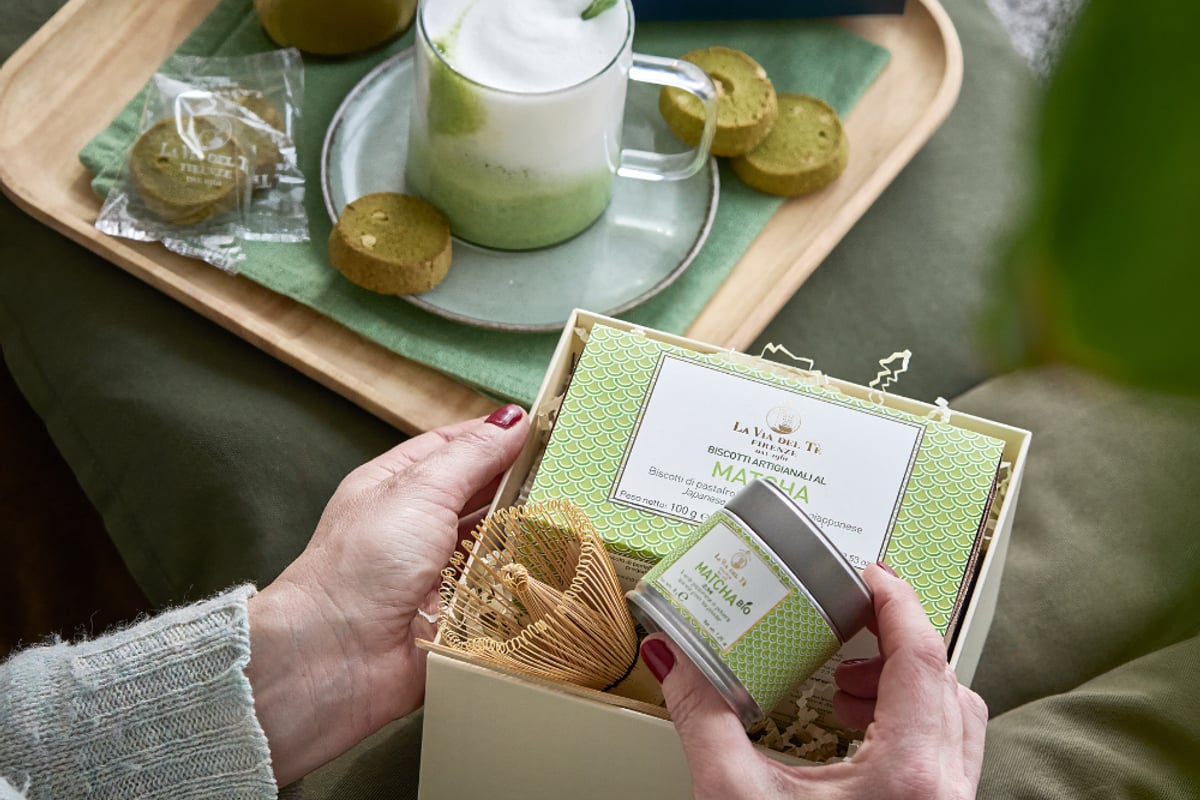
Modern Italian tea culture increasingly embraces international influences while maintaining distinctive character. Japanese matcha appears in Italian cafés, prepared with traditional bamboo whisks but often paired with Italian cookies or pastries. This cultural fusion creates new possibilities while respecting both traditions.
Green tea cultivation remains minimal in Italy, so most true tea (as opposed to tisane) arrives through importation. However, Italian companies apply their blending expertise to create unique interpretations of classic tea styles. Earl Grey gains bergamot from Calabrian citrus groves. Black tea blends incorporate Italian lavender or rosemary for Mediterranean character.
The Future of Italian Tea Culture
As wellness consciousness grows globally, italian tea traditions position themselves at the intersection of heritage and innovation. Young entrepreneurs launch modern tisanerie that reimagine traditional formulations for contemporary consumers. Sleek packaging and scientific research support time-tested botanical combinations.
Digital platforms enable small Italian producers to reach international audiences who value authenticity and quality. Online food gifts featuring artisanal italian tea introduce global consumers to regional specialties previously available only through local erboristerie.
This expansion doesn't dilute quality or tradition. Instead, it shares Italian botanical wisdom with audiences eager to discover alternatives to mass-produced tea bags. Each cup becomes a connection to Italian landscapes, farming families, and herbal knowledge refined across generations.
Sustainability concerns drive innovation in cultivation and packaging. Producers eliminate unnecessary plastics, choosing compostable materials or reusable containers. Biodynamic farming methods gain traction among quality-focused growers who understand that healthy soil produces superior plants.
Authenticity in Every Infusion
Distinguishing authentic italian tea from generic imports requires attention to sourcing, production methods, and ingredient quality. Genuine products specify regional origins, list recognizable ingredients, and often include producer information. This transparency builds trust and supports artisanal businesses.
When exploring gift baskets for special occasions that feature Italian products, verify that tea components come from verified Italian sources. Authentic offerings showcase the country's genuine botanical heritage rather than generic blends simply labeled "Italian style."
The difference manifests in every aspect: aroma, flavor, visual appeal, and therapeutic effect. Whole flowers and leaves release complex fragrances that pulverized tea dust cannot match. Organic cultivation produces cleaner, more vibrant flavors. Traditional formulations based on empirical knowledge deliver reliable wellness benefits.
Italian tea culture reveals a lesser-known dimension of Italy's relationship with quality, tradition, and the art of savoring life's quieter moments. From alpine meadows to Mediterranean gardens, the botanicals that infuse Italian tisane carry stories of land, season, and centuries of herbal wisdom. Whether you're seeking relaxation, digestive support, or simply a moment of aromatic pleasure, these authentic infusions offer connection to Italy's heart. Discover exceptional artisanal Italian teas and curated gift collections that bring this beautiful tradition into your life through Tasty Ribbon, where authentic Italian craftsmanship meets thoughtful presentation in every carefully selected product.