The ritual of brewing a perfect cup of tea transcends mere beverage preparation. It's a moment of pause, an invitation to slow down and savor something truly special. Premium tea represents more than just dried leaves in elegant packaging; it embodies centuries of cultivation knowledge, meticulous processing techniques, and the subtle terroir of exceptional growing regions. Whether you're exploring tea culture for the first time or deepening your appreciation for this ancient beverage, understanding what distinguishes exceptional tea from ordinary varieties opens up a world of flavor, wellness, and meaningful gift-giving opportunities.
Understanding What Makes Tea Premium
The designation "premium" in the tea world isn't arbitrary marketing language. It reflects genuine quality markers that discerning consumers can learn to recognize and appreciate.
True premium tea begins in the field, where factors like elevation, soil composition, climate, and harvest timing create the foundation for exceptional flavor. Tea plants grown at higher altitudes develop more complex flavor compounds as they mature slowly in cooler temperatures. First-flush harvests, which occur in early spring, typically command higher prices because the young leaves possess delicate, nuanced flavors that later harvests cannot replicate.
Processing methods separate ordinary tea from extraordinary offerings. Hand-rolling, precise oxidation control, and traditional firing techniques require skilled artisans who understand how to coax the best characteristics from each leaf. These time-honored practices cannot be rushed or fully mechanized without sacrificing quality.
The Science Behind Superior Leaves
Premium tea contains higher concentrations of beneficial compounds that contribute to both flavor and wellness benefits. Research from Harvard Health highlights how polyphenols, the antioxidant compounds abundant in quality tea, offer protective properties that support overall health.
The visible indicators of premium tea include:
-
Whole, unbroken leaves rather than fannings or dust
-
Vibrant, natural color appropriate to the tea type
-
Distinct, complex aroma that evolves as the leaves steep
-
Multiple infusions possible from the same leaves
-
Clear liquor free from cloudiness or sediment
When you invest in exceptional tea, you're purchasing the cumulative expertise of growers, processors, and blenders who dedicate their lives to this craft.
Exploring Different Premium Tea Varieties
The tea world offers remarkable diversity, with each category presenting unique characteristics and cultural significance. Understanding these distinctions helps you select varieties that match your preferences and occasions.
| Tea Type |
Oxidation Level |
Flavor Profile |
Best For |
| White |
Minimal |
Delicate, subtle, sweet |
Afternoon contemplation |
| Green |
None |
Fresh, grassy, vegetal |
Morning clarity |
| Oolong |
Partial |
Complex, floral, creamy |
Special gatherings |
| Black |
Full |
Bold, malty, robust |
Energizing mornings |
| Pu-erh |
Post-fermented |
Earthy, smooth, aged |
Digestive support |
Green Tea Excellence
Green tea, particularly Japanese varieties, represents some of the most celebrated premium offerings available. Matcha, as detailed by Healthline, stands apart as a powdered green tea where you consume the entire leaf, maximizing antioxidant intake and creating a distinctive, meditative preparation ritual.
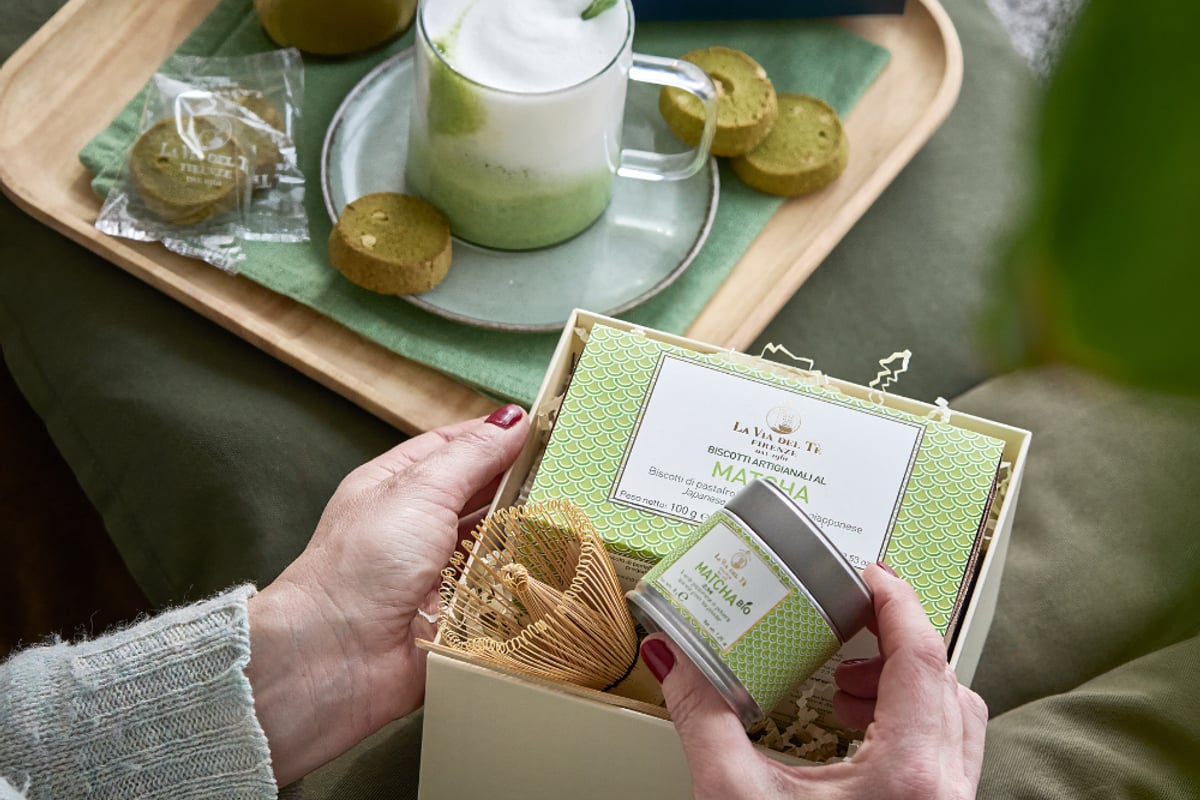
For those seeking to explore the ceremonial traditions of matcha while appreciating artisanal quality, the Matcha Moments collection brings together authentic Japanese tea ceremony tools with ceremonial-grade matcha powder and Italian-crafted shortbread cookies infused with matcha and pine nuts. This thoughtful combination bridges Eastern tea traditions with Western artisanal baking, creating a complete experience that honors both cultures.
Chinese green teas like Longjing (Dragon Well) and Bi Luo Chun offer different expressions of this category, with pan-fired processing creating nutty, slightly sweet profiles that contrast with the steamed character of Japanese greens.
The Complexity of Oolong
Oolong tea occupies a fascinating middle ground between green and black varieties, with oxidation levels ranging from 10% to 80%. This flexibility allows tea masters to create an extraordinary spectrum of flavors. According to Healthline's exploration of oolong benefits, this variety combines qualities from both dark and green teas, offering unique health advantages including potential support for weight management and stress reduction.
Premium oolongs from Taiwan's high mountain regions or China's Wuyi Mountains demonstrate the pinnacle of tea artistry. These teas can be steeped multiple times, revealing different flavor layers with each infusion.
Black Tea Sophistication
Black tea, fully oxidized and often blended with great skill, provides robust flavors perfect for those who appreciate bold beverages. Research on black tea benefits confirms its antioxidant properties and potential positive effects on cardiovascular and digestive health.
Single-origin black teas from Darjeeling, Assam, or Sri Lanka each express distinctive terroir characteristics. Darjeeling's "champagne of teas" offers floral, muscatel notes, while Assam provides malty richness ideal for breakfast service.
Premium Tea and Cultural Traditions
Tea ceremonies and rituals around the world demonstrate how this beverage transcends simple refreshment to become a vehicle for mindfulness, connection, and cultural expression.
The Japanese tea ceremony, or chanoyu, represents perhaps the most formalized tea tradition. Every movement carries intention, from the precise whisking of matcha to the presentation of the bowl. This practice teaches presence and appreciation for fleeting beauty.
Chinese gongfu tea preparation emphasizes multiple short infusions that reveal a tea's evolving character. Using a small teapot or gaiwan, practitioners steep premium oolongs and pu-erhs repeatedly, experiencing how flavors transform across five, ten, or even fifteen infusions.
British afternoon tea, while less ceremonial, created social rituals around premium black tea blends. This tradition elevated tea drinking to an art form complete with fine china, tiered serving plates, and specific etiquette.
Modern Tea Culture
Contemporary tea culture blends traditional reverence with innovative approaches. Specialty tea shops now curate selections with the same care wine merchants apply to their cellars. Tasting notes describe flavor profiles using sophisticated vocabulary previously reserved for coffee or wine.
Market analysis from Strategy MRC indicates growing consumer interest in premium tea, with the sector experiencing significant expansion as more people recognize the value of exceptional quality and authentic sourcing practices.
Health and Wellness Dimensions
Premium tea offers more than sensory pleasure; it provides tangible wellness benefits supported by extensive research. The concentration of beneficial compounds in high-quality leaves amplifies these positive effects.
Cleveland Clinic identifies ten health benefits of green tea, including anxiety reduction, cholesterol management, and brain health protection. These benefits stem largely from catechins, powerful antioxidants present in higher concentrations in premium varieties.
Antioxidant Powerhouse
All true teas (from the Camellia sinensis plant) contain polyphenols, but processing methods and leaf quality significantly influence antioxidant levels. Premium teas, harvested at optimal times and processed with care, retain maximum beneficial compounds.
The antioxidant capacity of quality tea rivals or exceeds many fruits and vegetables. Regular consumption as part of a balanced lifestyle may support:
- Cardiovascular health through improved blood vessel function
- Metabolic wellness and healthy weight management
- Cognitive function and mental clarity
- Immune system resilience
- Healthy aging processes
Mindfulness and Mental Wellness
Beyond biochemical benefits, the ritual of preparing and enjoying premium tea creates space for mindfulness practice. The focused attention required to brew tea properly-selecting leaves, heating water to the correct temperature, timing the steep-pulls you into the present moment.
WebMD notes tea's health benefits while highlighting its low-calorie nature, making it an ideal beverage for those seeking wellness without added sugars or calories. This makes premium tea an excellent choice for gourmet gifts that support recipients' health goals.
Selecting Premium Tea as a Gift
Tea makes an exceptionally thoughtful gift, conveying sophistication, care for the recipient's wellbeing, and an invitation to slow down and savor. Choosing premium varieties elevates this gesture significantly.
When selecting tea as a gift, consider these factors:
Recipient preferences: Does the person enjoy bold or delicate flavors? Are they adventurous or traditional in their tastes?
Occasion appropriateness: Morning teas (black, green) differ from evening options (herbal, white). Match the tea to likely usage patterns.
Presentation quality: Premium tea deserves elegant packaging that reflects its value. Beautiful tins, wooden boxes, or custom wrapping enhance the unboxing experience.
Complementary items: Pairing tea with honey, special cookies, or brewing accessories creates a complete gift experience.
Curating Tea Gift Collections
The art of gift curation involves thoughtfully combining elements that enhance each other. Just as custom corporate gift boxes require careful consideration of recipient preferences and presentation, tea gifts benefit from intentional selection.
Consider these pairing strategies:
-
Regional focus: Combine Japanese sencha with traditional wagashi sweets
-
Wellness theme: Package detoxifying green teas with honey and lemon preserves
-
Ceremony set: Include premium tea with appropriate brewing vessels and accessories
-
Seasonal selection: Match teas to the time of year-warming blacks for winter, refreshing greens for spring
Premium tea fits naturally into luxury gift packages alongside artisanal foods, creating sophisticated presentations for discerning recipients. The key lies in selecting items that share quality standards and complement each other harmoniously.
Brewing Techniques for Maximum Enjoyment
Even the finest premium tea disappoints if brewed incorrectly. Understanding proper preparation techniques ensures you extract optimal flavor and benefits from quality leaves.
Temperature Matters
Different tea types require specific water temperatures to release their best characteristics without extracting bitter compounds:
-
White tea: 160-185°F (71-85°C)
-
Green tea: 160-180°F (71-82°C)
-
Oolong tea: 185-205°F (85-96°C)
-
Black tea: 200-212°F (93-100°C)
-
Pu-erh tea: 200-212°F (93-100°C)
Water that's too hot burns delicate leaves, creating astringent, bitter flavors. Water that's too cool fails to extract the full spectrum of flavors and beneficial compounds.
Timing and Proportion
Premium tea leaves expand significantly when steeped, so provide adequate space. Use approximately one teaspoon of leaves per cup, adjusting based on leaf size and personal preference.
Steeping times vary by tea type:
| Tea Type |
First Steep |
Subsequent Steeps |
| White |
2-3 minutes |
Add 30 seconds each time |
| Green |
1-2 minutes |
Add 15-30 seconds |
| Oolong |
1-2 minutes |
Multiple 30-60 second steeps |
| Black |
3-5 minutes |
Limited re-steeping |
Pro tip: Premium teas often improve with subsequent infusions, revealing different flavor dimensions. Experiment with multiple steeps to discover your tea's full personality.
Storage and Preservation
Premium tea deserves proper storage to maintain its quality and extend its enjoyment window. Tea is remarkably stable when protected from its primary enemies: light, air, moisture, and strong odors.
Store your premium tea in:
- Opaque, airtight containers
- Cool, dry locations away from heat sources
- Separate containers for different varieties (prevents flavor mixing)
- Original packaging if specifically designed for preservation
Avoid storing tea in the refrigerator unless explicitly recommended. Temperature fluctuations create condensation that can damage leaves. Similarly, displaying tea in clear glass containers, while aesthetically pleasing, exposes it to light that degrades quality.
Most premium teas maintain peak freshness for 6-12 months when properly stored, though some varieties like pu-erh actually improve with age under correct conditions.
The Economics of Premium Tea
Understanding why premium tea commands higher prices helps consumers appreciate the value proposition and make informed purchasing decisions. The cost reflects multiple factors beyond simple commodity pricing.
Labor intensity: Hand-plucking, traditional processing, and skilled blending require human expertise that machines cannot replicate. A single pound of premium white tea might represent careful selection of thousands of individual buds.
Limited production: The finest teas often come from small garden plots or specific mountain slopes with ideal conditions. Natural scarcity drives prices for these exceptional offerings.
Supply chain transparency: Recent discussions about tariffs affecting the tea industry highlight how global trade policies impact pricing and availability. Premium tea importers invest in direct relationships with growers, ensuring fair compensation and consistent quality.
When you purchase premium tea, you're supporting sustainable agriculture, preserving traditional processing methods, and ensuring artisans receive appropriate compensation for their expertise.
Pairing Premium Tea with Food
Tea's versatility as a beverage extends to food pairing, where thoughtful combinations elevate both elements. Understanding complementary and contrasting flavors helps create memorable tasting experiences.
Cheese and Tea
The tannic structure in tea, particularly in oxidized varieties, pairs beautifully with cheese. Try aged Parmigiano Reggiano with robust black tea, or delicate white tea with fresh ricotta. The combination creates similar dynamics to wine and cheese pairings, with tea's astringency cleansing the palate between bites.
Sweet Pairings
Premium tea balances sweetness without overwhelming delicate flavors. Japanese sencha complements lightly sweetened mochi or fruit-based desserts. Oolong tea's natural creaminess enhances buttery cookies and pastries, similar to how gourmet food gifts combine complementary flavors for maximum enjoyment.
Savory Combinations
Don't limit tea to sweet pairings. Chinese green teas traditionally accompany dim sum, while Indian black teas stand up to spiced foods. Experiment with matching tea character to dish intensity.
Building Your Premium Tea Collection
Developing a personal tea collection is a rewarding journey that deepens your appreciation for this diverse beverage category. Approach collection-building with curiosity and patience, allowing your palate to guide your exploration.
Start with variety: Sample different categories before investing heavily in one type. Try quality examples of white, green, oolong, and black teas to discover your preferences.
Explore regions: Within each category, different growing regions express unique characteristics. Compare Darjeeling to Assam, or Chinese green tea to Japanese varieties.
Document your experiences: Keep tasting notes recording brewing parameters, flavor impressions, and personal reactions. These records help you identify patterns in your preferences and guide future purchases.
Connect with specialists: Build relationships with knowledgeable tea vendors who can recommend selections based on your developing tastes. Their expertise accelerates your learning curve.
Premium tea collecting shares similarities with other artisanal pursuits. Just as good food gift baskets curate exceptional products that tell a story, a thoughtful tea collection represents your personal journey through flavor, culture, and quality.
Premium tea offers a gateway to mindfulness, wellness, and cultural appreciation that extends far beyond simple beverage enjoyment. Whether you're building a personal collection or selecting the perfect gift, quality matters in every cup. Tasty Ribbon understands the importance of authentic, artisanal products that create meaningful connections and memorable experiences. Explore their curated selection of Italian gourmet gifts and discover how thoughtful presentation and exceptional quality transform ordinary moments into extraordinary celebrations.