The vibrant green powder that transforms water into a frothy, emerald elixir has captivated tea enthusiasts worldwide. Premium matcha powder represents more than just a trendy beverage-it embodies centuries of Japanese tradition, meticulous cultivation practices, and an unwavering commitment to quality. For those who appreciate artisanal craftsmanship and authentic cultural experiences, understanding what distinguishes exceptional matcha from ordinary versions opens a window into a world where patience, precision, and passion converge.
Understanding the Origins of Exceptional Matcha
Premium matcha powder begins its journey in the shaded tea fields of Japan, where centuries-old cultivation techniques still guide modern producers. The finest matcha originates from specific regions-primarily Uji in Kyoto Prefecture, Nishio in Aichi Prefecture, and select areas of Kagoshima. These locations benefit from ideal climate conditions, mineral-rich soil, and generations of tea-growing expertise passed down through family estates.
The Shade-Growing Tradition
What sets premium matcha powder apart starts approximately three weeks before harvest. Tea farmers cover their fields with traditional bamboo screens or modern shade cloths, reducing sunlight exposure by 80 to 90 percent. This deliberate shading triggers a remarkable transformation within the tea leaves.
The reduced light forces plants to produce higher concentrations of chlorophyll, creating that distinctive bright green color. Simultaneously, the leaves generate increased levels of L-theanine, an amino acid responsible for matcha's unique umami flavor and calming properties. This careful balance between stress and nourishment results in leaves with complex flavor profiles and nutritional density.
Key factors in shade cultivation:
- Duration of shading (20-30 days for premium grades)
- Type of covering material used
- Timing relative to harvest season
- Regional climate variations
- Traditional versus modern techniques
The sourcing of authentic premium matcha requires understanding these cultivation practices and their impact on final quality.
Grades and Quality Distinctions
Not all matcha powder carries the same value. The tea industry recognizes distinct grades, each suited for different purposes and price points. Understanding these classifications helps consumers make informed decisions when selecting products.
| Grade Type |
Characteristics |
Best Uses |
Price Range |
| Ceremonial |
Brightest green, sweetest taste, finest texture |
Traditional tea ceremony, drinking straight |
Premium |
| Premium |
Vibrant color, balanced flavor, smooth texture |
Daily drinking, light culinary |
Mid-high |
| Culinary |
Darker green, stronger flavor, coarser grind |
Lattes, baking, smoothies |
Moderate |
| Ingredient |
Variable quality, utility grade |
Food manufacturing, basic recipes |
Budget |
Premium matcha powder designated for ceremonial use comes exclusively from the first harvest of spring. These tender young leaves, picked at their peak, contain the highest concentration of beneficial compounds and the most delicate flavors. The stone-grinding process for ceremonial grades takes exceptional care, with traditional granite mills producing only 30-40 grams per hour to prevent heat damage.
Recognizing Quality Markers
Visual inspection provides immediate clues about matcha quality. Premium matcha powder displays a vivid, jade-like green without yellow or brown undertones. The texture should feel silky-smooth when rubbed between fingers, almost like eyeshadow powder. Clumping or grittiness indicates either lower quality or improper storage.
The aroma tells another story. High-quality matcha releases a fresh, grassy scent with subtle sweet notes-never musty, bitter, or hay-like. When whisked with water, premium grades produce a thick, creamy foam that holds its structure, while inferior versions create thin, sparse bubbles that quickly dissipate.
The Art of Processing and Production
After careful harvesting, the journey toward premium matcha powder continues through precise processing steps. Fresh leaves undergo steaming within hours of picking to halt oxidation and preserve their green color. This differs fundamentally from other tea types that undergo oxidation or fermentation.
Following steaming, leaves are dried and stripped of stems and veins. This refined material, called tencha, represents the pure leaf content used for matcha production. Only tencha from the finest leaves becomes premium matcha powder.
Stone-Grinding Traditions
The grinding process separates exceptional matcha from ordinary versions. Traditional stone mills, crafted from granite, rotate slowly to pulverize tencha into an ultra-fine powder. This painstaking method prevents heat buildup that would compromise flavor compounds and nutritional value.
Stone-grinding advantages:
- Maintains ideal temperature
- Produces uniform particle size
- Preserves delicate flavor compounds
- Creates smooth, creamy texture
- Honors traditional methods
Modern facilities may use ceramic or specialized grinding equipment, but producers committed to the highest quality typically maintain stone-grinding operations. The selection of premium matcha involves verifying production methods alongside other quality indicators.
Nutritional Profile and Wellness Benefits
Premium matcha powder delivers concentrated nutrition because consumers ingest the entire leaf rather than just steeped water. This fundamental difference means matcha provides significantly higher levels of beneficial compounds compared to regular green tea.
One serving contains substantial amounts of catechins, particularly EGCG (epigallocatechin gallate), a powerful antioxidant studied for various health benefits. The combination of caffeine and L-theanine creates sustained energy without the jitters associated with coffee, promoting alert calmness valued by practitioners of meditation and focused work.
Antioxidant Powerhouse
The antioxidant capacity of premium matcha powder exceeds most other foods. Measured by ORAC (Oxygen Radical Absorbance Capacity) values, quality matcha scores exceptionally high, offering protective compounds that support cellular health.
Beyond antioxidants, matcha provides vitamins A, C, and E, minerals including potassium and iron, and dietary fiber. The chlorophyll content supports natural detoxification processes, while the amino acid profile contributes to both flavor and function.
Preparation Techniques and Traditions
The Japanese tea ceremony, or chanoyu, elevates premium matcha powder preparation to an art form. While daily preparation need not follow strict ceremonial protocols, understanding traditional techniques ensures optimal flavor and texture.
Essential Tools and Methods
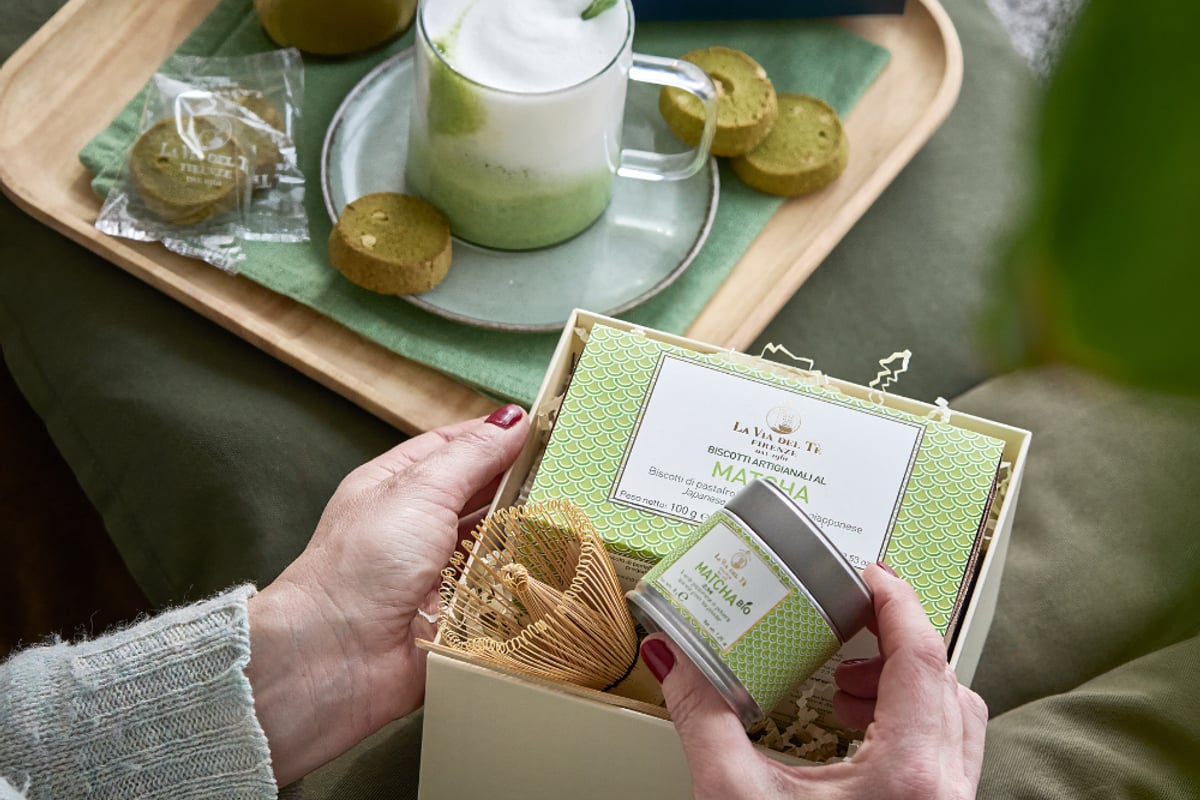
The bamboo whisk (chasen) stands as the most important tool for proper matcha preparation. Its fine tines create the characteristic foam and ensure complete suspension of powder in water. A bamboo scoop (chashaku) measures appropriate portions, while a wide-mouthed bowl (chawan) provides space for whisking.
Traditional preparation steps:
- Warm the bowl with hot water
- Dry thoroughly with a cloth
- Sift 1-2 grams of matcha to remove clumps
- Add water heated to 175°F (not boiling)
- Whisk in rapid "M" or "W" motions
- Continue until thick foam forms
- Serve immediately
The water temperature proves crucial. Boiling water scorches premium matcha powder, creating bitter flavors and destroying delicate compounds. The ideal range sits between 160-180°F, hot enough to release aromas without causing damage.
For those seeking to incorporate matcha into their wellness routine alongside other mindful practices, the ritual of preparation offers its own meditative benefits. This thoughtful approach to crafting the perfect cup connects preparation to the same artisanal values found in curated gourmet experiences.
Storage and Freshness Considerations
Premium matcha powder requires careful storage to maintain its exceptional qualities. Unlike dried tea leaves that age gracefully, matcha oxidizes quickly once exposed to air, light, and heat. Proper storage prevents degradation of color, flavor, and nutritional content.
Optimal Storage Conditions
Unopened matcha maintains quality longest when refrigerated or frozen. Once opened, containers should be airtight and opaque, stored in cool, dark locations away from strong odors. Matcha absorbs surrounding scents readily, making separation from spices, coffee, or other aromatic ingredients essential.
| Storage Factor |
Ideal Condition |
Impact if Violated |
| Temperature |
Cool (40-50°F) |
Accelerated oxidation |
| Light exposure |
Complete darkness |
Color degradation |
| Air contact |
Minimal/sealed |
Flavor loss |
| Humidity |
Low (below 60%) |
Clumping, mold risk |
| Odor isolation |
Separate storage |
Absorbed flavors |
Quality deteriorates noticeably within 1-2 months after opening, even with proper storage. Purchasing smaller quantities ensures consumption during peak freshness. The vibrant green color serves as a reliable indicator-when premium matcha powder shifts toward yellow-green or brown, its prime has passed.
Culinary Applications Beyond Tea
While traditional tea preparation showcases premium matcha powder at its finest, culinary applications have expanded its reach. The powder's concentrated flavor and color make it valuable for creative cooking and baking.
Sweet and Savory Uses
Matcha enhances both desserts and savory dishes with its distinctive taste profile. In sweets, it pairs beautifully with white chocolate, cream cheese, and coconut, creating sophisticated flavor combinations. Matcha cookies, cakes, and ice cream have become popular worldwide, though using culinary-grade matcha for these applications preserves ceremonial grades for drinking.
Savory applications include matcha salt for seasoning, incorporation into pasta dough, addition to salad dressings, and dusting over roasted vegetables. The earthy, umami-rich flavor complements fatty foods particularly well, providing balance and complexity.
Popular culinary applications:
- Matcha lattes and smoothies
- Ice cream and gelato
- Tiramisu and cheesecakes
- Shortbread and biscotti
- Energy balls and protein bars
- Savory noodles and seasonings
The growing appreciation for artisanal food products has helped matcha transition from specialty tea shops to mainstream kitchens, where creative cooks experiment with its unique properties.
Evaluating Authenticity and Avoiding Imitations
The market contains numerous matcha products varying wildly in quality and authenticity. Premium matcha powder commands higher prices for legitimate reasons, but understanding what justifies cost prevents overpaying for inferior products marketed with premium claims.
Red Flags and Warning Signs
Suspiciously low prices typically indicate compromised quality. True premium matcha powder involves labor-intensive cultivation, processing, and grinding that simply cannot support rock-bottom pricing. Products claiming ceremonial grade while costing less than $20 for 30 grams likely contain lower-quality leaves or blends.
Country of origin matters significantly. While other nations now produce matcha, Japanese matcha-particularly from traditional growing regions-maintains the highest standards and most authentic profiles. Labels should clearly state Japanese origin with specific region information when possible.
The importance of quality verification extends beyond price alone. Reputable sellers provide harvest dates, origin details, and often batch testing information. Transparency indicates confidence in product quality.
Cultural Significance and Modern Appreciation
Premium matcha powder carries cultural weight extending far beyond its physical properties. In Japan, the tea ceremony represents harmony, respect, purity, and tranquility-principles embedded in every aspect of matcha preparation and consumption.
Bridging Tradition and Contemporary Life
Modern appreciation for matcha honors these traditions while adapting them to contemporary lifestyles. The mindful preparation ritual offers a moment of pause in busy days, creating space for intention and presence. This mirrors the values found in other cultural food traditions that emphasize quality, craftsmanship, and meaningful connection.
Just as Italian food culture celebrates regional specialties and artisanal production methods, Japanese matcha culture reveres terroir, seasonal timing, and skilled craftsperson expertise. Both traditions recognize that exceptional food products result from knowledge, care, and respect for natural processes.
The global wellness movement has embraced premium matcha powder not just for its health benefits but for the holistic experience it provides. Preparing and enjoying matcha becomes an act of self-care, a deliberate choice to slow down and engage senses fully.
Pairing and Complementary Flavors
Understanding flavor pairing enhances matcha enjoyment whether served traditionally or incorporated into recipes. The powder's taste profile combines vegetal freshness, natural sweetness, subtle bitterness, and pronounced umami.
Harmonious Combinations
Premium matcha powder pairs exceptionally well with dairy and dairy alternatives, which soften its astringency while highlighting sweet notes. Oat milk, in particular, provides creamy texture and gentle sweetness that complements matcha's earthiness.
Citrus elements create refreshing contrasts, with lemon and yuzu brightening matcha's depth. Ginger adds warming spice, while vanilla rounds out flavor profiles in sweetened applications. Nuts, especially almonds and pine nuts, echo matcha's subtle nutty undertones.
Flavor pairings that enhance matcha:
- White chocolate and cream
- Coconut and tropical fruits
- Honey and maple syrup
- Cardamom and cinnamon
- Sea salt and caramel
- Berries and stone fruits
For those seeking unique gift experiences that celebrate global artisanal traditions, matcha presents an opportunity to explore Japanese tea culture alongside other cultural specialties.
Investment in Quality and Value
Premium matcha powder represents a higher upfront cost compared to regular green tea or lower-grade matcha. Understanding the value proposition helps justify this investment for those committed to quality and authenticity.
Cost-Benefit Analysis
When calculated per serving, premium matcha powder often proves comparable to specialty coffee drinks. A 30-gram tin providing 15-20 servings costs roughly $1.50-3.00 per cup for ceremonial grade-reasonable for a beverage delivering both enjoyment and wellness benefits.
The concentration of beneficial compounds means smaller quantities provide significant nutritional value. Unlike supplements that may not be bioavailable, matcha delivers nutrients in their natural context, potentially offering better absorption and utilization.
Quality also affects waste. Inferior matcha tastes bitter and unpleasant, often going unused after initial disappointment. Premium matcha powder, enjoyed consistently, represents better value than cheap alternatives that end up discarded.
Seasonal Considerations and Harvest Timing
The agricultural calendar significantly impacts premium matcha powder quality. Japanese tea harvests follow seasonal cycles, with spring's first flush producing the most prized leaves.
First Harvest Supremacy
Shincha, or new tea from the first harvest (typically late April to early May), captures the plant's accumulated energy after winter dormancy. These initial leaves contain peak concentrations of amino acids and minimal bitterness, creating the sweetest, most delicate flavors.
Second and third harvests occur during summer and fall, producing leaves suitable for culinary grades but lacking the refinement of first-flush material. Premium matcha powder almost exclusively comes from first-harvest leaves, with harvest date information indicating quality commitment.
Seasonal harvest characteristics:
-
Spring (First Flush): Highest quality, sweetest flavor, ceremonial grade
-
Summer (Second Flush): Moderate quality, stronger flavor, premium culinary grade
-
Fall (Third Flush): Basic quality, robust taste, ingredient grade
Purchasing premium matcha powder with clear harvest date information ensures freshness and authenticity. Products lacking this transparency may contain older material or blends from multiple harvests.
Building a Matcha Practice
Incorporating premium matcha powder into daily routines creates opportunities for mindfulness and wellness. Starting a sustainable matcha practice involves selecting quality products, acquiring proper tools, and developing preparation skills.
Getting Started Thoughtfully
Begin with small quantities of premium matcha powder to determine personal preferences before committing to larger purchases. Ceremonial grade provides the best introduction to authentic flavor profiles, though premium culinary grade offers a cost-effective option for daily drinking.
Essential tools include a bamboo whisk, measuring spoon, and suitable bowl. While traditional implements enhance the experience, starting simply with what's available prevents barriers to beginning. Many practitioners gradually acquire authentic tools as their practice deepens.
Consistency matters more than perfection. Regular preparation builds muscle memory and familiarity with proper whisking technique, water temperature, and personal taste preferences. The ritual itself provides value beyond the resulting beverage.
For those who appreciate artisanal quality and thoughtful presentation, premium matcha powder represents an extension of values that celebrate craftsmanship, tradition, and meaningful experiences.
Global Perspectives and Cross-Cultural Appreciation
The worldwide embrace of premium matcha powder demonstrates how traditional practices resonate across cultural boundaries. While respecting Japanese origins, global appreciation has sparked creative interpretations and fusion applications.
Respectful Innovation
The challenge lies in honoring matcha's cultural significance while exploring new possibilities. Innovation that maintains quality standards and acknowledges traditional foundations enriches rather than dilutes the matcha experience. Understanding the ceremonial and cultural context deepens appreciation whether enjoying matcha traditionally or experimentally.
Cross-cultural food appreciation thrives when approached with curiosity, respect, and commitment to authenticity. Premium matcha powder offers a gateway into Japanese aesthetic principles and philosophical traditions, creating connections that transcend geographical boundaries. These same principles of cultural appreciation and artisanal quality guide how gourmet gift selections can introduce recipients to authentic traditions from around the world.
Premium matcha powder represents the intersection of tradition, craftsmanship, and mindful living-values that resonate across cultures and culinary traditions. Whether you're exploring matcha for its wellness benefits, cultural significance, or exceptional flavor, choosing authentic, high-quality products ensures a rewarding experience. At Tasty Ribbon, we understand the importance of connecting people to authentic artisanal traditions through carefully curated products that celebrate quality, heritage, and the joy of meaningful giving. Discover how our collection brings the world's finest food traditions to your table with the same attention to authenticity and presentation that defines exceptional matcha.