The world of tea has witnessed a remarkable transformation in recent years, with discerning enthusiasts increasingly turning toward premium loose leaf tea as their beverage of choice. This shift represents more than a passing trend; it reflects a deeper appreciation for craftsmanship, quality, and the ritual of preparation that transforms a simple drink into a mindful experience. Whether you're exploring tea culture for the first time or seeking to elevate your daily routine, understanding what distinguishes exceptional loose leaf varieties from mass-produced alternatives opens a gateway to richer flavors, deeper aromas, and meaningful connections to centuries-old traditions.
Understanding the Premium Loose Leaf Tea Difference
Premium loose leaf tea stands apart from conventional tea bags in virtually every meaningful dimension. The leaves themselves tell the story immediately. Whole or partially broken leaves retain their essential oils, complex flavor compounds, and delicate aromatics that get crushed and lost in the processing of tea dust and fannings commonly found in standard bags.
When you examine high-quality loose leaf varieties, you'll notice the leaves maintain their natural shape and structure. T2 Tea explains the benefits of loose leaf tea over standard bags, noting how whole leaves deliver superior flavor and aroma because they have room to expand fully during steeping, releasing their complete flavor profile gradually and evenly.
The production process for premium varieties involves careful selection, minimal processing, and meticulous handling from harvest to packaging. Artisan tea producers often work with specific estates, monitoring growing conditions, harvest timing, and processing techniques with the same attention that winemakers bring to their vineyards. This dedication to quality creates beverages that showcase distinct terroir, seasonal variations, and the unique character of their origin.
The Flavor Spectrum
Premium loose leaf tea offers an extraordinary range of taste experiences that simply cannot be replicated by lower-grade alternatives:
-
Black teas deliver robust, malty notes with hints of caramel, honey, or fruit
-
Green teas provide fresh, grassy flavors with subtle sweetness and umami undertones
-
White teas offer delicate, floral characteristics with natural sweetness
-
Oolong teas present complex profiles ranging from light and floral to dark and toasty
-
Pu-erh teas develop earthy, rich flavors through unique fermentation processes
Each category encompasses countless regional variations and processing styles that create distinct flavor signatures. The depth and complexity available in premium options transforms tea drinking from a routine caffeine delivery system into a sensory exploration worthy of the same appreciation given to fine wines or artisanal chocolates.
Health Benefits and Wellness Considerations
Beyond exceptional taste, premium loose leaf tea delivers meaningful health advantages that have attracted the attention of wellness enthusiasts and researchers alike. The preservation of whole leaves ensures that beneficial compounds remain intact and bioavailable when brewed properly.
Antioxidant Content
Whole leaf teas retain higher concentrations of polyphenols, catechins, and other antioxidant compounds compared to processed alternatives. These substances help combat oxidative stress, support cellular health, and may contribute to reduced inflammation throughout the body. The fresher and less processed the leaves, the more potent these beneficial compounds remain.
Natural Processing Benefits
Premium producers typically avoid artificial flavoring agents, preservatives, and unnecessary additives. This commitment to purity means you're consuming a product closer to its natural state, harvested and processed using traditional methods that honor both the plant and the final consumer.
| Tea Type |
Primary Health Benefits |
Caffeine Level |
| Green Tea |
High antioxidants, metabolism support |
Moderate |
| White Tea |
Skin health, gentle on digestion |
Low |
| Black Tea |
Heart health, mental alertness |
High |
| Oolong Tea |
Weight management, bone strength |
Moderate |
| Herbal Tisanes |
Varied by ingredient, often caffeine-free |
None to Low |
Adagio Teas discusses health benefits of various loose leaf varieties, highlighting how different processing methods and tea types offer distinct wellness advantages suited to different needs and preferences.
Brewing Techniques for Optimal Experience
Extracting the full potential from premium loose leaf tea requires attention to several key variables that work together to create the perfect cup. Understanding these fundamentals empowers you to adjust preparations according to personal preference while respecting the inherent qualities of each variety.
Water Temperature Matters
Different tea categories require specific temperature ranges to release their flavors without extracting bitter compounds:
-
White and green teas: 160-180°F to preserve delicate notes
-
Oolong teas: 180-200°F depending on oxidation level
-
Black teas: 200-212°F for full extraction
-
Herbal infusions: 212°F for complete steeping
Temperature precision might seem exacting, but it profoundly impacts the final result. Overheating delicate varieties produces astringent, bitter brews that mask subtle flavors, while insufficient heat fails to unlock the complete flavor profile of robust black teas.
Steeping Time and Leaf Ratio
The relationship between leaf quantity, water volume, and steeping duration determines strength, flavor balance, and overall satisfaction. Premium loose leaf tea typically requires one teaspoon per eight-ounce cup, though this varies based on leaf size and density.
Steeping duration ranges from one to five minutes for most varieties. Shorter steeps highlight brighter, more delicate notes, while extended steeping develops deeper, more robust characteristics. Many tea enthusiasts enjoy multiple infusions from the same leaves, discovering how flavors evolve across successive steeps.
The equipment you choose influences the experience as well. Quality infusers allow leaves adequate space to expand fully, ensuring even water circulation and proper extraction. Cramped tea balls restrict movement and limit flavor development, defeating the purpose of selecting premium leaves in the first place.
Pairing Premium Tea with Gourmet Foods
The ritual of tea drinking becomes even more special when paired thoughtfully with complementary foods. Just as wine pairings enhance dining experiences, selecting appropriate accompaniments for different tea varieties creates harmonious flavor combinations that elevate both elements.
Delicate White and Green Teas
These lighter varieties pair beautifully with subtle flavors that won't overwhelm their gentle character. Consider fresh fruits, light pastries, mild cheeses, or delicate cookies. The clean, refreshing nature of these teas also makes them excellent palate cleansers between courses.
Robust Black Teas
Heartier black varieties stand up wonderfully to richer foods. English Breakfast pairs classically with buttery scones and preserves, while Assam complements chocolate beautifully. These teas also work well with savory items like aged cheeses or cured meats during afternoon gatherings.
Exploring the intersection of tea culture with other culinary traditions reveals fascinating possibilities. While premium loose leaf tea originates primarily from Asian regions, the practice of pairing beverages with artisanal foods transcends cultural boundaries. Good foodie gifts often combine multiple elements that invite recipients to explore new flavor combinations and create their own pairing traditions.
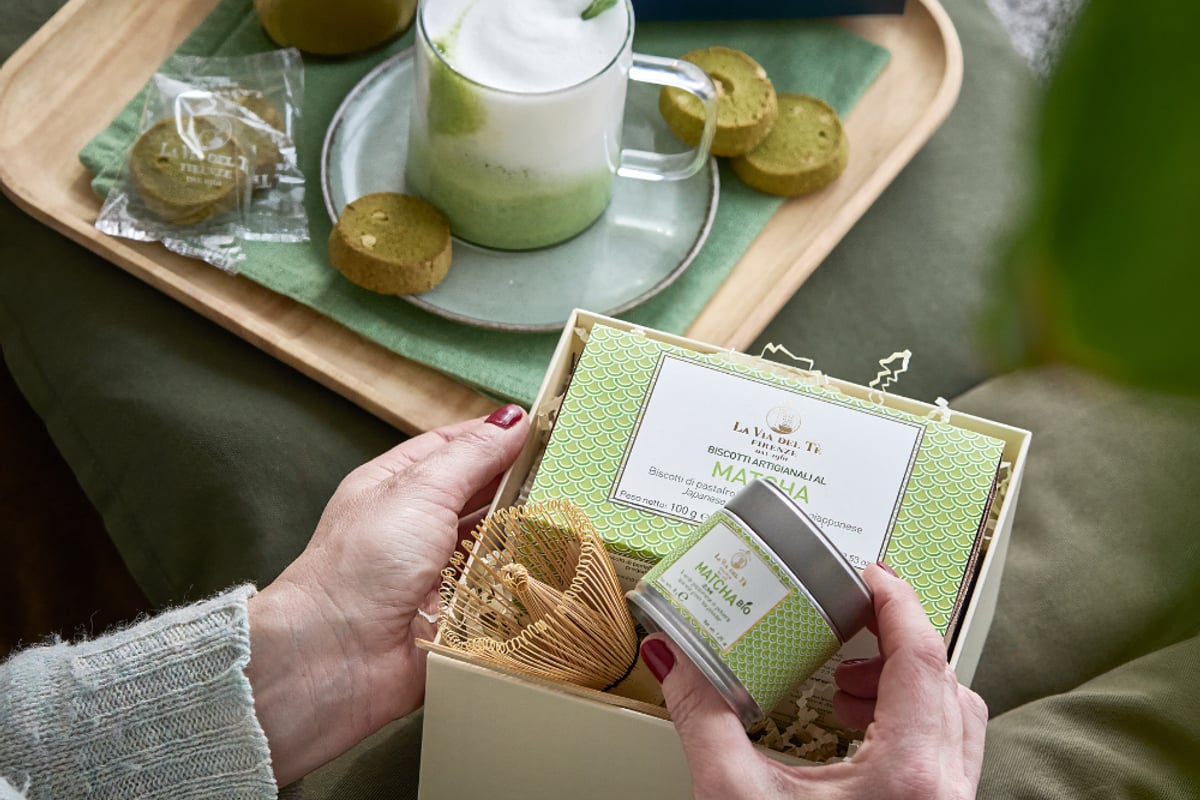
For those drawn to mindful preparation and ceremonial rituals, matcha presents a particularly engaging option. This powdered green tea requires traditional whisking techniques that transform tea making into a meditative practice. The Matcha Moments collection brings together everything needed for this ceremony, from bamboo whisks to ceremonial-grade powder, complemented by delicate shortbread cookies that honor both Japanese tradition and Italian craftsmanship.
Sourcing and Quality Indicators
Identifying truly premium loose leaf tea requires understanding what separates exceptional products from merely adequate ones. Several factors help discerning buyers make informed decisions that ensure value and satisfaction.
Origin Transparency
Reputable tea purveyors provide detailed information about where their teas originate, including specific estates, regions, or gardens. Hugo Tea offers single-origin teas selected for purity and flavor, emphasizing direct sourcing and supply chain transparency that allows customers to trace their tea back to its source.
This level of detail matters because growing conditions dramatically influence final quality. Elevation, soil composition, climate patterns, and traditional cultivation practices all contribute to the distinctive characteristics that make certain teas exceptional. Premium producers often develop long-term relationships with specific growers, ensuring consistent quality and supporting sustainable agricultural practices.
Harvest Information
The timing of tea harvests affects flavor profiles significantly. First flush spring harvests typically produce the most prized and delicate leaves, while later harvests develop different characteristics suited to various preferences. Quality vendors clearly mark harvest dates and seasons, helping customers select teas at peak freshness.
Visual and Aromatic Inspection
Before brewing, premium loose leaf tea should demonstrate several quality indicators:
- Uniform leaf size and color within each variety
- Fresh, vibrant aroma without mustiness or staleness
- Minimal broken pieces or stems
- Natural luster and proper moisture content
- Distinct fragrance characteristic of the tea type
These observable qualities provide immediate feedback about handling, storage, and overall quality standards maintained throughout the supply chain.
Storage and Preservation Best Practices
Protecting your investment in premium loose leaf tea requires proper storage techniques that preserve freshness, prevent contamination, and maintain optimal flavor over time. Tea leaves remain surprisingly delicate even after processing, susceptible to degradation from light, heat, moisture, and oxygen exposure.
Essential Storage Conditions
Store premium varieties in airtight containers made from non-reactive materials like ceramic, dark glass, or food-grade metal. Avoid transparent containers unless kept in completely dark locations, as light exposure accelerates flavor deterioration and diminishes beneficial compounds.
Temperature stability matters significantly. Room temperature storage away from heat sources provides ideal conditions for most varieties. Refrigeration seems logical but often introduces moisture problems and flavor contamination from other foods, making it generally inadvisable for tea storage.
Organization Strategies
- Label containers with tea variety and purchase date
- Keep strongly scented teas separate to prevent cross-contamination
- Maintain dedicated tea storage area away from spices and coffee
- Monitor inventory to use older teas before opening new packages
- Consider smaller containers for daily use to minimize air exposure
Properly stored premium loose leaf tea maintains quality for six months to two years, depending on the variety and processing method. Green and white teas generally show shorter optimal windows, while black teas and aged varieties like Pu-erh teas can improve with controlled aging over extended periods.
Building a Diverse Tea Collection
Developing a thoughtfully curated tea collection allows you to explore different flavor profiles, match teas to varying moods and occasions, and discover personal preferences through systematic tasting. Starting with a foundation of classic varieties provides reference points for understanding how processing, origin, and preparation influence the final cup.
Essential Varieties for Beginners
Building a starter collection benefits from including representatives from major tea categories:
-
Classic Darjeeling or Ceylon for refined black tea experience
-
Japanese Sencha or Chinese Longjing for green tea exploration
-
Silver Needle or White Peony for delicate white tea appreciation
-
Ti Kuan Yin or Da Hong Pao for oolong complexity
-
Chamomile or peppermint for caffeine-free herbal options
This foundation provides diverse experiences while remaining approachable for those new to premium options. As preferences develop, expanding into specific regional variations, rare cultivars, or specialty blends becomes an enjoyable journey of discovery.
Seasonal Rotation Approach
Many tea enthusiasts adjust their selections seasonally, choosing lighter, refreshing varieties during warmer months and gravitating toward robust, warming teas as temperatures drop. This natural rhythm aligns consumption patterns with both weather and the agricultural cycles that influence tea production.
Art of Tea curates collections focusing on aroma, flavor, and leaf integrity, offering insights into selection and brewing that help enthusiasts build knowledge alongside their collections. Their approach emphasizes understanding why certain teas appeal personally rather than following prescriptive rules.
Tea as Thoughtful Gift Giving
Premium loose leaf tea makes an exceptional gift choice for numerous occasions and recipients. Its combination of everyday practicality and special-occasion luxury creates versatility rare in gift items. The ritual aspects of tea preparation also communicate care and thoughtfulness, suggesting the giver values the recipient's well-being and moments of personal enjoyment.
Gift Presentation Considerations
When presenting tea as a gift, thoughtful packaging elevates the experience beyond simply handing someone a bag of leaves. Consider including:
- Quality storage container for maintaining freshness
- Appropriate brewing tools matched to the tea type
- Brief preparation instructions or tasting notes
- Complementary food items that pair well
The presentation itself becomes part of the gift, demonstrating attention to detail and understanding of how the recipient will actually use and enjoy the offering. Awesome food gifts create memorable experiences by combining multiple complementary elements that work together harmoniously.
Creating Memorable Gift Experiences
Tea gifts work particularly well when they introduce recipients to new traditions or invite them to slow down and create rituals around daily routines. A carefully selected premium variety accompanied by beautiful serving ware suggests the giver values the recipient's pleasure and encourages moments of mindfulness in increasingly busy lives.
For corporate settings, tea gifts offer sophisticated alternatives to typical business presents. Gift baskets for corporate clients that include premium loose leaf tea alongside artisanal accompaniments demonstrate cultural appreciation and refined taste while remaining universally appropriate across diverse professional relationships.
Global Tea Traditions and Modern Adaptations
Understanding traditional tea cultures from around the world enriches the premium loose leaf tea experience by connecting contemporary enjoyment with centuries of accumulated wisdom. These traditions inform modern practices while allowing space for personal interpretation and adaptation.
Eastern Foundations
Chinese gongfu cha and Japanese tea ceremony both emphasize mindfulness, precise technique, and respect for ingredients. While replicating these practices exactly requires extensive study and specific equipment, incorporating their underlying principles into daily tea drinking enhances appreciation and enjoyment. The focus on present-moment awareness, proper preparation, and gratitude for quality ingredients translates across cultural contexts.
Western Afternoon Tea Evolution
British afternoon tea traditions created different frameworks for tea enjoyment, emphasizing social connection and food pairings. This approach made tea drinking an occasion rather than merely a beverage choice, establishing rituals around hospitality and shared experience.
Contemporary tea culture draws from multiple traditions while creating space for individual expression and modern innovation. Blue Willow Tea emphasizes ethical sourcing and sustainability in their premium offerings, reflecting contemporary values while honoring traditional quality standards.
Sustainability and Ethical Considerations
The premium loose leaf tea industry increasingly recognizes responsibility toward environmental stewardship and fair treatment of workers throughout the supply chain. Conscious consumers seek products that align with personal values regarding sustainability, social justice, and environmental protection.
Certification and Standards
Various certification programs help buyers identify teas produced according to specific ethical and environmental standards:
| Certification |
Focus Area |
Key Requirements |
| Organic |
Chemical-free cultivation |
No synthetic pesticides or fertilizers |
| Fair Trade |
Worker welfare |
Fair wages, safe conditions, community investment |
| Rainforest Alliance |
Environmental sustainability |
Biodiversity protection, water conservation |
| Direct Trade |
Supply chain transparency |
Direct farmer relationships, premium pricing |
These certifications provide frameworks for evaluating products, though some exceptional producers operate outside formal certification systems while maintaining equivalent or superior standards. Key to Teas focuses on thoughtfully sourced premium loose leaf tea with strong emphasis on community and brand transparency, demonstrating that commitment to ethical practices extends beyond certification labels.
Supporting Sustainable Practices
Choosing premium loose leaf tea over mass-market alternatives inherently supports more sustainable production in several ways. Whole leaf production generates less waste than tea bag manufacturing, premium pricing enables better wages for workers, and quality-focused producers typically implement environmental protection measures to preserve the ecosystems their businesses depend upon.
Consumer choices send powerful market signals. By selecting carefully sourced premium options and supporting vendors committed to transparency and sustainability, tea enthusiasts contribute to positive industry evolution while enjoying superior products.
Exploring Regional Varieties and Terroir
Just as wine enthusiasts appreciate how regional characteristics influence grape varieties, premium loose leaf tea reveals remarkable diversity based on where and how it grows. Understanding terroir helps deepen appreciation for the complex interplay between environment, cultivation practices, and final flavor profiles.
Notable Tea-Producing Regions
Different regions produce distinctive teas shaped by unique combinations of climate, altitude, soil, and traditional processing methods:
-
Darjeeling, India: Known as the "champagne of teas" for delicate, floral characteristics
-
Fujian, China: Produces exceptional oolong and white teas with complex flavor development
-
Uji, Japan: Renowned for superior matcha and shade-grown green teas
-
Sri Lanka: Ceylon teas offer bright, brisk flavors across varied elevation zones
-
Taiwan: Specialty oolongs showcase masterful processing and unique cultivars
Exploring teas from different regions provides geographical context for flavor differences while highlighting how local expertise and tradition shape final products. This regional approach to tea appreciation parallels the way luxury gift packages often celebrate specific geographical origins and traditional craftsmanship from particular areas.
Single Estate versus Blended Varieties
Premium loose leaf tea encompasses both single-estate offerings that showcase specific terroir and masterfully crafted blends that combine complementary elements. Single-estate teas appeal to those interested in pure expressions of particular growing conditions and processing styles, while blends demonstrate the tea master's art of creating balanced, consistent flavor profiles.
Neither approach is inherently superior; they simply serve different purposes and preferences. Building familiarity with both styles develops palate sophistication and appreciation for the diverse skills required throughout the tea industry.
Expanding Beyond Traditional Categories
While classic tea varieties form the foundation of premium collections, exploring beyond conventional categories reveals fascinating options that expand definitions of what tea can be. Herbal infusions offer diverse flavors and wellness benefits entirely apart from traditional tea plants, creating caffeine-free alternatives suitable for any time of day.
Tisanes and Herbal Blends
Premium herbal options utilize high-quality botanicals processed with the same care given to traditional teas. Chamomile flowers, peppermint leaves, rooibos, and countless other ingredients create complex flavor profiles without caffeine's stimulating effects.
These alternatives serve important roles in comprehensive tea collections, providing options for evening enjoyment, caffeine-sensitive individuals, or those seeking specific herbal benefits associated with particular plants. Quality standards remain equally important; premium herbal varieties demonstrate freshness, potent aromas, and clean flavors free from dustiness or staleness.
Flavored and Scented Varieties
Some premium teas incorporate natural flavorings or traditional scenting methods that layer additional aromatics onto base teas. Jasmine pearls hand-rolled with fresh jasmine blossoms represent centuries-old techniques, while modern natural flavoring creates innovative combinations like Earl Grey variations or fruit-enhanced blends.
Distinguishing between natural scenting and artificial flavoring helps buyers select products aligned with preferences for authenticity and quality. Premium producers clearly communicate their methods and source natural flavor components rather than relying on synthetic additives.
Cultural Celebrations and Tea Traditions
Tea drinking intersects with cultural celebrations and seasonal observances across numerous traditions, creating opportunities to mark special occasions with appropriate varieties and mindful preparation. Understanding these connections enriches both the beverage experience and cultural appreciation.
Different cultures associate specific teas with particular celebrations. Chinese New Year often features auspicious red teas, Japanese tea ceremonies mark seasonal transitions, and various cultures incorporate special tea service into wedding celebrations and important gatherings. Festive gift baskets that incorporate premium tea alongside celebration-appropriate foods honor these traditions while creating memorable shared experiences.
Creating Personal Tea Rituals
Beyond established cultural traditions, developing personal tea rituals brings intention and mindfulness to daily routines. Whether starting each morning with a specific variety, dedicating weekend afternoons to tea tasting explorations, or marking seasonal changes with appropriate selections, these self-created traditions add structure and pleasure to regular life.
The act of preparation itself becomes meditative when approached with attention and care. Measuring leaves, heating water to proper temperature, timing steeping precisely, and serving in beautiful vessels transforms routine beverage preparation into meaningful ritual that creates space for reflection and presence.
Investment Value and Long-Term Appreciation
While most premium loose leaf tea should be consumed within reasonable timeframes to enjoy peak freshness, certain varieties actually improve with careful aging, creating opportunities for long-term collection building and value appreciation. Understanding which teas benefit from aging and proper storage methods for long-term keeping allows enthusiasts to develop collections that mature over time.
Ageable Tea Categories
Pu-erh teas represent the most recognized ageable category, with properly stored specimens developing increasingly complex, smooth characteristics over decades. Certain oolongs also improve with age, particularly darker roasted varieties that benefit from oxidation and gradual flavor evolution.
Aged teas command premium prices in specialized markets, though collection building should focus primarily on personal enjoyment rather than purely investment motives. The knowledge and experience gained through aging teas personally provides rewards beyond potential financial appreciation.
Premium loose leaf tea offers remarkable depth, complexity, and satisfaction that transforms a simple beverage into a meaningful ritual connecting drinkers to global traditions, artisanal craftsmanship, and mindful appreciation. Whether you're exploring quality teas for personal enjoyment or seeking distinctive gifts that demonstrate thoughtfulness and cultural sophistication, the world of premium loose leaf varieties provides endless opportunities for discovery. When you're ready to create memorable gift experiences that combine authentic artisanal traditions with beautiful presentation, explore how Tasty Ribbon curates exceptional Italian gourmet gifts designed to connect people through the joy of sharing quality food and beverage experiences.