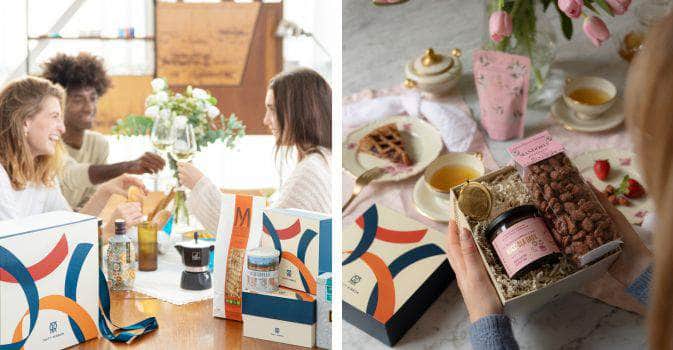
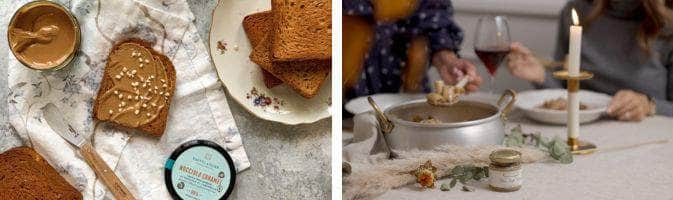
The daily ritual of tea drinking connects millions of people across cultures and continents, transforming ordinary moments into opportunities for reflection and pleasure. While Italy may be renowned for its espresso culture, the global appreciation for fine tea has never been more refined, with premium tea bags offering unprecedented convenience without sacrificing quality. These carefully crafted sachets represent a modern evolution in tea consumption, where traditional craftsmanship meets contemporary lifestyle demands. Understanding what distinguishes superior tea bags from standard varieties reveals insights into quality, sustainability, and the simple joy of savoring exceptional products.
Understanding the Premium Tea Bag Difference
The distinction between ordinary and premium tea bags extends far beyond price points. Superior tea bags contain whole or large-leaf tea rather than the dusty fannings typical of conventional options. This fundamental difference impacts flavor complexity, aroma intensity, and overall drinking experience.
Leaf Quality and Processing Standards
Premium tea bags feature carefully selected leaves harvested at optimal maturity. The processing methods preserve essential oils and delicate flavor compounds that deteriorate during excessive handling. Unlike standard tea production, which prioritizes volume over nuance, artisanal approaches treat each leaf as valuable.
Key quality indicators include:
- Whole leaf or large-cut pieces visible through sachets
- Single-origin sourcing with transparent supply chains
- Minimal processing to preserve natural characteristics
- Small-batch production ensuring freshness
- Organic or biodynamic certification standards
The physical structure of the tea bag itself matters significantly. Traditional paper bags restrict leaf expansion, limiting flavor extraction. Modern pyramid sachets, which have seen substantial growth in the premium market according to industry trends, provide ample space for leaves to unfurl completely during steeping.
Material Innovation and Sustainability
Environmental consciousness drives innovation in premium tea packaging. Biodegradable materials replace plastic-based alternatives, aligning with consumer values around sustainability. Natural fibers like silk, cotton, and plant-based cellulose create permeable barriers that enhance flavor while minimizing ecological impact.
This commitment to environmental responsibility mirrors broader movements toward sustainable living choices that prioritize quality and ethical production. Premium brands recognize that discerning consumers evaluate products holistically, considering both immediate enjoyment and long-term environmental consequences.
| Material Type |
Characteristics |
Environmental Impact |
| Silk sachets |
Maximum permeability, premium feel |
Biodegradable, natural protein fiber |
| Cotton muslin |
Breathable, traditional |
Fully compostable, renewable |
| Plant cellulose |
Heat-sealed, transparent |
Biodegradable within 90 days |
| Plastic mesh |
Common in standard bags |
Non-biodegradable, petroleum-based |
Health Benefits and Nutritional Considerations
The wellness advantages of quality tea extend beyond pleasant taste. Premium tea bags containing whole leaves deliver higher concentrations of beneficial compounds compared to processed alternatives. Antioxidant properties found in black tea include polyphenols that support cardiovascular health and cellular protection.
Different varieties offer distinct nutritional profiles. Green teas provide catechins known for metabolic support, while herbal infusions deliver targeted wellness benefits depending on botanical composition. The processing integrity maintained in premium options ensures these compounds remain bioavailable.
Selecting Tea for Specific Health Goals
Understanding individual wellness objectives helps guide tea selection. Those seeking immune support might prioritize white teas rich in antioxidants, while digestive comfort could lead toward chamomile or peppermint blends. Consumer Reports' analysis of tea benefits emphasizes choosing varieties aligned with personal health priorities.
Premium tea bags simplify accessing these benefits without requiring specialized equipment or extensive preparation knowledge. The measured portions ensure consistent strength while maintaining convenience during busy mornings or restorative evening rituals.
Health-focused tea categories:
- Antioxidant-rich: Green, white, and matcha varieties
- Digestive support: Ginger, peppermint, fennel blends
- Relaxation: Chamomile, lavender, passionflower combinations
- Energy: Black teas, yerba mate, guarana infusions
- Immune boosting: Elderberry, echinacea, rooibos formulations
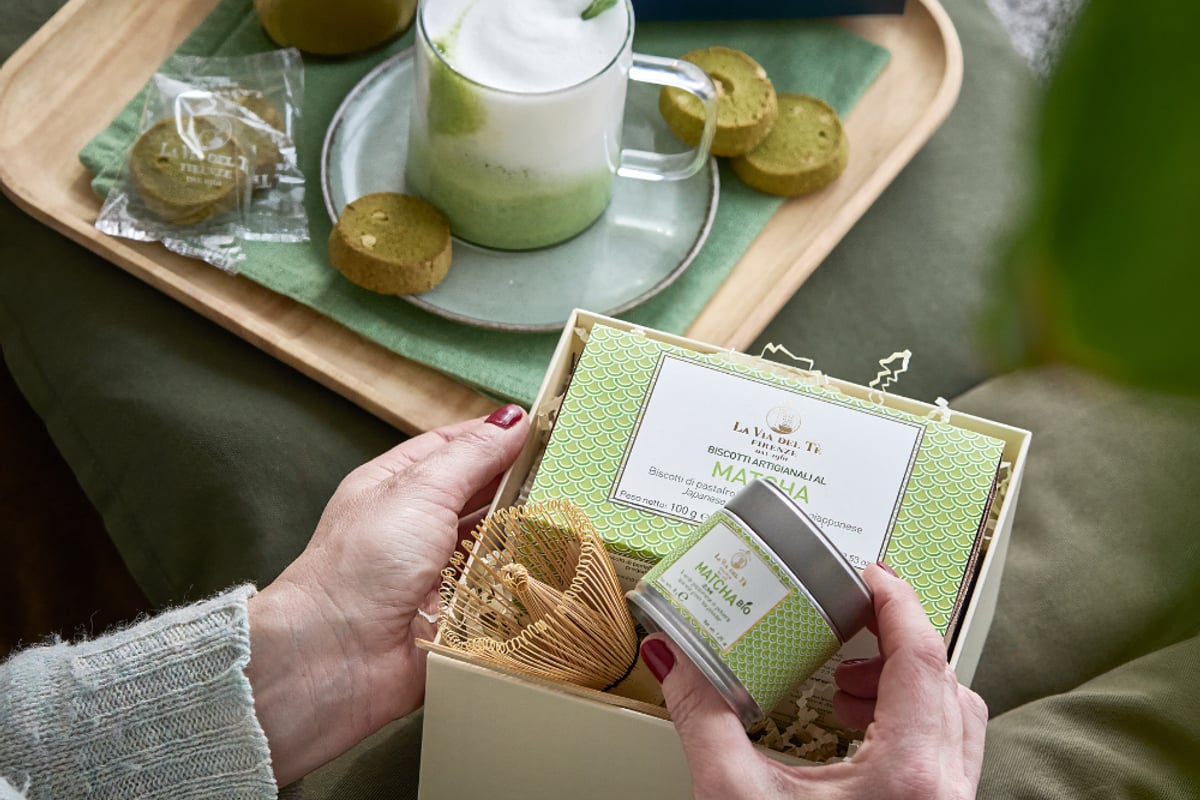
For those exploring matcha's ceremonial traditions and wellness benefits, specialized offerings provide complete experiences. The ritual of preparing matcha connects ancient Japanese traditions with modern wellness practices, creating mindful moments that transcend ordinary beverage consumption.
Cultural Traditions and Global Tea Heritage
Tea ceremonies across cultures emphasize mindfulness, hospitality, and appreciation for craftsmanship. Japanese traditions celebrate precision and aesthetic harmony, while British afternoon tea rituals honor social connection. Italian culture, though coffee-centric, embraces tisane traditions with regional herbal blends reflecting local botanicals.
Regional Varieties and Terroir Expression
Geography profoundly influences tea character. Darjeeling's high-altitude gardens produce delicate muscatel notes, while Assam's lowland plantations yield robust maltiness. Premium tea bags often specify origin, allowing enthusiasts to explore terroir variations similar to wine appreciation.
This geographical specificity parallels how Italian artisanal products express regional identity. Just as Parmigiano Reggiano reflects Emilian dairy traditions, single-estate teas embody distinct microclimates and cultivation practices. Gourmet food gifts that celebrate regional authenticity resonate with consumers seeking genuine cultural connections.
| Tea Region |
Signature Characteristics |
Ideal Preparation |
| Darjeeling, India |
Floral, muscatel, delicate |
185°F, 3-4 minutes |
| Assam, India |
Malty, robust, full-bodied |
212°F, 4-5 minutes |
| Yunnan, China |
Earthy, peppery, smooth |
195°F, 3-4 minutes |
| Ceylon, Sri Lanka |
Bright, citrus, crisp |
200°F, 3-4 minutes |
| Uji, Japan |
Umami, vegetal, sweet |
160°F, 2-3 minutes |
Evaluating Value in Luxury Tea Bags
The premium pricing of luxury tea bags raises questions about value justification. Analysis of luxury tea costs reveals that superior ingredients, ethical sourcing, and artisanal processing contribute to higher prices. For many consumers, the enhanced sensory experience and wellness benefits offset additional expense.
Calculating cost per serving provides perspective. While premium tea bags may cost three times standard options, they often support multiple infusions and deliver significantly richer flavor. This efficiency, combined with guaranteed quality, makes luxury options competitive with specialty tea shops.
Gifting Premium Tea Experiences
Exceptional tea makes thoughtful gifts for various occasions. The sophistication of premium tea bags suits corporate gift sets and personal celebrations alike. Curated selections introduce recipients to global tea traditions while demonstrating giver thoughtfulness.
Pairing tea with complementary gourmet items creates memorable gift experiences. Just as Italian aperitivo culture combines beverages with carefully chosen accompaniments, tea presentations gain impact through strategic pairings. Biscuits, preserves, and honey transform simple tea into complete sensory journeys.
Thoughtful tea gift combinations:
- Breakfast teas with artisanal jams and pastries
- Herbal blends with local honey varieties
- Green teas with delicate shortbread cookies
- Chai selections with spiced confections
- Matcha sets with traditional sweet accompaniments
Preparation Techniques for Optimal Results
Even premium tea bags require proper preparation to achieve their full potential. Water temperature dramatically affects extraction, with delicate varieties suffering from excessive heat while robust types need higher temperatures for complete flavor development.
Temperature and Timing Guidelines
Different tea categories demand specific parameters. Green and white teas release bitter compounds when overheated, while black teas require near-boiling water for optimal infusion. Investing in variable-temperature kettles ensures consistent results across tea types.
Steeping duration balances strength with smoothness. Under-extraction produces weak, disappointing brews, while over-steeping introduces astringency. Premium tea bags generally include preparation instructions tailored to their specific blend characteristics.
Optimal preparation by tea type:
-
White Tea: 160-175°F, steep 4-5 minutes
-
Green Tea: 165-180°F, steep 2-3 minutes
-
Oolong Tea: 185-205°F, steep 3-4 minutes
-
Black Tea: 200-212°F, steep 3-5 minutes
-
Herbal Infusion: 212°F, steep 5-7 minutes
Fresh, filtered water enhances tea quality significantly. Mineral content affects taste perception, with heavily chlorinated or hard water masking subtle flavor notes. Simple filtration systems dramatically improve results without requiring specialized equipment.
Storage and Freshness Preservation
Maintaining premium tea quality requires attention to storage conditions. Light, heat, moisture, and strong odors degrade delicate leaves, diminishing flavor complexity and aromatic properties. Proper containers extend shelf life while preserving the characteristics that justify premium pricing.
Container Selection and Environmental Control
Airtight containers with opaque walls protect against primary degradation factors. Ceramic, dark glass, or metal tins provide superior protection compared to clear containers or original packaging left unsealed. Storing containers in cool, dry locations away from spices and strong-smelling ingredients prevents flavor contamination.
Dating purchases helps track freshness. While premium tea bags maintain quality longer than loose leaves due to protective packaging, they still deteriorate over time. Consuming within six months to one year ensures optimal experience.
Building a Personal Tea Collection
Developing a curated tea selection parallels wine collecting, with variety enabling mood-matching and occasion-specific choices. Starting with foundational categories establishes versatility before exploring specialized options.
Essential collection components:
- Morning energizer: Robust black tea or yerba mate
- Afternoon refresh: Light oolong or green tea
- Evening relaxation: Caffeine-free herbal blend
- Special occasion: Rare or single-estate variety
- Wellness support: Functional herbal formulation
Premium tea bags available today span incredible diversity, from traditional single-origin classics to innovative botanical blends. Exploring different producers and styles builds appreciation for craftsmanship while identifying personal preferences.
This exploratory approach mirrors discovering awesome food gifts that introduce new flavors and cultural traditions. Each tasting becomes a small journey, connecting daily rituals to global heritage and artisanal dedication.
Pairing Tea with Food
Strategic food pairings elevate both tea and culinary elements. The tannic structure of black teas complements rich pastries, while delicate white teas enhance subtle flavors in light desserts. Understanding complementary and contrasting principles guides successful combinations.
Classic and Contemporary Pairings
Traditional British pairings demonstrate time-tested wisdom: Earl Grey with lemon curd, Assam with buttery scones, Darjeeling with delicate finger sandwiches. These combinations balance flavor intensities while creating textural contrasts.
Modern interpretations expand possibilities. Green tea's vegetal notes pair beautifully with sushi or Asian-inspired cuisine. Smoky Lapsang Souchong complements grilled foods, while floral oolongs enhance cheese courses. Herbal blends offer flexibility across sweet and savory applications.
| Tea Type |
Complementary Foods |
Flavor Principle |
| Black tea |
Chocolate, red meat, aged cheese |
Tannic structure cuts richness |
| Green tea |
Seafood, vegetables, rice dishes |
Clean profile enhances delicate flavors |
| Oolong tea |
Poultry, mild cheese, fruit tarts |
Complexity matches varied ingredients |
| White tea |
Light pastries, fresh fruit, soft cheese |
Subtle sweetness complements gentle flavors |
| Herbal tea |
Depends on blend composition |
Match herbal notes to food aromatics |
Economic and Market Trends
The premium tea segment continues expanding as consumers prioritize quality over quantity. Market analysis shows increasing demand for transparent sourcing, sustainable practices, and authentic origin stories. This shift reflects broader consumer trends toward conscious consumption and meaningful product relationships.
Younger demographics drive innovation in flavor development and presentation formats. Limited editions, seasonal releases, and collaborative blends generate excitement similar to specialty coffee culture. Social media amplification spreads awareness of artisanal producers previously known only to devoted enthusiasts.
This evolution creates opportunities for luxury gift packages featuring premium tea selections. Corporate clients increasingly seek distinctive alternatives to standard gift options, with curated tea collections offering sophistication and universal appeal.
Creating Daily Tea Rituals
Establishing consistent tea practices transforms functional hydration into meaningful moments. Whether starting mornings with energizing black tea or unwinding evenings with calming herbal blends, ritualization enhances both experience and wellness benefits.
Elements of effective tea rituals:
- Dedicated preparation time without multitasking
- Consistent quality equipment and ingredients
- Comfortable, pleasant environment
- Mindful attention to sensory experience
- Regular timing aligned with daily rhythms
These practices echo Italian traditions of taking time for quality experiences rather than rushing through consumption. The appreciation of craftsmanship, whether in tea preparation or artisanal food production, reflects values that prioritize depth over speed.
Simple acts of self-care through premium tea selection demonstrate respect for personal wellbeing. Just as choosing authentic Italian products from gift baskets for special occasions shows thoughtfulness toward recipients, investing in quality tea honors oneself.
Selecting premium tea bags represents more than beverage choice-it reflects commitment to quality, sustainability, and meaningful daily rituals. The enhanced flavor, health benefits, and environmental considerations justify the investment for those who value exceptional experiences. When seeking distinctive gifts that celebrate craftsmanship and cultural authenticity, Tasty Ribbon offers curated selections of Italian artisanal products that mirror the same dedication to quality found in the finest teas. From customizable gift boxes to ready-made collections, each offering connects recipients to authentic traditions and the joy of sharing exceptional products.