The first time I witnessed a traditional Japanese tea ceremony, I understood that some beverages transcend simple refreshment. They become meditative rituals, moments of intentional pause in our hurried lives. Premium matcha tea embodies this philosophy, transforming a simple cup of green tea into an experience that engages all the senses. The vibrant green powder, whisked into a frothy elixir, carries centuries of tradition alongside remarkable health benefits. For those seeking authentic, artisanal experiences, understanding what elevates matcha from ordinary to exceptional opens a world of refined taste and mindful appreciation.
Understanding What Makes Matcha Premium
Premium matcha tea represents the pinnacle of tea cultivation and processing. Unlike standard green tea, matcha consists of shade-grown tea leaves ground into an ultra-fine powder, meaning you consume the entire leaf rather than steeping and discarding it. This fundamental difference concentrates the flavor, nutrients, and overall experience.
The grading system for matcha can be confusing at first glance. Different matcha grades serve distinct purposes, from ceremonial to premium to culinary applications. Ceremonial grade sits at the apex, reserved for traditional tea ceremonies and straight consumption. Premium grade follows closely, offering exceptional quality suitable for both traditional preparation and sophisticated culinary applications. Culinary grade, while still valuable, delivers stronger flavor better suited for lattes, smoothies, and baking.
The Shade-Growing Difference
What distinguishes premium matcha tea from lesser varieties begins weeks before harvest. Farmers cover tea plants with shade structures approximately three weeks before picking the first flush of spring leaves. This deliberate reduction in sunlight triggers fascinating biochemical changes within the plant.
Key benefits of shade-growing include:
- Increased chlorophyll production, creating that signature vibrant green color
- Enhanced L-theanine content, the amino acid responsible for calm alertness
- Reduced bitterness from lower catechin levels
- Sweeter, more complex flavor profiles
- Richer umami characteristics
The shade forces tea plants to produce larger, thinner leaves packed with chlorophyll and nutrients. These tender leaves become the foundation of premium matcha tea, hand-picked at their peak and processed with meticulous care.
Regional Origins and Terroir
Geography profoundly influences premium matcha tea character. While Japan produces virtually all authentic matcha, specific regions have cultivated distinctive reputations over centuries.
| Region |
Characteristics |
Notable Qualities |
| Uji (Kyoto) |
Complex, refined, balanced |
Considered the birthplace of Japanese tea culture |
| Nishio (Aichi) |
Rich umami, smooth texture |
Largest matcha-producing region in Japan |
| Shizuoka |
Fresh, vegetal notes |
Mount Fuji's mineral-rich volcanic soil |
| Kagoshima |
Robust flavor, affordability |
Warmer southern climate creates unique profiles |
Premium matcha blends from established producers often showcase these regional differences. Uji matcha, particularly from the Kyoto prefecture, commands respect similar to how certain Italian regions define excellence in their artisanal products. The volcanic soil, climate conditions, and generations of expertise create flavors impossible to replicate elsewhere.
Cultivar Matters
Beyond region, specific tea plant cultivars contribute unique characteristics to premium matcha tea. Yabukita remains the most common cultivar, prized for its reliability and balanced flavor. However, specialty cultivars like Samidori, Okumidori, and Asahi offer distinctive taste profiles that connoisseurs seek out.
These cultivar differences resemble how specific grape varieties create distinct wine characters. Some cultivars produce sweeter matcha, others emphasize vegetal notes, and a few deliver pronounced umami richness that lingers on the palate.
Processing and Stone-Grinding Excellence
After harvest, premium matcha tea undergoes careful processing that preserves its delicate qualities. Workers steam fresh leaves immediately to halt oxidation, maintaining that brilliant green color and fresh flavor. The steamed leaves are then air-dried and sorted meticulously.
The sorting process removes:
- Stems and veins (these become a separate product called kukicha)
- Damaged or discolored leaves
- Anything that doesn't meet premium standards
- Larger, tougher leaf portions
What remains, called tencha, consists purely of the leaf flesh. This tencha then requires grinding, and here traditional methods prove irreplaceable. Authentic premium matcha tea is stone-ground using granite mills that rotate slowly, preventing heat buildup that would damage delicate flavors and nutrients.
The Art of Slow Grinding
Modern industrial grinders can process matcha quickly, but they generate heat that degrades quality. Traditional stone mills grind slowly, producing only about 40 grams per hour. This painstaking pace seems inefficient by contemporary standards, yet it preserves everything that makes premium matcha tea exceptional.
The resulting powder should feel silky, almost impossibly fine. When you rub premium matcha tea between your fingers, it should leave no gritty texture, only smooth powder that resembles the finest cosmetic talc in consistency.
Flavor Profiles and Tasting Notes
Premium matcha tea reveals complex flavor layers that evolve from the first sip to the lingering finish. The initial taste should be naturally sweet, without any harsh astringency. True premium grade delivers umami richness, that savory depth associated with aged cheeses and dashi broth.
As the tea touches your palate, notice the creamy texture and how flavors develop. High-quality matcha presents vegetal notes reminiscent of fresh spinach or wheatgrass, but in a refined, pleasant manner. Some premium varieties offer subtle sweetness like edamame or fresh peas.
The finish tells the real story. Premium matcha tea should leave a clean, sweet aftertaste that invites another sip rather than creating bitterness that lingers unpleasantly. That gentle sweetness, combined with the energizing yet calm sensation from L-theanine, creates the signature matcha experience.
Color as Quality Indicator
Visual assessment provides immediate quality clues. Premium matcha tea displays vibrant, jade-green color that appears almost luminescent. Lesser grades show yellowish or brownish tones indicating older leaves, oxidation, or improper processing.
When whisked properly, premium matcha creates a foam layer that should be creamy and fine-bubbled, not coarse or sparse. This foam structure indicates fresh, properly processed tea with adequate natural oils and proteins still intact.
Preparation Rituals and Techniques
Preparing premium matcha tea becomes a meditative practice connecting you to centuries of tradition. While the Japanese tea ceremony follows elaborate protocols, home preparation can be both simpler and deeply satisfying. For those seeking authentic experiences that blend Eastern wisdom with artisanal quality, exploring the mindful art of matcha preparation offers a perfect complement to appreciating fine culinary traditions.
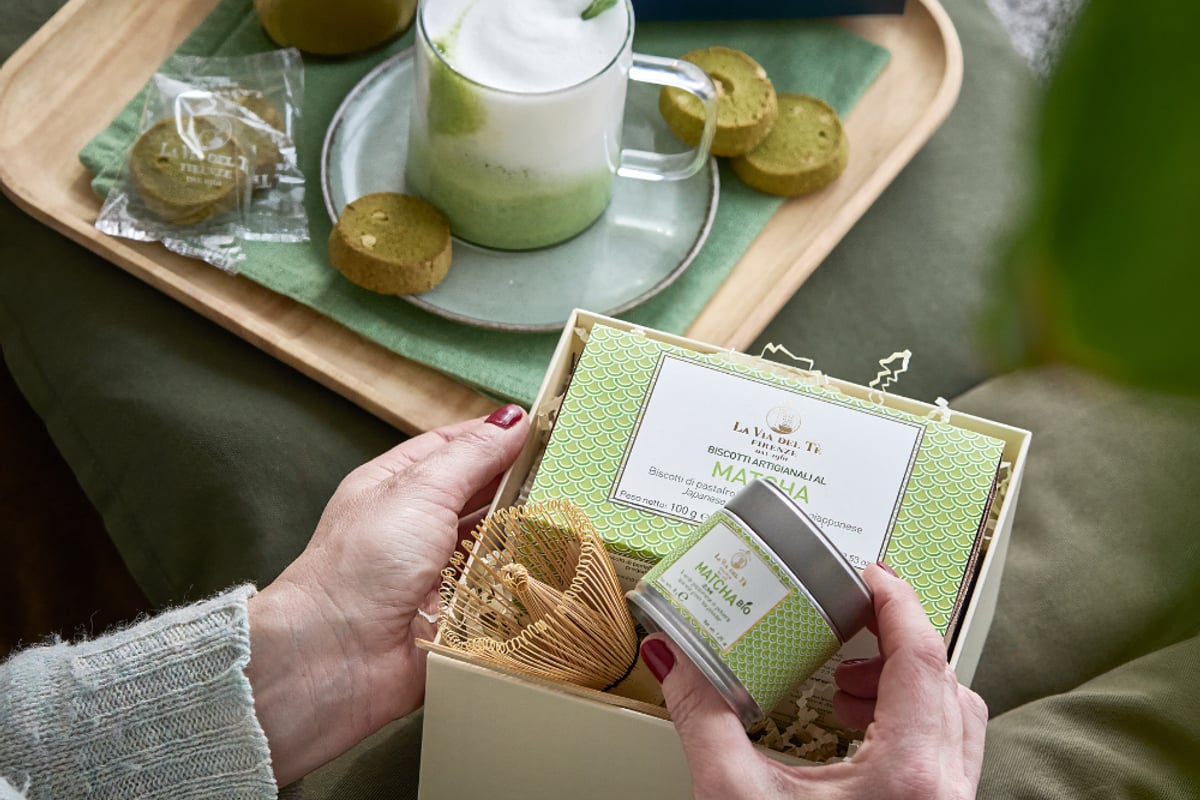
Essential tools include:
- Bamboo whisk (chasen) with fine tines
- Ceramic or stone bowl (chawan)
- Bamboo scoop (chashaku)
- Fine mesh sieve for sifting
Begin by sifting 1-2 grams of premium matcha tea through a fine mesh to eliminate any clumps. Heat water to approximately 175°F, cooler than boiling to prevent bitterness. Pour a small amount into your bowl and whisk vigorously in a zigzag or "W" motion until a fine foam develops across the surface.
Traditional vs. Modern Approaches
Traditional matcha preparation follows specific protocols, but contemporary enthusiasts adapt these methods to daily life. Some prefer thin tea (usucha) with a lighter consistency, while others enjoy thick tea (koicha) that's paste-like and intensely flavored.
Modern applications extend beyond traditional bowls. Premium matcha tea excels in lattes when properly prepared, though using lower temperatures for the matcha before adding steamed milk preserves its delicate qualities. The key lies in treating the powder with respect regardless of preparation style.
Health Benefits and Nutritional Profile
Premium matcha tea concentrates the nutritional power of green tea leaves into every serving. Since you consume the entire leaf rather than just infused water, the nutrient density far exceeds regular tea.
| Nutrient/Compound |
Benefit |
Comparison to Brewed Green Tea |
| EGCG (antioxidants) |
Cellular protection, metabolism |
137x more concentrated |
| L-theanine |
Calm focus, stress reduction |
5x higher levels |
| Chlorophyll |
Detoxification support |
Significantly higher |
| Fiber |
Digestive health |
Only present in matcha |
| Vitamin C |
Immune support |
6x more abundant |
The antioxidant profile of premium matcha tea particularly impresses researchers. The catechin content, especially epigallocatechin gallate (EGCG), provides powerful cellular protection that may support long-term health in numerous ways.
The L-Theanine Advantage
What makes premium matcha tea unique among caffeinated beverages is its L-theanine content. This amino acid works synergistically with caffeine to provide sustained energy without the jitters or crashes associated with coffee. The result feels like calm alertness, perfect for focused work or creative endeavors.
This combination explains why Zen monks traditionally consumed matcha before long meditation sessions. The caffeine provides wakefulness while L-theanine promotes the relaxed concentration necessary for deep practice.
Storage and Freshness Considerations
Premium matcha tea is remarkably delicate, requiring proper storage to maintain its exceptional qualities. Unlike aged wines or cheeses that improve over time, matcha peaks at production and gradually declines.
Optimal storage practices:
- Keep sealed in opaque, airtight containers
- Store in cool, dark locations away from heat
- Refrigerate after opening for extended freshness
- Use within 3-4 weeks of opening for best flavor
- Freeze unopened containers for long-term storage
Light exposure particularly damages matcha, degrading chlorophyll and causing that vibrant green to fade to dull olive. Heat accelerates oxidation, destroying delicate flavors and beneficial compounds. Moisture introduces clumping and potential mold growth.
Recognizing Freshness
Fresh premium matcha tea exhibits that brilliant green color and aromatic fragrance that balances sweet and vegetal notes. As matcha ages, the color dulls, the aroma fades, and bitter flavors emerge. While aged matcha won't harm you, it certainly won't deliver the experience premium grade promises.
Smart consumers purchase smaller quantities more frequently rather than large amounts that sit unused. This approach ensures every cup showcases the tea at its finest.
Gifting Premium Matcha Tea
Premium matcha tea makes an extraordinary gift for wellness enthusiasts, tea lovers, and anyone seeking mindful rituals in their daily routine. The ceremonial aspect adds depth beyond simple beverage giving, offering recipients an invitation to slow down and savor.
When selecting matcha as a gift, consider complete sets that include preparation tools alongside the tea itself. The bamboo whisk, scoop, and proper bowl transform matcha from a powder in a tin into an accessible experience. Thoughtful gift presentations that combine quality products with beautiful packaging demonstrate care and attention to detail.
Pairing premium matcha tea with complementary items creates memorable gift experiences. Consider including:
- Artisanal cookies or shortbread that complement matcha's flavor
- Handcrafted ceramics from traditional pottery regions
- Books on tea ceremony or Japanese aesthetics
- Seasonal accompaniments that honor cultural traditions
Cultural Bridges and Shared Values
The philosophy behind premium matcha tea resonates with values central to Italian artisanal traditions: respect for ingredients, dedication to craft, and the elevation of daily rituals into moments worth savoring. Both cultures understand that excellence requires time, skill, and unwavering commitment to quality over convenience.
This parallel makes matcha a natural addition to curated gift collections that celebrate global artisanship. Just as authentic Parmigiano Reggiano represents centuries of Italian cheesemaking expertise, genuine ceremonial matcha embodies Japanese agricultural and processing mastery refined across generations.
Price Points and Value Assessment
Premium matcha tea commands prices that might surprise newcomers to the category. Quality ceremonial grade typically ranges from $25 to $50 per ounce, with exceptional small-batch productions exceeding $100 per ounce.
These prices reflect genuine costs: shade-growing reduces yields, hand-picking ensures only perfect leaves, stone-grinding proceeds slowly, and authenticity matters. Understanding premium pricing in specialty foods helps consumers appreciate the value behind the investment.
Price factors include:
- Origin region and terroir
- Organic certification status
- Processing methods (stone-ground vs. machine)
- Cultivar rarity
- Producer reputation and history
- Packaging and presentation
While premium matcha tea costs more initially than supermarket tea bags, calculate the per-serving cost. One ounce provides approximately 30 servings, making even expensive matcha reasonable compared to daily coffee shop purchases.
Avoiding Common Pitfalls
The matcha market includes products spanning from authentic premium to barely drinkable powder. Choosing quality matcha requires discernment. Avoid unrealistically cheap "ceremonial" grade, matcha lacking origin information, and products showing brownish coloration.
Reputable sellers provide transparent sourcing details, harvest dates, and often first-person relationships with Japanese producers. Established tea companies with decades of experience typically offer more reliable quality than newcomers making exaggerated health claims.
Sustainability and Ethical Sourcing
Premium matcha tea production increasingly emphasizes environmental stewardship and farmer welfare. Traditional growing methods naturally align with sustainable agriculture, avoiding synthetic pesticides and prioritizing soil health for long-term productivity.
Sustainable matcha sourcing considers multiple factors beyond organic certification. Fair compensation for farmers, preservation of traditional knowledge, water conservation, and biodiversity protection all contribute to truly ethical production.
Sustainability indicators:
- Organic or pesticide-free certification
- Direct trade relationships with farmers
- Transparent supply chain information
- Traditional farming method preservation
- Environmental impact statements
Supporting producers committed to sustainability ensures premium matcha tea production remains viable for future generations. This long-term perspective mirrors the approach of Italian artisans who view their work as stewardship of centuries-old traditions.
The Role of Certification
Japanese Agricultural Standards (JAS) organic certification provides baseline assurance for premium matcha tea. However, many small-scale producers follow organic principles without formal certification due to cost barriers. Researching individual producers and their practices often reveals more than labels alone.
Culinary Applications Beyond Tea
While premium matcha tea shines in traditional preparation, its culinary versatility extends far beyond the tea bowl. The powder integrates seamlessly into both sweet and savory applications, lending vibrant color, earthy flavor, and nutritional benefits.
Baking with premium matcha creates stunning results in shortbread, pound cakes, and delicate cookies. The tea's natural umami enhances butter-based pastries particularly well. For best results, sift matcha with dry ingredients and avoid excessive heat that can dull the color.
Savory applications showcase matcha's versatility in surprising ways:
- Whisked into salad dressings for antioxidant-rich vinaigrettes
- Incorporated into fresh pasta dough for striking green noodles
- Blended into compound butter for finishing grilled vegetables
- Mixed into dry rubs for fish or poultry
Balancing Premium Quality with Culinary Use
While ceremonial grade matcha can be used in cooking, premium or culinary grades often make more economic sense for these applications. The intense heat of baking diminishes some delicate qualities that justify ceremonial grade's higher price. Reserve your finest matcha for traditional preparation where you'll fully appreciate its excellence.
That said, using quality ingredients in cooking always improves results. Even culinary-grade premium matcha tea outperforms low-quality alternatives, creating dishes with better color, flavor, and nutritional value.
Building Your Matcha Practice
Incorporating premium matcha tea into daily routines creates anchoring rituals that promote mindfulness and wellness. Many practitioners find the morning preparation ceremony sets a intentional tone for the entire day ahead.
Begin simply: commit to preparing matcha mindfully three times weekly. Notice how the whisking motion focuses attention, how the aroma shifts your mental state, how the first sip feels on your palate. This attentiveness transforms routine into practice.
As comfort grows, experiment with water temperatures, whisking techniques, and powder quantities to discover your preferences. Premium tea experiences reward exploration and personal refinement.
Creating Space for Tea
The Japanese concept of "chashitsu" or tea room emphasizes creating dedicated space for tea practice. You needn't build a separate structure, but designating a peaceful corner, a specific chair, or even a particular time of day establishes the ritual's importance.
Surrounding yourself with beautiful objects enhances the experience. A handcrafted tea bowl, a simple flower arrangement, or natural light streaming through a window all contribute to the meditative quality premium matcha tea invites.
Premium matcha tea offers more than exceptional flavor and impressive health benefits; it provides an invitation to pause, prepare mindfully, and savor moments of authentic quality in our accelerated world. Whether you're discovering matcha for yourself or seeking meaningful gifts that transcend the ordinary, Tasty Ribbon connects you with artisanal products crafted by masters dedicated to their traditions. Explore our curated collections that celebrate quality, authenticity, and the joy of sharing experiences that nourish both body and spirit.