The Italian Christmas table holds many treasures, but few are as instantly recognizable as the golden dome of panettone with its distinctive cross-cut top. That particular finishing touch, a deep cruciform score brushed with butter and sugar, transforms a simple dome into what Italians call scarpato panettone. This traditional presentation has graced holiday tables for generations, representing not just aesthetic beauty but a baker's technical mastery and respect for centuries-old technique. As the holiday season approaches each year, discerning gift-givers seek out these artisanal creations to share the authentic flavors of Italian tradition with those they cherish.
Understanding the Scarpato Panettone Tradition
The term scarpato comes from the Italian word for "scored" or "cut," referring to the characteristic cross incision made on top of the panettone before its final proofing. This isn't merely decorative flourish. When bakers create scarpato panettone, they're following a precise ritual that dates back to Milan's oldest bakeries, where master bakers would mark their creations with this signature cross to ensure proper expansion during baking.
The technical specifications are surprisingly exact. According to official competition guidelines, the cross cut must reach specific depth proportions, and the surface receives a coating of butter and sometimes a scarpatura paste before baking. This paste, typically containing sugar, almonds, and egg whites, creates that irresistible golden crust that shatters delicately under your fingers.
Why the Cross-Cut Matters
Beyond tradition, the scarpato technique serves practical purposes that directly affect texture and flavor:
-
Even expansion: The cross allows the dough to rise uniformly, preventing irregular bulges or collapsed centers
-
Crust development: Butter application creates a crisp, caramelized surface that contrasts beautifully with the soft interior
-
Heat distribution: Scored sections allow heat to penetrate more evenly throughout the tall dome
-
Visual authentication: The distinctive cross signals traditional craftsmanship to knowledgeable consumers
When you slice into properly made scarpato panettone, you'll notice how the scoring pattern influences the internal structure. The four quadrants created by the cross often show slightly different textures, with the center portions remaining exceptionally soft while the outer sections develop more character.
The Art of Traditional Scarpatura
Creating authentic scarpato panettone requires understanding the scarpatura process, which artisanal masters protect through strict disciplinary standards. The Accademia Maestri del Lievito Madre defines precise ingredient ratios and technique requirements that separate true artisanal production from industrial shortcuts.
The timing proves crucial. Bakers must score the dough after it has completed its second rise but before it enters the oven. Too early, and the dough collapses. Too late, and the cuts won't open properly during baking. This narrow window demands experience and intuition developed over years of practice.
| Traditional Scarpato Element |
Purpose |
Visual Result |
| Deep cross incision |
Controlled expansion |
Four distinct quadrants |
| Butter application |
Caramelization |
Golden, crispy top crust |
| Almond paste coating |
Flavor and texture |
Slightly crunchy surface |
| Final sugar dusting |
Sweetness and shine |
Crystallized appearance |
Master bakers often guard their exact scarpatura recipes, but most share common elements: finely ground almonds, granulated sugar, egg whites, and sometimes hazelnut flour. The mixture should be thick enough to hold the cross pattern distinct while thin enough to merge seamlessly with the butter layer during baking.
Selecting Authentic Scarpato Panettone
When searching for genuine scarpato panettone, whether for your own table or as a thoughtful gift, certain indicators separate artisanal excellence from mass-produced alternatives. The visual inspection begins with that signature cross, but discerning buyers look deeper.
Key Quality Indicators
Weight and height ratio: Authentic panettone should feel surprisingly light for its size, indicating proper fermentation and air incorporation. A one-kilogram loaf typically stands 15-17 centimeters tall with a dome that rises well above the paper mold.
Natural leavening: Look for lievito madre naturale (natural mother yeast) on ingredient lists. This sourdough starter, maintained for years or even decades, creates the complex flavor profile that commercial yeast cannot replicate. Scientific research confirms that the microbial populations in traditional mother yeast contribute significantly to panettone's distinctive taste and extended shelf life.
Ingredient simplicity: Traditional scarpato panettone contains flour, butter, eggs, sugar, candied fruits, and natural yeast. Suspiciously long ingredient lists often signal industrial production methods.
The cross itself tells stories to trained eyes. A well-executed scarpatura shows clean, deliberate cuts that have opened evenly during baking, creating four symmetrical sections. The butter coating should appear golden and slightly crystallized, not burned or pale.
Premium producers often package their scarpato panettone in elegant boxes with windows that showcase the distinctive top. This presentation serves dual purposes: protecting the delicate structure while allowing buyers to verify authentic craftsmanship before purchase. For those seeking exceptional holiday gifts, this combination of visual appeal and traditional quality makes scarpato panettone an ideal choice.
Regional Variations and Modern Interpretations
While Milan claims panettone as its birthright, interpretations of scarpato style have evolved across Italy's diverse regions. Each area brings local ingredients and techniques to this Christmas classic, creating variations that honor tradition while expressing regional identity.
Northern Traditions
Lombardy bakers maintain the strictest adherence to classic scarpato methods, using only Sultana raisins and candied orange peel. Their crosses tend toward precision, with mathematical exactness in depth and angle. Piedmont artisans sometimes incorporate their region's famous hazelnuts into the scarpatura paste, adding nutty complexity to the crust.
Veneto producers occasionally brush their crosses with local honey before the butter application, creating an amber sheen and subtle floral notes. These regional touches remain subtle, never overwhelming the fundamental character that defines scarpato panettone.
Contemporary Artisan Approaches
Modern master bakers have begun experimenting within traditional frameworks, creating scarpato variations that respect heritage while exploring new dimensions:
-
Dark chocolate and bergamot: Sicilian citrus meets premium cacao
-
Chestnut and vanilla: Autumn mountain flavors in winter celebration
-
Apricot and almond: Stone fruit sweetness with nutty depth
-
Pistachio cream filling: Sicilian pistachios hidden within classic structure
According to food critics surveying artisanal production, even these innovations maintain the scarpato cross, recognizing its importance as a symbol of craftsmanship and tradition. The cross-cut finish has become so synonymous with quality that removing it would diminish consumer confidence, regardless of flavor innovation.
Proper Storage and Serving Rituals
Once you've acquired exceptional scarpato panettone, preserving its qualities requires specific care. These tall, delicate breads remain surprisingly forgiving when treated properly, maintaining freshness for weeks through simple storage techniques.
Temperature and humidity control: Keep unopened panettone in its original packaging at room temperature, away from direct sunlight and heat sources. The paper wrapper allows slight air circulation while protecting the delicate crust. Avoid refrigeration, which accelerates staling and compromises the soft, cloud-like texture.
Post-opening preservation: After cutting, cover the exposed surface with the original wrapper or clean kitchen cloth. Never use plastic wrap directly against the cut surface, as trapped moisture creates sogginess. Properly stored scarpato panettone maintains quality for 7-10 days after opening.
Traditional Serving Methods
Italians approach panettone service with ritualistic care that enhances both flavor and social experience:
-
Bring to room temperature: Remove from storage 30 minutes before serving
-
Slice vertically: Cut from top to bottom in wedges, preserving the cross pattern
-
Serve on individual plates: Present each slice standing upright to showcase the internal structure
-
Accompany thoughtfully: Pair with sweet wine, espresso, or mascarpone cream
The classic Milanese tradition involves serving scarpato panettone with a glass of sweet sparkling wine, typically Moscato d'Asti or Asti Spumante. The wine's effervescence and gentle sweetness complement the rich, buttery bread without overwhelming its delicate flavors. Some families serve mascarpone cream on the side, allowing guests to dollop the soft cheese onto each bite.
For those interested in exploring authentic Italian artisanal traditions, understanding these serving rituals deepens appreciation for the cultural significance embedded in every slice.
Gifting Scarpato Panettone with Intention
Presenting scarpato panettone as a gift carries deeper meaning than simply handing someone a sweet bread. In Italian culture, offering premium panettone communicates respect, appreciation, and wishes for prosperity. The gift-giver's thoughtfulness shows in selection details: choosing artisanal over industrial, traditional over trendy, authentic over convenient.
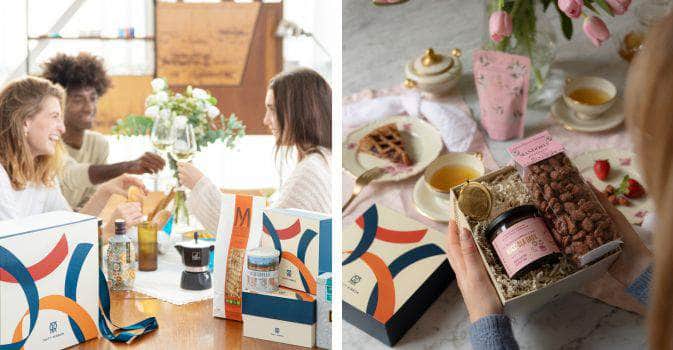
Presentation elevates meaning: The most memorable panettone gifts arrive beautifully packaged, perhaps nestled in elegant boxes alongside complementary items that enhance the experience. Consider pairing with:
- High-quality espresso or specialty coffee beans
- Artisanal chocolate truffles for contrast
- Sweet wine selected to match the panettone's flavor profile
- Vintage dessert plates or linen napkins for serving
When selecting scarpato panettone for corporate gifting, the traditional cross-cut finish signals sophistication and cultural knowledge. Recipients who appreciate Italian culture immediately recognize the scarpato style as a mark of quality and thoughtful selection. For those seeking memorable corporate gift ideas, this combination of tradition and excellence creates lasting impressions.
The timing matters too. Italians traditionally purchase panettone in early December, allowing the bread to rest for a week or two before Christmas. This resting period lets flavors meld and mature, creating even more complex taste profiles. Thoughtful gift-givers who understand this tradition often present their panettone in early December, demonstrating cultural sophistication.
Pairing and Recipe Applications
While scarpato panettone shines when enjoyed simply, creative applications extend its versatility beyond traditional service. Italian home cooks have developed numerous preparations that transform leftover panettone into entirely new experiences.
Classic preparations include:
Panettone French Toast (Pan Perduto)
Thick slices soaked in sweetened egg mixture, pan-fried in butter until golden, and served with maple syrup or berry compote. The cross-cut sections create particularly beautiful presentations when sliced and arranged on the plate.
Panettone Bread Pudding
Cubed scarpato panettone layered with custard, dried fruits, and sometimes chocolate, then baked until set. The traditional scarpatura crust adds textural interest throughout the pudding, creating pockets of caramelized sweetness.
Tiramisu-Style Panettone
Layer thin panettone slices with espresso-soaked mascarpone cream, dusting with cocoa powder. This elegant dessert honors both traditional Italian sweets while creating something entirely new.
| Pairing Type |
Specific Recommendation |
Why It Works |
| Wine |
Moscato d'Asti |
Gentle bubbles and floral sweetness |
| Coffee |
Single-origin espresso |
Bold contrast highlights butter notes |
| Spirit |
Aged grappa |
Digestive qualities and warming spice |
| Cheese |
Fresh mascarpone |
Creamy richness complements texture |
| Chocolate |
Dark 70% cacao |
Bitter complexity balances sweetness |
Beyond these applications, contemporary chefs have incorporated scarpato panettone into gelato bases, used it as breading for fried desserts, and even transformed it into savory preparations with foie gras or aged cheeses. These innovations stretch boundaries while respecting the fundamental quality that makes the original so compelling.
The Competition Circuit and Quality Standards
Professional bakers who specialize in scarpato panettone often test their skills in international competitions, where judges evaluate technical execution according to precise regulatory standards. These competitions have elevated panettone production from traditional craft to competitive art form.
Competition criteria assess:
- Cross-cut symmetry and depth consistency
- Crust color and texture uniformity
- Internal alveolature (air pocket distribution)
- Flavor complexity and balance
- Ingredient quality and sourcing authenticity
Winners often gain international recognition that transforms their bakeries into pilgrimage destinations for panettone enthusiasts. These master bakers typically maintain decades-old mother yeast cultures, treating them with the reverence usually reserved for family heirlooms. Some cultures date back over a century, passed from teacher to apprentice through generations.
The competitive environment has driven technical innovation while preserving traditional methods. Bakers experiment with fermentation timing, temperature control, and ingredient sourcing, always within the framework that defines authentic scarpato panettone. This balance between innovation and tradition ensures the craft continues evolving without losing its essential character.
For consumers, competition success serves as a reliable quality indicator. Bakeries displaying competition medals or awards have demonstrated their capabilities under expert scrutiny, offering assurance that their scarpato panettone meets the highest standards.
Sustainability and Artisanal Production
Modern consumers increasingly seek products that align with environmental and social values, making the artisanal scarpato panettone production model particularly relevant. Traditional bakeries typically operate on principles that naturally support sustainability, even when that term wasn't part of their vocabulary.
Sustainable aspects of traditional production:
Small-batch methods minimize waste and energy consumption compared to industrial facilities. Artisan bakers purchase ingredients from local or regional suppliers when possible, supporting agricultural communities and reducing transportation impacts. The multi-day fermentation process required for authentic lievito madre panettone cannot be rushed, ensuring bakers work within natural rhythms rather than forcing production speed.
Many premium producers now source certified organic flour, free-range eggs, and sustainably harvested candied fruits. These choices increase costs but appeal to consumers who view food purchases as value statements. The scarpato cross-cut finish, requiring hand scoring rather than mechanical processing, inherently supports skilled labor employment.
Paper packaging, traditional for panettone, offers environmental advantages over plastic alternatives while providing adequate protection during shipping and storage. Some producers have begun using recyclable or compostable materials exclusively, eliminating non-biodegradable elements from their packaging systems.
For businesses seeking thoughtfully curated Italian gifts, these sustainability factors add meaningful dimension to product selection. Customers appreciate knowing their purchases support artisanal traditions that honor both environmental stewardship and cultural heritage.
Emerging Trends in Scarpato Panettone
The 2026 holiday season shows interesting developments in how artisan producers approach scarpato panettone. While fundamental techniques remain unchanged, presentation innovations and flavor explorations continue pushing boundaries within traditional frameworks.
Current market movements include:
-
Transparent sourcing: Producers highlighting specific ingredient origins, from the wheat variety to the candied fruit supplier
-
Limited edition collaborations: Master bakers partnering with chocolatiers, distilleries, or other artisans for unique flavor profiles
-
Heritage grain revival: Ancient wheat varieties replacing modern cultivars for distinctive flavor and nutritional profiles
-
Miniature formats: Individual-sized scarpato panettone maintaining traditional proportions and techniques
The rise of AI-powered search has changed how consumers discover premium panettone. Clear, detailed product descriptions that answer specific questions perform better than vague marketing language. Customers searching for "what makes scarpato panettone different" or "how to identify authentic Italian panettone" find authoritative content more valuable than generic promotional material.
This shift benefits artisanal producers who can articulate their processes and differentiate their products through transparency. The scarpato tradition, with its visible quality markers and rich history, translates well to this environment where educated consumers seek authentic experiences over mass-market convenience.
The scarpato panettone tradition represents Italian craftsmanship at its finest, combining centuries of technique with natural ingredients and patient fermentation processes that cannot be rushed. Understanding the significance of that distinctive cross-cut finish deepens appreciation for the skill and dedication required to create these holiday masterpieces. When you're ready to experience authentic Italian artisanal excellence and share it with those you value, Tasty Ribbon connects you directly to Italy's finest makers, offering carefully curated selections that honor tradition while celebrating the joy of exceptional gifting.