There's something almost sacred about unwrapping a truly exceptional chocolate bar. The quiet snap as you break off a piece, the glossy sheen catching the light, the aroma that rises like a promise. Chocolate transcends borders and generations, connecting us through shared moments of pure indulgence. When we talk about the worlds finest chocolate bars, we're not simply discussing confectionery-we're exploring artistry, heritage, and the passionate dedication of chocolatiers who treat cacao as a precious gift. From the sun-drenched hillsides of Tuscany to the volcanic soils of Ecuador, the journey of extraordinary chocolate begins long before it reaches your palate. This exploration celebrates those remarkable bars that elevate chocolate from everyday treat to memorable experience, with a special focus on the Italian craftsmanship that transforms simple ingredients into edible poetry.
Understanding What Makes Chocolate Truly Exceptional
The distinction between ordinary chocolate and the worlds finest chocolate bars lies in details most people never consider. Quality begins at origin, where cacao varieties like Criollo and Trinitario produce beans with complex flavor profiles that mass-market chocolates simply cannot replicate. These rare varieties represent less than five percent of global cacao production, making them precious commodities for serious chocolatiers.
The Foundation of Excellence
Origin matters profoundly. Single-origin bars showcase the terroir of specific regions, much like fine wine captures the essence of its vineyard. Venezuelan cacao offers fruity, wine-like notes, while Ecuadorian varieties bring floral aromatics that dance on the tongue. Italian chocolatiers have long understood this principle, sourcing beans from carefully selected plantations and maintaining direct relationships with farmers who share their commitment to quality.
The percentage of cacao tells only part of the story. While a 70% dark chocolate indicates the proportion of cacao mass and cocoa butter, the quality of those components varies dramatically. Superior bars use minimal ingredients-cacao, sugar, perhaps vanilla or cocoa butter-allowing the bean's natural character to shine through without interference from emulsifiers or artificial flavors.
Processing techniques separate exceptional from ordinary. Traditional stone grinding, practiced by Italian artisans for generations, develops chocolate's texture over days rather than hours. This patient approach creates incredibly smooth chocolate where particles measure just 20 microns, smaller than the tongue can detect. The result feels like silk melting across your palate, releasing flavors in waves rather than all at once.
Italian Masters of Chocolate Craftsmanship
Italy's relationship with chocolate stretches back centuries, creating a tradition where innovation meets reverence for classic technique. Italian chocolate makers approach their craft with the same dedication vintners bring to wine or cheese makers to Parmigiano Reggiano-as a sacred responsibility to preserve quality while honoring regional character.
Regional Chocolate Traditions
In Tuscany, chocolatiers work in centuries-old workshops where marble counters stay naturally cool, perfect for tempering chocolate by hand. These artisans create bars that reflect their surroundings: robust, elegant, uncompromising. Vestri, a renowned Florentine chocolatier, exemplifies this commitment to excellence, crafting small batches that capture the essence of Italian chocolate mastery.
The Piedmont region contributes its own legacy through gianduja, that sublime blend of chocolate and hazelnut paste. What began as a creative response to Napoleon's continental blockade has evolved into one of Italy's greatest contributions to the chocolate world. The finest gianduja bars contain nothing but chocolate, toasted Piedmont hazelnuts, and sugar-three ingredients transformed through skill into something transcendent.
| Italian Chocolate Region |
Signature Style |
Key Characteristics |
| Tuscany |
Bold dark chocolate |
Intense cacao, minimal sugar, traditional methods |
| Piedmont |
Gianduja creations |
Hazelnut integration, creamy texture, balanced sweetness |
| Sicily |
Modica chocolate |
Grainy texture, cold-processed, spiced varieties |
| Umbria |
Artisanal blends |
Local ingredient infusions, innovative flavors |
Sicily's Modica chocolate represents one of the worlds finest chocolate bars through its utterly unique character. This cold-processed chocolate retains a granular texture, reminiscent of the Aztec chocolate the Spanish conquistadors first encountered. Sugar crystals never fully dissolve, creating an almost sandy mouthfeel that initially surprises, then captivates. Flavored with cinnamon, vanilla, or chili, Modica chocolate connects us directly to chocolate's ancient origins.
The Italian Approach to Flavor
Italian chocolatiers embrace bold flavor pairings that might seem unconventional elsewhere. Olive oil finds its way into dark chocolate bars, adding fruity notes and silky texture. Sea salt from Trapani or Cervia enhances sweetness while providing mineral complexity. Balsamic vinegar from Modena, aged for decades, contributes sweet-tart depth that makes chocolate taste somehow more itself.
These combinations work because they follow a fundamental principle: respect for ingredients. An Italian chocolate maker would never mask poor chocolate with excessive flavoring. Instead, carefully selected additions highlight and amplify the chocolate's inherent qualities, creating harmonious compositions where every element serves a purpose.
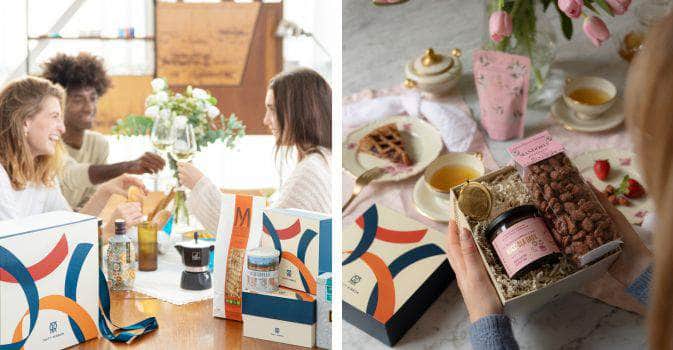
The presentation matters too. Italian chocolate bars often arrive wrapped in elegant paper, sometimes featuring artistic designs or heritage patterns. This attention to aesthetic detail transforms the simple act of enjoying chocolate into a ritual, a moment to pause and appreciate beauty in everyday life. When you're selecting gourmet chocolate gift boxes for someone special, this level of care in presentation communicates thoughtfulness as clearly as the chocolate itself speaks of quality.
Global Icons Among the Worlds Finest Chocolate Bars
While Italy offers extraordinary chocolate traditions, other nations contribute their own masterpieces to the canon of exceptional bars. Understanding this global landscape helps us appreciate how different cultures interpret cacao's possibilities, each bringing unique perspectives to chocolate making.
European Excellence
Switzerland built its reputation on milk chocolate innovation, creating bars with impossibly smooth textures through careful conching processes. Swiss chocolatiers pioneered adding milk powder to chocolate, fundamentally changing what chocolate could be. Their finest bars demonstrate that milk chocolate, when crafted with premium ingredients and expertise, deserves recognition alongside the most sophisticated dark chocolates.
Belgian chocolate makers excel at pralines and filled bars, where ganache centers reveal themselves within thin chocolate shells. The history and manufacturing processes of chocolate bars show how Belgian innovations in molding and filling techniques influenced chocolate production worldwide. Their contribution to the worlds finest chocolate bars category comes through technical precision and unwavering commitment to freshness-Belgian chocolate is meant to be enjoyed young, at its peak of flavor and texture.
France approaches chocolate with the same seriousness it brings to gastronomy, treating chocolatiers as respected professionals equivalent to chefs. French bars often feature single-origin cacao presented simply, allowing subtle flavor differences to emerge. A bar made from Madagascar cacao tastes distinctly different from one crafted with beans from the Caribbean, and French chocolatiers want you to notice these nuances, to develop a palate for chocolate as discerning as one might have for wine.
The Italian Luxury Segment
Italy's Amedei Porcelana represents perhaps the ultimate expression of luxury chocolate. Made from rare Porcelana cacao beans grown in Venezuela, this bar commands extraordinary prices and limited availability. Porcelana beans produce chocolate with remarkable smoothness and complexity, offering notes of cream, honey, and subtle spice that evolve as the chocolate melts.
What makes Amedei's approach particularly Italian is the philosophy behind it. Rather than creating the most expensive chocolate simply to claim a record, they sought to create the finest chocolate possible, then pursued the rare beans necessary to achieve that vision. This process over product mentality characterizes Italian artisanship across categories, from leather goods to culinary creations.
The production remains remarkably small-scale. While industrial chocolate makers process tons of beans daily, Amedei works in batches that allow for constant quality monitoring and adjustment. Each bar receives attention that simply isn't possible in mass production, resulting in chocolate that tastes hand-crafted because it genuinely is.
Evaluating Quality in Fine Chocolate
Learning to assess the worlds finest chocolate bars develops your appreciation and helps you make informed choices whether selecting chocolate for personal enjoyment or choosing luxury gift packages that will truly impress recipients. Quality reveals itself through multiple dimensions, some obvious, others requiring a more educated palate.
Visual and Tactile Assessment
Appearance tells stories. Quality chocolate displays a glossy, uniform surface free from bloom-those grayish streaks or spots that indicate improper tempering or storage. The chocolate should snap cleanly when broken, not bend or crumble, indicating proper crystalline structure. Edges should be sharp and well-defined, never rounded or soft.
Feel the chocolate's weight in your hand. Premium bars use quality packaging that protects the chocolate while reflecting the care invested in creating it. The wrapper should provide information about origin, cacao percentage, and ingredients-transparency signals confidence in quality.
Rub a small piece of chocolate between your fingers. It should begin melting from body heat, leaving a smooth residue rather than a waxy coating. This simple test reveals whether the chocolate contains only cocoa butter or includes cheaper vegetable fats that compromise both texture and flavor.
The Tasting Experience
Proper tasting begins with all senses engaged. Notice the chocolate's aroma before taking a bite-quality chocolate releases complex scents ranging from fruity to earthy to floral, depending on origin and processing. If the aroma seems flat or overly sweet, the taste likely will be too.
Let a small piece melt on your tongue rather than chewing immediately. Pay attention to how the chocolate melts and releases flavors. The worlds finest chocolate bars reveal themselves in layers:
-
Initial notes: First impressions, often bright and acidic
-
Middle development: Core chocolate flavors emerging
-
Finish: Lingering tastes that persist after swallowing
The finish particularly distinguishes exceptional chocolate. While cheap chocolate tastes briefly sweet then disappears, quality bars leave pleasant flavors resonating for minutes. You might notice fruit notes, nutty undertones, or subtle bitterness that balances sweetness perfectly.
| Quality Indicator |
What to Look For |
What to Avoid |
| Texture |
Smooth melting, velvety mouthfeel |
Waxy, gritty, or sticky sensations |
| Flavor complexity |
Multiple distinct notes, evolving taste |
One-dimensional sweetness |
| Finish |
Long-lasting pleasant aftertaste |
Quick fade or unpleasant bitterness |
| Ingredients |
Short list, recognizable items |
Long list with chemicals, palm oil |
Understanding these evaluation criteria transforms chocolate tasting from passive consumption into active engagement. You begin noticing subtleties, developing preferences based on actual taste rather than marketing claims. This knowledge serves you well when exploring the best chocolate in the world, helping you distinguish genuine quality from clever packaging.
The Art of Pairing and Presenting Fine Chocolate
The worlds finest chocolate bars deserve thoughtful presentation and pairing, whether you're enjoying them yourself or sharing them as gifts. Italian food culture teaches us that context enhances enjoyment-the right accompaniments and atmosphere transform good into unforgettable.
Complementary Flavors
Wine and chocolate create natural partnerships. Rich, dark chocolate pairs beautifully with full-bodied red wines like Barolo or Amarone, where tannins in both balance each other. Milk chocolate finds harmony with lighter reds or even dessert wines, while white chocolate, though not technically chocolate, complements sparkling wines wonderfully.
Coffee offers another classic pairing. Italian espresso, with its concentrated flavors and slight bitterness, cuts through sweet chocolate while highlighting chocolate's own coffee-like notes. Try a piece of 70% dark chocolate alongside a perfectly pulled espresso shot for a sophisticated afternoon pick-me-up that embodies Italian café culture.
Consider savory pairings too. Aged cheeses, particularly Parmigiano Reggiano or Pecorino, create surprising harmony with dark chocolate. The salt and umami in cheese contrast with chocolate's sweetness while shared nutty notes bridge the flavors. This combination works especially well in food and drink gift baskets designed to showcase Italian culinary traditions.
Creating Memorable Presentations
When gifting exceptional chocolate, presentation amplifies the experience. Consider how the chocolate will be discovered and enjoyed. A beautiful box lined with tissue paper, perhaps accompanied by tasting notes describing each bar's origin and flavor profile, transforms simple chocolate into an educational journey.
Seasonal timing matters. While chocolate makes an appropriate gift year-round, certain moments feel particularly special. The cooler months from October through April provide ideal conditions for chocolate shipping and storage. Winter celebrations create natural opportunities for sharing the worlds finest chocolate bars, whether as part of holiday traditions or as thoughtful thank-you gifts.
Mix chocolate with complementary items to create composed gifts that tell a complete story. Pair chocolate bars with:
- Artisanal honey for drizzling
- Toasted hazelnuts or almonds
- Aged balsamic vinegar for unexpected pairing
- Small-batch coffee or premium tea
- Handwritten notes explaining the chocolate's origins
This approach aligns perfectly with Italian gifting philosophy, where presentation and thoughtfulness matter as much as the gift itself. You're not simply giving chocolate-you're offering an experience, a moment of pause and appreciation in busy lives.
Chocolate as Cultural Connection
Beyond taste and technique, the worlds finest chocolate bars serve as cultural ambassadors, carrying stories from distant places and introducing us to traditions we might never otherwise encounter. Every bar represents decisions made by farmers, fermentation specialists, and chocolatiers working together across continents and languages.
Supporting Artisan Traditions
When you choose artisan chocolate over mass-market alternatives, you vote with your wallet for preservation of traditional methods and sustainable practices. Small-batch producers often maintain direct trade relationships with cacao farmers, ensuring fair compensation and encouraging quality over quantity. These partnerships support farming communities while giving chocolatiers access to the exceptional beans their craft demands.
Italian chocolate makers particularly embrace this philosophy, viewing their role as custodians of tradition rather than merely producers of product. They understand that the worlds finest chocolate bars emerge from respect-for ingredients, for processes, for the people whose labor makes chocolate possible.
This ethical dimension adds depth to enjoyment. Knowing your chocolate supported fair wages and sustainable farming practices enhances satisfaction beyond what taste alone provides. You become part of a positive cycle connecting cacao growers in equatorial regions with consumers who value quality and responsibility.
Celebrating Special Moments
Chocolate marks life's milestones and celebrations across cultures. In Italy, chocolate appears at christenings, weddings, graduations, and holidays, always chosen with care to reflect the occasion's significance. The act of gifting exceptional chocolate communicates that the recipient deserves the finest, that this moment matters enough to warrant something special.
Consider how the worlds finest chocolate bars elevate ordinary moments too. A piece of exceptional chocolate transforms an afternoon coffee break into a small ceremony, a deliberate pause for enjoyment. Shared with friends, chocolate becomes the centerpiece for conversation and connection, much like Italians gather for aperitivo-not merely to consume, but to be together.
For corporate gifting, quality chocolate sends clear messages about your organization's values. Selecting artisan chocolate over generic options demonstrates attention to detail, appreciation for quality, and respect for recipients. It positions your business as sophisticated and thoughtful, qualities that reflect positively in professional relationships.
Navigating the World of Premium Chocolate
The market for the worlds finest chocolate bars has expanded dramatically in recent years, offering consumers unprecedented choice alongside inevitable confusion. Understanding how to navigate this landscape helps you find chocolate that genuinely meets your standards rather than simply carries premium pricing.
Reading Labels Intelligently
Ingredient lists reveal truth. Quality chocolate requires remarkably few components-cacao mass, sugar, cocoa butter, perhaps vanilla or lecithin. When you see lengthy ingredient lists filled with vegetable oils, artificial flavors, or mysterious additives, you're not looking at fine chocolate regardless of marketing claims.
Cacao percentage provides useful information but requires context. A 70% dark chocolate means seventy percent cacao mass and cocoa butter combined. The remaining thirty percent is typically sugar, though quality varies enormously. Some 70% bars taste harsh and overly bitter due to poor-quality beans, while others at the same percentage offer remarkable smoothness and complexity from superior sourcing and processing.
Origin designations matter when you're seeking specific flavor profiles. Ecuador produces beans with floral notes, Madagascar offers fruity characteristics, and Caribbean cacao tends toward nutty, earthy flavors. Single-origin bars let you explore these regional distinctions, developing preferences based on actual taste experience rather than vague notions of what "good chocolate" means.
Price Versus Value
The worlds finest chocolate bars command premium prices for legitimate reasons. Rare cacao varieties, small-batch production, traditional processing methods, and ethical sourcing all increase costs significantly compared to industrial chocolate production. However, high price doesn't automatically guarantee quality-some chocolate is expensive primarily because of packaging or marketing rather than actual superiority.
Look for transparency about sourcing and production. Quality producers proudly share details about their cacao origins, processing methods, and relationships with farmers. They want educated consumers who appreciate the care invested in their chocolate. If a premium-priced bar offers no information about origins or production, question whether the price reflects quality or merely positioning.
| Price Point |
What to Expect |
Best For |
| Under $5 |
Quality varies, often flavored or small bars |
Everyday enjoyment, experimentation |
| $5-$15 |
Single-origin options, artisan producers |
Regular indulgence, comparative tasting |
| $15-$30 |
Rare origins, limited editions, luxury brands |
Special occasions, serious enthusiasts |
| Above $30 |
Ultra-premium, collectors' items, rare cacao |
Gifts, milestone celebrations, education |
Remember that the worlds finest chocolate bars don't need to be the most expensive to be exceptional. Many artisan producers offer outstanding quality at mid-range prices, their focus on chocolate rather than luxury packaging keeping costs reasonable. The goal is finding chocolate that delivers genuine quality relative to its price, offering flavors and experiences that justify the investment.
Seasonal and Regional Variations
Chocolate, like wine or olive oil, varies with harvest timing and regional conditions. Understanding these variations deepens appreciation and helps you select chocolate appropriate for different occasions and preferences. Italian chocolate culture particularly celebrates these seasonal rhythms, incorporating them into annual traditions and celebrations.
Harvest Impact on Flavor
Cacao harvests occur twice yearly in most growing regions, with main harvests typically running from October through March and smaller harvests from May through August. The main harvest generally produces beans with more developed flavors, having benefited from optimal growing conditions. Chocolatiers working with fresh crop cacao can create bars highlighting these peak flavors, much like olive oil makers celebrate nuovo olio each autumn.
Weather patterns affect cacao quality dramatically. Excessive rain during fermentation can produce beans with off-flavors, while drought stresses trees and reduces yields. The worlds finest chocolate bars often come from years when growing conditions aligned perfectly, producing exceptional beans that skilled chocolatiers transform into memorable bars.
Italian chocolatiers incorporate seasonal ingredients into their creations, offering limited editions featuring fresh hazelnuts in autumn, citrus in winter, or berries in spring. These seasonal variations connect chocolate to the broader rhythm of Italian food culture, where eating in season isn't merely fashionable but fundamental.
Regional Specialty Bars
Different Italian regions produce signature chocolate bars reflecting local ingredients and traditions. Tuscany might offer bars incorporating local wine or olive oil, while coastal regions feature sea salt from nearby salt flats. Sicily brings its unique spiced chocolate traditions, and northern regions showcase alpine dairy in creamy milk chocolate bars.
These regional specialties make excellent gifts because they carry place-specific character. When you share chocolate from a particular Italian region, you're offering more than confectionery-you're sharing a taste of that place, its history, and its values. This geographical connection resonates deeply with people who appreciate authenticity and tradition.
Consider building tasting collections around regions or themes:
-
Italian regional tour: Bars from different Italian regions showcasing local character
-
Single-origin exploration: Bars from various cacao-growing countries highlighting terroir
-
Percentage progression: Same origin at different cacao percentages showing how chocolate changes
-
Maker comparison: Single origin processed by different chocolatiers revealing technique impact
These curated collections transform the worlds finest chocolate bars into educational experiences, helping recipients develop more sophisticated palates while enjoying exceptional chocolate.
Storing and Serving Excellence
Even the worlds finest chocolate bars deteriorate rapidly under improper storage conditions. Understanding how to preserve chocolate's quality ensures that every piece tastes as the chocolatier intended, delivering the full experience that justifies premium pricing and artisan production.
Optimal Storage Conditions
Temperature stability matters most. Chocolate should be stored between 60-68°F (15-20°C), well below room temperature in many homes but significantly warmer than refrigeration. Fluctuating temperatures cause chocolate to develop bloom, that grayish coating that, while harmless, affects appearance and texture. If your home runs warm, find the coolest, most stable location-perhaps a basement or interior closet away from heat sources.
Humidity poses another challenge. Chocolate readily absorbs moisture, which can cause sugar bloom and create grainy textures. Store chocolate in airtight containers if your environment exceeds 50% humidity. In coastal areas or during humid seasons, this protection becomes essential for maintaining quality.
Keep chocolate away from strong odors. Chocolate's fat content makes it particularly susceptible to absorbing surrounding smells. Don't store chocolate near spices, coffee, or cleaning products. This sensitivity to odors also means chocolate should be well-wrapped when stored in refrigerators, though refrigeration should generally be avoided except in extremely hot conditions.
Serving for Maximum Enjoyment
Remove chocolate from storage thirty minutes before serving, allowing it to reach optimal tasting temperature around 70°F (21°C). At this temperature, chocolate releases its full aromatic complexity while maintaining proper texture. Cold chocolate tastes muted and hard, while warm chocolate becomes sticky and overly soft.
Present chocolate bars whole before breaking, allowing people to appreciate appearance and craftsmanship. The snap as quality chocolate breaks provides sensory pleasure that shouldn't be skipped. Arrange pieces on simple plates that won't compete visually with the chocolate itself-white or neutral tones work best.
Provide water between tastings. Room-temperature still water cleanses the palate without shocking taste buds, allowing each chocolate to be experienced fresh. Avoid sparkling water, which can interfere with chocolate's delicate flavors through carbonation.
Consider offering small portions of multiple bars rather than large pieces of one. This approach encourages comparative tasting, helping people identify their preferences while experiencing greater variety. It also prevents palate fatigue that occurs when eating too much of any single chocolate.
Building Your Chocolate Knowledge
Developing expertise with the worlds finest chocolate bars requires intentional practice and curiosity. Like any sophisticated appreciation-whether for wine, cheese, or coffee-chocolate knowledge builds through repeated, thoughtful engagement with quality examples and attention to differences.
Structured Tasting Practice
Begin by tasting the same origin at different cacao percentages. Notice how increasing percentage affects flavor balance, with higher percentages amplifying both desirable complexity and potential bitterness. This exercise trains your palate to distinguish cacao character from sugar's influence.
Compare different makers using the same origin. When multiple chocolatiers work with beans from the same region, differences in processing become apparent. You'll notice how roasting temperatures, conching duration, and ingredient choices shape final flavor. Some makers emphasize bright, acidic notes while others develop deeper, rounder profiles from identical starting materials.
Keep simple tasting notes recording:
- Origin and maker
- Cacao percentage
- Initial aromatics
- Flavor development
- Texture characteristics
- Finish length and quality
- Personal preference rating
These notes create a reference library of your experiences, helping you identify patterns in your preferences and articulate what you enjoy about specific chocolates. Over time, you'll develop a sophisticated vocabulary for describing chocolate, moving beyond simple "good" or "bad" to precise characterizations of flavor and quality.
Learning from Masters
Seek out information from respected chocolate authorities and organizations. The impact of quality standards on chocolate shapes what's available and helps consumers make informed choices. Understanding these standards deepens your appreciation for the care required to produce truly exceptional chocolate.
Visit chocolate shops where knowledgeable staff can guide exploration and answer questions. Specialists working daily with the worlds finest chocolate bars develop expertise that benefits curious customers. They can recommend bars matching your stated preferences and introduce you to producers you might not discover independently.
Consider attending chocolate tastings or workshops when available. These structured experiences provide context and education while allowing you to taste multiple high-quality examples. You'll learn professional tasting techniques and gain exposure to rare or expensive chocolates you might hesitate to purchase untasted.
The journey through the worlds finest chocolate bars reveals chocolate as far more than simple candy-it's a sophisticated food worthy of the same consideration given to fine wine or artisanal cheese. From Italian masters preserving centuries-old traditions to innovative chocolatiers pushing creative boundaries, exceptional chocolate represents the best of human craftsmanship and agricultural excellence. Whether you're building your personal chocolate knowledge or selecting meaningful gifts, understanding quality, origin, and proper appreciation ensures every chocolate experience delivers its full potential. Tasty Ribbon brings this dedication to quality and authenticity to every curated selection, connecting you with Italian artisans who craft chocolate with passion and skill, making it effortless to share these remarkable flavors with those who matter most in your life.