There's something deeply comforting about unwrapping a piece of fine chocolate, watching it catch the light for just a moment before it melts on your tongue. In Italy, this simple pleasure becomes an art form, a celebration of centuries-old tradition meeting modern craftsmanship. Italian chocolatiers don't simply make confections; they create experiences that connect us to place, to season, to the hands that carefully crafted each piece. Whether you're savoring a truffle after dinner or selecting the perfect gift to express gratitude, understanding the world behind these creations transforms appreciation into genuine wonder.
The Ancient Roots of Italian Chocolate Tradition
The story of chocolate in Italy begins not with cacao beans, but with the Medici family in Florence during the 1600s. When Spanish conquistadors brought cacao from the Americas to Europe, Italian nobility quickly recognized its potential beyond a simple beverage. They transformed it, sweetened it, and elevated it into something that would become synonymous with luxury and refinement.
Italian artisans approached chocolate differently than their European counterparts from the very beginning. While other regions focused on mass production, Italian chocolatiers maintained their commitment to small-batch craftsmanship. This philosophy persists today in the workshops of Piedmont, Tuscany, and Sicily, where master chocolatiers still hand-select ingredients and oversee every step of production.
Regional Excellence and Protected Traditions
Different Italian regions developed distinct chocolate-making styles over the centuries:
-
Piedmont became famous for gianduja, a silky blend of chocolate and Tonda Gentile Trilobata hazelnuts
-
Modica in Sicily preserved ancient Aztec methods, creating grainy, spiced chocolate bars
-
Perugia in Umbria transformed into a chocolate capital, hosting annual festivals celebrating the craft
-
Turin pioneered solid chocolate production in the 18th century
These regional variations aren't just historical curiosities. They represent different philosophies about what chocolate should be, how it should feel in your mouth, and what role it plays in daily life versus special occasions.
Understanding the Craft Behind Exceptional Chocolate
Walk into a traditional Italian chocolate workshop, and you'll immediately notice the difference. The air smells rich and complex, not just sweet. You might hear the rhythmic sound of conching, the process that refines chocolate for hours or even days, developing flavors that instant processing can never achieve.
The journey from cacao pod to finished chocolate involves multiple critical stages. First comes fermentation, where beans develop their fundamental flavor profile. Then roasting brings out specific notes, from fruity to nutty to earthy. The production process continues through grinding, conching, tempering, and finally molding or hand-forming.
The Tempering Art
| Temperature Stage |
Purpose |
Result |
| Melting (45-50°C) |
Break down crystal structure |
Smooth, workable chocolate |
| Cooling (27-28°C) |
Form stable cocoa butter crystals |
Proper texture foundation |
| Working (31-32°C) |
Activate best crystal formation |
Glossy finish, crisp snap |
Tempering separates amateur chocolate from masterful creations. It's the difference between chocolate that blooms with white streaks after a week and chocolate that maintains its mirror-like finish for months. Italian artisans often temper by hand on marble slabs, a technique that requires intuition developed over years of practice.
The Health Story Behind Quality Chocolate
Recent research has given chocolate lovers even more reason to celebrate their favorite indulgence. Studies on chocolate's health benefits reveal that high-quality dark chocolate contains powerful antioxidants called flavonoids, which may support cardiovascular health and cognitive function.
What makes this particularly relevant for Italian artisan chocolate is the processing approach. Research indicates that traditional methods of chocolate production preserve more beneficial compounds than industrial processing. When artisans take time with each step, avoiding high heat and harsh chemicals, the resulting chocolate retains more of cacao's natural goodness.
Harvard Health Publishing highlights that moderation remains key, but choosing high-quality chocolate with minimal processing and higher cacao content maximizes potential benefits. Italian chocolatiers typically work with cacao percentages ranging from 60% to 85% for their dark varieties, striking a balance between health benefits and pure enjoyment.
The difference becomes clear when you compare mass-produced chocolate bars to artisanal creations. Industrial chocolate often contains more sugar, artificial flavors, and stabilizers. Italian artisans work with simple, recognizable ingredients: cacao, sugar, perhaps vanilla or hazelnuts, and little else.
Seasonal Celebrations and Chocolate Traditions
In Italy, chocolate plays a starring role in seasonal celebrations throughout the year. Easter brings elaborate chocolate eggs, some standing nearly a meter tall, filled with surprises and decorated with intricate details. Christmas markets overflow with chocolate treats, from pralines to drinking chocolate so thick you could almost eat it with a fork.
Spring celebrations particularly showcase chocolate artistry. Italian families gather around tables laden with Easter specialties, including chocolate lambs symbolizing renewal and colomba cakes draped in chocolate glaze. These aren't just desserts; they're edible expressions of joy, gratitude, and connection.
Gift-Giving and the Language of Chocolate
Italians understand that giving chocolate communicates something beyond words. The type, presentation, and timing of chocolate gifts carry meaning:
-
Pralines and truffles express refined appreciation and close connection
-
Artisan bars suggest sharing an experience, discovering flavors together
-
Drinking chocolate invites warmth and conversation
-
Seasonal shapes honor tradition and create shared memories
-
Customized selections demonstrate thoughtfulness and personal attention
When selecting chocolate as a gift, Italians consider the recipient's preferences, the occasion's formality, and the relationship's nature. A corporate gift might feature an elegant assortment showcasing regional specialties, while a gesture of thanks to a dinner host might focus on a single exceptional chocolate bar from a renowned maker.
For those seeking to master the art of chocolate gifting, Italian artisan selections offer something that mass-produced boxes never can: a story. Each piece connects to a specific place, a particular maker, a traditional method preserved through generations.
The Artisan Makers Behind the Magic
Understanding Italian chocolate means knowing the makers who dedicate their lives to perfection. These aren't faceless factories but family workshops where recipes pass from grandmother to granddaughter, where innovation respects tradition, and where each batch receives personal attention.
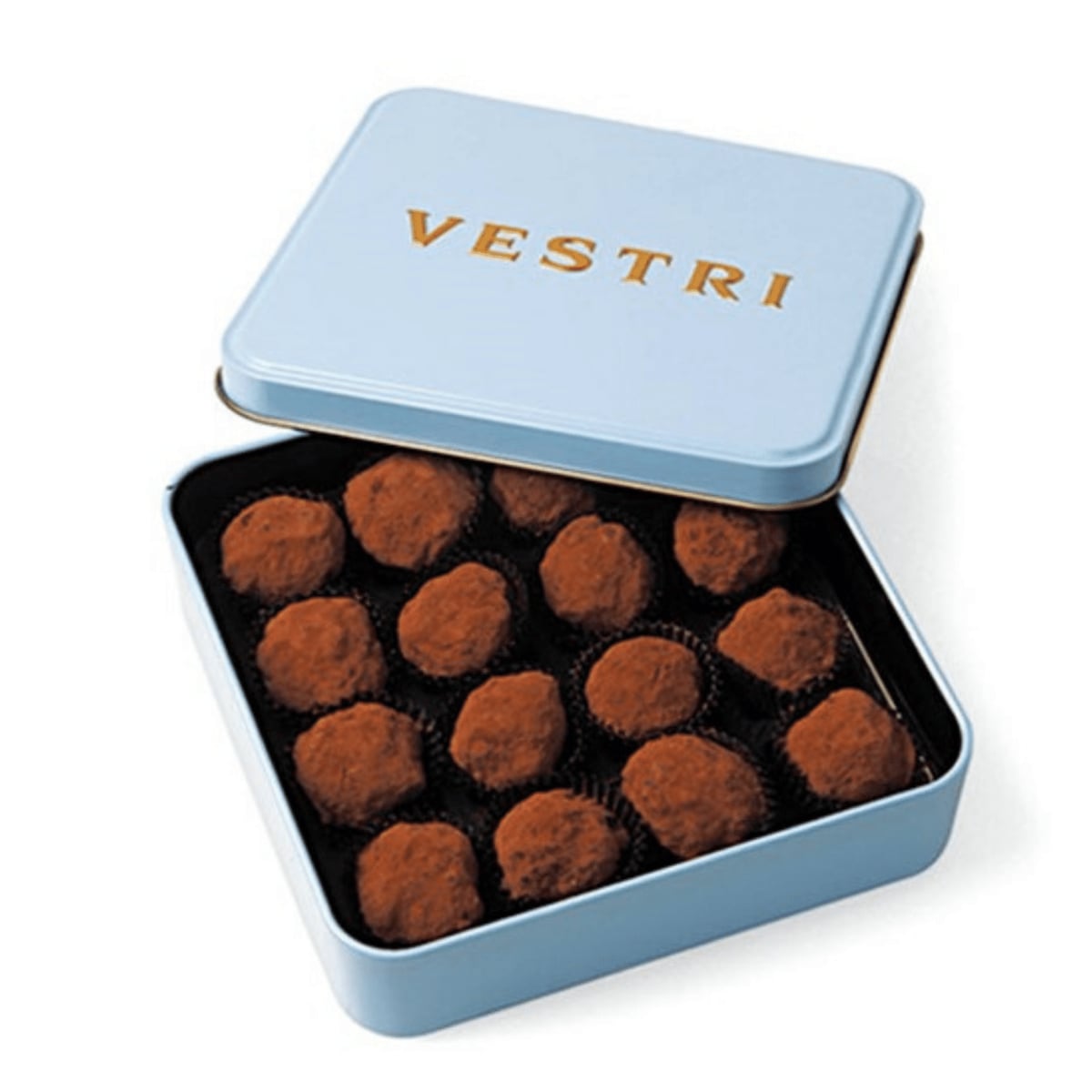
Take the chocolatiers who work with Tonda Gentile Trilobata hazelnuts from Piedmont's Langhe hills. These nuts, protected by geographical indication, possess a delicate sweetness and creamy texture that distinguish them from any other variety. When combined with premium cacao and minimal sugar, they create chocolate truffles that dissolve on the tongue, releasing layers of flavor that evolve from initial sweetness to deep, nutty complexity.
| Artisan Characteristic |
Industrial Production |
Italian Artisan Approach |
| Batch size |
Thousands to millions |
Dozens to hundreds |
| Ingredient sourcing |
Commodity markets |
Direct relationships |
| Processing time |
Hours |
Days to weeks |
| Recipe flexibility |
Standardized formulas |
Seasonal variations |
| Quality control |
Automated sampling |
Hands-on assessment |
These makers often maintain direct relationships with cacao farmers, visiting plantations to understand terroir and select specific harvests. This connection ensures quality while supporting sustainable practices that benefit both farmers and the environment.
Pairing Chocolate with Italian Excellence
Italians rarely enjoy chocolate in isolation. They understand how flavors complement and elevate each other, creating experiences greater than the sum of their parts. Dark chocolate pairs beautifully with robust espresso, each highlighting different notes in the other. Milk chocolate finds harmony with delicate herbal teas, while white chocolate complements fresh berries and citrus.
Wine pairings open another dimension entirely. Rich chocolate truffles marry wonderfully with Barolo's tannic structure or Amarone's dried fruit notes. Dessert wines like Vin Santo or Moscato d'Asti provide sweet counterpoints to bittersweet dark chocolate. The key lies in balancing intensities and finding complementary flavor profiles rather than competing ones.
Creating Chocolate Moments at Home
Bringing Italian chocolate traditions into your daily life doesn't require special occasions:
- Start mornings with cioccolata calda, thick Italian hot chocolate that feels like a warm embrace
- Keep quality pralines on hand for after-dinner indulgence with espresso
- Create chocolate tasting experiences, comparing different cacao origins and percentages
- Incorporate chocolate into cooking, from mole-inspired sauces to chocolate-studded bread
- Share discoveries with friends, turning simple gatherings into memorable explorations
The beauty of authentic Italian chocolate lies in its versatility. It works equally well as a moment of personal indulgence, a centerpiece for celebrations, or a thoughtful gesture that strengthens connections. When you choose chocolate crafted with care, you're not just buying a product; you're participating in a tradition that values quality, authenticity, and the simple joy of something made well.
Choosing Authentic Italian Chocolate
With countless options available, selecting genuine Italian artisan chocolate requires knowing what to look for. Start by reading ingredient lists. Authentic chocolate contains cacao, sugar, and perhaps cocoa butter, vanilla, or specific nuts. Long lists of unpronounceable additives signal industrial rather than artisanal production.
Origin matters tremendously. While Italy doesn't grow cacao, Italian chocolatiers have established relationships with specific cacao-growing regions. Look for chocolates that identify their cacao source, whether it's Venezuelan criollo, Ecuadorian Nacional, or Madagascar beans. This transparency indicates a maker who values traceability and quality.
Appearance tells its own story. Well-tempered chocolate displays a glossy surface without streaks or bloom. It should snap cleanly when broken, revealing a smooth interior. The aroma should smell complex and inviting, not just sweet. When you taste it, notice how it melts. Quality chocolate dissolves smoothly, releasing flavors gradually rather than overwhelming your palate with sugar.
Price provides another clue, though not an absolute guarantee. Artisan chocolate costs more because it requires premium ingredients, skilled labor, and time. When you see Italian chocolate priced similarly to mass-market brands, question whether it's truly artisanal. Investment in quality means investing in the entire chain, from cacao farmer to final consumer.
The Environmental and Social Impact
Modern chocolate consumers increasingly care about how their indulgences affect the world. Italian artisan chocolatiers often lead in sustainability, maintaining direct trade relationships that ensure fair compensation for farmers. These partnerships allow farmers to invest in their communities and land while providing chocolatiers with consistently excellent cacao.
Small-batch production inherently creates less waste than industrial operations. Artisans can adjust recipes to use every part of their ingredients, and their smaller carbon footprints reflect localized production and distribution. Many Italian chocolate makers have embraced organic certification, biodegradable packaging, and energy-efficient production methods.
Supporting these makers means supporting a different economic model. Your purchase supports skilled artisans preserving traditional techniques, farmers practicing sustainable agriculture, and communities maintaining their cultural heritage. This connection between consumer and creator represents something increasingly rare in our globalized economy: transparency, accountability, and genuine relationship.
Beyond the Chocolate Itself
The experience of Italian artisan chocolate extends beyond taste into all the senses. Notice the packaging, often crafted with the same attention as the contents. Boxes might feature hand-tied ribbons, elegant papers, or artistic designs that make opening them a ritual in itself. This presentation reflects the Italian understanding that beauty matters, that how we present gifts communicates respect and care.
Sharing chocolate becomes a social act, a moment of connection and conversation. In Italy, offering chocolate to guests expresses hospitality and warmth. Business relationships often begin with espresso and fine pralines, establishing a tone of mutual respect and appreciation. These small rituals matter, creating space for genuine human connection in our hurried world.
When you bring Italian artisan chocolate into your life, whether for yourself or as a gift, you're choosing to slow down and notice. You're valuing craftsmanship over convenience, quality over quantity, experience over mere consumption. This choice ripples outward, supporting makers who care deeply about their craft and preserving traditions that might otherwise disappear.
The world of Italian artisan chocolate offers far more than simple sweetness; it provides connection to tradition, place, and the passionate hands that craft each piece with dedication. Whether you're exploring these flavors for yourself or seeking the perfect way to express gratitude and joy, authentic Italian gourmet selections create moments that linger in memory long after the last bite. Discover how Tasty Ribbon brings these exceptional artisan creations directly to you, curating selections that honor Italy's chocolate-making heritage while celebrating the pure pleasure of sharing something truly special.