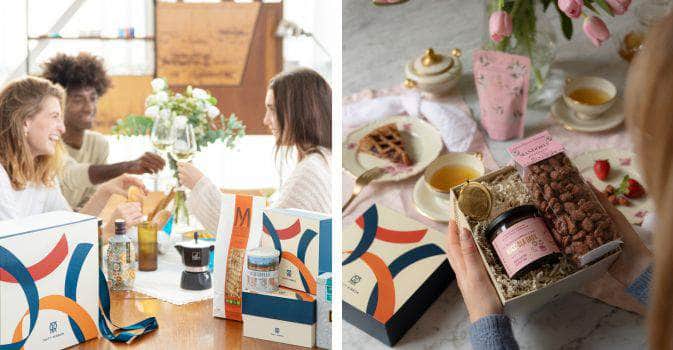
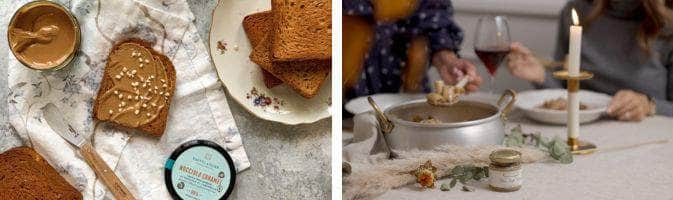
There's something almost sacred about wrapping your hands around a warm cup on a cold winter morning, watching steam rise in gentle spirals while the aroma of rich chocolate fills the air. Hot chocolate isn't just a beverage; it's a vessel of comfort, tradition, and connection that has traveled across continents and centuries to land in our cups today. From its origins as a bitter ceremonial drink to the luxurious, velvety treat we know now, this beloved beverage tells a story of transformation, cultural exchange, and the universal human desire for warmth and indulgence.
The Ancient Origins of a Beloved Beverage
The story of hot chocolate begins not in European cafés but in the dense rainforests of Mesoamerica, where the Mayans and Aztecs first cultivated cocoa beans and transformed them into a sacred drink. These ancient civilizations understood something profound about the cacao tree, which they called "kakaw," treating it with reverence and incorporating it into religious ceremonies and royal celebrations.
The Mesoamerican Chocolate Experience
Unlike the sweet version we enjoy today, the original hot chocolate was a far more complex and often bitter experience. The Aztecs prepared their chocolate drink, known as "xocolatl," by grinding roasted cacao beans with water, chili peppers, vanilla, and sometimes cornmeal. This created a frothy, spicy beverage that bore little resemblance to modern hot chocolate.
The preparation itself was an art form:
-
Roasting the precious cacao beans over open flames
-
Grinding them on heated stone metates until a paste formed
-
Mixing with water and spices to create the base
-
Pouring the liquid between vessels from height to create foam
This foam was considered the most desirable part of the drink, a symbol of luxury and spiritual significance. The Aztec emperor Moctezuma reportedly consumed up to fifty cups daily, served in golden goblets, believing the drink provided wisdom and vitality.
The Journey to Europe and Beyond
When Spanish conquistadors arrived in the Americas in the early 16th century, they encountered this mysterious dark beverage with fascination and initial skepticism. The transformation of hot chocolate from bitter ceremonial drink to European delicacy represents one of history's most significant culinary adaptations.
The Spanish made crucial modifications to suit European palates. They removed the chili peppers, added sugar and vanilla, and began serving the drink hot rather than at room temperature. This sweetened version quickly became a sensation among Spanish nobility, who guarded the recipe jealously for nearly a century.
Spreading Across the Continent
By the 17th century, hot chocolate had spread throughout Europe, each country adding its own distinctive twist:
| Country |
Unique Preparation |
Cultural Significance |
| Spain |
Thick, almost pudding-like consistency |
Morning ritual with churros |
| France |
Lighter, more refined texture |
Aristocratic breakfast beverage |
| Italy |
Rich and dense, often with whipped cream |
Social gathering centerpiece |
| Austria |
Topped with Schlagobers (whipped cream) |
Coffeehouse tradition |
The beverage became so popular that chocolate houses began opening across major European cities, rivaling coffee houses as centers of social and political discussion. These establishments became gathering places for intellectuals, artists, and society's elite.
The Italian Love Affair with Cioccolata Calda
Italy developed its own passionate relationship with hot chocolate, transforming it into an art form that reflects the nation's dedication to quality and craftsmanship. Italian cioccolata calda is notably thicker and richer than most other European versions, creating an almost spoon-worthy consistency that feels more like a warm chocolate pudding than a simple drink.
In Turin, the birthplace of Italian chocolate craftsmanship, master chocolatiers developed techniques that would influence chocolate making worldwide. The city's historic cafés still serve traditional recipes that date back centuries, using methods passed down through generations of artisans.
Regional Italian Variations
Different regions of Italy have their own approaches to this beloved beverage:
-
Piedmont: Dense and intense, often served with panna montata (whipped cream)
-
Sicily: Sometimes flavored with cinnamon and served with granita on hot days
-
Tuscany: Traditionally enjoyed during winter festivals and celebrations
-
Lombardy: Often paired with panettone during the Christmas season
The Italian philosophy of using only the finest ingredients extends naturally to hot chocolate. Italian artisans understand that superior cocoa beans, careful processing, and attention to detail create transcendent experiences rather than mere beverages.
The Art of Preparation and Quality
Creating truly exceptional hot chocolate requires more than simply mixing cocoa powder with hot milk. The finest versions begin with understanding the cocoa bean itself, its origin, variety, and processing method. Single-origin chocolates offer distinct flavor profiles, from fruity and bright to deep and earthy, each telling the story of its terroir.
Choosing Your Chocolate
The foundation of exceptional hot chocolate lies in selecting quality chocolate with high cocoa content. Artisan chocolatiers carefully source their cacao, often working directly with farmers to ensure ethical practices and superior beans. Look for chocolate with a cocoa percentage between 60% and 85% for the perfect balance of intensity and sweetness.
Key factors in chocolate selection:
-
Origin: South American cacao offers different notes than African or Asian varieties
-
Processing: Bean-to-bar makers control every step, ensuring quality
-
Ingredients: The shorter the ingredient list, typically the better the product
-
Ethics: Fair trade and sustainable sourcing matter for flavor and conscience
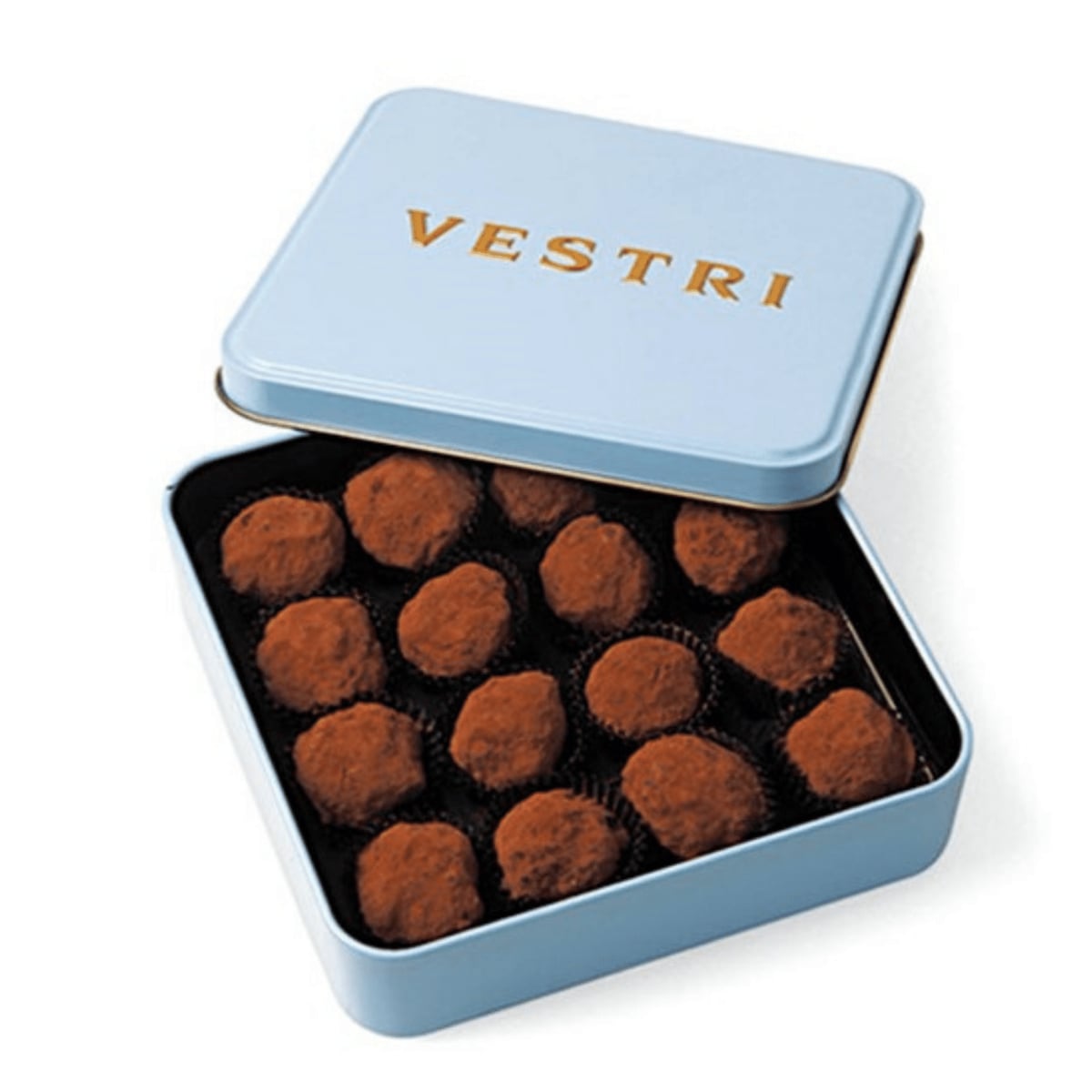
When you encounter chocolate crafted by masters who understand these principles, the difference is unmistakable. Premium chocolate truffles made with Tonda Gentile Trilobata hazelnuts from Piedmont represent this level of dedication, where traditional methods and exceptional ingredients create something extraordinary.
Modern Innovations and Global Variations
While traditional preparation methods remain treasured, contemporary chocolatiers continue innovating, creating new expressions while honoring ancestral wisdom. The 21st century has witnessed a renaissance in artisan chocolate making, with makers around the world exploring heritage recipes, experimenting with single-origin beans, and reviving ancient techniques.
Contemporary Flavor Explorations
Modern hot chocolate has evolved beyond traditional recipes to incorporate diverse influences:
-
Spiced variations featuring cardamom, star anise, or ginger
-
Floral infusions with lavender, rose, or orange blossom
-
Nutty additions incorporating hazelnut, almond, or pistachio
-
Adult versions with additions of rum, whiskey, or liqueurs
The global appreciation for hot chocolate continues growing, with each culture contributing unique perspectives and preparations. Yet amidst all this innovation, the core appeal remains unchanged: the comfort of warmth, the pleasure of rich chocolate, and the moment of pause it creates in our busy lives.
The Science Behind the Comfort
Beyond cultural significance and culinary pleasure, hot chocolate offers genuine benefits that explain its enduring appeal. The warmth of the beverage itself provides immediate physical comfort, while the compounds in quality chocolate contribute to feelings of wellbeing and satisfaction.
Chocolate contains theobromine, a gentle stimulant that provides energy without the jitters associated with caffeine. It also triggers the release of endorphins and contains tryptophan, which helps produce serotonin. These biochemical effects combine with sensory pleasure to create the profound sense of comfort we associate with a perfect cup.
Temperature and Texture Matters
The ideal serving temperature for hot chocolate sits between 140°F and 160°F, hot enough to release aromatic compounds but not so hot that it burns the palate or destroys delicate flavors. The texture should coat the tongue, releasing flavors slowly rather than disappearing in a thin wash.
| Preparation Method |
Texture Result |
Best For |
| Melted chocolate in milk |
Thick and luxurious |
Special occasions |
| High-quality cocoa powder |
Smooth and balanced |
Daily enjoyment |
| Drinking chocolate discs |
Rich and customizable |
Gifts and variety |
Gifting and Sharing Tradition
Hot chocolate has always been about more than individual pleasure; it's fundamentally a drink of connection and generosity. From the Aztec nobility sharing ceremonial cups to modern families gathering around steaming mugs during winter holidays, this beverage brings people together.
The tradition of gift giving finds natural expression through artisan chocolate products. Presenting someone with carefully selected drinking chocolate communicates thoughtfulness and care, offering not just a product but an experience and a moment of indulgence.
Creating Memorable Moments
Consider these occasions when hot chocolate becomes the star:
-
Winter celebrations where families gather around warmth
-
Aperitivo hour with a twist, serving spiced chocolate before dinner
-
Corporate events offering unique, memorable refreshments
-
Holiday traditions creating new rituals around quality ingredients
-
Personal treats honoring the importance of self-care
When you choose to share premium chocolate products, you're offering more than flavor. You're sharing centuries of tradition, the dedication of skilled artisans, and an invitation to slow down and savor.
Seasonal Celebrations and Cultural Traditions
Different seasons and celebrations call for distinct approaches to hot chocolate. In Italy, the Christmas season brings特别 emphasis on rich, indulgent versions, often enjoyed with traditional sweets like panettone or torrone. The benefits of chocolate extend beyond nutrition to encompass emotional warmth and festive spirit.
Winter markets throughout Europe feature hot chocolate as a cornerstone offering, served in festive cups while shoppers browse handcrafted goods and seasonal decorations. This tradition connects the beverage to community, celebration, and the simple pleasure of warmth on cold days.
Easter and Spring Celebrations
Even as weather warms, chocolate maintains its significance through spring holidays. Easter specialties often feature chocolate in various forms, from traditional eggs to innovative confections. Hot chocolate adapts to the season, sometimes served lighter or flavored with fresh mint or citrus.
The versatility of quality chocolate means it transcends seasonal boundaries, offering comfort in winter and decadence in warmer months. Italian artisans understand this adaptability, creating products that honor tradition while embracing contemporary tastes.
The Role of Artisan Craftsmanship
The difference between mass-produced and artisan-crafted chocolate becomes immediately apparent in the cup. Master chocolatiers like Vestri dedicate their lives to perfecting their craft, understanding that superior ingredients and traditional methods create incomparable results.
These artisans don't simply make chocolate; they preserve cultural heritage, support sustainable agriculture, and create products that honor both the cacao farmers who grow the beans and the customers who ultimately enjoy them. This dedication to excellence at every step distinguishes true artisan products from industrial alternatives.
What defines artisan chocolate:
- Direct relationships with cacao farmers
- Small-batch production ensuring quality control
- Traditional processing methods refined over generations
- Transparency about sourcing and ingredients
- Commitment to ethical and sustainable practices
When you select products from dedicated artisans, you participate in preserving traditions while supporting sustainable futures. This conscious choice enhances the pleasure of every cup.
Building Your Hot Chocolate Ritual
Creating your own hot chocolate ritual doesn't require elaborate equipment or professional training, just quality ingredients and attention to detail. Start with excellent chocolate, whether bars to melt or premium drinking chocolate specifically formulated for beverages.
The process itself becomes meditative: heating milk slowly, whisking in chocolate until smooth, perhaps adding a touch of vanilla or a pinch of sea salt. These small actions create space for mindfulness in daily life, transforming a simple beverage into a moment of intentional pleasure.
Essential Elements for Excellence
To elevate your hot chocolate experience, consider these components:
-
Quality chocolate with high cocoa content and minimal additives
-
Fresh milk or alternatives that complement rather than mask chocolate flavor
-
Proper temperature control to preserve delicate flavors
-
Thoughtful additions that enhance rather than overpower
-
Beautiful serving ware that honors the beverage's significance
The history of chocolate reminds us that this beverage has always been about more than sustenance. It represents luxury, connection, and the human capacity to transform simple ingredients into something transcendent.
From ancient Mesoamerican ceremonies to modern Italian artisan workshops, hot chocolate has maintained its power to comfort, connect, and delight across cultures and centuries. Whether you're seeking the perfect gift for someone special or creating your own moment of indulgence, Tasty Ribbon brings authentic Italian artisan chocolate products directly to your door, connecting you with centuries of tradition and the dedication of master craftspeople who understand that true quality creates memories as much as flavor.