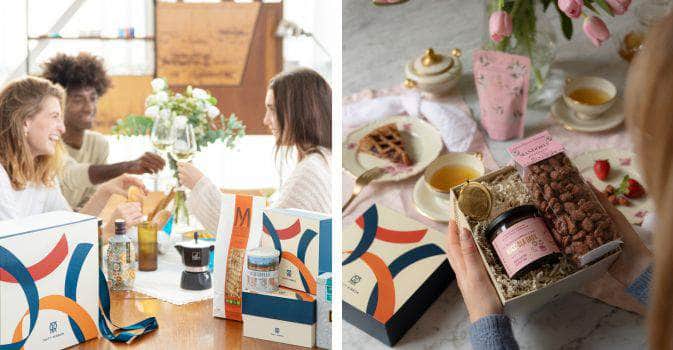
The arrival of spring brings with it one of the most joyful traditions across cultures: the easter basket. More than just a container filled with treats, this time-honored practice represents renewal, abundance, and the simple pleasure of giving something beautiful to those we cherish. While many associate the easter basket with childhood memories of chocolate bunnies and brightly colored eggs, there's an opportunity to reimagine this tradition through a more sophisticated lens-one that celebrates authentic craftsmanship, regional heritage, and the artisanal excellence found in Italian culture. Whether you're preparing baskets for family, friends, or colleagues, the thoughtful curation of gourmet items can transform this seasonal gesture into an unforgettable expression of care and connection.
The Cultural Roots of Easter Basket Traditions
The history of Easter baskets stretches back centuries, weaving together pagan spring festivals with Christian celebrations of renewal and resurrection. In medieval Europe, families would bring baskets of food to church for blessing during Easter services, a practice that continues today in many cultures. The Polish tradition of Święconka, for instance, involves carefully arranged baskets containing symbolic foods like eggs, bread, salt, and lamb, each carrying deep spiritual meaning.
Italy brings its own magnificent interpretation to Easter celebrations, with regional variations that reflect the country's diverse culinary landscape. In Italian households, the easter basket might include special foods prepared only during this season: colomba pasquale (the dove-shaped Easter cake), uova di cioccolato (chocolate eggs), and artisanal preparations that showcase local ingredients. These traditions emphasize quality over quantity, craftsmanship over mass production.
Regional Italian Easter Foods Worth Discovering
Different regions across Italy contribute unique specialties to Easter celebrations:
-
Liguria offers focaccia di Pasqua, a sweet bread enriched with orange flower water
-
Campania is famous for pastiera napoletana, a ricotta and wheat berry tart
-
Sicily presents cassata siciliana with its colorful layers of ricotta, marzipan, and candied fruit
-
Piedmont showcases their exceptional chocolate-making traditions
-
Emilia-Romagna celebrates with special pasta dishes featuring fresh egg pappardelle
Each region's contribution tells a story of place, season, and the hands that crafted these delicacies.
Elevating the Easter Basket for Adults
Contemporary celebrations increasingly recognize that adults deserve their own version of holiday joy. An adult-oriented easter basket transcends childhood nostalgia, focusing instead on curated experiences and premium ingredients that speak to refined tastes. This approach transforms the basket from a simple gift into a gateway for culinary exploration and cultural discovery.
Creating meaningful adult baskets requires intentionality. Consider the recipient's interests, dietary preferences, and the experiences you want to facilitate. Are they passionate about cooking? Do they appreciate small-batch producers? Would they enjoy learning about regional Italian traditions through taste?
The most successful adult easter basket arrangements balance indulgence with discovery. Rather than overwhelming recipients with quantity, focus on selecting fewer items of exceptional quality-each one telling its own story of origin, craft, and tradition.
Components of a Sophisticated Easter Basket
Building a memorable basket involves thoughtful selection across several categories:
| Category |
Examples |
Why It Matters |
| Artisanal Pasta |
Hand-rolled shapes from specific regions |
Connects to Italian traditions, versatile for meals |
| Premium Condiments |
Aged balsamic, truffle products, specialty oils |
Elevates everyday cooking instantly |
| Gourmet Chocolate |
Single-origin bars, handcrafted truffles |
Provides pure indulgence with craftsmanship |
| Savory Spreads |
Olive tapenade, sun-dried tomato pesto |
Ready to enjoy, perfect for entertaining |
| Regional Specialties |
Items unique to specific Italian provinces |
Educational and delicious exploration |
Each component should serve a purpose, whether it's introducing the recipient to a new flavor profile, providing ingredients for a special meal, or simply delivering a moment of pure sensory pleasure.
The Art of Sourcing Authentic Italian Products
Authenticity matters immensely when curating an easter basket centered on Italian gourmet items. The difference between industrially produced goods and true artisanal products is immediately apparent in taste, texture, and overall experience. Genuine Italian artisans follow traditional methods passed down through generations, using ingredients sourced from their immediate regions and refusing to compromise quality for efficiency.
When selecting products for your basket, look for DOP (Denominazione di Origine Protetta) and IGP (Indicazione Geografica Protetta) certifications. These designations guarantee that products come from specific regions and meet rigorous production standards. Understanding these certifications helps you make informed choices that honor authentic Italian traditions.
Consider the stories behind the products. Who made this olive oil? Which family has been producing this particular pasta shape for centuries? Where exactly in Piedmont do these hazelnuts grow? These narratives add depth to your gift, transforming it from mere food into a cultural exchange.
Working with Artisanal Producers
The beauty of Italian food culture lies in its constellation of small producers who dedicate their lives to perfecting single products. A family in Liguria might focus exclusively on basil pesto, growing their basil in specific microclimates and following traditional Genoese recipes. Another producer in Abruzzo might specialize in bronze-die extruded pasta, creating shapes with the rough texture that captures sauce beautifully.
These artisans represent the soul of Italian gastronomy. Their products carry terroir-the distinctive character imparted by geography, climate, and human tradition. Including their work in an easter basket creates meaningful connections between the giver, the recipient, and the makers themselves.
Designing Your Easter Basket Presentation
Visual presentation transforms good gifts into memorable experiences. The way you arrange and present your easter basket communicates care, thoughtfulness, and attention to detail. Italian aesthetics favor natural materials, elegant simplicity, and arrangements that showcase each item's individual beauty rather than creating visual chaos.
Start with your container. Traditional woven baskets work wonderfully, but consider alternatives like wooden crates, ceramic bowls from Italian artisans, or fabric-lined boxes that can be repurposed. The container becomes part of the gift, extending its value beyond the initial presentation.
Arrangement techniques that work particularly well:
-
Layer items by height, placing taller bottles at the back and shorter jars at the front
-
Group similar items together while creating visual variety through color and texture
-
Use natural materials like raffia, linen cloths, or dried flowers for filler instead of artificial grass
-
Create breathing room between items so each one can be appreciated individually
-
Include a small card explaining the significance of one or two key items
Color coordination doesn't mean everything must match. Instead, look for complementary tones that feel cohesive-the deep greens of olive oil bottles, the warm amber of honey, the rich browns of chocolate packaging, and the pops of color from jam labels.
Themed Easter Basket Approaches
Organizing your easter basket around a specific theme helps create coherence and demonstrates thoughtful curation. Themes also make the selection process easier, providing clear parameters for your choices.
The Aperitivo Experience: Build a basket celebrating Italy's beloved pre-dinner ritual. Include premium olives, artisanal crackers, savory spreads, an exceptional prosecco or vermouth, and small serving dishes. This theme invites recipients to slow down and savor the moment, very much in the Italian tradition of taking time for life's pleasures.
The Pasta Lover's Dream: Center your basket around the joy of preparing authentic Italian pasta dishes. Exploring pasta gift sets reveals the incredible variety available, from regional shapes to specialty sauces that showcase different Italian provinces. Include quality dried pasta, artisanal sauces, finishing olive oil, and perhaps a beautiful serving bowl.
The Chocolate Connoisseur: Italy's chocolate-making tradition, particularly in Piedmont and Tuscany, rivals any in the world. A chocolate-focused easter basket might feature single-origin bars, handcrafted truffles, cocoa-dusted almonds, and perhaps a small book about Italian chocolate history. Each piece becomes an opportunity to understand how terroir and technique create distinctive flavors.
Regional Discovery Baskets
Creating baskets that spotlight specific Italian regions offers educational value alongside culinary pleasure:
| Region |
Featured Products |
Cultural Context |
| Tuscany |
Olive oil, cantucci, vin santo, truffle products |
Rolling hills, medieval towns, refined simplicity |
| Sicily |
Pistachio products, Modica chocolate, capers, citrus marmalades |
Arab influences, volcanic soil, intense flavors |
| Piedmont |
Hazelnuts, wines, gianduia chocolate, grissini |
Alpine traditions, noble heritage, elegant restraint |
| Liguria |
Pesto, focaccia ingredients, olive oil, anchovies |
Maritime culture, herb-focused cuisine, gentle flavors |
Each regional basket tells a geographical story, connecting taste to place in ways that deepen appreciation and understanding.
Incorporating Fresh and Seasonal Elements
While shelf-stable artisanal products form the foundation of most easter basket arrangements, incorporating fresh seasonal elements adds vitality and immediate enjoyment. Spring in Italy bursts with particular ingredients that capture the season's essence: fresh fava beans, artichokes, spring onions, and tender greens.
Consider adding fresh herbs like basil, rosemary, or thyme in small pots. These living plants extend the gift's lifespan and provide ongoing culinary value. They also connect to Italian garden traditions, where herbs grow alongside vegetables in carefully tended plots.
Fresh bread makes a wonderful addition if you're delivering your easter basket the day it will be received. Imagine including a loaf of rustic Italian bread alongside quality olive oil and sea salt-a simple combination that celebrates the fundamentals of Italian cuisine.
For those creating Easter-themed collections, balancing preserved artisanal products with carefully selected fresh elements creates dynamic, multi-dimensional gifts that engage all the senses immediately while providing lasting enjoyment through pantry staples.
The Psychology of Thoughtful Gift-Giving
Why does a carefully curated easter basket resonate so deeply with recipients? The psychology of gift-giving reveals that presents which demonstrate genuine understanding of the recipient's interests and values create stronger emotional connections than expensive but impersonal alternatives.
Gourmet food gifts carry particular significance because they invite shared experiences. Unlike items that sit on shelves, edible gifts get consumed, often in social settings. The jar of artisanal jam becomes tomorrow morning's breakfast conversation. The specialty pasta inspires a dinner party. The chocolate truffles get savored slowly with afternoon coffee, each bite a small meditation.
This consumable nature also removes the anxiety some recipients feel about displaying or using traditional gifts. There's no pressure to find the perfect spot on a shelf or worry about whether something matches existing decor. Food gifts exist to be enjoyed, then gracefully exit, leaving only memories.
Creating Connection Through Culinary Traditions
When you include authentic Italian products in an easter basket, you're not simply giving food-you're offering a cultural experience. Each carefully selected item represents generations of knowledge, regional pride, and human dedication to craft. This depth transforms the act of giving into something more meaningful than a simple transaction.
Recipients often report feeling inspired to learn more about the products they receive, researching production methods, regional histories, and traditional preparation techniques. This curiosity creates lasting value well beyond the initial gift, potentially sparking new interests and deeper appreciation for artisanal food cultures.
Practical Considerations for Easter Basket Assembly
Assembling an easter basket requires attention to several practical details that ensure your gift arrives in perfect condition and provides maximum enjoyment.
Packaging stability matters enormously, especially if you're shipping baskets to distant recipients. Secure bottles upright using dividers or padding. Wrap delicate items individually. Ensure weight is distributed evenly to prevent tipping during transport.
Temperature considerations become crucial when including chocolate or other heat-sensitive items. During warmer months, consider adding cold packs or planning delivery timing to avoid extended exposure to heat. Many artisanal chocolates are particularly vulnerable to temperature fluctuations.
Labeling and Information Sharing
Include information about the products you've selected. Small cards describing each item's origin, suggested uses, or the artisan behind it add educational value and demonstrate the care you put into curation. This information helps recipients appreciate what they're tasting and encourages them to explore these products further.
Consider these labeling elements:
-
Origin story: Where does this product come from geographically?
-
Producer background: Who makes it and why does their approach matter?
-
Serving suggestions: How might recipients best enjoy this item?
-
Pairing ideas: What other foods or beverages complement this product?
-
Storage instructions: How should this be kept to maintain quality?
This educational component transforms your easter basket from a collection of items into a curated experience with narrative depth.
Beyond Traditional Basket Boundaries
Modern interpretations of the easter basket concept allow for creative flexibility while maintaining the tradition's essential spirit of generous giving and seasonal celebration. Think beyond literal baskets to containers that better suit your recipients or reflect Italian aesthetic sensibilities.
Ceramic serving pieces from Italian artisans make excellent containers, providing utility beyond the initial gift. A handcrafted bowl filled with gourmet items becomes a two-fold present: the contents for immediate enjoyment and the vessel for lasting use.
Wooden crates evoke Italian market stalls and agrarian traditions. They stack beautifully, travel well, and can be repurposed for storage or display. Filled with artisanal products arranged with care, they create rustic yet refined presentations.
Fabric totes or reusable shopping bags align with sustainable values while nodding to Italian market culture. Picture a sturdy canvas bag stamped with Italian phrases, filled with specialty foods-a gift that keeps giving each time the recipient uses it for their own shopping.
Building Your Easter Basket Collection Strategy
For those giving multiple baskets-perhaps to colleagues, extended family, or clients-developing a strategic approach ensures consistency while allowing for personalization. This becomes particularly relevant for corporate gifting contexts where brand representation matters alongside individual thoughtfulness.
Create a base collection of items that work universally well, then customize specific baskets with additions reflecting individual preferences or relationships. This approach maintains efficiency while preserving the personal touch that makes gifts meaningful.
Consider dietary requirements and restrictions carefully. Build options for various needs:
- Gluten-free selections featuring quality oils, vinegars, jams, and gluten-free pasta alternatives
- Vegan arrangements highlighting vegetable-based spreads, dark chocolates, and plant-focused products
- Low-sugar options emphasizing savory items, high-quality oils, and naturally sweet ingredients like balsamic vinegar
This inclusive approach demonstrates respect for recipients' needs while maintaining the celebration's joyful spirit.
Budget Tiers Without Compromising Quality
Quality doesn't always require extreme expense, but it does demand careful selection. Creating easter basket options at different price points allows flexibility while maintaining standards:
| Budget Level |
Strategy |
Example Components |
| Thoughtful ($40-60) |
Fewer items, each exceptional |
Two premium products plus complementary items |
| Generous ($75-100) |
Balanced variety |
Four to five artisanal products with good diversity |
| Luxurious ($150+) |
Comprehensive collection |
Seven to ten premium items creating complete experiences |
Within each tier, prioritize authenticity and craftsmanship over quantity. Three genuinely artisanal products create more impact than seven mediocre ones.
The Role of Presentation Materials
The materials surrounding your products matter as much as the products themselves. Natural, sustainable materials align with Italian values of respecting ingredients and traditions while demonstrating contemporary environmental consciousness.
Seek out raffia, jute twine, unbleached cotton, recycled paper, and other earth-friendly materials for wrapping and cushioning. These choices create visual warmth while supporting sustainable practices.
Italian design principles emphasize that beauty emerges from restraint and quality materials rather than excessive ornamentation. A simple linen cloth, carefully folded, creates more elegant presentation than yards of artificial ribbon.
Consider including small dried or fresh flowers-lavender from Tuscany, for instance, or sprigs of rosemary. These botanical touches add fragrance and visual interest while connecting to Italian landscape traditions.
Seasonal Timing and Planning
Successful easter basket giving requires attention to timing, particularly when sourcing authentic artisanal products or coordinating deliveries. Quality Italian products often come from small producers with limited production runs, making advance planning essential.
Begin your basket planning four to six weeks before Easter to ensure product availability and allow time for thoughtful curation. This timeline accommodates potential shipping delays, gives you space to research products thoroughly, and removes the stress of last-minute assembly.
Consider the recipient's Easter plans when timing delivery. Will they be traveling? Hosting gatherings? A basket that arrives too early risks items being consumed before the holiday, while late arrival misses the seasonal moment.
For those interested in exploring Easter specialties, understanding which products are seasonal versus year-round helps with planning and ensures access to special items that enhance the celebration's authenticity.
Pairing Education With Indulgence
One of the most rewarding aspects of creating Italian-focused easter basket arrangements involves the educational opportunity they present. Each carefully selected product can serve as an entry point for learning about Italian culture, geography, and culinary traditions.
Including a simple guide to Italian food terms helps recipients appreciate what they're experiencing. Explain that passata differs from marinara, that agrodolce describes sweet-and-sour preparations, or that sfogliatella refers to a particular Neapolitan pastry shape. This knowledge deepens engagement with the products.
Share regional stories. Describe how Ligurian pesto must include specific basil varieties, pine nuts, aged Parmigiano Reggiano, Pecorino, and local olive oil to claim authenticity. Explain why Gragnano near Naples became famous for pasta production-the combination of local water, climate, and centuries of expertise.
These narratives transform consumption into cultural education, enriching the experience far beyond simple taste. Recipients often report that learning these stories changes how they approach cooking and eating, fostering deeper appreciation for craft and tradition.
Creating an exceptional easter basket centered on Italian gourmet products transforms a seasonal tradition into an opportunity for cultural connection and joyful giving. Whether you're crafting baskets for family celebrations, client appreciation, or simply to bring delight to someone special, the thoughtful selection of authentic artisanal items creates lasting memories and genuine appreciation. Tasty Ribbon connects you directly to Italy's finest artisanal producers, offering curated selections and customizable options that make creating these meaningful gifts effortless while ensuring impeccable quality and presentation that honors both the tradition and the recipient.