A delicious mild acacia honey well packed for shipping as well
When I first looked for this pasta, it was out of stock...but they emailed me very soon after to let me know it was back! I ordered and had it in my hands within a week.


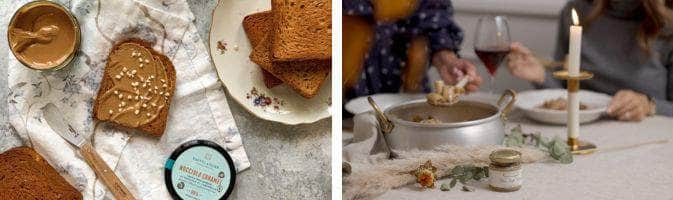
The connection between food and gifts transcends simple transactions. When you present someone with carefully selected culinary treasures, you're offering more than ingredients or flavors. You're sharing a story, a tradition, and an invitation to experience joy through taste. In Italian culture, this practice runs deep, where the act of gifting food represents generosity, thoughtfulness, and the celebration of life's precious moments. Whether you're honoring a colleague's achievement, welcoming a new neighbor, or celebrating a milestone, food and gifts create bridges between hearts.
Throughout Italy's twenty regions, the tradition of sharing food holds profound meaning. From the sun-drenched olive groves of Puglia to the rolling hills of Tuscany, artisans pour their heritage into every product they create. These craftspeople don't simply make food; they preserve centuries-old techniques passed down through generations.
When you select food and gifts from authentic Italian sources, you participate in this cultural continuity. A jar of aged balsamic vinegar from Modena carries the patience of twelve years in wooden casks. A package of handcrafted pasta from Gragnano reflects the coastal town's centuries-long dedication to pasta-making excellence. These aren't just products-they're edible testimonies to dedication and pride.
The practice of gifting food speaks to fundamental human experiences. Everyone eats, everyone appreciates quality, and everyone remembers the flavors that touched their hearts. According to industry analysis on food gifting trends, giftable food products have seen significant growth as consumers seek meaningful ways to connect.
Consider these compelling advantages:
The sensory nature of food and gifts creates lasting impressions. The pop of a jar being opened for the first time, the aroma of truffle oil drizzled over fresh pasta, the rich complexity of aged Parmigiano Reggiano-these experiences linger long after the moment passes.
Choosing the right culinary gift requires understanding both the recipient and the occasion. The most impactful selections reflect personal knowledge and genuine care. Start by considering the recipient's lifestyle, cooking habits, and flavor preferences.
Different moments call for different approaches. Corporate recognition requires sophistication and universal appeal, while personal celebrations allow for more specialized selections. For professional settings, corporate gift sets that feature versatile Italian staples demonstrate both respect and good taste.
| Occasion Type | Ideal Products | Presentation Style |
|---|---|---|
| Professional Appreciation | Premium olive oils, aged cheeses, artisanal pasta | Elegant packaging with subtle branding |
| Personal Celebrations | Regional specialties, complete meal kits, sweet treats | Festive presentation with personal touches |
| Seasonal Holidays | Seasonal ingredients, celebration-worthy items | Thematic coordination with occasion |
| Wellness & Self-Care | Organic honey, herbal teas, wholesome breakfast items | Natural, calming aesthetic |
The trend toward personalization in food gifting reflects consumers' desire for customized experiences that speak directly to recipients' preferences. This shift acknowledges that the most meaningful gifts demonstrate genuine understanding.
Italian artisans understand a fundamental truth: excellence matters more than abundance. A single bottle of exceptional extra virgin olive oil from authentic producers carries more value than a basket filled with mediocre products.
When evaluating potential selections, examine these quality indicators:
The emergence of global flavors and authentic ingredients in consumer preferences validates what Italian culture has always known: genuine quality creates incomparable experiences.
The way you present food and gifts communicates as powerfully as the contents themselves. In Italy, even simple offerings receive beautiful presentation because appearance demonstrates respect for both the gift and the recipient.
Contemporary presentation balances classic sophistication with current aesthetics. The evolving trends in table settings emphasize authenticity and personal storytelling over rigid formality. This philosophy extends naturally to gift presentation.
Think beyond generic baskets. Consider:
Even practical elements like tissue boxes can contribute to presentation aesthetics. A beautifully designed refillable tissue box with sustainable bamboo tissues demonstrates attention to every detail, ensuring your gift display maintains its elegance throughout the unwrapping experience.
The moment someone opens your gift should feel like discovery. Layer products thoughtfully, placing larger items at the bottom and creating visual peaks with smaller specialty items. Tuck fragrant dried lavender or rosemary between products for aromatic surprise.
Essential presentation elements:
This approach to presenting food and gifts transforms a simple exchange into a memorable journey through Italian culinary traditions.
Italy's calendar flows with festivals, harvests, and celebrations that honor food's central role in community life. Understanding these seasonal rhythms enhances your ability to select appropriate and meaningful gifts throughout the year.
As days lengthen and temperatures rise, Italian tables embrace fresh, vibrant flavors. Spring brings wild herbs, early vegetables, and the year's first pressing of olive oil. Summer celebrates tomatoes, basil, and the joy of outdoor dining.
Gift selections for warmer months might include:
The concept of aperitivo-that golden hour between work and dinner-embodies the Italian appreciation for savoring transitions. Gifts that facilitate these moments of pause and pleasure resonate deeply with those who value quality of life.
As harvest season arrives and cooler weather beckons, heartier flavors take center stage. This season celebrates preserved foods, aged cheeses, rich chocolates, and warming beverages. The tradition of good food gift baskets reflects autumn's abundance and winter's need for comfort.
| Season | Featured Products | Ideal Pairings |
|---|---|---|
| Autumn | Truffle products, aged balsamic, chestnut spreads | Hearty pastas, risotto ingredients |
| Winter | Premium chocolates, specialty coffees, honey collections | Breakfast items, dessert wines |
These seasonal considerations ensure your food and gifts align with recipients' current moods and cooking inspirations, increasing both relevance and appreciation.
The most thoughtful culinary gifts tell cohesive stories. Rather than assembling random items, create collections that work together harmoniously, enabling recipients to craft complete experiences.
Successful themes might center on specific meals, regional traditions, or culinary techniques. A breakfast-focused collection could unite artisanal coffee, preserves, fresh-baked shortbread, and granola-everything needed to transform an ordinary morning into a celebration.
For plant-based enthusiasts, curated selections featuring authentic Italian vegan products demonstrate both consideration and culinary knowledge. A thoughtfully assembled collection might include premium pasta, vegan tomato sauce enriched with the finest olive oil, truffle-infused snacks, and artichoke spreads that prove plant-based eating needs no compromise in flavor or sophistication.
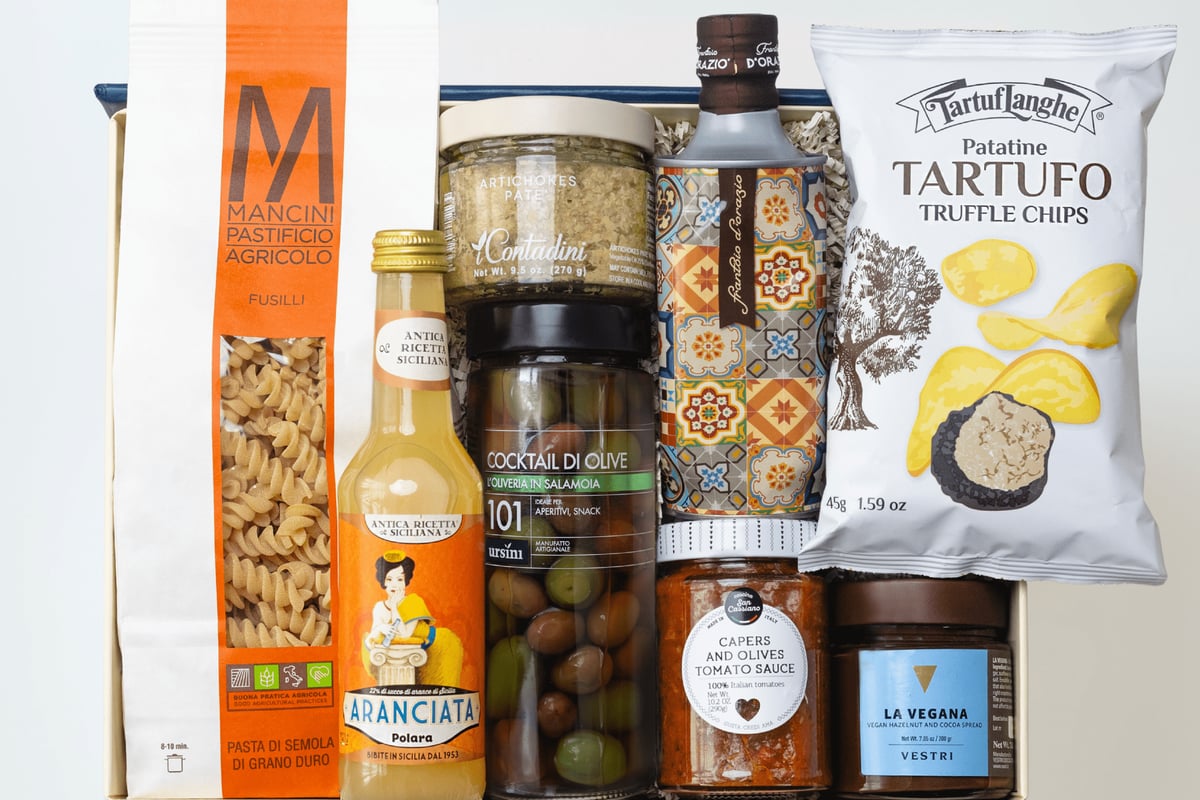
Italy's regional diversity offers endless inspiration for themed collections. The Amalfi Coast provides lemons, pasta, and ceramics. Sicily contributes pistachios, citrus, and ancient wheat varieties. Piedmont offers hazelnuts, wines, and truffles.
When creating luxury gift packages, consider focusing on a single region's specialties. This approach educates recipients about specific Italian territories while ensuring flavor compatibility among products.
Components of effective regional collections:
This structured approach to food and gifts creates educational experiences alongside delicious ones, deepening recipients' appreciation for Italian culinary culture.
Organizations increasingly recognize that corporate food and gifts strengthen professional relationships more effectively than generic merchandise. The shift toward meaningful business gifting reflects broader cultural values emphasizing authenticity and personal connection.
Corporate contexts require particular sensitivity. Gifts must communicate professionalism while avoiding excessive formality. They should feel generous without seeming ostentatious, memorable without being quirky. Quality Italian food products strike this balance naturally, offering sophistication rooted in tradition.
When selecting for business contexts, prioritize:
The growth of corporate gifting programs demonstrates that businesses understand the value of nurturing relationships through thoughtful gestures. Food and gifts create opportunities for positive associations and genuine gratitude.
Whether acknowledging a team's exceptional quarter, welcoming new clients, or celebrating partnerships, food and gifts communicate appreciation in universally understood language. Unlike plaques or certificates, culinary gifts invite recipients to pause, savor, and enjoy-creating positive experiences they'll associate with your organization.
The trend toward emerging food preferences including sustainability and third-culture cuisine indicates that recipients increasingly value gifts reflecting current values and global awareness. Authentic Italian artisanal products naturally align with these preferences, emphasizing quality, tradition, and ethical production.
Beyond aesthetics and intention, successful food gifting requires attention to practical details that ensure products arrive in perfect condition and recipients can enjoy them fully.
Different products have varying storage requirements and longevity. Dried pasta, aged cheeses, and preserved items offer extended shelf life, making them reliable choices when timing remains uncertain. Fresh or perishable items require more careful coordination but can create extraordinary impact when timed appropriately.
Storage categories:
| Product Type | Typical Shelf Life | Storage Requirements | Best For |
|---|---|---|---|
| Dried Pasta | 2-3 years | Cool, dry pantry | Flexible timing, any season |
| Olive Oil | 18-24 months | Dark, cool location | Year-round gifting |
| Preserved Items | 1-3 years | Pantry storage | Long-distance shipping |
| Fresh Products | Days to weeks | Refrigeration | Local delivery, immediate enjoyment |
Understanding these considerations helps you select food and gifts that recipients can enjoy at their leisure without pressure or waste.
Thoughtful gifting acknowledges recipients' dietary needs and preferences. The rise of specialized diets-whether driven by health, ethics, or cultural practices-requires increased awareness when selecting food and gifts.
Modern collections can accommodate:
This inclusive approach demonstrates genuine care while expanding the potential recipients who can fully enjoy your gifts.
As we move through 2026, several trends shape how people select and appreciate food and gifts. Understanding these movements helps ensure your selections feel current and relevant.
Consumers increasingly prioritize environmental and social responsibility in purchasing decisions. Food trends forecast for 2025 highlight sustainability's growing importance alongside ingredient innovation. This shift favors artisanal Italian producers who typically employ traditional, environmentally conscious methods.
Ethical considerations include:
These values align perfectly with Italian artisanal traditions, where craftsmanship and environmental stewardship have coexisted for generations.
The desire for personalized experiences continues accelerating. Recipients appreciate gifts that reflect their individual preferences rather than one-size-fits-all solutions. The ability to create customized gift boxes addresses this trend directly, allowing gift-givers to craft precisely calibrated collections.
Technology facilitates this personalization while maintaining the human touch that makes gifting meaningful. Digital platforms enable detailed customization while artisans continue creating products by hand, combining modern convenience with traditional craftsmanship.
Modern consumers increasingly value experiences over material possessions. Food and gifts naturally align with this preference, transforming into shared meals, cooking adventures, and taste explorations rather than items that simply occupy space.
This experiential dimension makes culinary gifts particularly valuable. They create moments-a Sunday morning breakfast enhanced by artisanal preserves, a dinner party elevated by premium ingredients, a quiet afternoon enriched by exceptional chocolate and coffee.
The most meaningful aspect of food and gifts extends beyond the products themselves. These offerings create opportunities for connection, conversation, and shared joy. When you gift someone a carefully selected jar of truffle honey, you're not just providing a condiment-you're suggesting they pause, toast some bread, and savor a moment of pure pleasure.
Quality ingredients inspire creativity. Recipients often discover new favorite preparations or combinations through gifted products. A bottle of aged balsamic might introduce someone to the traditional practice of drizzling it over fresh strawberries. A package of specialty pasta could inspire experimentation with regional sauce traditions.
By including preparation suggestions or pairing recommendations, you extend your gift's value beyond the products themselves. You become a guide to new experiences, opening doors to culinary adventures recipients might never have discovered independently.
Many people establish annual traditions around food and gifts, selecting signature items that become anticipated rituals. Perhaps you always send holiday Italian gifts featuring seasonal specialties, or you mark business milestones with collections celebrating Italian regional diversity.
These recurring gestures strengthen relationships through dependable thoughtfulness. Recipients come to associate your generosity with specific flavors, creating powerful positive connections that transcend individual occasions.
The art of selecting and presenting food and gifts combines cultural awareness, personal consideration, and attention to quality. By choosing authentic Italian artisanal products, you share centuries of tradition, craftsmanship, and passion in every carefully curated package. Whether celebrating personal milestones or strengthening professional relationships, thoughtfully selected culinary gifts create meaningful connections that endure. Tasty Ribbon specializes in bringing authentic Italian excellence to your gifting occasions, offering both curated collections and customization options that let you create perfectly personalized experiences connecting your recipients to the heart of Italy.