There's something magical about unwrapping a piece of truly exceptional chocolate. The glossy finish catches the light, the subtle crack as it breaks releases an aroma that transports you to distant cacao groves, and that first taste delivers layers of flavor you never knew chocolate could possess. This is the realm of gourmet chocolate, where artisans transform simple ingredients into edible poetry. In Italy, where culinary excellence runs as deep as ancient Roman aqueducts, chocolate making has evolved into an art form that honors tradition while embracing innovation. From the hazelnut-rich regions of Piedmont to the sophisticated chocolatiers of Florence and Turin, Italian artisans have elevated chocolate beyond mere confection into an expression of culture, craftsmanship, and profound respect for quality.
The Philosophy Behind Exceptional Chocolate
Gourmet chocolate distinguishes itself not through marketing claims but through an unwavering commitment to excellence at every stage of production. The journey begins long before cacao beans reach Italian workshops, starting in the tropical regions where farmers cultivate delicate Trinitario and Criollo varieties.
What separates gourmet from ordinary chocolate:
- Single-origin cacao beans selected for distinct flavor profiles
- Higher cacao percentage with minimal additives or fillers
- Small-batch production that allows precise quality control
- Traditional techniques preserved across generations
- Artisan craftsmanship over industrial automation
The global gourmet chocolate market reflects growing consumer appreciation for these qualities, with discerning buyers seeking authenticity over mass-produced alternatives. Italian chocolatiers understand that excellence cannot be rushed. Where industrial operations measure production in tons per hour, artisan workshops measure in careful batches, each receiving the attention a master craftsperson would devote to any work of art.
The Italian Advantage in Chocolate Making
Italy may not grow cacao, yet Italian chocolate makers have earned worldwide recognition for their exceptional products. This paradox resolves when you consider Italy's deep relationship with quality ingredients and its centuries-old tradition of artisanal food production.
Regional Italian ingredients elevate chocolate to new heights. The Tonda Gentile Trilobata hazelnuts from Piedmont, considered the finest in the world, bring buttery richness to gianduja and pralines. Sicilian pistachios add vibrant color and distinctive flavor. Even the approach to pairing chocolate with other elements reflects Italian culinary wisdom, treating each ingredient with reverence.
Crafting Quality: The Chocolate Making Process
Understanding how chocolate is made reveals why gourmet varieties command higher prices and deliver incomparable experiences. The transformation from harvested cacao pods to finished chocolate involves multiple stages where artisan expertise makes all the difference.
From Bean to Bar: Critical Steps
-
Fermentation and Drying: Cacao beans develop flavor complexity through controlled fermentation, a process lasting several days
-
Roasting: Temperature and duration profoundly impact final flavor, with master chocolatiers adjusting parameters based on bean origin
-
Winnowing: Separating nibs from shells requires precision to preserve delicate flavor compounds
-
Grinding and Refining: Stone mills or specialized equipment reduce nibs to smooth chocolate liquor
-
Conching: This critical stage develops texture and mellows harsh notes through prolonged mixing
-
Tempering: Careful temperature control creates the characteristic snap and glossy finish
The conching process deserves special attention, as it dramatically influences the final product's smoothness and flavor harmony. Italian artisans often conch their chocolate for extended periods, sometimes days rather than hours, allowing flavors to marry and any unwanted bitter notes to dissipate. This patient approach exemplifies the difference between adequate chocolate and truly exceptional gourmet chocolate.
| Production Stage |
Industrial Approach |
Artisan Approach |
| Bean Selection |
Bulk purchasing, mixed origins |
Single-origin, quality-graded |
| Roasting Time |
Standardized, efficiency-focused |
Customized per batch origin |
| Conching Duration |
4-8 hours |
24-72 hours |
| Batch Size |
Hundreds of kilograms |
10-50 kilograms |
| Quality Control |
Automated sensors |
Master taster evaluation |
Italian Chocolate Traditions and Regional Specialties
Walking through Turin's elegant arcades or Florence's historic center, you encounter chocolate shops that have perfected their recipes over generations. These aren't mere stores but living museums of chocolate craftsmanship, where knowledge passes from master to apprentice in an unbroken chain.
Northern Italian Chocolate Excellence
Piedmont reigns as Italy's chocolate heartland. Here, the marriage of local hazelnuts with fine chocolate created gianduja in the 19th century, a innovation born from necessity when cacao shortages during Napoleonic conflicts inspired chocolatiers to extend their precious chocolate with ground hazelnuts. The result proved superior to its inspiration.
Turin's chocolatiers also pioneered the bicerin, a layered drink combining espresso, chocolate, and cream that remains a morning ritual for locals. This intersection of chocolate and coffee culture reveals the Italian genius for understanding how flavors complement and enhance each other.
Florence brings different sensibilities to chocolate making. The city's artisans often incorporate unexpected elements like sea salt from Trapani, balsamic vinegar from Modena, or even pecorino cheese. These combinations might seem audacious, yet they reflect the Italian talent for balancing contrasting flavors into harmonious wholes. One of the city's renowned artisans, whose dedication to craft exemplifies this tradition, has become a favorite among those seeking authentic Italian chocolate.
The Art of Ingredient Selection
Defining characteristics of gourmet chocolate always circle back to ingredient quality. Italian chocolate makers apply the same standards they would to Parmigiano Reggiano or aged balsamic vinegar, accepting nothing less than exceptional.
Essential components of premium chocolate:
-
Cacao Origin: Single-estate beans from Ecuador, Madagascar, or Venezuela offer distinct terroir
-
Cacao Percentage: Typically 60-85% for dark varieties, balanced to highlight rather than overwhelm
-
Sweeteners: Fine cane sugar or alternatives chosen for clean sweetness
-
Dairy: Fresh cream and milk from specific regions for milk chocolate varieties
-
Inclusions: Carefully sourced nuts, fruits, or spices that complement rather than mask chocolate flavor
The best artisans taste hundreds of cacao samples before selecting beans for their collections. They visit origin countries, building relationships with farmers who share their commitment to quality. This direct connection ensures not only superior ingredients but also ethical sourcing practices that support farming communities.
Pairing Chocolate with Italian Flavors
Italian chocolatiers excel at incorporating regional ingredients that create distinctive flavor profiles. A dark chocolate infused with Amalfi lemon zest captures coastal sunshine. Chocolate layered with Marsala wine reduction evokes Sicilian evenings. Espresso nibs from Neapolitan roasters add sophisticated bitterness.
These pairings work because they respect fundamental Italian culinary principles. Balance remains paramount. Intensity must have contrast. Richness requires something bright to lift it. Even in chocolate, the lessons of Italian cuisine apply.
Chocolate as Gift and Expression
In Italian culture, how you present a gift matters as much as what you give. Beautiful packaging isn't superficial vanity but an extension of respect for both gift and recipient. Gourmet chocolate embodies this philosophy perfectly, offering sensory pleasure wrapped in aesthetic beauty.
The act of sharing exceptional chocolate carries meaning beyond the physical gift. It says you value quality, that you've chosen something made with care rather than mass-produced convenience. When selecting gourmet gifts for important clients or celebrating special occasions, chocolate transcends simple sweetness to become a gesture of appreciation and connection.
Chocolate for Every Occasion
| Occasion |
Chocolate Selection |
Why It Works |
| Corporate Appreciation |
Assorted pralines in elegant boxes |
Professional yet personal, universally enjoyed |
| Holiday Celebrations |
Seasonal flavors, festive packaging |
Captures celebration spirit, shareable |
| Romantic Gestures |
Truffles with wine pairings |
Intimate, luxurious, creates moments |
| Thank You Gifts |
Small artisan bars, variety |
Thoughtful without overwhelming |
| Milestone Celebrations |
Custom selections, premium origins |
Matches significance of occasion |
The Sensory Experience of Exceptional Chocolate
Tasting gourmet chocolate properly reveals dimensions that casual consumption misses entirely. Italian chocolate experts approach tasting with the same attention wine connoisseurs bring to a rare vintage.
The proper tasting sequence:
-
Visual Examination: Observe the sheen and color uniformity, signs of proper tempering
-
The Snap: Break a piece and listen for that crisp crack indicating quality
-
Aroma Assessment: Warm chocolate slightly in your palm, then inhale deeply
-
First Taste: Place chocolate on your tongue and let it melt slowly
-
Flavor Development: Notice how tastes evolve from initial impact through finish
This mindful approach isn't pretension but rather a way to fully appreciate the complexity artisans have created. In the rush of modern life, slowing down to truly experience something beautiful becomes its own form of luxury.
Understanding Flavor Notes
Premium chocolate reveals layers of flavor beyond simple sweetness. Fruity notes ranging from red berries to tropical fruits often emerge from specific cacao varieties. Nutty undertones complement chocolate's natural character. Floral hints surprise and delight. Some chocolates even carry spicy warmth or subtle mineral qualities.
The secrets of making gourmet chocolates involve understanding how processing decisions affect these flavor components. An artisan might roast beans at lower temperatures for longer periods to preserve delicate fruit notes, or adjust conching time to emphasize nutty characteristics. Every choice shapes the final experience.
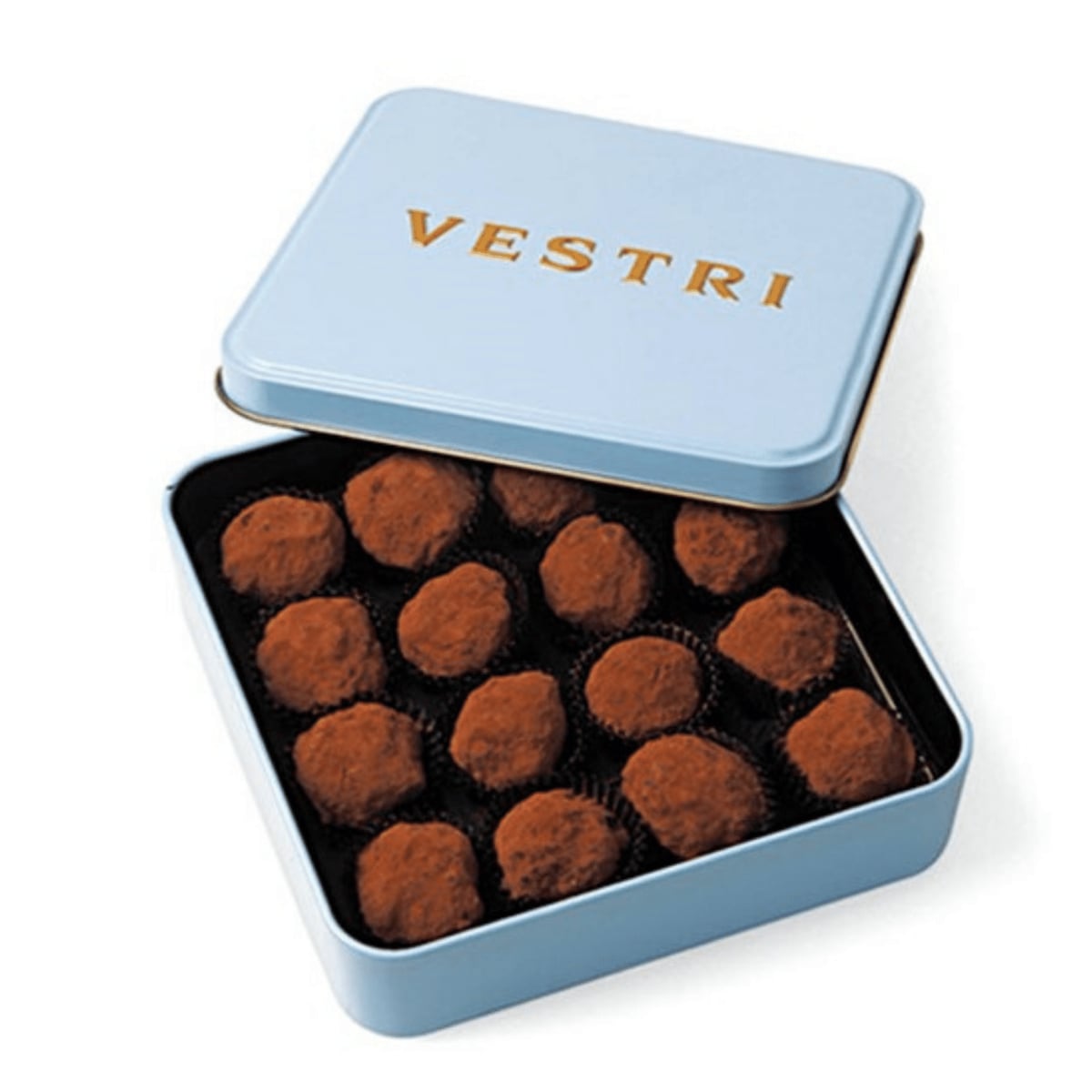
Italian master chocolatiers often create truffles that showcase their technical mastery while delivering pure indulgence. Using the finest Piedmont hazelnuts and carefully tempered chocolate, these creations melt on the tongue in waves of flavor that linger long after the last bite. Such attention to detail transforms a simple confection into an unforgettable experience.
Seasonal Variations and Limited Editions
Italian chocolate making follows the rhythms of seasons and harvests. Summer brings collaborations with fruit producers for fresh berry ganaches. Autumn welcomes chestnut incorporations and warming spices. Winter features rich, comforting flavors suited to cozy evenings.
This seasonal approach ensures optimal ingredient quality while creating anticipation. Limited editions become events, with devoted customers watching for annual releases. The practice also reflects Italian respect for natural cycles, working with rather than against what each season offers.
Holiday Traditions
Christmas in Italy brings torrrone, nougat studded with toasted nuts and often chocolate-covered. Easter means elaborate chocolate eggs with surprises hidden inside. Each celebration has its traditional chocolates, recipes passed through families and refined by professional chocolatiers.
Modern artisans honor these traditions while adding contemporary interpretations. A classic gianduja might incorporate unexpected sea salt. Traditional hot chocolate gets elevated with single-origin cacao and precise technique. Innovation builds on foundation rather than discarding it.
The Business of Artisan Chocolate
Creating gourmet chocolate at the highest level requires significant investment in equipment, ingredients, and expertise. Small-batch production means higher per-unit costs, yet artisans persist because they're driven by more than profit margins.
Many Italian chocolate workshops remain family operations, with knowledge transferred across generations. This continuity allows refinement of techniques over decades. It also creates deep connections to place and tradition that industrial operations cannot replicate.
Challenges facing artisan chocolatiers:
- Sourcing consistent quality cacao in limited quantities
- Maintaining traditional methods while managing modern costs
- Educating consumers about value beyond price point
- Competing with mass-market brands' advertising budgets
- Preserving craft knowledge as experienced masters retire
Despite these obstacles, the gourmet chocolate market continues growing. Consumers increasingly prioritize quality over quantity, seeking authentic experiences and supporting makers who honor traditional craftsmanship. This shift favors artisans who never compromised their standards chasing short-term trends.
Sustainability and Ethical Sourcing
The best chocolate begins with well-treated cacao farmers receiving fair compensation. Italian artisans increasingly emphasize direct relationships with growers, ensuring sustainable practices and equitable trade.
This ethical dimension adds meaning to gourmet chocolate purchases. Knowing your indulgence supports farming communities and environmental stewardship enhances enjoyment. Quality and conscience align rather than conflict.
Environmental Considerations
Cacao cultivation impacts fragile tropical ecosystems. Responsible producers implement shade-growing techniques that preserve biodiversity while yielding superior beans. They avoid harmful pesticides, instead using organic methods that protect soil health and water quality.
Italian chocolatiers selecting these ethically-produced beans demonstrate that excellence and responsibility complement each other. The same attention to detail ensuring exceptional flavor extends to ensuring minimal environmental impact.
Pairing Chocolate with Beverages
Italians understand that great chocolate deserves equally considered beverage pairings. The right combination elevates both elements, creating harmonies greater than individual parts.
Classic Italian Pairings
Dark chocolate (70%+ cacao):
- Espresso or dark roast coffee
- Aged grappa or amaro
- Robust red wines like Barolo or Brunello
Milk chocolate:
- Cappuccino or latte
- Sweet Marsala or Moscato d'Asti
- Light-bodied red wines
Flavored chocolates:
- Match beverage to inclusion (citrus chocolate with limoncello)
- Contrast flavors (spicy chocolate with sweet wine)
- Complement intensity levels
The aperitivo tradition extends naturally to chocolate. A small square of excellent dark chocolate with a properly mixed Negroni creates sophisticated pleasure. Even the simplest pairing, dark chocolate melting slowly while sipping espresso, becomes meditative when both elements achieve excellence.
Chocolate in Italian Culinary Culture
Beyond standalone confections, chocolate integrates into Italian cuisine in surprising ways. Sicilian cassata incorporates chocolate alongside ricotta and candied fruits. Certain pasta dishes from Modena include chocolate in rich, complex sauces balancing sweet and savory.
These applications demonstrate chocolate's versatility when handled with skill and cultural understanding. Italian cooks approach chocolate as another fine ingredient deserving respect and thoughtful application rather than automatic sweetness.
Modern Innovations
Contemporary Italian chefs experiment with chocolate in ways that would surprise traditionalists while still honoring fundamental principles. Chocolate appears in meat marinades, adding depth without sweetness. It enriches vegetable preparations, particularly eggplant and peppers. These innovations succeed because they follow Italian culinary logic even while pushing boundaries.
For those discovering how deeply quality ingredients enhance every culinary moment, exploring authentic Italian gourmet items opens doors to new appreciation and enjoyment.
Storing and Serving Chocolate Properly
Gourmet chocolate requires proper storage to maintain its intended characteristics. Temperature fluctuations, excessive humidity, and strong odors all compromise quality.
Optimal storage conditions:
- Temperature between 60-68°F (15-20°C)
- Humidity around 50%
- Protection from light and air exposure
- Separation from strong-smelling foods
- Original packaging or airtight containers
When serving, allow chocolate to come to room temperature gradually. Cold chocolate mutes flavors and affects texture. Twenty to thirty minutes outside refrigeration typically suffices, though exact timing depends on ambient conditions.
Presentation matters. Arrange chocolates on simple plates that don't compete visually. Provide small forks or encourage finger enjoyment. Create space for conversation and appreciation rather than rushed consumption.
The Joy of Discovery
Part of gourmet chocolate's appeal lies in exploration. Each origin, each maker, each technique variation creates unique expressions. Building knowledge through tasting develops appreciation while making each new discovery more meaningful.
Start with single-origin bars from different regions. Notice how Ecuadorian chocolate differs from Madagascar or Peru. Try various cacao percentages to find your preference range. Experiment with inclusions and flavors. This journey of discovery brings ongoing pleasure and deepening understanding.
Italian artisans particularly reward exploration because they balance innovation with tradition so skillfully. You might discover a chocolatier who's perfected a centuries-old recipe while another pushes boundaries with unexpected ingredient combinations. Both approaches, executed with skill and integrity, deserve attention and celebration.
The world of gourmet chocolate reveals how dedication to craft, respect for ingredients, and cultural tradition combine to create something transcendent. Italian artisans exemplify these values, transforming simple cacao beans into expressions of beauty and flavor that connect us to distant places, skilled hands, and moments of pure enjoyment. When you're ready to experience this authentic Italian artisanal excellence yourself, Tasty Ribbon curates exceptional products from Italy's finest makers, offering both ready-made selections and customizable options that bring the heart of Italian craftsmanship directly to those you care about most.