There's something almost mystical about the first time you encounter a real truffle. Perhaps it's at a rustic trattoria in Umbria, where the server grates paper-thin shavings over your pasta, releasing an aroma that seems to contain the very essence of the Italian forest. Or maybe it's in a beautifully wrapped gift box, where chocolate truffles nestle like precious jewels, promising moments of pure indulgence. Whether we're talking about the earthy fungi that grow beneath oak trees or the confections that melt on your tongue, truffles represent something extraordinary in the world of Italian gastronomy. They embody luxury, tradition, and the kind of sensory experience that transforms an ordinary meal into a cherished memory.
The Ancient Allure of Underground Treasures
The story of truffles begins deep in the soil of Italian forests, where these remarkable fungi form symbiotic relationships with tree roots. For centuries, Italian hunters and their specially trained dogs have ventured into wooded hillsides at dawn, searching for these hidden treasures that command extraordinary prices at market.
Unlike mushrooms that grow above ground, truffles develop entirely beneath the surface, making them nearly impossible to cultivate with consistency. This scarcity is part of their appeal, but it's their complex aroma that truly sets them apart. The distinctive fragrance of truffles contains volatile compounds that can transform even the simplest dish into something sublime.
Regional Varieties and Their Stories
Italy's diverse landscape produces several prized truffle varieties, each with its own character and devoted following:
-
Tartufo Bianco d'Alba: The white truffle from Piedmont, considered the most precious variety
-
Tartufo Nero di Norcia: Black winter truffles from Umbria, earthy and intense
-
Tartufo Estivo: Summer truffles with a milder, more delicate profile
-
Tartufo Nero Pregiato: Black truffles from Perigord, highly prized in haute cuisine
The town of Alba hosts an annual truffle festival each autumn, where enthusiasts gather to celebrate the white truffle season. Streets fill with the intoxicating scent, and local restaurants create special menus showcasing this precious ingredient. In Norcia, the black truffle reigns supreme, with generations of families passing down knowledge about the best hunting grounds and preparation techniques.
From Forest Floor to Fine Dining
The journey of a truffle from forest to table is remarkably swift. These delicate fungi begin losing their aromatic potency within days of harvest, which is why authentic Italian cuisine emphasizes using them fresh and simply. The Italian approach to cooking with truffles reflects a broader culinary philosophy: let exceptional ingredients speak for themselves.
Traditional preparations showcase restraint and reverence. A classic tajarin al tartufo features thin egg pasta ribbons dressed with nothing more than butter and generous shavings of white truffle. The heat from the pasta releases the truffle's volatile aromatics, creating an experience that's simultaneously rustic and refined.
Culinary Applications Worth Celebrating
| Dish |
Truffle Type |
Region |
Character |
| Fonduta con Tartufi |
White |
Piedmont |
Rich, earthy, luxurious |
| Uova al Tartufo |
Black |
Umbria |
Simple, elegant, breakfast tradition |
| Risotto al Tartufo |
White or Black |
Various |
Creamy, aromatic, comforting |
| Tagliatelle al Tartufo |
White |
Emilia-Romagna |
Delicate, buttery, sublime |
Contemporary Italian chefs continue innovating while respecting tradition. Some infuse truffle essence into olive oils or create truffle-studded cheeses that capture the fungi's magic in more accessible forms. These products allow home cooks to bring a touch of truffle luxury into everyday meals.
The Science Behind the Seduction
What makes truffles so captivating goes beyond cultural cachet. Research has revealed fascinating bioactive compounds within these fungi that contribute to both their distinctive character and potential health benefits.
The aroma we associate with truffles comes from dozens of volatile organic compounds, including androstenol, which some scientists believe triggers subconscious responses in humans. This chemical complexity explains why describing truffle scent proves so challenging. People invoke earth, garlic, honey, hay, and even subtle hints of cheese when attempting to capture the experience in words.
Beyond aroma, truffles contain meaningful nutritional elements. They provide protein, fiber, and various minerals while remaining relatively low in calories. Their antioxidant properties have attracted scientific interest, with studies exploring their potential therapeutic applications in supporting overall wellness.
Nutritional Profile Highlights
-
High in antioxidants that support cellular health
-
Rich in minerals including iron, phosphorus, and manganese
-
Low calorie density making them a flavorful addition without excess
-
Contains fiber that supports digestive wellness
-
Source of plant-based protein for those seeking diverse protein sources
The presence of these beneficial compounds transforms truffles from mere indulgence to something that nourishes both body and spirit. When you savor fresh truffle shavings over pasta, you're not just treating yourself to luxury; you're experiencing food that connects you to ancient forests and centuries of tradition.
The Sweet Side of Truffle Tradition
While savory truffles captivate with earthy complexity, chocolate truffles seduce through entirely different means. These confections, named for their resemblance to the fungi, represent another facet of Italian artisanal excellence. The best chocolate truffles embody the same principles that guide savory Italian cooking: exceptional ingredients, skilled craftsmanship, and attention to detail.
Italian chocolatiers approach truffle-making as an art form. They begin with premium cocoa, often sourced from specific regions and blended to create signature flavor profiles. The ganache center requires precise temperature control and timing, ensuring the perfect texture that melts seamlessly on the palate. Coatings range from cocoa powder to finely chopped hazelnuts, each adding textural contrast and flavor dimension.
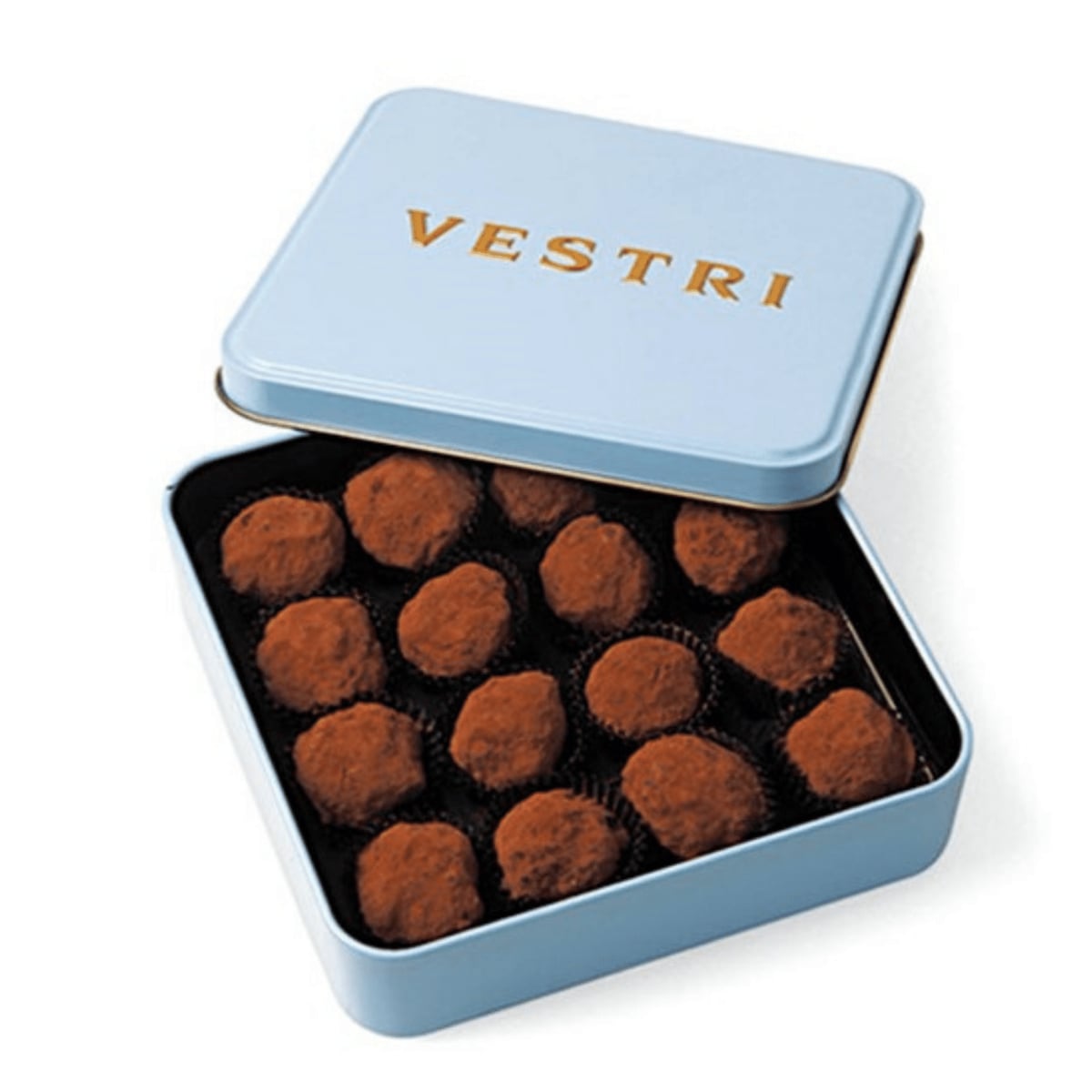
The Chocolate Truffles crafted by artisans like Vestri showcase this dedication to excellence, featuring Tonda Gentile Trilobata hazelnuts from Piedmont for a melt-in-your-mouth experience that elevates any celebration or quiet moment of indulgence.
Chocolate Truffle Varieties to Discover
Different regions and makers put their signature stamp on these beloved confections:
-
Classic Dark Chocolate: Rich ganache rolled in cocoa powder, pure and intense
-
Hazelnut Gianduja: Smooth blend of chocolate and Piedmont hazelnuts
-
Espresso-Infused: Coffee notes that complement dark chocolate beautifully
-
Liqueur-Enhanced: Grappa, amaretto, or limoncello adding adult sophistication
-
White Chocolate: Delicate, creamy variations for those who prefer lighter sweetness
Each variety offers a different sensory journey, yet all share that characteristic round shape and luxurious texture that defines the chocolate truffle experience. The best examples balance sweetness with complexity, leaving you satisfied rather than overwhelmed.
Truffle Hunting as Cultural Heritage
The tradition of truffle hunting represents more than a foraging practice. It's a living connection to centuries of Italian rural life, passed down through families who guard their knowledge carefully. Truffle hunters, known as tartufai, develop deep relationships with their dogs, training them from puppyhood to detect the subtle scent of underground treasures.
The cultural significance of truffle hunting extends beyond economics. These skilled foragers serve as stewards of forest ecosystems, understanding seasonal patterns and environmental conditions that affect truffle growth. Their knowledge helps preserve biodiversity and maintain the delicate balance between human harvest and natural regeneration.
Modern sustainability concerns have prompted discussions about truffle cultivation and wild harvest management. While some success has been achieved in truffle farming, particularly with certain black varieties, the most prized white truffles still resist reliable cultivation. This reality makes responsible wild harvesting practices essential for ensuring future generations can experience these remarkable fungi.
Incorporating Truffles into Celebration and Gifting
In Italian culture, food gifts carry deep meaning. They express care, celebrate relationships, and create opportunities for shared joy. Truffles, whether earthy fungi or chocolate confections, make exceptional gifts because they embody both luxury and thoughtfulness.
When selecting gourmet food gifts that feature truffle elements, consider the recipient's preferences and the occasion. A jar of truffle-infused olive oil or truffle salt provides accessible luxury that transforms everyday cooking. For chocolate lovers, artisanal truffles offer moments of pure indulgence that feel both celebratory and personal.
Gift-Giving Considerations:
-
Presentation matters: Beautiful packaging elevates the gifting experience
-
Quality over quantity: A few exceptional pieces outshine mass-produced alternatives
-
Include guidance: Pairing suggestions help recipients fully appreciate their gift
-
Consider seasonality: Fresh fungi truffles peak in autumn and winter months
-
Personal touches: Handwritten notes add warmth and connection
Corporate gifting has embraced Italian gourmet selections as a way to express appreciation while sharing cultural richness. Unlike generic gift baskets, thoughtfully curated boxes featuring artisanal products tell a story and create memorable experiences for recipients.
Truffle Preservation and Product Innovation
Fresh truffles demand immediate use, but Italian artisans have developed preservation methods that extend their magic. Truffle oils, butters, and creams capture essential flavors in forms that last months rather than days. Quality varies dramatically in these products, with the best using real truffle pieces and natural extraction methods.
When evaluating preserved truffle products, look for ingredient transparency. Authentic truffle oil should list actual truffles in the ingredients, not just synthetic flavoring. The same principle applies to truffle sauces, pastes, and other derivatives. Understanding truffle products helps consumers make informed choices that honor the ingredient's integrity.
| Product Type |
Shelf Life |
Best Uses |
Quality Indicators |
| Truffle Oil |
12-18 months |
Finishing dishes, dressings |
Real truffle pieces visible |
| Truffle Butter |
3-6 months frozen |
Pasta, risotto, steaks |
Natural ingredients only |
| Truffle Salt |
Indefinite |
Seasoning, garnishing |
Visible truffle specks |
| Truffle Paste |
12 months |
Sauces, spreads |
High truffle percentage |
Innovation continues as producers explore new ways to share truffle experiences. Freeze-dried truffle powders concentrate flavor while extending usability. Truffle honey combines earthy and sweet notes in unexpected harmony. These developments make truffle luxury more accessible without compromising on authenticity.
Creating Moments of Connection Through Food
The true value of truffles transcends their price tag or scarcity. Whether you're grating fresh funghi over homemade pasta or sharing chocolate truffles with loved ones, these ingredients create pause in our hurried lives. They invite us to slow down, notice subtlety, and appreciate craftsmanship.
This philosophy aligns with the broader Italian approach to food and life. Meals aren't just fuel; they're opportunities for connection and celebration. A simple dinner becomes special when you add truffle shavings. A routine afternoon transforms when you savor a piece of artisanal chocolate. These small acts of indulgence remind us that everyday moments deserve beauty and attention.
Building Truffle Appreciation
For those new to truffles, developing appreciation is a journey worth taking:
- Start with high-quality preserved products before investing in fresh truffles
- Taste different varieties to understand their distinct characteristics
- Use truffles sparingly; their intensity means a little goes far
- Pair with simple preparations that let the truffle shine
- Share discoveries with friends to multiply the joy
The world of Italian artisanal products offers countless pathways to exploration. Each maker brings unique perspective and skill, creating products that reflect regional traditions and personal passion. Supporting these artisans preserves cultural heritage while enjoying extraordinary quality.
The Future of Truffle Culture
As climate change affects traditional truffle habitats and demand continues growing worldwide, questions about sustainability and access become increasingly relevant. Italian producers and researchers work to understand truffle ecology better, developing cultivation techniques that might supplement wild harvests without replacing them.
Educational initiatives introduce new generations to truffle hunting traditions, ensuring knowledge transfer continues. Young people in truffle-rich regions increasingly recognize the value of this heritage, choosing to learn from elder tartufai rather than abandoning rural communities for urban centers.
Meanwhile, the global appreciation for authentic Italian food products creates opportunities for smaller producers to reach wider audiences. Digital platforms allow artisans to share their stories directly with consumers who value quality and authenticity. This connection benefits everyone: producers receive fair compensation for their skill, and customers access products they can trust.
The chocolate truffle world experiences similar evolution. Artisan chocolatiers experiment with single-origin cocoas and innovative flavor combinations while respecting traditional techniques. Bean-to-bar movements emphasize transparency and ethical sourcing, appealing to consumers who consider the full story behind their indulgences.
Truffle Experiences Worth Seeking
For those fortunate enough to travel to Italy, truffle-focused experiences offer unforgettable immersion. Several regions offer truffle hunting excursions where visitors join tartufai and their dogs in the forest. These dawn adventures culminate in celebratory meals featuring the morning's finds, prepared simply to showcase their character.
Truffle festivals throughout Italy celebrate harvest seasons with markets, tastings, and educational programs. The Alba White Truffle Fair draws visitors from around the world each autumn, while smaller regional celebrations offer more intimate experiences. These events connect people to the land, the traditions, and the passionate individuals who dedicate their lives to these remarkable ingredients.
Even without traveling to Italy, you can create meaningful truffle experiences at home. Hosting a truffle tasting with friends transforms an ordinary evening into something memorable. Curating a selection of truffle products or chocolate varieties invites exploration and conversation.
Planning a Truffle Tasting:
-
Select a theme: Focus on one truffle type or compare varieties
-
Prepare simple bases: Plain pasta, risotto, or bread showcase truffles well
-
Include palate cleansers: Light sparkling water or crisp vegetables between tastes
-
Document impressions: Encourage guests to describe what they experience
-
Share stories: Discuss the origins and traditions behind each item
These gatherings honor the Italian tradition of using food to build community and create joy. They remind us that luxury isn't always about expense; sometimes it's about intention and presence.
The world of truffles invites us into a realm where nature's rarest gifts meet human artistry and tradition. From the forest floors of Piedmont to the chocolate workshops of Florence, truffles represent dedication to quality and the belief that some experiences are worth preserving. When you're ready to share this magic with others or treat yourself to something truly special, Tasty Ribbon offers carefully curated selections of authentic Italian artisanal products that bring the heart of Italy to your doorstep. Each gift tells a story of craftsmanship, tradition, and the joy of sharing exceptional flavors with the people who matter most.