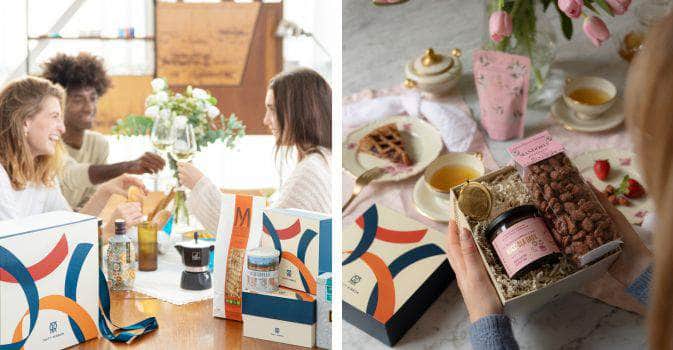
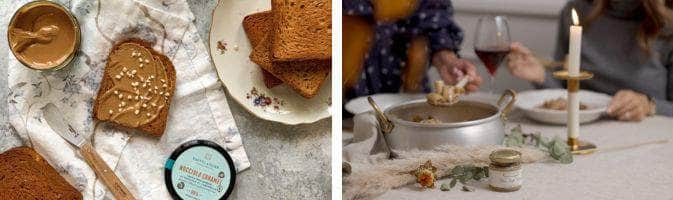
Finding the best chocolate is both a science and an art, a journey that takes you from sun-drenched cacao plantations to the skilled hands of artisans who transform humble beans into edible masterpieces. Whether you're seeking a gift that speaks volumes or simply treating yourself to a moment of pure indulgence, understanding what separates exceptional chocolate from the ordinary changes everything. The world of fine chocolate has evolved dramatically in recent years, with small-batch makers and heritage chocolatiers pushing boundaries while honoring centuries-old traditions. This exploration will guide you through what makes chocolate truly extraordinary, from the terroir of cacao origins to the meticulous craftsmanship that elevates simple ingredients into transcendent experiences.
Understanding What Defines the Best Chocolate
The best chocolate begins with a simple truth: quality ingredients create superior results. Premium cacao beans, minimal processing, and careful attention to detail separate exceptional bars from mass-produced alternatives. Unlike industrial chocolate that relies heavily on additives and fillers, artisanal chocolate showcases the pure flavors inherent in well-sourced cacao.
Bean-to-bar production has revolutionized how we think about chocolate quality. This approach gives chocolatiers complete control over every step, from sourcing beans directly from farmers to roasting, grinding, and tempering. The finest chocolate brands often maintain direct relationships with cacao growers, ensuring ethical practices and consistent quality.
The Role of Cacao Percentage and Origin
Cacao percentage tells only part of the story. While many assume higher percentages automatically indicate better quality, the best chocolate balances cacao content with flavor complexity. A 70% dark chocolate can reveal fruity notes, subtle acidity, or earthy undertones depending on where the beans originated and how they were processed.
Single-origin chocolates have gained prominence among connoisseurs for good reason:
-
Madagascar: Bright, fruity flavors with citrus notes
-
Ecuador: Complex profiles with floral and spice characteristics
-
Venezuela: Rich, deep chocolate flavor with nutty undertones
-
Peru: Balanced acidity with hints of berries and nuts
The terroir of cacao mirrors wine production, where soil composition, climate, and cultivation methods profoundly influence final flavors. Manufacturers like Michel Cluizel have built reputations on showcasing these regional distinctions through carefully crafted bars that honor each origin's unique character.
Italian Chocolate Traditions and Excellence
Italy's relationship with chocolate runs deep, woven into the fabric of daily rituals and celebration. From the bicerin cafés of Turin to the artisan workshops of Florence, Italian chocolatiers have perfected the art of creating indulgent confections that balance tradition with innovation. The country's dedication to quality ingredients and time-honored techniques produces some of the world's most sought-after chocolate creations.
Turin holds a special place in chocolate history as the birthplace of gianduia, that sublime combination of chocolate and toasted Piedmont hazelnuts. This marriage of flavors emerged from necessity in the 1800s when cacao shortages led creative chocolatiers to blend local hazelnuts with precious chocolate, inadvertently creating something magical.
Regional Specialties Worth Discovering
Italian chocolate varies beautifully across regions, each area bringing distinct perspectives and ingredients:
| Region |
Specialty |
Key Characteristics |
| Piedmont |
Gianduia, truffles |
Hazelnuts, creamy texture, refined sweetness |
| Tuscany |
Dark chocolate bars |
Bold flavors, minimal sugar, artisan approach |
| Sicily |
Modica chocolate |
Grainy texture, spiced variations, ancient methods |
| Emilia-Romagna |
Filled pralines |
Innovative fillings, balanced sweetness |
Modica chocolate deserves special mention for its unique preparation method, unchanged since the Spanish brought cacao to Sicily centuries ago. The chocolate remains grainy because sugar never fully dissolves, creating a rustic texture that transports you to another era. Some makers incorporate local flavors like pistachios, almonds, or even chili peppers.
Artisan producers throughout Italy maintain family recipes passed down through generations, treating chocolate-making as both craft and calling. These makers source premium cacao, often working with single-origin beans, while incorporating distinctly Italian elements like local nuts, honey from regional apiaries, or aged balsamic vinegar from Modena.
How to Taste and Appreciate Fine Chocolate
Tasting the best chocolate properly reveals layers of complexity that casual consumption misses entirely. Professional tasters use specific techniques to evaluate appearance, aroma, texture, and flavor development. This mindful approach transforms chocolate from simple candy into a sensory journey worthy of contemplation.
Begin by examining the chocolate visually. Quality chocolate exhibits a smooth, glossy surface without bloom (that grayish coating indicating temperature fluctuations or age). The color should appear uniform and rich, whether deep brown for dark chocolate or creamy tan for milk varieties.
The Five-Step Tasting Method
-
Observe: Note the appearance, shine, and color consistency
-
Snap: Break the chocolate and listen for a clean, sharp sound
-
Smell: Identify aromatic notes before tasting
-
Taste: Place chocolate on your tongue and let it melt naturally
-
Evaluate: Notice how flavors develop and change
Temperature matters significantly. Chocolate reveals its full flavor profile at room temperature, typically between 65-70°F. Cold chocolate numbs your palate, masking subtle notes that make artisan chocolate special. Allow bars to warm naturally before tasting, never rushing the process.
The melting point of cocoa butter sits just below body temperature, which explains chocolate's luxurious mouthfeel. Premium chocolate melts smoothly without graininess or waxy residue. When chocolate begins melting on your tongue, flavors release in waves: initial notes, mid-palate development, and finally the finish that lingers after swallowing.
Companies like Amano Artisan Chocolate emphasize tasting education, helping customers understand how origin, fermentation, and processing affect final flavors. Their approach demonstrates how chocolate can express terroir as eloquently as wine or coffee.
Selecting Chocolate for Gifting
The best chocolate makes an extraordinary gift precisely because it communicates thoughtfulness, luxury, and personal care. Unlike generic presents, carefully chosen chocolate demonstrates you've considered the recipient's tastes and invested in their enjoyment. The presentation matters as much as the contents, turning a simple confection into a memorable experience.
Italian chocolate gifts carry particular elegance, combining centuries of artisanal tradition with sophisticated packaging that honors both maker and recipient. When selecting chocolate for gifting, consider several factors: dietary preferences, flavor intensity preferences, and occasion appropriateness.
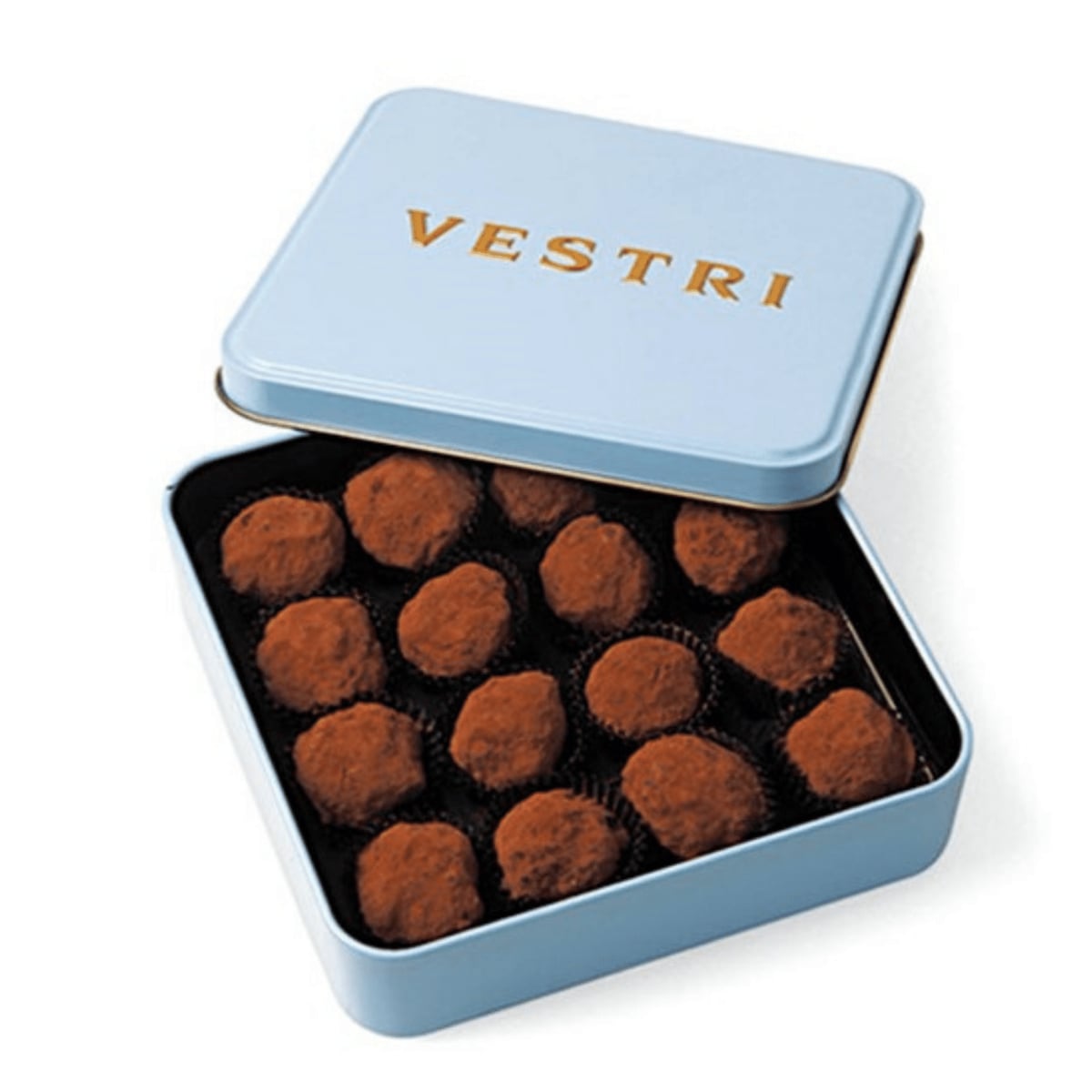
For those who appreciate authentic Italian craftsmanship, truffles represent the pinnacle of chocolate artistry. The Tonda Gentile Trilobata hazelnuts from Piedmont create an unmatched flavor foundation when combined with premium chocolate. These delicate confections pair beautifully with espresso, dessert wines, or simply enjoyed as an afternoon indulgence. Artisan makers transform simple ingredients into sublime creations that melt on the tongue and create moments of pure bliss.
Pairing Chocolate with Other Gourmet Items
Creating food gift assortments that include chocolate alongside complementary items elevates the entire experience. Consider these harmonious combinations:
-
Chocolate + Aged Balsamic: Dark chocolate's bitterness balances balsamic's sweet complexity
-
Chocolate + Extra Virgin Olive Oil: Premium EVOO and chocolate share flavor notes
-
Chocolate + Italian Wine: Barolo, Amarone, or Vin Santo create sublime pairings
-
Chocolate + Artisan Coffee: Single-origin beans complement chocolate origins
The key to successful pairings lies in balancing intensities. Delicate milk chocolate pairs better with lighter accompaniments, while bold dark chocolate can stand up to robust flavors like espresso or aged spirits. Corporate gifting opportunities benefit from these thoughtful combinations, showing clients and partners you understand quality and sophistication.
Seasonal considerations also guide chocolate selection. Winter holidays call for rich, warming flavors like spiced chocolate or hazelnut varieties. Spring celebrations might feature lighter options with fruity notes or floral infusions. Summer requires attention to shipping concerns, as chocolate's sensitivity to heat demands careful timing and packaging.
Storing and Handling Premium Chocolate
Proper storage preserves the best chocolate's quality, protecting delicate flavors and ideal texture from environmental damage. Temperature fluctuations, humidity, and improper wrapping all degrade chocolate over time, transforming sublime bars into disappointing shadows of their former glory. Understanding basic storage principles ensures every piece tastes as the maker intended.
Ideal storage conditions maintain consistency above all else. Chocolate thrives at 60-70°F with relative humidity below 50%. Avoid refrigeration unless absolutely necessary, as condensation can cause sugar bloom and absorb odors from other foods. When refrigeration becomes unavoidable, wrap chocolate tightly in multiple layers before chilling, and allow it to return to room temperature gradually before unwrapping.
Common Storage Mistakes to Avoid
Many chocolate enthusiasts unknowingly damage their collections through well-intentioned but harmful practices:
- Storing near heat sources or in direct sunlight
- Refrigerating without proper wrapping
- Keeping chocolate in humid environments
- Mixing strong-smelling foods near chocolate
- Opening and closing packaging repeatedly
Chocolate's shelf life varies by type and composition. Dark chocolate with higher cacao content and minimal additives lasts longest, often maintaining quality for two years or more when stored properly. Milk chocolate contains dairy that shortens shelf life to roughly one year. White chocolate and filled confections require consumption within months for optimal flavor.
The world's best dark chocolate benefits from aging similar to wine, with some bars developing more complex flavors over time. However, this applies only to properly stored, high-quality bars without added ingredients that might deteriorate. Bean-to-bar makers often date their products, allowing collectors to track aging and optimal consumption windows.
Learning Resources for Chocolate Enthusiasts
Deepening your understanding of the best chocolate transforms casual enjoyment into educated appreciation. Numerous resources exist for those wanting to explore chocolate's history, production methods, and tasting techniques. From comprehensive guides to specialized publications, the world of chocolate education welcomes newcomers and experienced connoisseurs alike.
Essential books on chocolate cover diverse topics ranging from cacao botany to global chocolate culture. The True History of Chocolate traces cacao's journey from Mesoamerican origins to modern confectionery, revealing fascinating cultural connections and historical transformations. Such scholarly works provide context that enriches every tasting experience.
Building Your Chocolate Knowledge
Professional tasting courses teach structured evaluation methods used by industry experts. Many craft chocolatiers offer workshops where participants sample multiple origins, learn production techniques, and develop refined palates. These hands-on experiences create lasting appreciation for the skill and dedication behind exceptional chocolate.
Online communities and forums connect chocolate enthusiasts worldwide, facilitating knowledge exchange and discovery. Members share tasting notes, recommend makers, and discuss emerging trends in the craft chocolate movement. The comprehensive guide to chocolate brands helps navigate the expanding landscape of artisan producers, offering reviews and historical context.
Visiting chocolate makers provides unparalleled insight into production realities. Many European chocolatiers welcome visitors to workshops where traditional methods persist alongside modern innovations. Italy's chocolate heritage particularly rewards exploration, with makers like Vestri demonstrating how passion and precision create unforgettable products.
| Learning Approach |
Benefits |
Ideal For |
| Books and Reading |
Comprehensive history and context |
Deep knowledge seekers |
| Tasting Courses |
Hands-on skill development |
Active learners |
| Online Communities |
Diverse perspectives, recommendations |
Social learners |
| Factory Visits |
Behind-the-scenes understanding |
Visual learners |
Emerging Trends in Artisan Chocolate
The best chocolate continues evolving as makers experiment with unconventional ingredients, sustainable practices, and innovative production methods. Today's chocolate landscape reflects growing consumer interest in transparency, ethical sourcing, and flavor exploration. These trends reshape how we think about chocolate quality and value.
Bean-to-bar movements have spread globally, with small producers establishing direct relationships with cacao farmers. This model ensures fair compensation while allowing makers to select specific fermentation methods and bean varieties that align with their flavor goals. Pioneers like Friis-Holm and Scharffen Berger demonstrated that American makers could compete with European heritage brands through dedication to craft and quality.
Innovation Meets Tradition
Modern chocolatiers balance respect for tradition with creative experimentation, producing bars that surprise and delight:
- Inclusion bars featuring unexpected ingredients like olive oil, sea salt, or dried fruits
- Single-estate chocolates highlighting specific farms or microclimates
- Vintage cacao experiments aging chocolate like fine wine
- Collaboration bars pairing chocolate makers with coffee roasters or distillers
Sustainability concerns drive increasing transparency around sourcing and production. Consumers want assurance that their chocolate purchases support farmer livelihoods and environmental protection. Certifications like Fair Trade, Rainforest Alliance, and Direct Trade help identify products meeting ethical standards, though some small makers argue their direct relationships exceed certification requirements.
Flavor profiles continue expanding beyond traditional expectations. Makers incorporate local ingredients reflecting regional terroir, creating chocolates that taste distinctly of place. Italian producers might add Sicilian pistachios, Amalfi lemon, or balsamic vinegar from Modena. These additions celebrate local agricultural heritage while creating unique flavor experiences unavailable elsewhere.
Creating Memorable Chocolate Experiences
The best chocolate transcends simple consumption, creating moments worth savoring and sharing. Whether enjoyed alone as mindful self-care or shared during celebrations, exceptional chocolate marks occasions as special. Understanding how to incorporate quality chocolate into daily rituals and special events maximizes enjoyment and creates lasting memories.
Italian traditions offer inspiration for chocolate integration. The afternoon merenda (snack) often includes chocolate paired with bread or pastries, creating a pause in busy days. Evening digestivo moments might feature chocolate alongside grappa or amaro, combining bitter and sweet flavors in harmonious conclusion to meals.
Hosting chocolate tastings brings people together around shared discovery. Provide multiple origins or styles, encouraging guests to compare and discuss their perceptions. Supply tasting cards for notes, and guide participants through proper evaluation techniques. These gatherings foster connection while educating palates and expanding appreciation.
Chocolate in Celebration and Connection
Gift-giving occasions benefit tremendously from thoughtfully chosen chocolate. Rather than generic boxes, consider the recipient's preferences and select accordingly:
- Coffee lovers appreciate chocolate from regions sharing flavor notes with favorite beans
- Wine enthusiasts enjoy pairing suggestions and complementary flavor profiles
- Health-conscious friends value dark chocolate's antioxidant properties
- Adventurous eaters welcome unusual flavor combinations and experimental bars
Understanding good foodie gifts requires considering how products reflect both giver and recipient. Artisan chocolate communicates sophistication, thoughtfulness, and appreciation for quality. The presentation matters enormously, with beautiful packaging signaling the care invested in selection.
Subscription services extend the chocolate experience across months, providing regular deliveries of curated selections. This approach allows recipients to explore diverse makers and origins without overwhelming choices. Each delivery becomes an anticipated event, creating ongoing moments of joy and discovery.
Seasonal celebrations naturally incorporate chocolate, from Easter eggs to holiday gift boxes. Italian traditions particularly embrace chocolate during festivals, with special preparations marking important dates. Understanding these cultural connections deepens appreciation while suggesting appropriate selections for various occasions throughout the year.
Discovering the best chocolate opens doors to rich traditions, skilled craftsmanship, and moments of pure sensory delight that elevate everyday experiences into something extraordinary. Whether you're seeking the perfect gift to honor someone special or simply wanting to treat yourself to authentic Italian excellence, quality chocolate creates connections that transcend simple indulgence. Tasty Ribbon brings the finest Italian artisan chocolates directly to your door, offering carefully curated selections that celebrate heritage, craftsmanship, and the joy of sharing something truly exceptional with the people who matter most.