There's something deeply personal about unwrapping a candy bar. That crackling sound of paper and foil, the anticipation of that first bite, the way sweetness floods your senses and transports you somewhere else entirely. Whether you're standing in line at a grocery store on a Tuesday afternoon or carefully selecting artisanal chocolates as a gift, candy bars represent more than just confections. They're memories wrapped in paper, celebrations in miniature, and comfort food that transcends cultures and continents.
The Enduring Appeal of Chocolate Confections
Walk into any shop across America or Italy, and you'll find rows of wrapped treasures waiting to be discovered. The candy bar has evolved from simple chocolate rectangles into sophisticated creations that blend tradition with innovation.
The global confectionery landscape continues to grow, with market dynamics reflecting changing consumer preferences toward premium ingredients and authentic flavors. This shift mirrors what we see in Italian artisanal traditions, where quality has always mattered more than quantity.
Understanding What Makes Them Special
The difference between mass-produced candy bars and artisanal chocolate confections lies in the details. Italian chocolatiers understand this intimately.
Consider these key distinctions:
-
Ingredient sourcing: Premium chocolate makers select specific cacao origins, much like winemakers choose their grapes
-
Production methods: Small-batch processing preserves flavor complexity that industrial methods often sacrifice
-
Flavor profiles: Artisanal bars offer nuanced tastes ranging from fruity to earthy notes
-
Texture development: Careful tempering creates that satisfying snap and smooth melt
Traditional Italian chocolate makers approach their craft with the same reverence they bring to pasta-making or wine production. Every element matters, from bean selection to final presentation.
The American Candy Bar Phenomenon
The United States has built an entire culture around these sweet treats. According to comprehensive industry statistics, the American candy market represents billions in annual revenue, with chocolate products dominating consumer preferences.
Classic American candy bars evoke powerful nostalgia. They're tied to Halloween traditions, movie theater experiences, and childhood memories. The U.S. candy production industry continues to adapt to changing consumer demands while maintaining the familiar flavors people crave.
Regional Preferences and Traditions
Different regions develop distinct relationships with their favorite confections. In Italy, chocolate bars aren't just afternoon snacks but often sophisticated dessert components or carefully chosen gifts.
| Region |
Preference Style |
Common Characteristics |
| Northeast U.S. |
Classic brands |
Nostalgic flavors, familiar formats |
| Southern U.S. |
Pecan and praline varieties |
Rich, nutty profiles |
| Pacific Coast |
Dark chocolate options |
Health-conscious formulations |
| Central Italy |
Gianduja-based |
Hazelnut-chocolate combinations |
| Northern Italy |
High-cacao content |
Sophisticated, less sweet profiles |
The Italian approach to chocolate confections emphasizes quality over convenience. Rather than grabbing something quickly, Italians savor their chocolate moments, often pairing them with espresso or dessert wine.
Artisanal Chocolate Bars from Italy
Italian chocolate artisans create bars that tell stories of their regions. From the hazelnut-rich Piedmont to the cacao workshops of Florence, each area brings distinct character to its confections.
The Tonda Gentile Trilobata hazelnut from Piedmont represents everything Italian chocolate makers value: heritage, terroir, and uncompromising quality. When these prized nuts meet premium chocolate, the result transcends ordinary candy bars. The velvety texture and complex flavor profile showcase why Italian chocolatiers have earned global recognition.
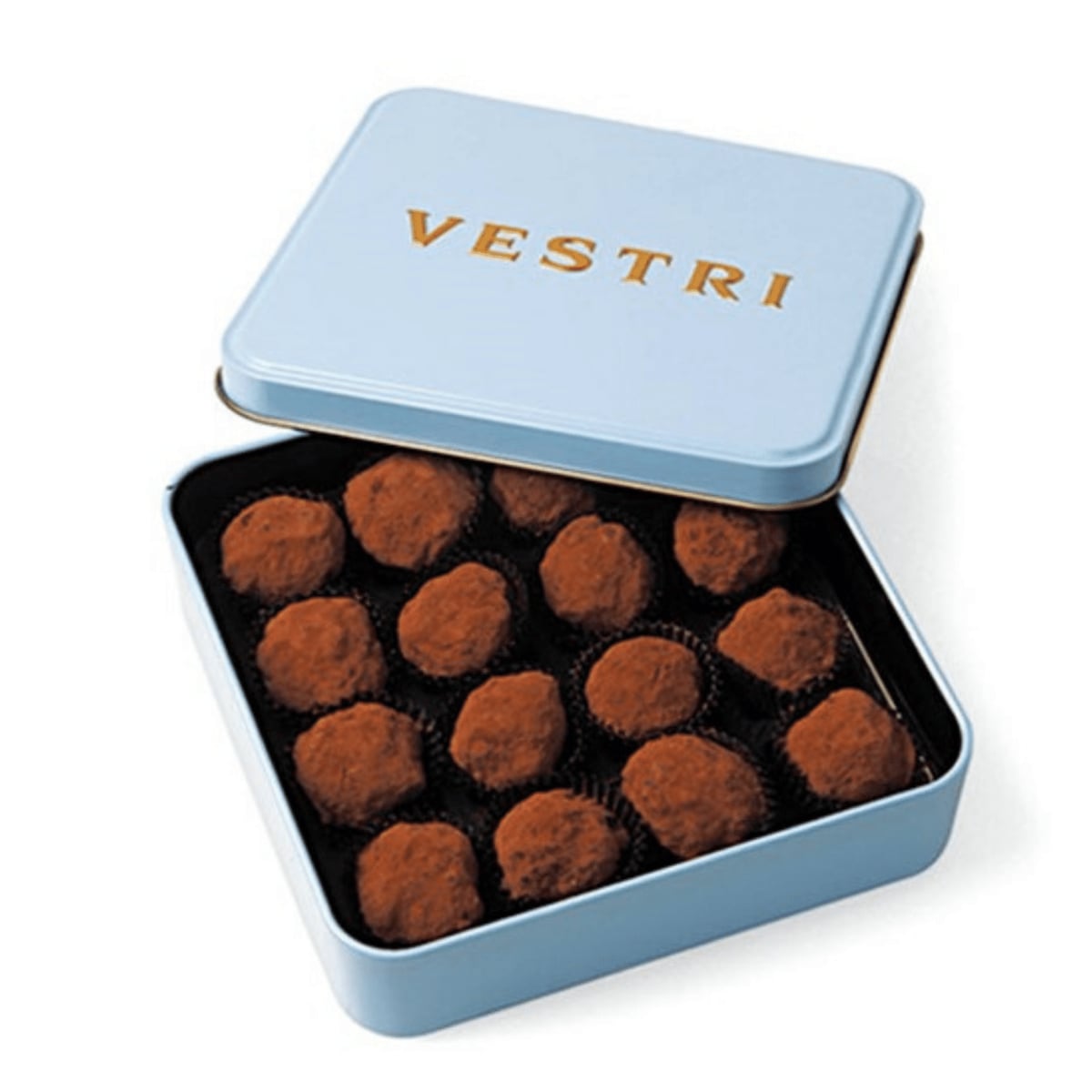
When you're seeking good foodie gifts that demonstrate thoughtfulness and taste, artisanal Italian chocolates offer something grocery-store candy bars simply cannot match: a connection to centuries of chocolate-making tradition and regional pride.
The Craft Behind Italian Chocolate Making
Italian chocolate makers operate differently than industrial producers. They often work in small batches, personally overseeing each production stage.
Their process includes:
- Selecting premium cacao beans from specific origins
- Roasting to develop optimal flavor profiles
- Grinding with traditional methods that preserve texture
- Incorporating local ingredients like hazelnuts or pistachios
- Hand-packaging with attention to presentation details
This meticulous approach results in chocolate bars that engage all your senses. The glossy surface reflects careful tempering. The aroma promises complexity. That first bite delivers layers of flavor that unfold gradually across your palate.
Modern Trends Reshaping the Market
Consumer preferences continue evolving, influenced by health awareness, sustainability concerns, and desire for authentic experiences. Current market analysis reveals growing interest in premium, ethically sourced options.
Today's chocolate lovers seek:
- Transparent sourcing practices
- Single-origin cacao varieties
- Organic and fair-trade certifications
- Minimal processing methods
- Unique flavor combinations
This shift benefits artisanal producers who've always prioritized these values. Italian chocolate makers naturally align with these preferences through their traditional commitment to quality ingredients and time-honored techniques.
Health-Conscious Innovations
The candy bar category faces interesting challenges as consumers balance indulgence with wellness. Dark chocolate options with high cacao percentages offer antioxidants alongside satisfaction. Some producers experiment with alternative sweeteners or incorporate functional ingredients.
However, the Italian philosophy suggests a different approach: enjoy exceptional quality in moderation rather than compromising on ingredients. A small piece of outstanding chocolate provides more genuine pleasure than larger quantities of mediocre alternatives.
The Art of Gifting Chocolate
Selecting candy bars as gifts requires consideration beyond grabbing familiar brands. The presentation, quality, and story behind your choice communicate respect and affection for the recipient.
Italian gift-giving traditions emphasize thoughtfulness and beauty. When presenting chocolate, packaging matters as much as content. Elegant boxes, careful arrangement, and premium selections transform simple sweets into meaningful gestures.
Consider these gifting occasions:
- Corporate appreciation where luxury presentation demonstrates professionalism
- Holiday celebrations requiring festive yet sophisticated options
- Personal milestones calling for memorable, high-quality treats
- Thank-you gestures where artisanal quality speaks volumes
The difference between standard candy bars and curated gourmet chocolate gift boxes parallels the difference between a postcard and a handwritten letter. Both deliver messages, but one creates lasting impressions.
Seasonal Celebrations and Chocolate Traditions
Different times of year inspire specific chocolate cravings. Spring brings delicate flavors and floral notes. Summer demands chocolates that withstand warmth. Autumn welcomes spices and nuts. Winter calls for rich, comforting intensity.
Italian Seasonal Specialties
Italian chocolatiers create seasonal variations that reflect their agricultural calendar and cultural celebrations:
| Season |
Traditional Flavors |
Cultural Connection |
| Spring |
Citrus, strawberry |
Easter celebrations |
| Summer |
Mint, light creams |
Gelato inspiration |
| Fall |
Chestnut, fig |
Harvest traditions |
| Winter |
Hazelnut, coffee |
Holiday warmth |
These seasonal specialties aren't arbitrary marketing ploys but authentic connections to what grows locally and what each season inspires. The merger trends in confectionery markets show how large corporations attempt to replicate this authenticity, though artisanal producers maintain distinct advantages through their regional partnerships.
Global Market Dynamics
The international candy bar landscape reflects complex economic and cultural forces. Analysis of global market dominance reveals how supply chain considerations, health trends, and regional preferences reshape industry strategies.
Key market influences include:
- Cacao price volatility affecting production costs
- Consumer demand for transparency and traceability
- Regional flavor preferences driving product development
- Sustainability requirements reshaping sourcing practices
- Premium segment growth outpacing standard categories
Italian artisanal producers navigate these challenges through established relationships with quality suppliers and loyal customer bases who value authenticity over price point competition.
Balancing Tradition with Innovation
The most successful chocolate makers honor heritage while embracing thoughtful innovation. They might experiment with unexpected flavor pairings or modern packaging designs without compromising fundamental quality standards.
This balance appears in how Italian chocolatiers approach their craft. They'll incorporate contemporary techniques that improve consistency or texture while maintaining traditional recipes passed through generations. The result satisfies both traditionalists and adventurous palates.
Understanding Quality Indicators
Not all candy bars deserve equal consideration. Recognizing quality helps you make informed choices whether purchasing for yourself or selecting gifts.
Look for these quality markers:
-
Ingredient transparency: Short, recognizable ingredient lists indicate authenticity
-
Cacao percentage: Higher percentages suggest serious chocolate rather than sugary confections
-
Origin information: Single-origin chocolates demonstrate producer pride
-
Texture consistency: Smooth, even texture reveals proper tempering
-
Finish characteristics: Quality chocolate leaves clean, pleasant aftertaste
Italian artisanal standards exceed basic quality requirements. The makers featured in curated collections represent generations of expertise and unwavering commitment to excellence.
Tasting Like a Connoisseur
Appreciating fine chocolate requires attention similar to wine tasting. Let the chocolate reach room temperature. Observe its appearance and aroma. Allow it to melt slowly on your tongue, noting how flavors develop and transform.
This mindful approach enhances enjoyment while deepening appreciation for the craft involved. Even familiar candy bars reveal new dimensions when tasted attentively rather than consumed mindlessly.
Creating Memorable Experiences
The best candy bars don't just satisfy hunger or sweet cravings. They create moments worth remembering, whether shared with loved ones or savored in quiet solitude.
Italian culture excels at transforming everyday moments into celebrations. An afternoon espresso paired with exceptional chocolate becomes a ritual of self-care. A carefully selected chocolate gift acknowledges someone's importance in your life. These small acts accumulate into rich, meaningful lives.
Building Your Chocolate Knowledge
Developing chocolate appreciation parallels exploring wine or coffee. Start with familiar flavors, then gradually venture toward new origins and styles. Notice what appeals to your palate and why.
Exploration strategies include:
- Sampling single-origin varieties to understand terroir influence
- Comparing milk versus dark chocolate from the same maker
- Trying chocolate paired with complementary flavors like coffee or fruit
- Learning about different cacao-growing regions and their characteristics
- Supporting artisanal producers through direct purchases or curated gift selections
This journey transforms candy bars from simple treats into gateways for cultural exploration and sensory education.
The Future of Artisanal Chocolate
Looking ahead, the chocolate industry faces fascinating crossroads between industrial efficiency and artisanal authenticity. Consumer values increasingly favor quality, sustainability, and meaningful connections over pure convenience.
Emerging trends suggest:
- Growing appreciation for craft producers and their stories
- Increased demand for transparent, ethical sourcing
- Interest in unique flavor profiles beyond standard offerings
- Willingness to invest more for exceptional quality
- Desire for gifting options that demonstrate thoughtfulness
Italian chocolate makers are well-positioned for this future. Their long-standing commitment to these principles means they're not chasing trends but continuing traditions that suddenly align with modern consumer values.
The candy bar's evolution from penny candy to artisanal treasure reflects broader cultural shifts toward valuing authenticity and craftsmanship. Whether you're enjoying a familiar favorite or discovering an Italian artisan's masterpiece, these sweet moments deserve recognition and appreciation.
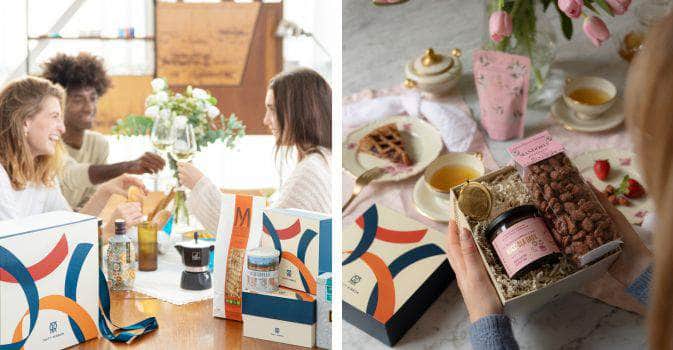
Understanding what distinguishes exceptional candy bars from ordinary options empowers you to make choices that bring genuine joy to yourself and those you care about. When you're ready to experience the difference that artisanal quality and Italian craftsmanship make, Tasty Ribbon offers carefully curated selections that connect you directly to Italy's finest chocolate makers. Every beautifully presented gift box tells a story of tradition, passion, and authentic Italian excellence that transforms simple gifts into unforgettable experiences.