There's a particular magic that happens when a family tends the same land for generations, growing wheat under the Italian sun, milling it in their own stone grinders, and transforming it into pasta within hours. This is the story of mancini penne, a pasta that carries the golden fields of Le Marche into your kitchen. Unlike mass-produced alternatives, this penne is born from a single farm where the Mancini family controls every step, from seed to package, creating a product that tastes unmistakably of wheat, earth, and tradition.
The Artisan Story Behind Mancini Penne
In the rolling hills of Monte San Pietrangeli, the Pastificio Mancini has been crafting pasta since 1938, but their approach differs fundamentally from conventional pasta makers. The Mancini family farms approximately 370 acres of durum wheat on their own estate, a rare practice in modern pasta production.
What makes their process unique:
- They cultivate their own durum wheat varieties
- Grain is milled fresh using traditional stone grinders
- Pasta production occurs within 24-48 hours of harvest
- Bronze dies create the signature rough texture
- Slow drying at low temperatures preserves flavor and nutrition
This farm-to-package philosophy means every piece of mancini penne contains only ingredients the family grows and controls. The wheat never leaves their property until it's transformed into finished pasta, ensuring complete traceability and exceptional quality standards that few producers can match.
Estate-Grown Wheat Makes the Difference
The foundation of outstanding pasta begins in the soil. Massimo Mancini, who leads the family operation today, explained in an interview with Compagnia Amatori della Pasta that their wheat benefits from the specific microclimate of Le Marche, the mineral-rich soil, and sustainable farming practices that prioritize quality over yield.
When you hold a piece of their penne, you're holding pasta made from wheat that grew within sight of the production facility. This proximity allows the Mancini family to mill their grain at peak freshness, capturing the full spectrum of flavor compounds and nutritional value that dissipate quickly after harvest.
The color tells the story immediately. Mancini penne displays a warm, natural ivory tone rather than the bright yellow of industrially processed pasta. This subtle hue comes from the wheat germ and bran particles retained during their gentle stone-milling process, which preserves the grain's inherent oils and proteins.
Cooking Mancini Penne to Perfection
Professional chefs understand that exceptional pasta requires adjusted cooking techniques. The Mancini family's production methods create a penne that behaves differently in boiling water compared to commercial brands, rewarding patience with superior texture and flavor.
According to the Pasta Mancini product catalog, their penne rigate requires approximately 11-12 minutes to reach perfect al dente texture. The extended cooking time reflects the pasta's density and the proteins' structure, which resist overcooking better than standard varieties.
Essential Cooking Guidelines
| Aspect |
Mancini Penne |
Standard Penne |
| Water ratio |
1 liter per 100g |
1 liter per 100g |
| Salt amount |
10g per liter |
10g per liter |
| Cooking time |
11-12 minutes |
8-9 minutes |
| Texture when done |
Firm, wheaty bite |
Softer, more yielding |
Step-by-step preparation:
- Bring abundant salted water to a rolling boil (never add oil)
- Add penne only when water reaches vigorous boil
- Stir immediately to prevent sticking
- Taste after 10 minutes, then every 30 seconds
- Reserve 1-2 cups pasta water before draining
- Never rinse; transfer immediately to sauce
The rough, porous surface created by bronze dies acts like tiny flavor hooks, grabbing and holding whatever sauce you prepare. This texture, combined with the pasta's substantial bite, means mancini penne stands up beautifully to robust preparations without becoming mushy or losing its wheaty character.
The Culinary Institute of America's teaching materials emphasize finishing pasta in the sauce pan rather than simply topping cooked pasta with sauce. This technique proves particularly effective with artisan varieties, allowing the penne to absorb flavors while maintaining structural integrity.
Nutritional Qualities and Glycemic Response
Beyond its exceptional taste, mancini penne offers nutritional advantages linked to its production methods. The minimal processing and retention of wheat germ contribute to a more complete nutritional profile than highly refined alternatives.
Research published in PMC's review of pasta glycemic index values demonstrates that pasta production methods significantly influence how our bodies process carbohydrates. Artisan pasta made with traditional techniques and dried slowly at low temperatures tends to produce lower glycemic responses compared to industrially manufactured versions.
Nutritional highlights per 100g dried pasta:
- Protein content approximately 13-14%
- Higher fiber from retained wheat components
- Natural wheat oils containing vitamin E
- Minerals including iron, magnesium, and selenium
- Complex carbohydrates that digest gradually
The slow drying process, which can extend over 36-48 hours at temperatures never exceeding 38°C (100°F), preserves the pasta's protein structure in ways that rapid, high-heat industrial drying cannot replicate. This structural difference affects not only texture but also how the body breaks down and absorbs nutrients.
Perfect Sauce Pairings for Mancini Penne
The substantial texture and pronounced wheat flavor of mancini penne creates a versatile canvas for countless preparations. While it excels with traditional Italian sauces, its robust character can support creative interpretations that might overwhelm delicate pasta varieties.
Classic Italian Preparations
Penne all'Arrabbiata remains the quintessential showcase for quality penne. The tubular shape captures the spicy tomato sauce, while the firm texture provides contrast to the silky, oil-enriched tomato base. The pasta's wheaty notes balance the heat from peperoncino, creating harmony rather than competition.
Penne with vodka sauce demonstrates how artisan pasta elevates familiar dishes. The cream and tomato emulsion clings to the rough surface, while the pasta's structure prevents the dish from becoming heavy or monotonous. Each bite delivers the sauce's richness alongside the pasta's satisfying chew.
For pesto preparations, whether traditional Genovese basil or creative variations, the penne's ridges trap herbs and nuts while the hollow center holds pools of the oil-based sauce. This geometry creates perfect flavor distribution impossible with smooth pasta shapes.
Contemporary Applications
Modern Italian cooking embraces seasonal vegetables, and mancini penne provides the foundation for countless vegetable-forward dishes. Roasted zucchini, eggplant, bell peppers, and cherry tomatoes tossed with olive oil and pecorino create satisfying meals where the pasta contributes genuine flavor rather than serving as mere vehicle.
Wine pairing considerations enhance the dining experience significantly. According to TastingTable's guide to wine pairings with pasta dishes, penne with tomato-based sauces pairs beautifully with Sangiovese or Chianti, while cream-based preparations call for fuller-bodied whites like Vermentino or Greco di Tufo.
| Sauce Type |
Recommended Wine |
Why It Works |
| Tomato-based |
Sangiovese, Chianti |
Acidity cuts richness, complements herbs |
| Cream-based |
Vermentino, Pinot Grigio |
Fresh wines balance richness |
| Spicy arrabbiata |
Primitivo, Nero d'Avola |
Fruit tempers heat, tannins cleanse palate |
| Pesto |
Vermentino, Sauvignon Blanc |
Herbal notes echo sauce flavors |
Mancini Penne in Italian Gift Giving
Thoughtful gift giving celebrates quality over quantity, and authentic artisan products communicate genuine care. Including mancini penne in curated Italian food gifts demonstrates knowledge of exceptional producers and appreciation for craftsmanship that transcends ordinary supermarket offerings.
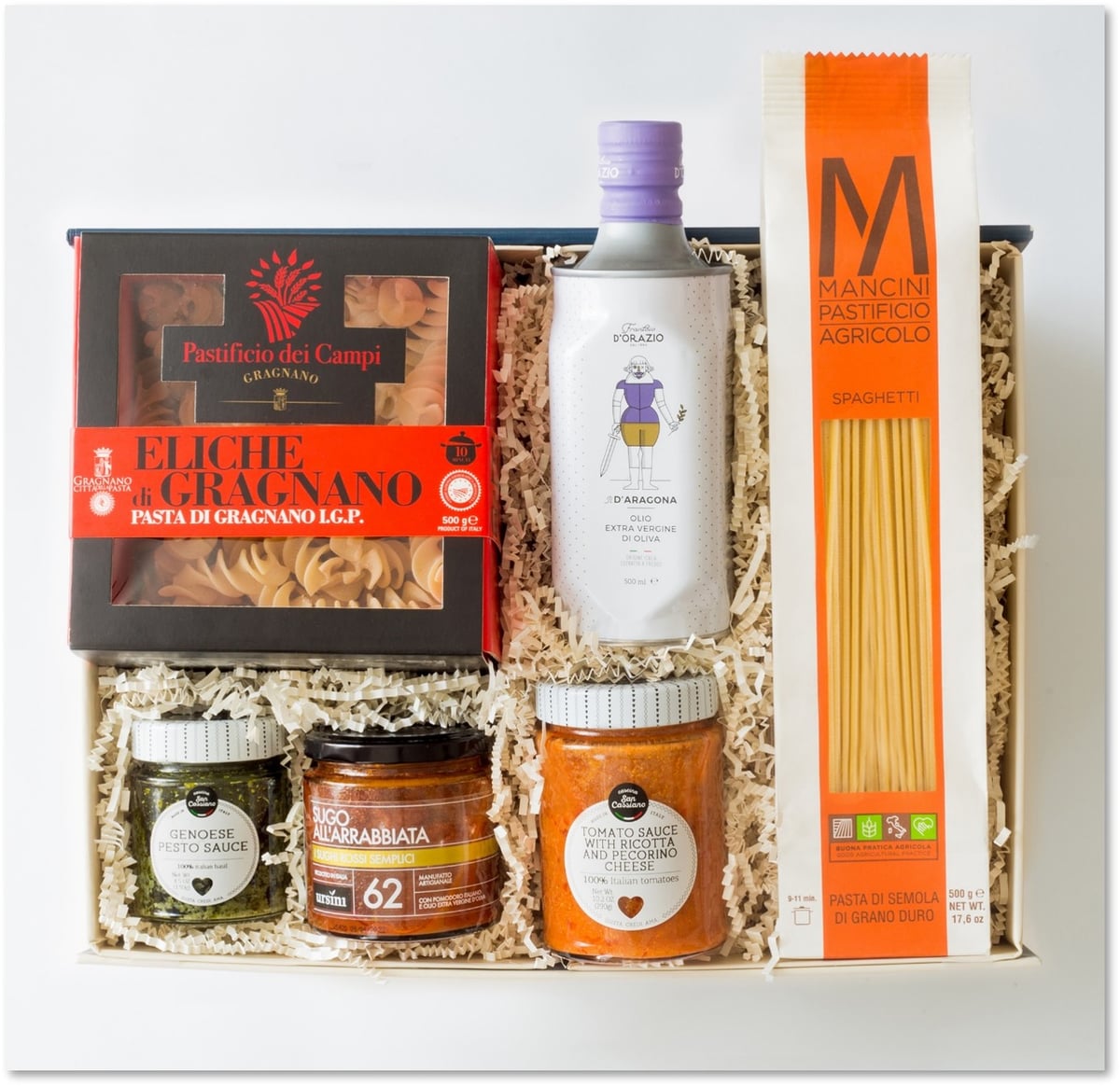
For those seeking to share authentic Italian culinary experiences, a selection featuring this artisan pasta alongside complementary ingredients creates memorable gifts. Pairing the penne with estate-produced olive oil, aged Parmigiano Reggiano, and authentic sauce transforms a simple meal into an exploration of Italian food culture, as showcased in thoughtfully assembled Italian artisan gift collections.
Building the Perfect Pasta Gift
Essential components for a complete pasta gift:
- Premium artisan pasta (mancini penne or similar quality)
- Extra virgin olive oil from a single estate
- Authentic Italian sauce (tomato-basil or pesto)
- Aged hard cheese (Parmigiano Reggiano or Pecorino Romano)
- Optional: dried pasta shape guide and recipe cards
The presentation matters enormously. Artisan products deserve thoughtful curation that respects their quality and tells their story. Including information about the producer's history, production methods, and suggested preparations transforms a collection of ingredients into an educational experience that deepens appreciation with every use.
For corporate gifting scenarios, artisan Italian products communicate sophistication and cultural awareness. Unlike generic gift baskets, carefully selected items from small producers demonstrate research, care, and genuine investment in creating meaningful connections.
Storing and Handling Artisan Pasta
Proper storage ensures mancini penne maintains its quality from purchase through preparation. While dried pasta enjoys remarkable shelf stability, artisan varieties benefit from mindful handling that preserves their distinctive characteristics.
Storage best practices:
- Keep in original packaging until opened
- Transfer to airtight containers after opening
- Store in cool, dark pantry away from heat sources
- Avoid exposure to humidity and temperature fluctuations
- Use within 2 years of production for optimal flavor
The official Pasta Mancini website provides detailed information about their production dates and recommended use periods. Unlike products loaded with preservatives, artisan pasta's quality depends entirely on natural wheat proteins and starches, which remain stable under proper conditions but can degrade when exposed to moisture or extreme temperatures.
Recognizing Quality Before Purchase
When selecting mancini penne or evaluating artisan pasta quality, certain visual and tactile indicators reveal production methods:
The pasta should display uniform color without dark spots or white streaks. Its surface should feel slightly rough, not glassy smooth. When held to light, quality penne shows slight translucency rather than opacity. The pasta should snap cleanly when broken, not crumble or bend.
Packaging information matters significantly. Look for production location, wheat sourcing details, and drying method descriptions. Artisan producers proudly share their processes, while industrial manufacturers often omit these specifics.
Regional Context and Culinary Heritage
Le Marche, the region producing mancini penne, occupies a unique position in Italian culinary geography. Situated along the Adriatic coast between Emilia-Romagna and Abruzzo, this area combines mountain agriculture with coastal influences, creating distinctive food traditions often overlooked in favor of more famous regions.
The pasta-making heritage here runs deep, supported by ideal wheat-growing conditions in the inland valleys. The climate provides warm, dry summers perfect for grain cultivation and traditional outdoor drying methods that some producers still employ for specialty batches.
Farm-Based Pasta Production Philosophy
The Mancini family's integrated approach represents a broader movement within Italian artisan food production. Controlling the entire supply chain allows producers to ensure quality at every stage while maintaining sustainable practices that support long-term land health.
This vertical integration model has historical precedent throughout Italian agriculture. Before industrialization separated farming from processing, most pasta makers sourced grain locally or grew their own. The Mancini family maintains this connection, viewing pasta production as inseparable from agricultural stewardship.
The benefits extend beyond quality control. By eliminating intermediaries, the family captures more value from their work while maintaining direct accountability for every product bearing their name. This business model supports the rural economy, preserves traditional farming knowledge, and delivers exceptional products to discerning consumers.
Comparing Mancini Penne to Other Premium Brands
The artisan pasta landscape includes numerous excellent producers, each bringing distinct characteristics shaped by their wheat sources, processing methods, and regional traditions. Understanding these differences helps consumers make informed choices aligned with their preferences and cooking applications.
Key differentiators among premium pasta brands:
-
Wheat sourcing: Estate-grown versus purchased from select farms
-
Milling method: Stone grinding versus modern roller mills
-
Die material: Bronze (rough texture) versus Teflon (smooth finish)
-
Drying time: 36-72 hours low-temperature versus rapid high-heat
-
Production scale: Small-batch artisan versus premium industrial
Mancini penne distinguishes itself primarily through complete vertical integration. While brands like Rustichella d'Abruzzo or Benedetto Cavalieri produce exceptional pasta using traditional methods, they source wheat from multiple farms. The single-estate approach gives Mancini unprecedented control over grain quality and consistency.
The texture also sets it apart. The combination of stone-ground flour, bronze dies, and extended slow drying creates a particularly rough, porous surface that grips sauce tenaciously. Some tasters describe it as "wheaty" or "nutty," with more pronounced grain flavor than smoother alternatives.
Cooking Demonstrations and Educational Value
Sharing knowledge about artisan ingredients enhances appreciation and creates memorable experiences. Hosting informal pasta cooking sessions, whether for friends, family, or colleagues, transforms premium ingredients into educational opportunities that deepen cultural understanding.
Elements of an engaging pasta demonstration:
- Display raw ingredients with origin stories
- Demonstrate proper water-to-pasta ratios and salting
- Explain al dente texture through tasting at intervals
- Show sauce finishing techniques
- Discuss regional traditions and producer backgrounds
For those interested in exploring Italian pasta traditions more deeply, consider pairing mancini penne with other artisan products from complementary regions. Wide pasta varieties from different areas of Italy showcase the country's remarkable diversity in shapes, textures, and traditional applications.
The educational aspect extends beyond cooking technique to encompass broader themes of food sustainability, agricultural heritage, and the value of supporting small producers. These conversations resonate particularly well in gift-giving contexts, where the story behind products adds emotional significance to practical items.
Seasonal Considerations and Menu Planning
Mancini penne's substantial character adapts beautifully across seasons, supporting both light summer preparations and hearty winter dishes. Planning menus around seasonal ingredients while featuring quality artisan pasta creates harmonious meals that respect natural rhythms.
Spring and summer applications:
- Fresh pea and mint pesto with lemon zest
- Cherry tomato and basil with burrata
- Grilled vegetable medley with herbs
- Light seafood with white wine and garlic
- Cold pasta salads with vegetables and vinaigrette
Fall and winter preparations:
- Sausage and broccoli rabe with garlic
- Mushroom ragù with porcini and cream
- Butternut squash with sage brown butter
- Short rib ragù with red wine reduction
- Cauliflower and pancetta with pecorino
The pasta's firm texture means it holds up exceptionally well in both hot and cold applications. For summer gatherings, penne salad prepared with quality ingredients and allowed to marinate overnight develops complex flavors while maintaining pleasant chew, never becoming mushy or waterlogged.
Discovering authentic artisan pasta like mancini penne opens doors to deeper appreciation of Italian culinary traditions and the dedicated producers who maintain centuries-old practices. Whether you're preparing a simple weeknight dinner or planning a special celebration, quality ingredients transform ordinary meals into memorable experiences. Tasty Ribbon curates exceptional Italian artisan products perfect for sharing these discoveries, offering thoughtfully assembled gift collections that connect you to Italy's finest small producers and their time-honored craftsmanship.