Best pasta I’ve ever had and the only pasta I purchase now.
A delicious mild acacia honey well packed for shipping as well


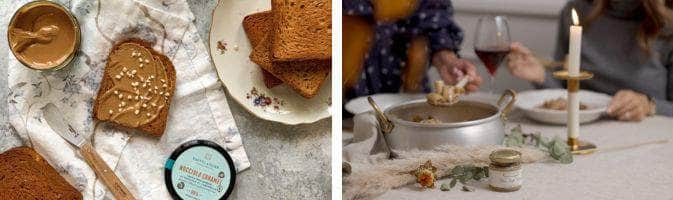
There's a particular magic in unwrapping a food gift. Unlike flowers that fade or candles that burn out, top rated food gifts create moments of shared joy around the table. They tell stories of distant orchards, family recipes passed through generations, and artisans who still craft by hand. Whether you're celebrating a milestone, thanking a colleague, or simply wanting to brighten someone's day, the right gourmet gift transforms an ordinary afternoon into something memorable. Let me take you through what makes certain food gifts rise above the rest, and how to choose offerings that will genuinely delight.
The difference between a forgettable gift basket and one that people remember years later comes down to intention. Top rated food gifts share several key characteristics that set them apart in a crowded marketplace.
Authenticity matters most. The best food gifts tell a story of origin. They come from specific places, made by specific people using time-honored methods. When you open a jar of Ligurian pesto, you should taste the microclimate of those coastal hillsides. Quality certifications like DOP and IGP guarantee this authenticity, ensuring products meet strict regional standards.
Consider these elements when evaluating gourmet gifts:
The packaging itself serves as the first chapter of the story. Thoughtful presentation signals that someone cared enough to choose something special. According to PureWow's comprehensive gift guide, presentation has become increasingly important to consumers seeking Instagram-worthy moments.
Italy has perfected the art of transforming simple ingredients into transcendent experiences. This isn't about complicated techniques or exotic components. It's about respect for tradition, patience, and an almost spiritual connection to the land.
Walk through any Italian market and you'll encounter products that have been made the same way for centuries. Parmigiano Reggiano aged in climate-controlled caves. Extra virgin olive oil from groves planted by great-grandparents. Balsamic vinegar that has spent decades maturing in wooden barrels. These aren't just foods; they're edible history.
| Region | Specialty | What Makes It Special |
|---|---|---|
| Puglia | Extra virgin olive oil | Ancient olive groves, peppery finish |
| Piedmont | Hazelnuts (Tonda Gentile) | Sweetness, perfect for chocolate |
| Amalfi Coast | Artisanal pasta | Bronze-die cut, slow-dried |
| Sicily | Citrus preserves | Volcanic soil, intense flavor |
| Emilia-Romagna | Aged Parmigiano Reggiano | 24+ months aging, crystalline texture |
The Kitchn's exploration of fancy grocery gifts emphasizes how regional specificity elevates a gift from good to exceptional. When you gift someone a product from a specific Italian region, you're sharing a piece of that landscape.
The most impressive top rated food gifts don't just gather random products in a box. They create a complete experience, offering everything needed for a specific moment or meal.
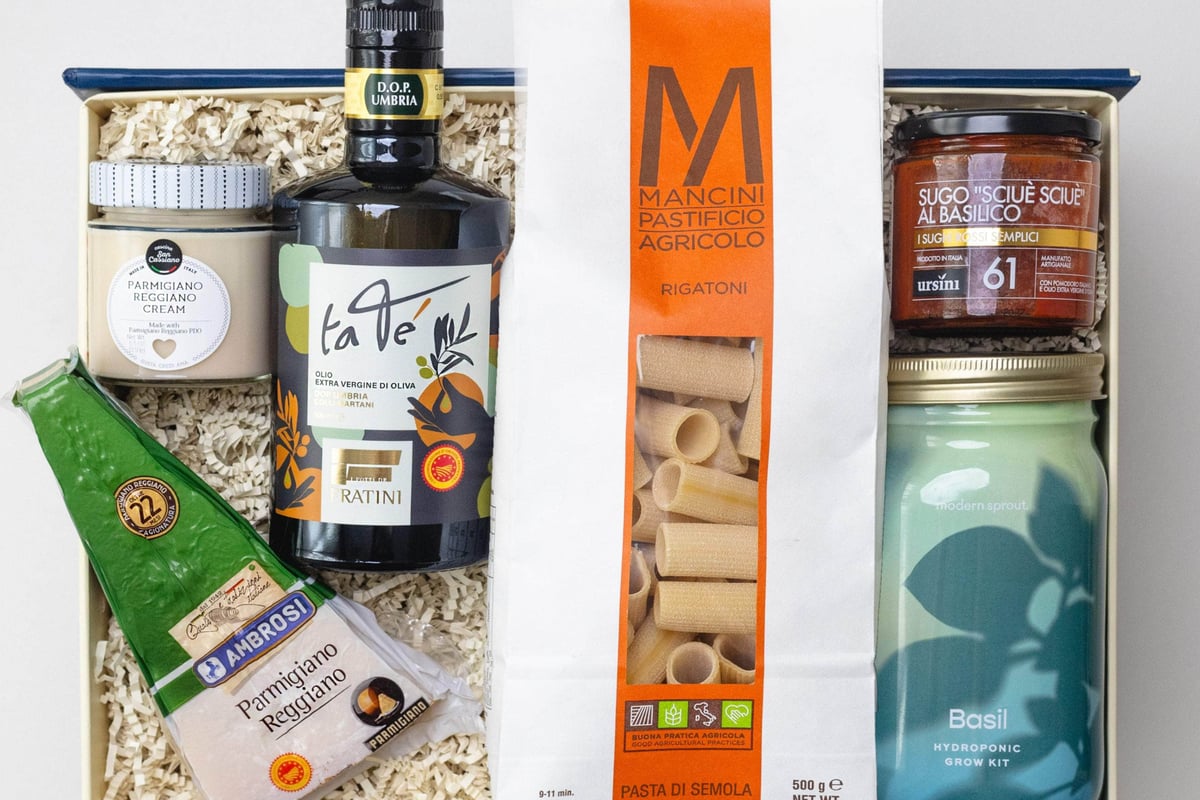
Think about a pasta dinner kit that includes not just dried pasta, but the perfect sauce, aged cheese for grating, and finishing olive oil. Or a breakfast collection with freshly ground coffee, artisanal preserves, and something sweet to accompany that first sip. These thoughtful combinations show you've considered how the recipient will actually use these items.
When exploring various gift box ideas, consider how products work together. A beautiful olive oil deserves excellent bread. Truffle products pair magnificently with simple pasta. Honey needs something to accompany it, whether shortbread or a special cheese.
Context shapes every successful gift. What works beautifully for a housewarming might feel completely wrong for a corporate thank-you. Understanding these nuances separates thoughtful gift-givers from those who grab whatever's convenient.
For professional settings, sophistication and neutrality matter most. Corporate food gifts should be elegant without being overly personal, substantial without seeming excessive. Think classic Italian specialties like premium olive oils, aged balsamic vinegars, or artisan pasta collections. These items communicate good taste while remaining appropriate for business relationships.
Romantic celebrations call for indulgence and sensory pleasure. According to WIRED's food gift guide, chocolate consistently ranks among the most appreciated gifts for Valentine's Day and anniversaries. But not just any chocolate works here. Look for single-origin varieties, unusual flavor combinations, or artisanal truffles that melt on the tongue.
Family gatherings benefit from shareable items that bring people together. Consider products that encourage communal experiences: a selection of cured meats and cheeses, dipping oils with fresh bread, or a complete meal kit that feeds everyone.
Not all gourmet gifts deliver on their promises. Knowing what to look for helps you avoid disappointment and ensures your gift reflects the care you put into choosing it.
Read labels carefully. Ingredient lists tell you everything. The best products contain recognizable ingredients you could source yourself. If a jarred tomato sauce lists fresh tomatoes, basil, olive oil, and salt, you know you're getting something real. When the ingredient list reads like a chemistry experiment, walk away.
| Warning Signs | Positive Indicators |
|---|---|
| Long ingredient lists with preservatives | Short lists with recognizable items |
| "Product of multiple countries" | Specific regional designation |
| Artificial flavors or colors | Natural ingredients only |
| Generic packaging | Information about makers/producers |
| Rock-bottom pricing | Fair pricing reflecting quality |
Certifications matter. Look for designations like DOP (Protected Designation of Origin) or IGP (Protected Geographical Indication). These aren't marketing gimmicks. They're legal guarantees that products meet specific traditional standards and come from designated regions.
Forbes' guide to gifts for foodies notes that educated consumers increasingly seek these certifications, recognizing them as markers of authenticity.
The question isn't whether to spend more, but whether you're getting genuine value for your investment. Top rated food gifts exist across all price ranges, but understanding what you're paying for helps make informed choices.
A jar of supermarket marinara costs four dollars. An authentic Italian tomato and basil sauce from a small producer might cost fifteen. What accounts for this difference? The supermarket version uses tomato paste, water, and flavor enhancers. The artisan version uses vine-ripened San Marzano tomatoes, cold-pressed olive oil, and fresh basil. You're paying for real ingredients and traditional methods.
Labor intensity significantly impacts price. Hand-harvested ingredients cost more than machine-harvested ones. Products made in small batches require more human attention than factory production. This isn't markup; it's fair compensation for skilled work.
Economies of scale work differently for artisanal products. Large companies spread costs across millions of units. Small producers can't do this, which is why their products cost more per ounce. Reviewed's comprehensive guide emphasizes that price per serving, not per package, better reflects actual value.
When you choose luxury gift packages, you're investing in an experience that extends beyond the moment of unwrapping.
Food gifts must accommodate increasingly diverse dietary needs. The best gift-givers consider these preferences without making recipients feel singled out or limited.
Plant-based eating has moved from niche to mainstream. Fortunately, Italian cuisine offers abundant naturally vegan options. Exceptional olive oils, artichoke spreads, sun-dried tomato tapenades, and quality pasta all fit vegan diets perfectly. The key is highlighting these products' inherent deliciousness rather than positioning them as substitutes for something else.
Creating gifts that work for various dietary needs requires thoughtfulness, not compromise. Many top-rated products naturally accommodate restrictions:
For those with vegan preferences, curated collections like Think Vegan demonstrate how plant-based eating embraces abundance rather than restriction, featuring items like truffle potato chips, artichoke spreads, and premium olive oils that celebrate flavor above all.
Allergies require extra attention. When gifting to someone with serious food allergies, choose single-ingredient products or clearly labeled items from facilities that handle allergens carefully. This shows respect and consideration.
Generic gift baskets feel impersonal because they are. The most memorable top rated food gifts reflect genuine understanding of the recipient's tastes, cooking style, and lifestyle.
Customization doesn't mean adding a monogrammed napkin to a standard box. It means building something specifically for this person. Maybe they love cooking but work long hours-choose items that deliver restaurant-quality results with minimal effort. Perhaps they're adventurous eaters who seek unusual flavors-include something they've never encountered.
Ask subtle questions. Listen when people mention favorite meals, cooking challenges, or ingredients they've been wanting to try. These conversations provide valuable insights without ruining the surprise.
Consider their kitchen reality. Someone in a tiny apartment with minimal cooking equipment needs different gifts than someone with a fully equipped kitchen. Shelf-stable items work better for those who travel frequently. Fresh items suit homebodies who cook regularly.
The beauty of customizable gift options lies in their flexibility. You're not forcing someone to accept items they won't enjoy. You're creating something that feels designed specifically for them.
Certain foods taste better at specific times of year, and the best gifts honor these natural rhythms. Summer calls for bright flavors-citrus preserves, herb-infused oils, light vinaigrettes. Winter demands richness-aged cheeses, hearty pasta sauces, dark chocolate.
Holiday gifting presents both opportunities and challenges. Everyone receives gifts during major holidays, which means yours needs to stand out. The solution isn't spending more. It's choosing more thoughtfully.
| Season | Ideal Gifts | Why They Work |
|---|---|---|
| Spring | Fresh preserves, floral honeys, light pasta sauces | Bright flavors match seasonal mood |
| Summer | Grilling oils, aperitivo items, citrus products | Support outdoor entertaining |
| Fall | Truffle products, aged vinegars, hearty sauces | Rich flavors for cozy meals |
| Winter | Chocolate, warming spices, comfort foods | Indulgent treats for cold weather |
Non-December giving often creates more impact. A beautiful food gift in March or July feels unexpected and therefore more special. It shows you thought about the person specifically, not just during obligatory gift-giving season.
The Kitchn's diverse selection demonstrates how different products suit different moments throughout the year.
The moment someone opens a gift matters almost as much as what's inside. Beautiful presentation builds anticipation and communicates care. This doesn't require elaborate ribbon work or expensive materials. It requires attention to detail.
Protective packaging serves a purpose beyond preventing breakage. It shows you considered the gift's journey from your hands to theirs. Glass jars arrive wrapped individually. Delicate items nestle in protective materials. Everything feels secure and intentional.
Think about the unboxing sequence. What do they see first? How do items reveal themselves? The best presentations unfold like chapters in a book, with each layer offering new discoveries.
When someone receives a gift where every detail has been considered, from the outer packaging to the placement of each item inside, they recognize the thought invested. This elevates even modest gifts into memorable experiences.
Where your money goes matters. Choosing top rated food gifts from small, independent producers supports traditional crafts and sustainable practices. These aren't abstract benefits. They're tangible impacts on real communities.
Small-batch production allows for quality control impossible in industrial settings. When one person oversees every stage of production, from sourcing ingredients to final packaging, consistency and excellence follow naturally. These producers stake their reputations on every jar, bottle, or package.
Fair pricing in artisanal food markets reflects true costs: quality ingredients, skilled labor, appropriate aging time, sustainable practices. When you pay more for a product from a small producer, that money goes directly to supporting their craft and livelihood.
Purchasing from ethical sources creates positive change:
These considerations align perfectly with Italian food culture, where many products still come from multi-generational family businesses using traditional recipes and methods.
The practicality of getting food gifts safely to their destination deserves serious consideration. Even the most exquisite products lose their appeal if they arrive broken, melted, or spoiled.
Temperature sensitivity affects many gourmet items. Chocolate melts. Certain cheeses require refrigeration. Some products degrade in heat or extreme cold. Reliable companies use appropriate shipping methods and timing to protect products during transit.
Customs regulations complicate international gifting. Different countries maintain different rules about importing food products. Understanding these restrictions prevents disappointment and wasted money. Working with companies experienced in international shipping eliminates most headaches.
Selecting top rated food gifts requires balancing quality, thoughtfulness, and presentation to create experiences that resonate long after the last bite. Whether you're celebrating relationships, marking milestones, or simply spreading joy, authentic artisanal products transform ordinary moments into cherished memories. Tasty Ribbon curates exceptional Italian gourmet gifts that connect you to centuries of tradition, offering both ready-made collections and customizable options that let you create something perfectly suited to your recipient's tastes and preferences.