The first time I tasted truly exceptional white chocolate, I was in a small chocolatier's workshop in Tuscany, watching a master artisan temper ivory ribbons of cocoa butter into silky perfection. That moment transformed my understanding of what this confection could be. While often dismissed as chocolate's sweeter sibling, white chocolate deserves recognition as a sophisticated creation in its own right, particularly when crafted by artisans who understand the delicate balance of quality ingredients and precise technique. In Italy, where food tradition meets innovation, chocolatiers have elevated this creamy confection into an art form worthy of celebration.
The Italian Perspective on White Chocolate Craftsmanship
Italian artisans approach white chocolate with the same reverence they bring to crafting aged Parmigiano Reggiano or hand-rolling fresh pasta. The difference lies in their unwavering commitment to quality ingredients and traditional methods, even as they push creative boundaries.
Understanding What Makes It Special
True white chocolate contains three essential components: cocoa butter, milk solids, and sugar. The absence of cocoa solids gives it that characteristic ivory color and delicate flavor profile. Premium versions crafted by Italian chocolatiers use single-origin cocoa butter, which imparts subtle flavor notes reminiscent of the cacao's terroir.
The global white chocolate market continues to expand as consumers discover artisanal offerings that transcend mass-market sweetness. Italian producers stand at the forefront of this movement, creating confections that balance richness with refinement.
Key quality indicators include:
- Pure cocoa butter content (minimum 20%)
- Fresh, high-quality milk powder
- Natural vanilla from Madagascar or Tahiti
- Absence of vegetable oils or artificial additives
When you encounter authentic Italian white chocolate, you'll notice the difference immediately. It melts smoothly on your tongue, releasing layers of buttery sweetness with hints of cream and vanilla, never cloying or waxy.
Regional Italian Traditions in Chocolate Making
Italy's chocolate heritage spans centuries, with each region contributing unique perspectives to the craft. From the Alps to Sicily, local ingredients and cultural influences shape how artisans interpret this beloved confection.
Northern Excellence
In Piedmont, chocolatiers combine white chocolate with the region's prized Tonda Gentile hazelnuts, creating harmonies of texture and flavor. The town of Alba, famous for its truffles, has also become a destination for chocolate enthusiasts seeking artisanal gourmet chocolate gift boxes that showcase regional expertise.
Turin's chocolate houses maintain traditions dating back to the 18th century, when chocolate first arrived in Italian courts. These master craftsmen understand that quality begins with ingredient selection-using Alpine milk and carefully sourced cocoa butter to create products that honor their heritage.
| Region |
Signature Style |
Key Ingredients |
| Piedmont |
Hazelnut combinations |
Tonda Gentile hazelnuts, Alpine milk |
| Tuscany |
Minimalist elegance |
Single-origin cocoa butter, sea salt |
| Sicily |
Bold flavor pairings |
Pistachios, citrus, honey |
The Tuscan Approach
Tuscan chocolatiers embrace simplicity, allowing premium ingredients to shine. At establishments like Vestri, master artisans create white chocolate that captures the essence of their philosophy: less is more when you start with excellence.
Walking through a Florentine chocolate workshop reveals the meticulous attention required. Temperature control, timing, and technique all influence the final product's texture and taste. The artisan's hands move with practiced confidence, tempering and molding with an intuition developed over decades.
Pairing White Chocolate with Italian Flavors
The versatility of white chocolate makes it an ideal canvas for Italy's diverse flavor palette. Artisans across the country experiment with combinations that honor tradition while surprising the palate.
Savory Meets Sweet
Italian chocolatiers have pioneered unexpected pairings that challenge conventional thinking:
-
Extra virgin olive oil drizzle - Premium Tuscan oil adds fruity notes and complexity
-
Sea salt from Trapani - Sicilian salt crystals create contrast and depth
-
Balsamic reduction - Aged Modena balsamic brings tangy sophistication
-
Fresh herbs - Rosemary, basil, or lavender infuse aromatic subtlety
-
Cheese integration - Pecorino or ricotta creates surprising harmony
These combinations might sound unusual, but they reflect the Italian culinary principle of balancing opposing elements to create something greater than the sum of parts. The premium and artisanal products driving market growth often feature these innovative flavor profiles.
Nut and Fruit Harmonies
Classic pairings remain popular because they work beautifully. White chocolate's creamy sweetness complements:
-
Pistachios from Bronte - Sicily's volcanic soil produces intensely flavored nuts
-
Dried figs - Natural sweetness and chewy texture provide contrast
-
Candied orange peel - Citrus brightness cuts through richness
-
Amarena cherries - Tart preserved cherries add sophisticated complexity
When crafting festive gift baskets, these combinations offer recipients an opportunity to experience Italian creativity and craftsmanship through thoughtfully curated selections.
The Art of Gifting Italian White Chocolate
In Italian culture, food gifts carry deep meaning. They represent thoughtfulness, an appreciation for quality, and a desire to share joy. White chocolate, with its celebratory elegance, fits perfectly into this tradition.
Occasions That Call for Chocolate
Italians mark life's moments with culinary traditions. White chocolate plays a role in many celebrations:
Spring and Summer Events:
- First Communion gifts wrapped in delicate packaging
- Wedding favors featuring personalized chocolate creations
- Mother's Day tributes showcasing floral-infused varieties
Autumn and Winter Gatherings:
- Christmas celebrations with spiced white chocolate variations
- Corporate appreciation gifts that convey sophistication
- New Year's tokens symbolizing sweet beginnings
The thoughtfulness behind selecting quality chocolate demonstrates respect for the recipient. European traditions, including those from Alpine regions where chocolate-making flourishes, emphasize this gift-giving philosophy.
Presentation Matters
Italian artisans understand that visual beauty enhances the tasting experience. Packaging reflects the care invested in creation:
- Hand-wrapped boxes with silk ribbons
- Embossed paper featuring artisan marks
- Sustainable materials that honor environmental values
- Color palettes evoking Italian landscapes
When you present a carefully selected chocolate gift, you're sharing more than confection-you're offering an experience that engages all senses and creates lasting memories.
Health Considerations and Modern Trends
While white chocolate is undeniably indulgent, understanding its composition helps make informed choices. The evolving white chocolate market reflects growing consumer interest in transparent sourcing and ingredient quality.
Nutritional Profile
White chocolate differs nutritionally from dark chocolate due to its composition:
| Component |
Benefit |
Consideration |
| Cocoa butter |
Contains healthy fats, antioxidants |
Higher calorie density |
| Milk solids |
Provides calcium and protein |
Lactose content for sensitive individuals |
| Sugar |
Quick energy source |
Moderation recommended |
Artisanal producers increasingly offer variations addressing dietary preferences:
- Organic certified options using sustainable ingredients
- Reduced sugar versions maintaining flavor integrity
- Lactose-free alternatives using high-quality substitutes
- Vegan interpretations with plant-based milk alternatives
The Rise of Conscious Indulgence
Modern consumers seek treats that align with their values. Italian chocolatiers respond by sourcing cocoa butter from ethical suppliers, supporting fair trade practices, and minimizing environmental impact through sustainable packaging.
This shift toward conscious consumption doesn't diminish the joy of indulgence-it enhances it. Knowing your chocolate was crafted with integrity makes each bite more satisfying. The projected market growth to USD 24.35 billion by 2030 reflects this evolution in consumer preferences.
Storing and Serving Like an Italian
Proper storage and presentation maximize your enjoyment of fine white chocolate. Italian traditions offer guidance on treating these delicate creations with appropriate care.
Optimal Storage Conditions
White chocolate's high cocoa butter content makes it sensitive to temperature fluctuations and odors:
-
Temperature: Store between 60-68°F (15-20°C)
-
Humidity: Maintain below 50% to prevent sugar bloom
-
Light exposure: Keep in dark conditions to preserve flavor
-
Airtight containers: Protect from absorbing surrounding aromas
-
Separation: Store away from pungent foods like cheese or spices
Italian chocolatiers recommend wrapping pieces in parchment paper before placing them in containers. This traditional method prevents condensation while maintaining freshness.
Serving Suggestions
Presentation elevates the tasting experience. Consider these Italian-inspired approaches:
For intimate gatherings, arrange chocolate pieces on ceramic plates alongside:
- Fresh berries dusted with powdered sugar
- Tiny cups of espresso for flavor contrast
- Dessert wine such as Vin Santo or Moscato d'Asti
- Delicate biscotti for textural variety
For special occasions, create chocolate stations featuring:
- Multiple artisan varieties for comparison tasting
- Flavor notes describing each piece's origin and characteristics
- Palate cleansers like sparkling water or green apple slices
- Small notecards explaining the artisan's story
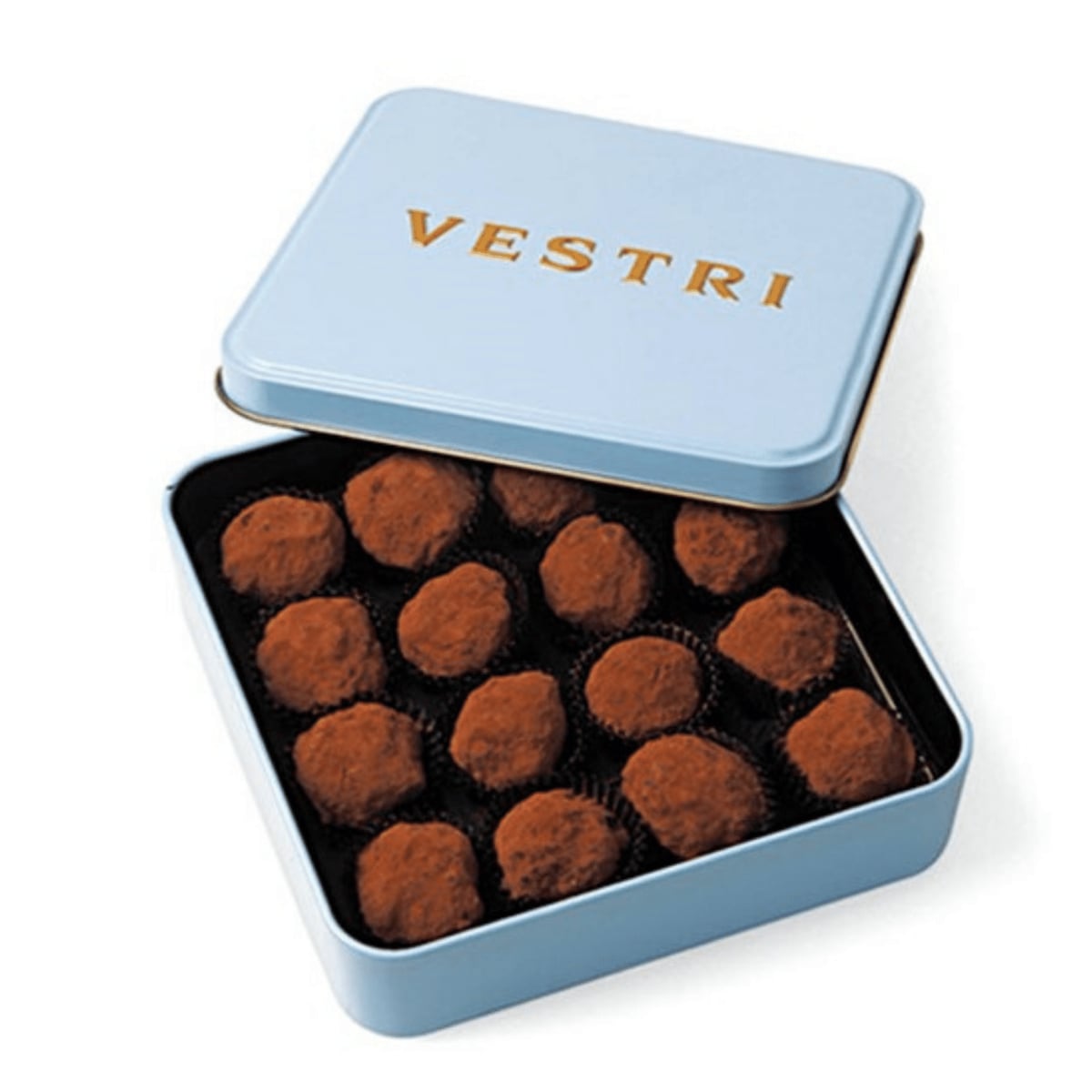
For those who appreciate refined Italian chocolate craftsmanship, exceptional creations like the Chocolate Truffles from Vestri represent the pinnacle of this art form. Made with Piedmont's prized hazelnuts, these truffles demonstrate how quality ingredients and expert technique create truly memorable confections.
Seasonal Variations and Limited Editions
Italian chocolatiers celebrate the rhythm of seasons through limited-edition creations that capture fleeting moments and flavors. This practice honors the agricultural calendar and creates anticipation among enthusiasts.
Spring Awakening
As markets fill with fresh herbs and early fruits, chocolatiers incorporate seasonal elements:
- White chocolate infused with lemon verbena
- Elderflower essence creating delicate floral notes
- Fresh mint from Ligurian gardens
- Wild strawberry combinations
Summer Brightness
Warmer months inspire lighter, refreshing interpretations:
- Citrus-forward creations using Amalfi lemons
- Lavender from Tuscan hillsides
- Peach and apricot from southern orchards
- Coconut variations evoking Mediterranean beaches
Autumn Richness
Harvest season brings deeper, more complex flavors:
- Chestnut honey drizzled varieties
- Fig and walnut combinations
- Pumpkin spice interpretations
- Apple and cinnamon pairings
Winter Indulgence
Cold weather calls for warming spices and festive touches:
- Cardamom and vanilla bean infusions
- Candied ginger pieces
- Panettone-inspired flavor profiles
- Mulled wine reductions
The market's expansion reflects consumer appetite for these innovative seasonal offerings that maintain quality standards while exploring creative possibilities.
Discovering Artisan Producers
Supporting small-batch chocolatiers preserves traditional craftsmanship while encouraging innovation. These artisans pour passion and expertise into every creation, producing confections that mass manufacturers cannot replicate.
What Defines an Artisan
True artisans distinguish themselves through several characteristics:
Commitment to Craft:
- Small-batch production ensuring quality control
- Hand-crafted techniques passed through generations
- Direct relationships with ingredient suppliers
- Continuous experimentation and refinement
Transparency:
- Clear ingredient sourcing information
- Production methods openly shared
- Family stories and workshop histories
- Educational initiatives for customers
Building Relationships
Discovering your favorite artisan creates an ongoing relationship that enriches both parties. You gain access to limited productions and insider knowledge, while artisans receive feedback and loyal support.
Many Italian chocolatiers welcome visitors to their workshops, offering tastings and demonstrations. These experiences transform chocolate from commodity to craft, deepening appreciation for the skill involved.
When selecting good foodie gifts, choosing artisan chocolate supports cultural preservation while delighting recipients with exceptional quality.
The Future of White Chocolate in Italian Cuisine
Innovation continues while respecting tradition. Italian chocolatiers experiment with techniques and ingredients that expand possibilities without abandoning core principles of quality and craftsmanship.
Emerging Trends
Several developments are reshaping how artisans approach this confection:
Ingredient Innovation:
- Ancient grain inclusions like farro or spelt
- Superfoods such as matcha or acai
- Regional honey varieties adding terroir-specific notes
- Heirloom nut varietals offering unique flavors
Technique Evolution:
- Molecular gastronomy applications creating new textures
- Temperature manipulation producing unexpected mouthfeel
- Fermentation processes deepening complexity
- Collaboration with chefs pushing boundaries
Sustainability Focus:
- Zero-waste production methods
- Compostable packaging solutions
- Local sourcing reducing carbon footprint
- Supporting biodiversity through ingredient choices
The global market analysis indicates that premiumization and artisanal offerings will continue driving growth, validating Italian artisans' dedication to excellence.
Technology Meets Tradition
Modern tools enable artisans to achieve greater precision while maintaining hand-crafted quality. Temperature-controlled tempering machines ensure consistency, while traditional molding and finishing techniques preserve individual character.
This balance between innovation and tradition defines contemporary Italian chocolate making. Artisans embrace helpful technologies while refusing to sacrifice the human touch that makes their products special.
Creating Memorable Chocolate Experiences
Beyond tasting, white chocolate offers opportunities for creating shared experiences that strengthen connections and build lasting memories. Italians excel at transforming simple pleasures into meaningful moments.
Hosting a Chocolate Tasting
Organize intimate gatherings centered on appreciation and discovery:
Preparation steps:
- Select 4-6 artisan varieties showcasing different styles
- Provide tasting notes describing origin and composition
- Offer palate cleansers between samples
- Create comfortable seating encouraging conversation
- Prepare complementary beverages
Tasting sequence:
- Begin with subtle, delicate flavors
- Progress toward more intense combinations
- Save unique or experimental pieces for conclusion
- Encourage sharing impressions and preferences
- Discuss artisan stories and production methods
These gatherings celebrate quality, craftsmanship, and community-values central to Italian culture.
Educational Opportunities
Learning about chocolate production deepens appreciation. Consider:
- Virtual workshops with Italian chocolatiers
- Documentary viewings about craft chocolate movement
- Recipe development using quality chocolate
- Visits to specialty retailers offering artisan selections
- Subscription services introducing new artisans monthly
The chocolate lovers collection provides excellent starting points for exploration, offering curated selections that showcase Italian excellence.
White Chocolate in Professional Settings
Quality chocolate serves important roles beyond personal enjoyment. Businesses increasingly recognize its value for building relationships and expressing appreciation.
Corporate Gifting
Thoughtful chocolate gifts communicate professionalism and good taste:
Ideal occasions include:
- Client appreciation during holiday season
- Milestone celebrations and anniversaries
- Welcome packages for new partnerships
- Thank you gestures after successful projects
- Conference or event hospitality gifts
Selecting artisan chocolate over generic options demonstrates attention to detail and respect for recipients. The presentation quality reflects your brand values and commitment to excellence.
Creating Lasting Impressions
First impressions matter in business relationships. Premium chocolate gifts establish positive associations:
- Sophistication without ostentation
- Quality that recipients notice and remember
- Cultural appreciation through artisan selection
- Personal touch through thoughtful curation
For those seeking corporate gift boxes for clients, Italian artisan chocolate offers elegant solutions that strengthen professional relationships while celebrating shared success.
White chocolate, when crafted by skilled Italian artisans, transcends its reputation as merely sweet indulgence to become an expression of cultural values, technical mastery, and creative vision. From the careful selection of premium cocoa butter to the thoughtful pairing with regional ingredients, every aspect reflects a commitment to excellence that defines Italian craftsmanship. Whether you're discovering artisan varieties for personal enjoyment, creating memorable tasting experiences with friends, or selecting meaningful gifts that express appreciation, the world of Italian white chocolate offers endless opportunities for connection and delight. Tasty Ribbon connects you with these exceptional artisans, curating selections that bring the heart of Italy's chocolate tradition directly to your door, transforming every gift into a celebration of quality, authenticity, and the joy of sharing something truly special.