There's something utterly transformative about watching golden egg pasta ribbons unfurl from a grandmother's hands in an Emilian kitchen. The silky dough, enriched with farm-fresh eggs, becomes more than sustenance. It becomes memory, heritage, and connection. For centuries, Northern and Central Italian families have gathered around tables laden with these luminous strands, each bite a testament to patience, skill, and the generous spirit of Italian cooking. Today, this same tradition lives on through artisan pasta makers who honor time-tested techniques while bringing authentic Italian flavors to tables worldwide.
The Heritage and Heart of Traditional Egg Pasta
The story of egg pasta begins in the fertile plains of Northern Italy, where climate and geography created the perfect conditions for wheat cultivation and livestock farming. Unlike the semolina-and-water pasta traditions of Southern Italy, the cooler northern regions developed a pasta enriched with eggs. This wasn't mere preference. It was necessity transformed into art.
Emilia-Romagna stands as the undisputed queen of egg pasta tradition. Here, the sfogline (pasta-making grandmothers) have preserved techniques passed down through generations. Their rolling pins, often longer than a meter, transform simple flour and eggs into sheets so thin you can read a newspaper through them. This dedication to craft isn't nostalgia. It's a living practice that defines regional identity.
Regional Variations Across Italy's Heartland
Each region stamps its personality onto egg pasta through shape, thickness, and traditional pairings:
-
Emilia-Romagna: Home to tagliatelle, tortellini, and lasagne
-
Tuscany: Famous for pappardelle, wide ribbons perfect for wild boar ragù
-
Piedmont: Creates delicate tajarin, enriched with extra egg yolks
-
Marche: Produces vincisgrassi, a luxurious layered pasta dish
-
Lombardy: Crafts pizzoccheri, buckwheat pasta ribbons
The geographical distribution of egg pasta traditions reflects historical wealth and agricultural patterns. Regions with abundant wheat and access to eggs naturally developed richer pasta styles, while coastal and southern areas favored simpler durum wheat preparations.
Understanding What Makes Egg Pasta Distinctive
At its core, egg pasta consists of just two ingredients: flour and eggs. Yet this simplicity masks remarkable complexity. The ratio matters enormously. Traditional recipes call for approximately 100 grams of flour per egg, though some sfogline adjust based on humidity, flour protein content, and even the season.
The eggs themselves tell stories. Farm-fresh eggs with deep orange yolks create pasta with richer color and flavor than commercial alternatives. Some artisan producers seek out specific chicken breeds or feed their hens particular diets to achieve signature pasta hues ranging from pale sunshine to deep marigold.
| Pasta Type |
Width |
Traditional Pairing |
Region |
| Tagliatelle |
6-8mm |
Bolognese ragù |
Emilia-Romagna |
| Pappardelle |
20-30mm |
Wild boar sauce |
Tuscany |
| Tajarin |
2-3mm |
Butter and truffle |
Piedmont |
| Fettuccine |
6mm |
Alfredo sauce |
Lazio |
The Science Behind Silky Texture
Eggs contribute more than flavor to pasta. The proteins in egg whites provide structure, while the fats in yolks create tenderness and that characteristic silky mouthfeel. When properly kneaded, gluten strands develop alongside egg proteins, creating a network strong enough to hold sauce yet delicate enough to melt on the tongue.
This protein structure also explains why fresh egg pasta cooks so quickly compared to dried varieties. The delicate network needs mere minutes in boiling water to achieve al dente perfection.
Crafting Egg Pasta: Artisan Techniques and Modern Applications
Traditional pasta-making begins with a well in a mound of flour, eggs cracked into the center, and patient hands gradually incorporating the two. The kneading process takes ten minutes or more, developing gluten while achieving smooth, elastic consistency. Then comes the rest period, allowing the dough to relax before rolling.
The rolling technique distinguishes true artisans from casual home cooks. Traditional sfogline use wooden rolling pins and marble surfaces, working from the center outward with rhythmic, practiced movements. They can sense when dough reaches the perfect thinness through touch alone.
For those exploring fresh pasta at home, modern tools make the process more accessible. Stand mixers with pasta attachments, while not replacing handwork entirely, offer reliable results. A detailed fresh pasta recipe provides excellent guidance for machine-assisted preparation while honoring traditional proportions.
From Dough to Dinner Table
Once rolled, egg pasta takes countless forms:
-
Sheet pasta: Lasagne, cannelloni, vincisgrassi
-
Ribbon cuts: Tagliatelle, fettuccine, pappardelle
-
Stuffed shapes: Tortellini, ravioli, cappelletti
-
Specialty cuts: Garganelli, maltagliati, quadrucci
Each shape serves specific culinary purposes. Wide ribbons like pappardelle catch chunky sauces in their folds, while delicate tagliatelle pairs beautifully with smooth, meat-based ragùs. Stuffed pasta showcases regional fillings, from pumpkin in Mantua to spinach and ricotta in Tuscany.
The Art of Pairing: Sauces and Seasonality
Northern Italian cuisine follows unwritten but sacred rules about pasta pairings. These aren't arbitrary. They reflect generations of experimentation, regional ingredients, and seasonal availability. Fresh egg pasta, with its tender texture and subtle richness, demands sauces that complement rather than overwhelm.
Classic combinations include:
-
Tagliatelle al ragù: The iconic Bolognese meat sauce, simmered for hours
-
Pappardelle with wild boar: Tuscan hunter's tradition
-
Tajarin with white truffle: Piedmont's autumn treasure
-
Tortellini in brodo: Delicate pasta in rich capon broth
Spring brings lighter preparations. Fresh egg pasta might pair with peas, asparagus, and butter. Summer invites tomato-based sauces with basil. Autumn means mushrooms, game, and white truffles. Winter calls for hearty meat ragùs and cheese-enriched sauces.
Building Flavor Without Overpowering
The key to successful egg pasta dishes lies in balance. High-quality ingredients need minimal intervention. A simple sauce of butter, sage, and Parmigiano Reggiano allows the pasta's eggy richness to shine. More complex preparations layer flavors carefully, building depth without muddying the dish.
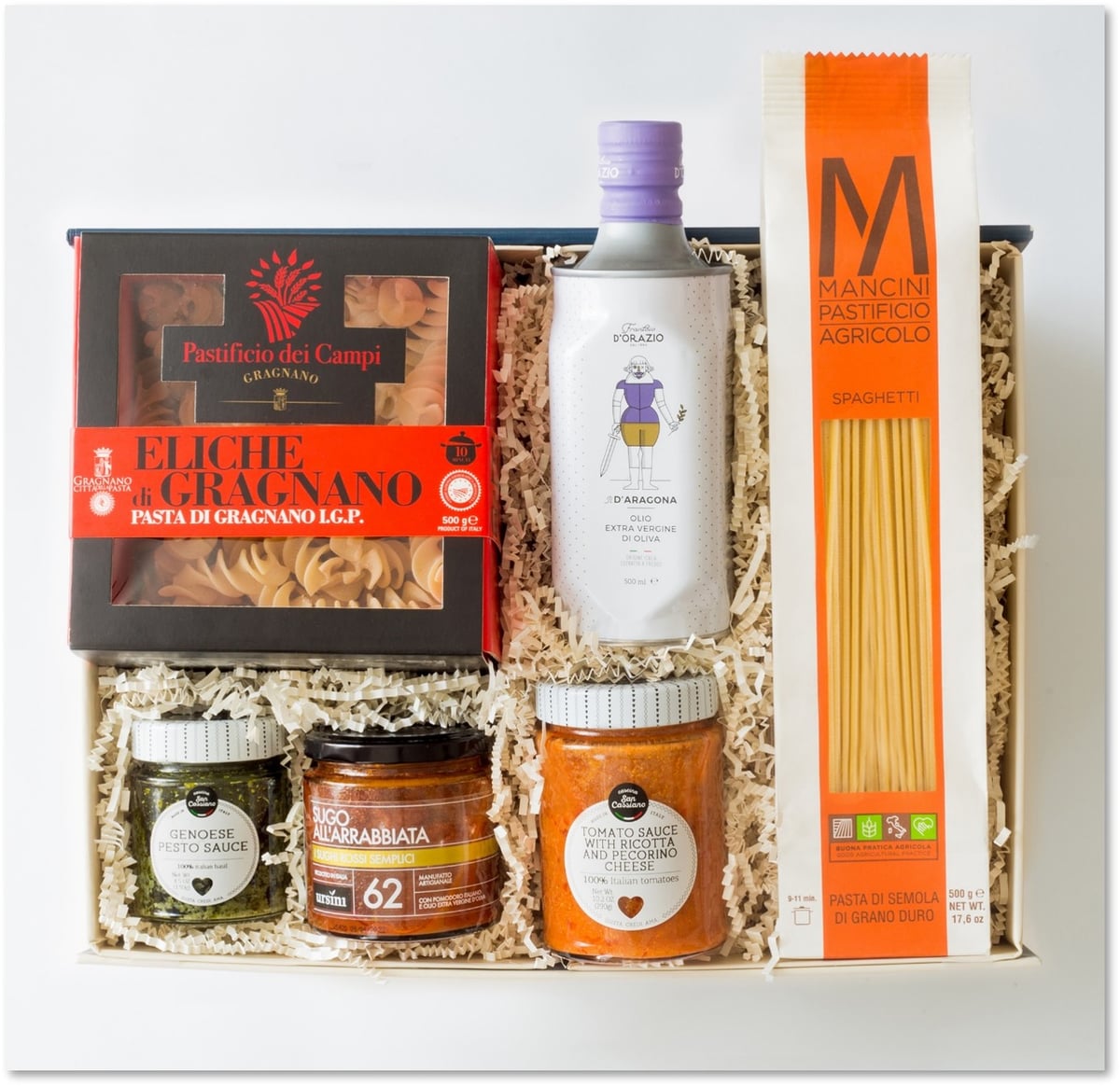
For home cooks and gift-givers seeking authentic Italian pasta experiences, curated collections bring together perfectly matched components. The Pasta 1-0-1 box demonstrates this philosophy beautifully, pairing premium pasta with sauces and olive oil selected for harmonious flavor profiles. It transforms a simple meal into an exploration of Italian culinary artistry.
Egg Pasta in Contemporary Gifting Culture
Italian food gifts carry emotional weight beyond their physical contents. They communicate care, sophistication, and shared appreciation for life's pleasures. Egg pasta, particularly artisan varieties, occupies a special place in this gifting tradition. It speaks to recipients who value authenticity, craftsmanship, and culinary adventure.
When selecting egg pasta for gifts, several factors elevate the offering from pleasant to memorable:
Quality markers include:
- Bronze die extrusion for rough texture that holds sauce
- Slow drying processes preserving flavor and nutrients
- Artisan producers with documented heritage
- Transparent sourcing of eggs and flour
- Distinctive regional shapes and traditions
Thoughtful presentation matters equally. Beautiful packaging that protects delicate pasta while showcasing its golden hue creates anticipation before the first bite. Pairing pasta with complementary items transforms a single ingredient into a complete culinary experience.
Creating Memorable Pasta Gift Collections
The most successful pasta gifts tell coherent stories. They might explore a single region's specialties, introduce various pasta shapes and their ideal pairings, or showcase seasonal ingredients and preparations. Including preparation tips and pairing suggestions helps recipients fully appreciate the gift's potential.
Consider themed collections:
-
Regional exploration: Emilian classics with traditional accompaniments
-
Seasonal celebration: Autumn pasta with porcini and truffle products
-
Cooking class in a box: Fresh pasta, sauce, cheese, and detailed instructions
-
Luxury dinner kit: Premium egg pasta with aged balsamic, olive oil, and Parmigiano
These curated experiences work beautifully for corporate gifting initiatives, client appreciation, or personal celebrations. They demonstrate thoughtfulness while introducing recipients to authentic Italian food culture.
Storing, Preparing, and Serving Fresh Egg Pasta
Fresh egg pasta's delicacy requires careful handling. Unlike dried pasta, which keeps indefinitely in the pantry, fresh versions have limited shelf life. Refrigerated fresh pasta lasts three to five days, while frozen pasta maintains quality for several weeks. Proper storage prevents drying and preserves texture.
When cooking fresh egg pasta, timing proves critical. While dried pasta needs ten to twelve minutes, fresh versions cook in two to four minutes. The water should boil vigorously, seasoned generously with salt. Italians say pasta water should taste like the sea.
The Finishing Touch
Never rinse cooked pasta. The surface starch helps sauce cling properly. Instead, reserve a cup of pasta cooking water before draining. This starchy liquid becomes a tool for adjusting sauce consistency, creating silky emulsions that coat every strand perfectly.
Tossing technique matters as much as cooking time:
- Transfer drained pasta directly to the sauce pan
- Add reserved pasta water in small amounts
- Toss vigorously over medium heat for one minute
- Remove from heat and add final cheese or herbs
- Serve immediately on warmed plates
This method, called mantecare, marries pasta and sauce into unified harmony. The pasta absorbs sauce while the cooking water creates glossy cohesion. Each bite delivers balanced flavor rather than sauce sliding off naked noodles.
Egg Pasta and the Gift of Italian Culinary Heritage
Sharing exceptional egg pasta transcends simple gift-giving. It becomes cultural transmission, introducing recipients to centuries of Italian culinary wisdom. When someone receives artisan pasta alongside carefully selected accompaniments, they gain access to traditions developed over generations in specific Italian regions.
This cultural generosity aligns perfectly with Italian values around food and hospitality. Italians don't merely feed guests. They welcome them into family, share treasured recipes, and create lasting memories around shared tables. High-quality food gifts extend this generous spirit across distances and occasions.
For those seeking to share authentic Italian experiences, egg pasta offers versatility. It suits sophisticated palates and adventurous home cooks. It works for intimate dinners and festive gatherings. It celebrates special occasions while elevating ordinary evenings into something memorable.
The Emotional Resonance of Handcrafted Food
There's particular magic in foods made by hand. Each sheet of egg pasta rolled by skilled artisans carries their expertise, patience, and respect for tradition. Recipients sense this care even before cooking. The irregular edges, slight variations in thickness, and golden hue announce authenticity.
| Gift Occasion |
Pasta Selection |
Complementary Items |
| Housewarming |
Regional variety pack |
Olive oil, Parmigiano, recipe cards |
| Thank you |
Luxury stuffed pasta |
Butter, truffle oil, sage |
| Corporate appreciation |
Artisan dried egg pasta |
Premium sauces, aged vinegar |
| Holiday celebration |
Fresh tagliatelle kit |
Ragù ingredients, wine pairing |
These combinations acknowledge the recipient's discerning taste while providing everything needed for memorable meals. They demonstrate that the giver understands quality, values tradition, and wants to share something genuinely special.
Selecting Authentic Egg Pasta Products
The market offers countless pasta options, making selection challenging for those unfamiliar with quality markers. Authentic artisan egg pasta distinguishes itself through several characteristics. First, examine the ingredients list. It should contain just flour and eggs, perhaps with salt. Additives suggest industrial production rather than traditional methods.
Next, consider the producer's location and history. Established pasta makers in traditional regions like Emilia-Romagna, Tuscany, or Piedmont often maintain higher standards than generic manufacturers. Many display certifications like IGP (Protected Geographical Indication) that guarantee regional authenticity and production methods.
The pasta's appearance tells stories too. Uniform, perfectly smooth pasta suggests machine production optimized for appearance rather than sauce-holding ability. Slight irregularities and rough texture indicate bronze dies and careful drying. These imperfections actually improve cooking results.
Price as Quality Indicator
While expensive pasta isn't always superior, extremely cheap fresh egg pasta raises questions. Quality eggs, premium flour, and labor-intensive production carry costs. Suspiciously low prices often indicate compromised ingredients or industrial shortcuts that affect final taste and texture.
Reasonable prices for artisan egg pasta reflect real production costs while remaining accessible to thoughtful gift-givers and home cooks who prioritize quality. The investment pays dividends in flavor, texture, and the satisfaction of supporting traditional food craftsmanship.
The Future of Egg Pasta Tradition
Despite modern life's demands, Italian egg pasta traditions endure remarkably well. Young sfogline continue learning ancestral techniques, while established pasta makers innovate within traditional frameworks. This balance between preservation and evolution ensures egg pasta remains relevant for contemporary cooks and consumers.
Some artisan producers experiment with heritage grain varieties, creating pasta with distinctive flavors and nutritional profiles. Others explore organic and biodynamic farming partnerships that elevate ingredient quality while supporting sustainable agriculture. These innovations honor tradition rather than abandoning it.
The growing appreciation for artisan foods and authentic culinary experiences benefits traditional egg pasta makers. Consumers increasingly recognize the difference between industrial products and handcrafted alternatives. They seek the stories, flavors, and connections that artisan foods provide.
Preserving Knowledge Through Practice
Organizations throughout Italy work to preserve pasta-making knowledge. Some document techniques through video and written records. Others offer workshops where participants learn directly from master sfogline. These efforts ensure centuries of accumulated wisdom survives for future generations.
Gift-givers participate in this preservation simply by choosing authentic products. Each purchase supports artisan producers, validates their work, and encourages them to continue practicing traditional methods. It creates economic sustainability for cultural preservation.
Egg pasta represents the very best of Italian culinary tradition, where simple ingredients become extraordinary through skill, patience, and respect for heritage. Whether you're seeking the perfect gift for a food-loving friend, planning a special meal, or introducing someone to authentic Italian flavors, artisan egg pasta offers unmatched versatility and cultural richness. Tasty Ribbon connects you directly to Italy's finest artisan pasta makers and carefully curated collections that transform every meal into a celebration of Italian culinary artistry.