The silky texture of fresh egg pasta, the golden hue of durum wheat semolina, the perfect bite of pasta cooked precisely al dente. Gourmet italian pasta represents far more than sustenance. It embodies centuries of regional tradition, family recipes passed down through generations, and the dedication of artisan makers who transform simple ingredients into culinary masterpieces. Whether you're exploring the delicate strands of tagliatelle from Emilia-Romagna or the robust tubular shapes of Mezzi Rigatoni from the Amalfi Coast, understanding what elevates pasta from ordinary to extraordinary opens a world of flavor, texture, and authentic Italian culture.
Understanding What Makes Gourmet Italian Pasta Exceptional
Gourmet italian pasta distinguishes itself through meticulous attention to ingredient quality, traditional production methods, and regional authenticity. Unlike mass-produced alternatives, artisan pasta makers source premium durum wheat, often from specific Italian regions, and employ time-honored techniques that preserve flavor and texture.
The foundation begins with the grain itself. Superior pasta producers select wheat varieties known for high protein content and exceptional gluten quality. These characteristics directly influence the final product's ability to maintain its shape during cooking and provide that distinctive bite Italians call "al dente."
The Art of Bronze Die Extrusion
Traditional pasta makers use bronze dies rather than modern Teflon alternatives during the extrusion process. This seemingly small distinction creates a profound difference in the finished product.
Bronze dies produce pasta with a rough, porous surface that grips sauce beautifully. The texture allows flavors to cling to each strand or shape, creating harmony between pasta and condiment. Teflon-extruded pasta, by contrast, emerges smooth and slick, causing sauces to slide off rather than integrate.
Key characteristics of bronze-die pasta include:
- Pale, matte appearance rather than glossy finish
- Rough texture visible to the naked eye
- Superior sauce absorption and adherence
- More pronounced wheat flavor
- Longer cooking time required
The Encyclopedia of Pasta documents how these traditional methods have shaped pasta production across Italian regions for generations.
Regional Pasta Traditions and Their Distinctive Shapes
Italy's twenty regions each contribute unique pasta shapes to the national repertoire, with over 300 documented varieties according to NoodleDex's comprehensive guide to Italian pasta. Each shape evolved to complement local ingredients, sauces, and cooking traditions.
In Emilia-Romagna, egg-enriched dough creates the foundation for delicate ribbons like tagliatelle and pappardelle. The region's fertile plains produce exceptional eggs and wheat, resulting in pasta with a rich golden color and tender texture perfect for cream-based and meat ragùs.
Southern regions favor dried pasta made from durum wheat semolina and water. Puglia's orecchiette resemble small ears designed to capture chunky vegetable sauces. Campania's rigatoni and paccheri feature wide tubes that embrace hearty tomato-based preparations.
Matching Shapes to Sauces
The Italian principle of pairing specific pasta shapes with complementary sauces reflects generations of culinary wisdom. Long, thin shapes like spaghetti work beautifully with oil-based sauces and seafood. Tubular shapes with ridges trap chunky vegetable or meat sauces. Wide ribbons stand up to rich cream or butter-based preparations.
| Pasta Shape |
Ideal Sauce Type |
Regional Origin |
| Tagliatelle |
Meat ragù, cream |
Emilia-Romagna |
| Orecchiette |
Vegetables, greens |
Puglia |
| Spaghetti |
Oil, seafood, tomato |
Nationwide |
| Rigatoni |
Hearty tomato, meat |
Lazio, Campania |
| Pappardelle |
Wild game, mushroom |
Tuscany |
Understanding these pairings elevates your pasta preparation from good to exceptional, creating dishes that honor Italian culinary tradition.
The Artisan Pasta Maker's Craft in Modern Italy
Small-scale pasta producers throughout Italy maintain production methods that prioritize quality over quantity. These artisans often operate family businesses spanning multiple generations, where knowledge transfers through apprenticeship and daily practice rather than industrial manuals.
The process begins with grain selection. Artisan makers establish relationships with specific wheat farmers, sometimes contracting entire harvests to ensure consistent quality. They mill flour in small batches, preserving the wheat's natural oils and complex flavors that industrial milling destroys through high-heat processing.
Slow drying represents another hallmark of artisan production. While commercial facilities dry pasta in hours using high temperatures, traditional makers extend the process over 24 to 72 hours at low temperatures. This patient approach prevents cracking, preserves nutrients, and develops deeper wheat flavors.
Temperature and Time: The Critical Variables
Gourmet italian pasta makers obsess over drying chamber conditions. Temperature fluctuations or excessive heat damage the pasta's protein structure, creating brittleness and compromising cooking performance. Artisan producers maintain precise humidity levels and gentle air circulation, allowing moisture to evaporate gradually without stressing the pasta.
The investment in time yields remarkable results. Slowly dried pasta cooks more evenly, maintains superior texture, and releases less starch into cooking water. These qualities directly impact the final dish's success.
For home cooks seeking to organize their premium pasta collection alongside other kitchen essentials, quality storage solutions from retailers like Brabantia-online.dk help preserve these artisan products' exceptional characteristics.
Selecting Premium Pasta for Your Kitchen
Identifying truly exceptional gourmet italian pasta requires understanding label information and visual cues. Several indicators signal quality craftsmanship and authentic production methods.
Look for these markers of quality:
-
Production location: Specific Italian regions or towns listed on packaging
-
Ingredient simplicity: Only durum wheat semolina and water (or eggs for fresh varieties)
-
Trafilatura al bronzo: Italian phrase indicating bronze die extrusion
-
Slow drying notation: References to "lenta essiccazione" or "low temperature drying"
-
Rough texture: Pale, matte appearance visible through packaging
-
Producer information: Family name or artisan workshop details
Price often reflects production methods, though the most expensive option isn't automatically the best. A moderately priced artisan pasta from a reputable producer typically outperforms premium supermarket brands produced using industrial methods.
The Pasta Almanac provides detailed specifications for hundreds of pasta varieties, helping enthusiasts identify authentic shapes and understand their optimal preparation methods.
The Role of Quality Ingredients in Pasta Excellence
Beyond the pasta itself, gourmet italian pasta preparations demand equally exceptional supporting ingredients. The relationship between pasta, sauce, and finishing touches creates synergy that defines memorable dishes.
Extra virgin olive oil serves multiple roles in pasta cooking. A splash in the pasta water, while debated among purists, can prevent sticking. More importantly, high-quality oil drizzled over the finished dish adds fruity complexity and luxurious mouthfeel. Choose oils from specific Italian regions-Tuscan oils offer peppery notes, while Ligurian varieties provide delicate, buttery flavors.
Aged cheeses transform simple preparations into sophisticated experiences. Parmigiano Reggiano aged 24 to 36 months develops crystalline texture and concentrated umami flavors that enhance nearly any pasta dish. Pecorino Romano brings sharp, salty intensity perfect for Roman classics like cacio e pepe.
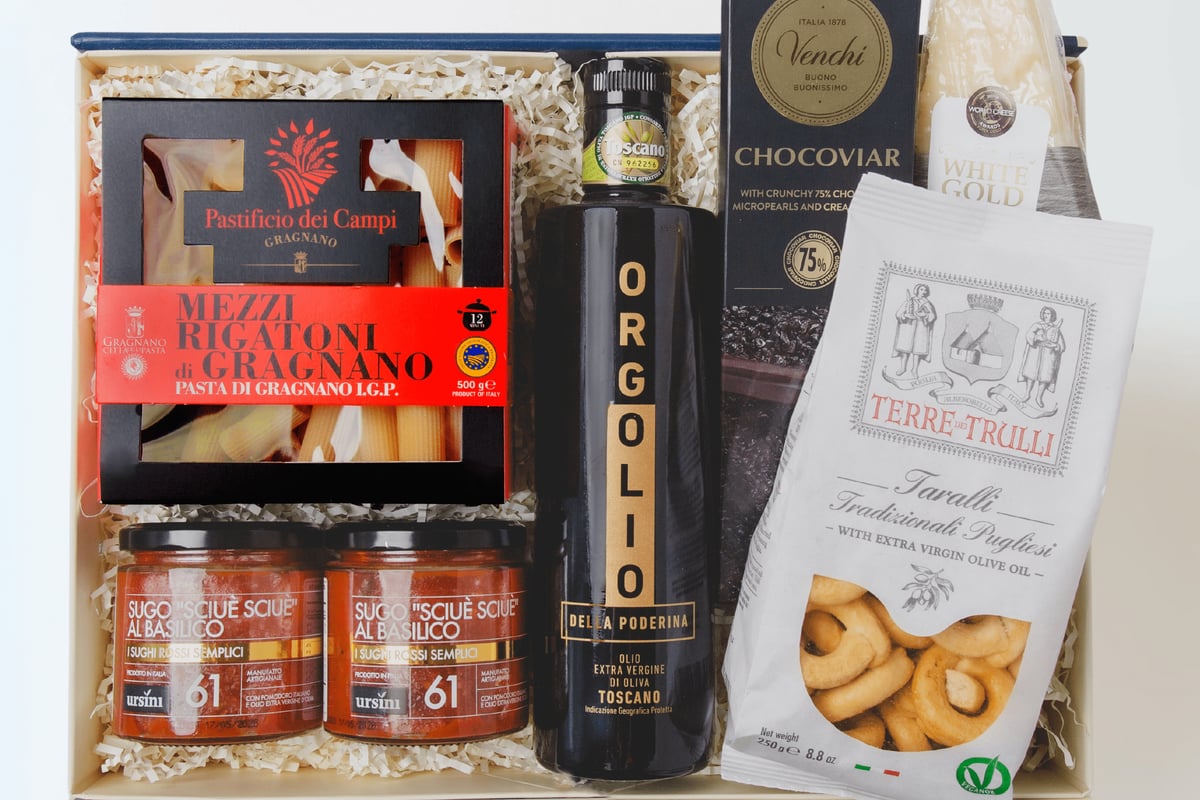
When crafting an exceptional pasta dish with premium imported ingredients, collections like The Black-Tie Affair provide thoughtfully curated combinations of artisan pasta, authentic sauces, and aged cheese that work in perfect harmony, eliminating the guesswork of pairing components.
Sauce Foundations That Honor Pasta Quality
The sauce you pair with gourmet italian pasta should match its quality level. Simple preparations often showcase premium pasta most effectively. A classic pomodoro requires only San Marzano tomatoes, fresh basil, quality olive oil, and garlic.
For cream-based sauces, fresh heavy cream and real butter create velvety textures that coated pasta beautifully. Avoid stabilizers and thickeners that mask rather than complement the pasta's inherent qualities.
Fresh Versus Dried: Understanding Different Pasta Categories
Both fresh and dried pasta occupy essential places in Italian cuisine, neither inherently superior to the other. Each category suits different preparations and occasions, with quality examples of both deserving space in a well-stocked pantry.
Fresh pasta, typically made with eggs and soft wheat flour, offers tender texture and delicate flavor. It cooks quickly, usually in 2 to 4 minutes, and pairs beautifully with butter-based sauces, light cream preparations, and gentle meat ragùs. The region of Emilia-Romagna claims fresh pasta as its birthright, with tagliatelle, tortellini, and lasagne representing regional pride.
Dried pasta, crafted from durum wheat semolina, provides robust texture and nutty wheat flavor. It requires longer cooking times, generally 8 to 14 minutes depending on shape and thickness. Dried pasta excels with bold tomato sauces, olive oil-based preparations, and hearty vegetable combinations.
| Characteristic |
Fresh Pasta |
Dried Pasta |
| Main Ingredients |
Eggs, soft wheat flour |
Durum semolina, water |
| Cooking Time |
2-4 minutes |
8-14 minutes |
| Texture |
Tender, delicate |
Firm, toothsome |
| Shelf Life |
Days (refrigerated) |
Months (pantry) |
| Best Sauce Pairings |
Butter, light cream |
Tomato, oil-based |
Cooking Techniques That Preserve Pasta Quality
Even the finest gourmet italian pasta suffers when cooked improperly. Italian cooks follow specific techniques developed through generations of daily pasta preparation, transforming good ingredients into exceptional meals.
The fundamental rule requires abundant salted water. Use approximately 4 to 6 quarts of water per pound of pasta, bringing it to a vigorous boil before adding pasta. Salt generously-the water should taste like the sea. This isn't excessive; most salt remains in the cooking water rather than absorbing into the pasta.
The Al Dente Standard
Achieving perfect al dente texture requires attention and timing. The term literally means "to the tooth," describing pasta cooked until it offers slight resistance when bitten. The center should show no raw flour taste or chalky texture, yet the pasta shouldn't feel mushy or soft.
Steps to achieve perfect al dente:
- Set a timer for 2 minutes less than package instructions indicate
- Begin testing pasta at this point
- Bite into a piece-it should resist slightly at the center
- Remove from heat when texture feels almost right
- Remember pasta continues cooking briefly after draining
Reserve pasta cooking water before draining. This starchy liquid helps sauces emulsify and cling to pasta. Add it tablespoon by tablespoon when combining pasta and sauce, creating glossy, cohesive dishes rather than dry pasta topped with sauce.
The professional resource Pastaria provides technical insights into pasta manufacturing and preparation that even home cooks find valuable for understanding quality standards.
Building a Gourmet Pasta Pantry
Creating memorable pasta dishes at home begins with stocking your pantry with versatile, high-quality ingredients. A well-curated selection allows spontaneous meal preparation without sacrificing quality or authenticity.
Essential gourmet pasta pantry items include:
- Three to four shapes of artisan dried pasta (long, short, tubular, specialty)
- Extra virgin olive oil from specific Italian regions
- San Marzano DOP tomatoes (whole and crushed)
- Aged Parmigiano Reggiano wedge
- Pecorino Romano for sharper flavor profiles
- Quality anchovies packed in olive oil
- Dried porcini mushrooms for earthy depth
- Calabrian chili peppers for measured heat
- Fresh garlic (store properly to prevent sprouting)
- Sicilian sea salt for seasoning
Understanding Italian gourmet gift baskets can inspire pantry organization and introduce you to artisan products you might not discover otherwise.
Layer these basics with seasonal fresh ingredients-tomatoes in summer, hearty greens in winter, spring peas and asparagus when available. This approach balances convenience with the Italian principle of cooking with what's fresh and available.
The Cultural Significance of Pasta in Italian Life
Gourmet italian pasta carries meaning beyond nutrition or culinary pleasure. In Italian culture, pasta represents family bonds, regional identity, and daily rituals that structure community life. Understanding these cultural dimensions enriches your appreciation and preparation.
Sunday lunch in many Italian households centers on pasta, often fresh and handmade by family members working together. Grandmothers teach grandchildren to roll dough, cut shapes, and understand when texture feels right. These sessions transfer not just technique but family history and cultural identity.
Regional pasta preferences signal geographic origin with remarkable specificity. An Italian from Bologna instinctively reaches for tagliatelle rather than spaghetti when preparing ragù. A Roman considers bucatini all'amatriciana a birthright dish. These associations run deep, connecting individuals to place through flavor memories formed in childhood.
Pasta as Gift and Celebration
Italians gift premium pasta to express appreciation and share quality. A beautifully packaged selection of artisan pasta communicates thoughtfulness and good taste. The gesture acknowledges the recipient's ability to prepare exceptional meals and values sharing authentic Italian culture.
For special occasions like weddings, milestone birthdays, or corporate recognition, curated pasta gifts demonstrate sophistication and cultural awareness. They invite recipients to create memorable dining experiences, extending celebration beyond a single event.
Pairing Pasta with Wine and Other Beverages
Italian tradition pairs specific wines with pasta dishes based on sauce composition and regional customs. Understanding these principles enhances the complete dining experience, creating harmony between food and beverage.
Tomato-based pasta dishes pair beautifully with medium-bodied red wines showing good acidity. Chianti Classico, Barbera d'Alba, and Nero d'Avola complement tomato's brightness while standing up to herbs and garlic. The wine's acidity cuts through rich sauces, refreshing the palate between bites.
Cream-based preparations call for white wines with body and minerality. Soave, Verdicchio, and Gavi provide enough weight to match rich sauces while offering crisp acidity that prevents heaviness. Avoid heavily oaked whites that compete rather than complement delicate flavors.
Oil-based pasta dishes, particularly those featuring seafood, demand light whites or rosés. Vermentino, Falanghina, and Sicilian Grillo offer citrus and herbal notes that enhance rather than overpower subtle seafood flavors.
| Pasta Sauce Type |
Wine Pairing |
Regional Example |
| Tomato-based |
Medium red |
Chianti with arrabbiata |
| Cream-based |
Full white |
Soave with carbonara |
| Oil and seafood |
Light white |
Vermentino with vongole |
| Meat ragù |
Full-bodied red |
Barolo with tagliatelle |
| Pesto |
Crisp white |
Vermentino with trofie |
Modern Innovations in Artisan Pasta Production
While respecting tradition remains paramount, contemporary artisan pasta makers embrace innovations that enhance quality without compromising authenticity. These developments reflect evolving understanding of grain science, nutrition, and sustainability.
Some producers experiment with ancient grain varieties like farro, kamut, and Senatore Cappelli wheat. These heritage grains offer complex flavors and nutritional profiles distinct from modern hybrid wheats. They connect contemporary pasta to historical cultivation practices, creating products that taste simultaneously novel and ancient.
Organic certification attracts producers committed to sustainable agriculture and chemical-free production. Organic artisan pasta often commands premium prices but appeals to consumers prioritizing environmental responsibility and health consciousness.
Small-batch producers increasingly share their stories through transparent labeling and digital content. They document harvest, milling, production, and drying processes, allowing consumers to understand exactly how their pasta journeys from field to table. This transparency builds trust and justifies premium pricing.
Storage and Shelf Life of Premium Pasta
Proper storage protects your investment in gourmet italian pasta, preserving its quality until you're ready to cook. Different pasta categories require specific storage approaches to maintain optimal texture and flavor.
Dried artisan pasta, stored correctly, maintains quality for 18 to 24 months. Keep it in a cool, dark pantry away from temperature fluctuations and moisture. Original packaging often provides adequate protection, though transferring to airtight glass containers prevents odor absorption and insect intrusion.
Fresh pasta requires refrigeration and has limited shelf life, typically 2 to 4 days. Store it in its original packaging or wrapped tightly to prevent drying. Fresh pasta also freezes successfully-arrange pieces on a tray until frozen, then transfer to freezer bags for storage up to 3 months.
Signs your pasta has deteriorated include:
- Stale or musty odors
- Discoloration or dark spots
- Brittle, crumbly texture
- Insect presence or webbing
- Moisture condensation in packaging
Quality matters more than quantity when building your pasta collection. Purchase amounts you'll consume within appropriate timeframes, ensuring each preparation showcases pasta at its peak.
Creating Gift-Worthy Pasta Presentations
Gourmet italian pasta makes exceptional gifts when thoughtfully presented. The combination of premium ingredients, cultural significance, and versatility appeals to food enthusiasts at every skill level.
Curate selections that tell a story or enable complete meals. Pair artisan pasta with complementary sauces, finishing oils, and aged cheeses. Include recipe cards suggesting preparation methods that highlight each component's qualities.
Presentation elevates perceived value. Arrange items in attractive boxes with tissue paper, ribbons, and explanatory cards. Share the artisan's story, production methods, and suggested pairings. This context transforms products into experiences, deepening recipient appreciation.
For those seeking professionally curated options, exploring online food gifts reveals how expert selection and presentation create memorable gifting moments that honor Italian culinary traditions.
The act of sharing premium pasta extends Italian hospitality traditions, inviting recipients into a world of authentic flavors and time-honored preparation methods.
Exploring Lesser-Known Regional Pasta Specialties
Beyond familiar shapes like spaghetti and penne, Italian regions produce distinctive pastas that rarely travel beyond local boundaries. Discovering these specialties offers adventure and deepens your understanding of Italy's culinary diversity.
Sardinia's fregola resembles Israeli couscous but offers unique toasted flavor. This small spherical pasta pairs beautifully with seafood, particularly clams and mussels, in brothy preparations that showcase the island's coastal cuisine.
Liguria's trofie, small twisted shapes traditionally served with pesto Genovese, demonstrate how pasta shapes evolve to complement specific sauces. The twists and curves trap basil, pine nuts, and olive oil, creating perfect bites that honor the sauce's birthplace.
Molise's crioli, long ribbons with ruffled edges, remain largely unknown outside the region. Local cooks pair them with lamb ragù or simple tomato sauces that cling to the irregular surface.
Exploring these regional specialties connects you to Italy's geographic and culinary diversity. Each shape carries stories of local ingredients, family traditions, and the ingenuity of home cooks who created pasta perfectly suited to their landscape and larder.
Gourmet italian pasta represents the intersection of agricultural excellence, artisan craftsmanship, and culinary tradition spanning centuries. From understanding bronze die extrusion to appreciating regional variations, every element contributes to exceptional dining experiences that honor Italian culture. Whether you're building your pantry, planning special meals, or seeking meaningful gifts, Tasty Ribbon connects you to authentic Italian artisan products through thoughtfully curated collections that celebrate quality, tradition, and the joy of sharing exceptional food.