The first time I watched an Italian nonna roll out fettuccine egg noodles by hand, I understood something profound about pasta. Her weathered hands moved with the rhythm of generations, transforming simple eggs and flour into silky ribbons that would later cradle butter, cheese, and centuries of culinary wisdom. These golden strands represent far more than dinner; they embody a tradition where quality ingredients and patient craftsmanship create something transcendent. In Italian kitchens from Emilia-Romagna to Rome, fettuccine egg noodles have held their place as a beloved staple, cherished for their tender texture and ability to embrace rich sauces with elegance.
The Heritage Behind Fettuccine Egg Noodles
The story of fettuccine begins in the heart of central Italy, where resourceful cooks transformed humble pantry ingredients into culinary gold. The name itself comes from "fettuccia," meaning little ribbons, a perfect description for these flat, approximately quarter-inch-wide pasta strands.
Traditional fettuccine egg noodles differ fundamentally from dried semolina pasta. The inclusion of fresh eggs creates a tender, porous texture that absorbs sauces beautifully while maintaining structural integrity. This characteristic makes them ideal partners for butter-based preparations and creamy dishes that would simply slide off harder pasta shapes.
Regional Traditions and Modern Interpretations
In Rome, cooks have been crafting fettuccine for special occasions and Sunday meals for centuries. The Lazio region claims particular ownership of this pasta style, though neighboring areas have developed their own variations. Each family guards their preferred flour-to-egg ratio, with some insisting on using only egg yolks for extra richness while others incorporate whole eggs for a lighter result.
The artisanal production of fettuccine egg noodles follows specific principles:
-
Flour selection: Tipo 00 flour creates the silkiest texture
-
Egg quality: Fresh, high-quality eggs provide vibrant color and rich flavor
-
Resting time: Dough must rest to develop proper gluten structure
-
Rolling technique: Consistent thickness ensures even cooking
-
Cutting precision: Uniform width allows nests to cook uniformly
Modern Italian pasta makers honor these traditions while embracing quality control measures that ensure consistency. Artisanal producers often use bronze dies for extruding, creating a rougher surface that helps sauce cling to each strand.
Understanding What Makes Fettuccine Egg Noodles Unique
The defining characteristic of authentic fettuccine egg noodles lies in their composition and texture. Unlike Asian egg noodles or German spaetzle, Italian fettuccine maintains a specific width and flatness that serves both aesthetic and functional purposes.
| Feature |
Fettuccine Egg Noodles |
Dried Semolina Fettuccine |
Asian Egg Noodles |
| Primary ingredients |
Flour, eggs, salt |
Durum wheat, water |
Flour, eggs, alkaline water |
| Texture |
Tender, porous |
Firm, smooth |
Springy, chewy |
| Cooking time |
2-4 minutes |
8-12 minutes |
3-6 minutes |
| Best sauces |
Cream, butter, ragù |
Oil-based, light sauces |
Stir-fry, broth |
| Shelf life (fresh) |
2-3 days refrigerated |
N/A (dried) |
3-5 days refrigerated |
The Science of Egg Pasta
Eggs transform pasta in measurable ways. The proteins in egg yolks create a network that gives fettuccine its characteristic tenderness while providing structure. Lecithin from yolks acts as an emulsifier, helping sauces bind to the pasta surface. The fat content contributes to a luxurious mouthfeel that distinguishes egg pasta from water-based varieties.
Fresh fettuccine egg noodles cook remarkably quickly because they haven't undergone the drying process that hardens semolina pasta. This short cooking time preserves delicate texture and prevents the pasta from becoming gummy or overcooked.
Preparing Fettuccine Egg Noodles to Perfection
Cooking fettuccine egg noodles requires attention and timing. The process differs significantly from preparing dried pasta, with several critical considerations that ensure optimal results.
Water volume matters profoundly. Use at least four quarts of water per pound of fresh pasta. This generous ratio prevents the noodles from sticking together and maintains consistent water temperature when you add the pasta.
Salt generously. The water should taste pleasantly salty, like the sea. This represents your only opportunity to season the pasta itself from within. Many Italian cooks use approximately one tablespoon of salt per four quarts of water.
Watch the clock carefully. Fresh fettuccine egg noodles typically require only two to four minutes of cooking time. DeLallo's egg fettuccine nests suggest testing for doneness after just two minutes, as overcooking happens rapidly with fresh pasta.
Timing and Texture Indicators
The perfect bite of fettuccine should feel tender yet maintain slight resistance. Italians describe this as "al dente," though fresh egg pasta achieves a different texture than dried varieties. The pasta should taste cooked through without any raw flour flavor but shouldn't become mushy or fall apart.
Professional chefs often finish cooking fettuccine directly in the sauce for the final minute. This technique allows the pasta to absorb flavors while the starchy pasta water helps emulsify and thicken the sauce naturally.
Classic Fettuccine Egg Noodles Pairings
The versatility of fettuccine egg noodles shines through dozens of traditional preparations. While Fettuccine Alfredo has achieved international fame, Italian cuisine offers numerous other pairings that showcase these golden ribbons.
Fettuccine al Burro represents perhaps the purest preparation: simply butter and Parmigiano Reggiano cheese. This minimalist approach, popular in Rome, allows the quality of each ingredient to shine. The pasta's egg richness balances beautifully with sweet butter and nutty aged cheese.
Fettuccine ai Funghi Porcini celebrates autumn with earthy mushrooms, garlic, parsley, and a splash of white wine. The flat surface of fettuccine provides the perfect canvas for capturing pieces of sautéed mushroom.
Fettuccine al Ragù pairs these noodles with slow-cooked meat sauce, particularly in Bologna where rich ragù Bolognese originated. The tender pasta absorbs the sauce's complex flavors while maintaining textural integrity.
Modern Variations and Creative Applications
Contemporary Italian chefs have expanded the fettuccine repertoire while respecting traditional foundations. Some innovative pairings include:
- Seafood preparations with clams, mussels, or shrimp
- Vegetable-forward dishes featuring seasonal produce
- Truffle-based sauces that complement the egg's richness
- Light tomato sauces with fresh basil and extra virgin olive oil
Those seeking inspiration can explore numerous recipes featuring egg fettuccine pasta that demonstrate this pasta's remarkable adaptability across various culinary styles.
Selecting Quality Fettuccine Egg Noodles
Distinguishing exceptional fettuccine from mediocre versions requires understanding several quality indicators. Whether purchasing fresh pasta locally or seeking imported Italian varieties, certain characteristics signal superior craftsmanship.
Color provides immediate clues. High-quality fettuccine egg noodles display a vibrant golden-yellow hue resulting from fresh eggs. Pale or grayish pasta suggests lower egg content or older ingredients. The color should appear uniform throughout each strand.
Texture reveals production methods. Artisanal pasta often shows slight surface roughness, especially when makers use bronze dies during production. This texture helps sauces adhere better than perfectly smooth pasta. The noodles should feel firm yet pliable, never brittle or crumbly.
Ingredient lists matter significantly. Authentic Italian fettuccine contains just flour, eggs, and perhaps a pinch of salt. Avoid products listing preservatives, artificial colors, or mysterious additives that compromise authentic flavor and texture.
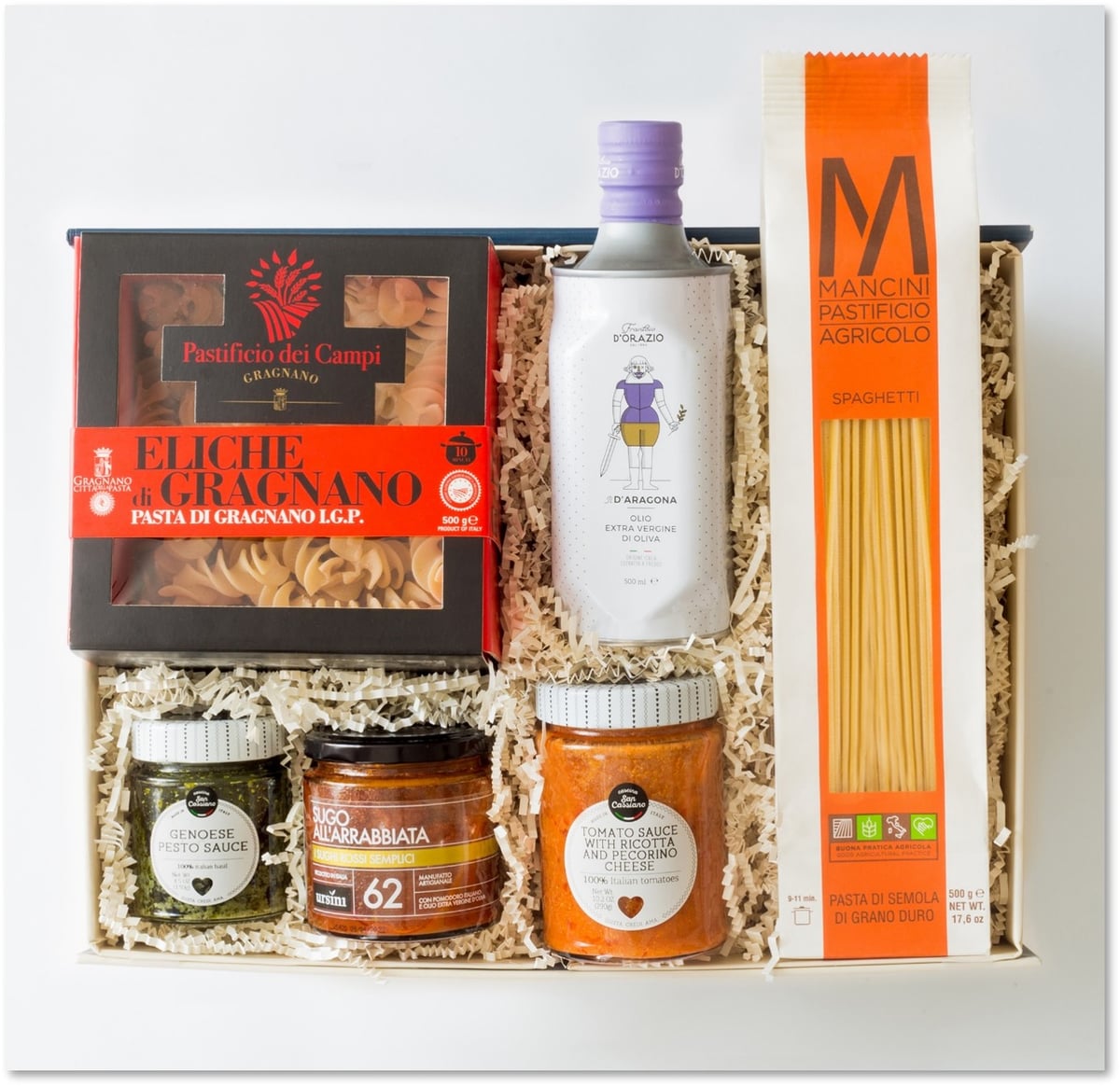
For those assembling Italian gourmet gift baskets, selecting premium pasta demonstrates thoughtfulness and appreciation for quality. Pairing artisanal fettuccine with complementary ingredients creates memorable culinary experiences.
Storing and Handling Fresh Fettuccine Egg Noodles
Fresh fettuccine egg noodles demand proper storage to maintain quality and food safety. These delicate products differ substantially from shelf-stable dried pasta in their handling requirements.
Refrigeration is essential. Fresh pasta should remain refrigerated at temperatures below 40°F and consumed within two to three days of purchase or production. The high egg content makes these noodles perishable, requiring prompt use or freezing for longer storage.
Freezing extends shelf life. Fresh fettuccine freezes beautifully for up to three months. Arrange nests or portions on a parchment-lined baking sheet, freeze until solid, then transfer to airtight containers or freezer bags. Cook frozen pasta directly without thawing, adding just one to two minutes to the cooking time.
Preventing Common Storage Issues
Several problems can affect fresh pasta quality:
| Issue |
Cause |
Prevention Method |
| Sticky clumps |
Excess moisture |
Dust lightly with flour before storing |
| Dried edges |
Air exposure |
Seal completely in airtight containers |
| Discoloration |
Oxidation |
Use within recommended timeframe |
| Off odors |
Spoilage |
Check dates, discard if questionable |
Package integrity protects freshness. If purchasing packaged fettuccine, ensure the packaging shows no tears, excess moisture, or bulging that might indicate bacterial growth. Proper packaging maintains optimal moisture levels while preventing contamination.
Fettuccine Egg Noodles in Gift-Giving Traditions
Italian food culture embraces generous sharing and celebration through culinary gifts. Fettuccine egg noodles represent an elegant component of thoughtful food presentations, particularly when paired with complementary ingredients that create complete cooking experiences.
The practice of gifting pasta extends beyond simple grocery items. When you present artisanal fettuccine alongside quality olive oil, aged cheese, and authentic sauce, you offer more than ingredients. You share the opportunity to create meaningful moments around the dinner table, connecting recipients to Italian traditions and flavors.
Consider the complete experience. Successful pasta gifts include everything needed for a memorable meal: the fettuccine itself, an exceptional sauce or two, premium olive oil for finishing, and perhaps freshly grated Parmigiano Reggiano. This thoughtfulness transforms a simple gift into an invitation to slow down and savor.
For corporate settings, good food gift baskets featuring quality pasta communicate sophistication and cultural appreciation. These gestures acknowledge that the recipient deserves exceptional experiences, not generic tokens.
Seasonal Considerations for Pasta Gifts
Different times of year inspire specific fettuccine presentations:
-
Spring: Pair with bright vegetables and herb-infused oils
-
Summer: Include light tomato sauces and fresh basil
-
Autumn: Feature mushroom-based sauces and truffle products
-
Winter: Present with rich ragù and aged balsamic vinegar
These seasonal approaches demonstrate attention to detail while providing ingredients that align with natural eating patterns and available produce.
The Cultural Significance of Handmade Pasta
Throughout Italian regions, the tradition of making fettuccine egg noodles by hand continues connecting generations. Grandmothers teach granddaughters the precise feel of properly hydrated dough. Families gather for special occasions, rolling out sheets of golden pasta as they share stories and laughter.
This cultural practice extends beyond mere cooking. The act of making pasta together reinforces family bonds, preserves culinary heritage, and creates shared memories. Even as commercial production has made fresh pasta widely available, many Italian households maintain the tradition for holidays and celebrations.
The tactile experience matters. Working pasta dough engages the senses completely-the smooth feel of kneaded dough, the subtle aroma of fresh eggs and flour, the satisfaction of cutting uniform ribbons. These sensory elements create meaningful connections to food that transcends nutritional necessity.
Modern cooks worldwide have embraced this tradition, recognizing that homemade fettuccine egg noodles offer rewards beyond convenience. The process slows us down, demands presence, and yields results that taste distinctly different from factory-produced alternatives.
Nutritional Aspects and Dietary Considerations
Fettuccine egg noodles provide substantial nutritional value while fitting into various dietary patterns. Understanding their composition helps in meal planning and dietary decision-making.
Protein content: The eggs in fettuccine contribute high-quality complete protein, containing all essential amino acids. A typical serving provides approximately 7-9 grams of protein, supporting muscle maintenance and satiety.
Carbohydrate profile: As a wheat-based product, fettuccine delivers complex carbohydrates that provide sustained energy. The glycemic impact varies based on cooking time, with al dente pasta producing a lower glycemic response than overcooked versions.
Vitamin and mineral content: Eggs enrich fettuccine with B vitamins (particularly B12 and riboflavin), iron, selenium, and choline. These micronutrients support various metabolic functions and overall health.
Dietary Modifications and Alternatives
For those with specific dietary needs:
-
Gluten-free: Several producers now offer gluten-free fettuccine using rice flour or alternative grain blends
-
Lower-carb: Some seek vegetable-based alternatives like zucchini ribbons, though these provide different nutritional profiles
-
Egg-free: While traditional fettuccine requires eggs, some fresh pasta varieties use only flour and water
Portion control matters with any pasta. A standard serving of two ounces dried (or three ounces fresh) provides appropriate carbohydrate quantities for most eating patterns when balanced with vegetables, proteins, and healthy fats.
Elevating Everyday Meals with Fettuccine Egg Noodles
The beauty of fettuccine egg noodles lies partly in their ability to transform simple ingredients into memorable meals. Even weeknight dinners can feel special when you start with quality pasta and approach preparation with intention.
Quick yet elegant preparations include:
-
Aglio e Olio adaptation: Sauté garlic in olive oil, toss with fettuccine, finish with parsley and red pepper flakes
-
Butter and sage: Brown butter gently with fresh sage leaves, coat pasta, top with Parmigiano
-
Lemon cream: Combine heavy cream with lemon zest and juice, reduce slightly, toss with hot fettuccine
-
Vegetable primavera: Sauté seasonal vegetables, add pasta and pasta water to create light sauce
These preparations require minimal time yet deliver maximum flavor and satisfaction. The key lies in using quality ingredients and respecting proper techniques.
Batch cooking strategies help busy households. Prepare sauce on weekends, refrigerate or freeze, then combine with freshly cooked fettuccine for quick weeknight meals. This approach preserves the fresh pasta experience while accommodating hectic schedules.
Pairing Beverages with Fettuccine Egg Noodles Dishes
Italian dining traditions emphasize harmony between food and drink. The sauce accompanying your fettuccine egg noodles largely determines ideal beverage pairings, though some general principles guide selections.
Wine pairings follow classic guidelines:
| Sauce Type |
Recommended Wine |
Why It Works |
| Cream-based (Alfredo) |
Chardonnay, Pinot Grigio |
Acidity cuts richness |
| Tomato-based |
Chianti, Barbera |
Acidity matches acidity |
| Ragù (meat sauce) |
Barolo, Sangiovese |
Tannins complement protein |
| Butter and cheese |
Soave, Verdicchio |
Freshness balances richness |
Non-alcoholic options deserve equal consideration. San Pellegrino sparkling water cleanses the palate between bites. Italian sodas made with natural citrus flavors provide festive alternatives. Even well-brewed Italian coffee can follow pasta meals, marking the transition from dining to conversation.
The online food gifts space has expanded to include thoughtfully curated pairings that introduce customers to authentic Italian drinking traditions alongside culinary excellence.
Teaching and Learning Through Fettuccine Egg Noodles
Cooking fettuccine offers educational opportunities that extend beyond kitchen skills. This pasta serves as gateway to understanding Italian culture, geography, history, and the importance of quality ingredients.
For children, making fresh pasta provides hands-on learning about measurement, chemistry (how eggs and flour combine), patience (allowing dough to rest), and the satisfaction of creating something from basic ingredients. The sensory engagement helps develop fine motor skills and food appreciation.
For adults, exploring fettuccine preparation opens doors to deeper culinary knowledge. Understanding why certain flour types work better, how egg quantity affects texture, and which regional variations exist enriches overall cooking competence and cultural literacy.
Culinary schools often include fresh pasta making in their curricula, recognizing that these fundamental techniques build foundational skills applicable across numerous preparations. The precision required develops attention to detail that serves cooks throughout their culinary journeys.
Sharing knowledge about fettuccine egg noodles creates connection. When you teach someone to cook this pasta properly, you pass along traditions that have nourished communities for generations, ensuring these practices continue into the future.
Fettuccine egg noodles represent far more than simple sustenance; they embody centuries of Italian culinary wisdom, regional pride, and the joy of sharing exceptional food with people we cherish. Whether you're preparing a quiet weeknight dinner or assembling a thoughtful gift for someone special, choosing quality pasta demonstrates respect for tradition and appreciation for craftsmanship. Tasty Ribbon connects you directly to Italy's finest artisanal producers, offering carefully curated selections that bring authentic Italian excellence to your table or gift-giving occasions, making every culinary moment truly memorable.