Italian egg noodles represent one of the most cherished traditions in Italian cuisine, a golden thread connecting generations of home cooks and professional chefs across the country's northern and central regions. Known as pasta all'uovo, these silky ribbons capture everything sublime about Italian cooking: simple ingredients transformed through technique, regional pride expressed on a plate, and the ability to turn an ordinary meal into something memorable. Whether you're exploring the delicate folds of tagliatelle from Emilia-Romagna or the broader ribbons of fettuccine beloved in Rome, understanding italian egg noodles opens a window into Italy's culinary soul.
The Heritage Behind Italian Egg Noodles
The story of pasta all'uovo begins in the fertile kitchens of Northern Italy, where wheat and eggs were abundant. Unlike the durum wheat and water pasta of Southern Italy, egg pasta developed as a regional specialty in areas where softer wheat varieties flourished and farm-fresh eggs were readily available. This wasn't simply a matter of ingredient availability but rather a reflection of prosperity and celebration.
In medieval times, italian egg noodles graced the tables of nobility during festivals and important gatherings. The addition of eggs signified wealth and special occasions, transforming everyday sustenance into something luxurious. Over centuries, this tradition democratized, spreading from aristocratic kitchens into family homes where Sunday dinners and holidays became occasions to craft fresh pasta by hand.
Regional Distinctions That Define Tradition
Each Italian region developed its own relationship with egg pasta, creating variations that remain fiercely protected today. In Bologna, tagliatelle width is officially regulated at exactly 8 millimeters when cooked. The Accademia Italiana della Cucina even deposited a golden replica of the perfect tagliatella noodle at the Chamber of Commerce.
Emilia-Romagna claims the throne for egg pasta mastery, producing not only tagliatelle but also lasagne sheets and the tiny cappelletti that float in rich broth. Travel west to Piedmont, and you'll discover tajarin, a thinner cousin made with an even higher proportion of egg yolks, resulting in pasta so golden it seems to glow.
Key Regional Varieties:
-
Tagliatelle: Bologna's pride, perfectly paired with ragù
-
Fettuccine: Roman favorite, slightly wider than tagliatelle
-
Pappardelle: Tuscan broad ribbons for wild boar sauce
-
Tajarin: Piedmontese ultra-thin noodles with excessive yolks
-
Quadrucci: Small egg pasta squares for soup
What Makes Italian Egg Noodles Distinctive
The fundamental composition of italian egg noodles follows a straightforward formula: flour and eggs. Yet within this simplicity lies remarkable complexity. Traditional recipes call for approximately one egg per 100 grams of flour, though proportions vary by region and family tradition. Some cooks add only yolks for richness, while others incorporate whole eggs for structure.
The texture distinguishes egg pasta from its water-based counterparts immediately. When cooked properly, these noodles achieve a tender yet slightly resistant bite that Italians describe as "al dente." The eggs provide both structural integrity and a silky mouthfeel that water alone cannot replicate.
The Science of Egg Enrichment
Eggs contribute more than richness to pasta dough. The proteins in egg whites create an elastic network that gives the pasta structure, while the fats in the yolks tenderize the dough and contribute to its characteristic yellow hue. This combination allows the pasta to hold together during cooking while maintaining a delicate texture.
Fresh italian egg noodles cook in mere minutes, absorbing sauces beautifully due to their porous surface. The egg content also allows these noodles to pair successfully with cream-based sauces, butter preparations, and rich ragùs that would overwhelm lighter dried pasta varieties.
| Characteristic |
Egg Pasta |
Water-Based Pasta |
| Primary Liquid |
Eggs |
Water |
| Typical Region |
Northern/Central Italy |
Southern Italy |
| Cooking Time |
2-4 minutes fresh |
8-12 minutes dried |
| Texture |
Tender, silky |
Firm, toothsome |
| Best Sauces |
Cream, butter, ragù |
Oil-based, tomato |
| Color |
Golden yellow |
Pale, neutral |
Cooking Methods for Perfect Results
Preparing italian egg noodles requires attention but not complexity. The most critical element is avoiding overcooking, which transforms delicate ribbons into mushy disappointment. Fresh egg pasta cooks remarkably quickly, often in two to three minutes depending on thickness.
Begin with abundantly salted boiling water. Italians recommend one liter of water per 100 grams of pasta, salted to taste like the sea. When the pasta floats to the surface and achieves your desired texture, reserve a cup of the starchy cooking water before draining. This liquid gold becomes your tool for adjusting sauce consistency.
Essential Cooking Steps:
- Bring generously salted water to a rolling boil
- Add pasta and stir immediately to prevent sticking
- Test for doneness starting at two minutes
- Reserve pasta water before draining
- Toss immediately with prepared sauce
- Adjust consistency with reserved cooking water
Sauce Pairing Philosophy
The beauty of italian egg noodles lies in their versatility, yet certain classic combinations have earned their revered status through centuries of refinement. Tagliatelle al ragù represents the pinnacle of egg pasta pairing, with slow-simmered meat sauce clinging to each ribbon's surface.
Butter and Parmigiano-Reggiano create perhaps the most elegant minimalist preparation. The pasta's richness requires nothing more than quality ingredients: unsalted butter, genuine Parmigiano-Reggiano aged at least 24 months, and perhaps a whisper of black pepper. This combination showcases why italian egg noodles deserve premium treatment.
Cream-based sauces find their ideal vehicle in egg fettuccine. The famous fettuccine Alfredo originated in Rome, where butter and cheese create a sauce that seems simple yet demands perfect technique and exceptional ingredients.
Fresh Versus Dried: Understanding Your Options
While many Italian households continue the tradition of making pasta fresca by hand, commercially produced italian egg noodles offer convenience without complete sacrifice of quality. The key lies in understanding what distinguishes superior dried egg pasta from inferior alternatives.
Artisanal producers use bronze dies that create a rough surface texture, allowing sauce to cling effectively. Industrial pasta often employs Teflon dies, resulting in smooth, slippery noodles that sauce slides off rather than embracing. This seemingly minor difference dramatically affects the final dish.
Drying methods also impact quality significantly. Slow, low-temperature drying preserves the pasta's nutritional value and allows it to cook more evenly. Quick, high-temperature industrial drying may be efficient, but it can create a pasta that becomes mushy on the outside while remaining hard at the core.
Reading Labels for Quality
When selecting packaged italian egg noodles, several indicators signal authenticity and quality. Look for pasta containing only flour and eggs, without additives or preservatives. The ingredient list should be remarkably short. Premium brands often specify the percentage of eggs used, with higher percentages indicating richer pasta.
Italian certification marks like IGP (Indicazione Geografica Protetta) guarantee regional authenticity and adherence to traditional methods. While not every excellent pasta carries certification, these marks provide reliable quality assurance for those less familiar with Italian brands.
Quality Indicators:
- Bronze die extrusion (trafilata al bronzo)
- Slow drying at low temperatures
- High egg content (20% or more)
- Short ingredient list (flour, eggs only)
- Regional certification when applicable
Home Preparation Techniques
Creating italian egg noodles at home connects you directly to centuries of Italian tradition. The process requires minimal equipment: flour, eggs, a clean work surface, and a rolling pin (though a pasta machine simplifies the task considerably). The meditative rhythm of kneading dough and cutting ribbons offers therapeutic value beyond the delicious results.
Traditional recipes begin by mounding flour on a wooden board, creating a well in the center for beaten eggs. This technique, called "fontana" or fountain, allows you to gradually incorporate flour into the eggs while controlling the dough's consistency. Work methodically, bringing flour from the inner walls into the egg mixture until a shaggy dough forms.
The Art of Kneading and Resting
Kneading develops the gluten structure that gives pasta its characteristic texture. Push the dough away with the heel of your hand, fold it back, rotate ninety degrees, and repeat for approximately ten minutes. The dough should become smooth, elastic, and slightly tacky but not sticky.
Resting allows the gluten to relax, making the dough easier to roll thin. Wrap your dough ball in plastic and rest for at least thirty minutes at room temperature. This step is not optional; skipping it results in pasta that springs back stubbornly when rolled.
Rolling requires patience and practice. Whether using a rolling pin or a pasta machine, the goal is achieving thin, uniform sheets. For tagliatelle, aim for approximately 1 millimeter thickness. You should be able to see your hand's outline through the pasta sheet when held up to light.
| Pasta Type |
Thickness |
Width |
Best Uses |
| Tagliatelle |
1mm |
8mm |
Meat ragù, butter sauces |
| Fettuccine |
1mm |
10mm |
Cream sauces, seafood |
| Pappardelle |
1.5mm |
20-30mm |
Game, wild boar, mushrooms |
| Tajarin |
0.5mm |
2-3mm |
Butter, truffle, delicate sauces |
Storing and Preserving Quality
Fresh italian egg noodles can be enjoyed immediately or preserved for future meals. For short-term storage, nest the cut pasta loosely and refrigerate on a lightly floured tray, covered with a clean kitchen towel. Use within two days for optimal texture and flavor.
Freezing extends shelf life considerably while maintaining quality. Portion the nests of fresh pasta on a baking sheet and freeze until solid, then transfer to freezer bags. Frozen egg pasta can be cooked directly from frozen, adding just one additional minute to the cooking time. This method preserves the pasta's texture remarkably well.
Drying fresh pasta at home creates shelf-stable noodles, though the process requires careful attention to prevent spoilage. Hang long noodles on a pasta drying rack or spread them on clean kitchen towels in a single layer. Allow to dry completely in a cool, dry location with good air circulation, which may take 12 to 24 hours depending on humidity.
Optimal Storage Conditions
Once completely dried, store homemade italian egg noodles in airtight containers in a cool, dark pantry. Properly dried pasta can keep for several weeks, though most enthusiasts find it disappears much faster than that. The key is ensuring pasta is thoroughly dry before sealing, as any residual moisture invites mold.
Commercial dried egg pasta benefits from similar storage principles. Keep packages sealed in a cool pantry away from direct sunlight and strong odors. While dried pasta has a long shelf life, egg varieties are more perishable than standard dried pasta due to their fat content. Check expiration dates and use within the recommended timeframe.
Authentic Italian Preparations Worth Mastering
Several classic dishes showcase italian egg noodles at their finest, each representing regional traditions worth preserving. Tagliatelle al ragù bolognese stands as perhaps the most iconic, though the version served globally often bears little resemblance to Bologna's authentic preparation.
True ragù bolognese simmers for hours, developing deep, complex flavors from a careful balance of meats, soffritto, tomato, and milk. The sauce should coat the tagliatelle without drowning it, with each ribbon carrying just enough ragù to flavor every bite. This dish exemplifies the Italian principle of balance and restraint.
Fettuccine al burro, sometimes called fettuccine Alfredo outside Italy, demonstrates how few ingredients can create magic when quality is paramount. Use only the finest butter and authentic Parmigiano Reggiano, along with a splash of pasta cooking water to create a silky emulsion.
Regional Specialties to Explore
Tajarin al tartufo showcases Piedmont's treasures: ultra-thin egg noodles made with excessive yolk and shaved white truffle from Alba. The pasta's richness complements the truffle's earthy intensity perfectly, creating a dish that tastes of luxury and autumn forests.
Pappardelle al cinghiale brings Tuscan hunting traditions to the table. These broad ribbons catch and hold rich wild boar ragù, slow-cooked with red wine, tomatoes, and aromatic vegetables until the meat becomes fork-tender. The pasta's substantial width provides the structure needed to support this hearty sauce.
Must-Try Traditional Dishes:
- Tagliatelle al ragù bolognese (Emilia-Romagna)
- Tajarin al tartufo bianco (Piedmont)
- Pappardelle al cinghiale (Tuscany)
- Fettuccine al burro e Parmigiano (Lazio)
- Tagliolini ai funghi porcini (Various regions)
Modern Interpretations and Creative Approaches
While respecting tradition remains important, contemporary chefs continue evolving italian egg noodles through creative interpretations. Flavored pasta dough incorporating spinach, squid ink, or saffron adds visual appeal and subtle flavor variations. These additions work best when they complement rather than overwhelm the pasta's inherent richness.
Fusion applications demonstrate the versatility of italian egg noodles beyond traditional Italian preparations. Asian-inspired treatments with ginger, scallions, and soy create interesting crossover dishes, though purists may object. The pasta's texture and richness adapt surprisingly well to diverse flavor profiles.
Seasonal variations honor Italian traditions while embracing local ingredients. Spring preparations might feature fresh peas, asparagus, and lemon zest, while autumn versions incorporate mushrooms, butternut squash, and sage. This adaptability explains why italian egg noodles remain relevant centuries after their creation.
Balancing Innovation with Authenticity
The challenge lies in innovation that enhances rather than obscures the pasta's fundamental character. When experimenting, consider whether additions truly improve the dish or merely complicate it. Italian cooking philosophy emphasizes that each ingredient should have purpose and every component should shine.
Quality ingredients remain paramount regardless of preparation style. Whether following a traditional recipe or creating something new, start with excellent pasta, authentic Italian products, and fresh seasonal components. This foundation ensures success even when venturing beyond conventional boundaries.
For those seeking to explore authentic Italian artisanal products, discovering curated selections of premium ingredients can transform home cooking. The difference between commercial and artisanal products becomes immediately apparent in both flavor and texture.
Gift-Giving Traditions and Culinary Presents
Italian egg noodles occupy a special place in Italy's gift-giving culture. Beautifully packaged fresh pasta, often accompanied by complementary sauces and cheeses, represents thoughtful generosity. These gifts communicate care through the promise of a delicious meal and the time required to prepare it properly.
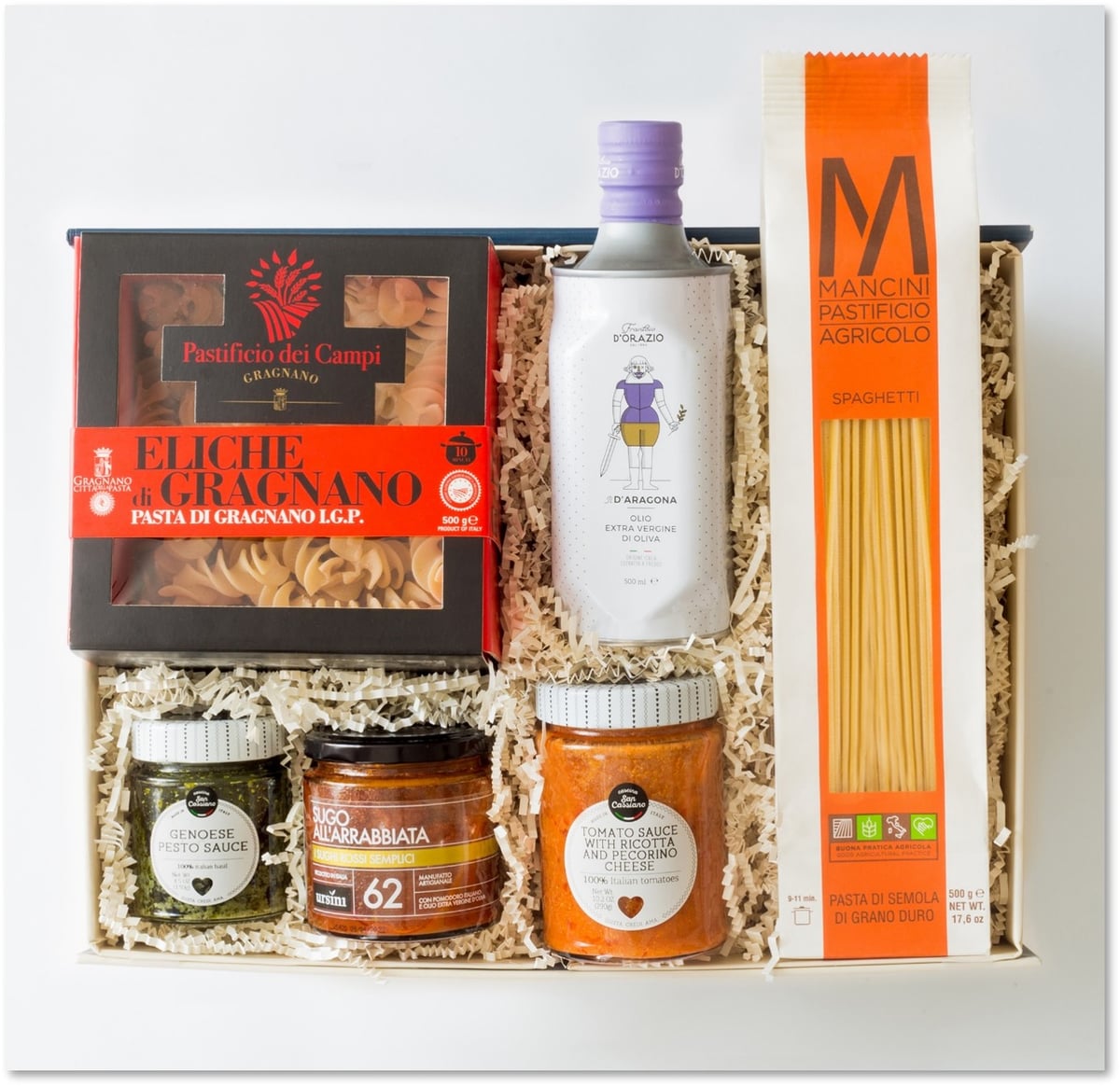
Regional pasta varieties make distinctive presents for food enthusiasts. A selection of different widths and styles allows recipients to explore Italy's diverse pasta traditions. Pairing the pasta with premium olive oil, aged cheese, and authentic sauces creates a complete culinary experience.
Artisanal pasta makers often package their products with elegance befitting the craftsmanship involved. Hand-tied nests of tagliatelle, nestled in decorative boxes with recipe cards, transform a simple ingredient into something special. This attention to presentation reflects the Italian appreciation for beauty in everyday objects.
Creating Memorable Culinary Gifts
When assembling gifts featuring italian egg noodles, consider the complete experience. Include not just the pasta but also the elements needed to create an authentic dish: quality Parmigiano-Reggiano, authentic ragù, or perhaps ingredients for a simple butter and sage sauce. This approach demonstrates thoughtfulness and provides everything needed for success.
Educational components enhance the gift's value. Include recipe cards with traditional preparations, information about the pasta's regional origins, or suggestions for wine pairings. This context transforms a food gift into a cultural experience, connecting the recipient to Italian traditions.
For special occasions, consider themed collections that tell a culinary story. A Bolognese dinner collection might include tagliatelle, ingredients for ragù, and a bottle of Sangiovese. An elegant date night package could feature gourmet ingredients arranged for a romantic meal at home.
Nutritional Considerations and Dietary Aspects
Italian egg noodles provide more protein and nutrients than standard pasta due to their egg content. Each serving delivers essential amino acids, B vitamins, and minerals including iron and selenium. The eggs also contribute fat-soluble vitamins A, D, and E, making egg pasta nutritionally superior to water-based varieties.
However, the egg content also means higher cholesterol and calorie counts compared to traditional dried pasta. Those monitoring cholesterol intake should consume italian egg noodles in moderation, balancing their richness with vegetable-forward sauces and appropriate portion sizes.
Gluten content remains consistent with other wheat-based pastas, making egg noodles unsuitable for those with celiac disease or gluten sensitivity. Some producers offer gluten-free versions using alternative flours, though these adaptations sacrifice the traditional texture and flavor that defines authentic pasta all'uovo.
Nutritional Profile (per 100g cooked):
- Calories: 130-150
- Protein: 5-6g
- Carbohydrates: 25-28g
- Fat: 2-3g
- Cholesterol: 25-35mg
- Fiber: 1-2g
Portion Control and Balanced Eating
Italian dining philosophy emphasizes moderation and balance. A proper serving of pasta all'uovo as a first course (primo) typically measures 80-100 grams uncooked per person. This allows the pasta to satisfy without overwhelming, leaving room for subsequent courses and maintaining energy without heaviness.
Pairing italian egg noodles with vegetable-rich sauces, lean proteins, and abundant greens creates nutritionally balanced meals. The Italian tradition of serving pasta as one component of a multi-course meal rather than as the entire dinner naturally promotes moderation and variety.
Modern interpretations sometimes incorporate whole grain flours or additional egg whites to modify the nutritional profile while maintaining the characteristic texture. These variations appeal to health-conscious consumers seeking the pleasure of egg pasta with adjusted macronutrient ratios.
Italian egg noodles embody centuries of culinary wisdom, regional pride, and the Italian gift for transforming simple ingredients into something extraordinary. Whether you're preparing fresh tagliatelle for Sunday dinner or selecting artisanal pasta as a thoughtful gift, these golden ribbons connect us to traditions worth preserving. Tasty Ribbon brings these authentic Italian experiences directly to your table through carefully curated selections of premium artisanal products, each chosen to celebrate Italy's rich culinary heritage with impeccable presentation and genuine quality.