When actor Stanley Tucci arrived in Sicily with film crews in tow, he wasn't merely documenting recipes or restaurant recommendations. He was embarking on a deeply personal exploration of Italian identity through food, family, and centuries-old traditions. The resulting series, stanley tucci searching for italy, has captivated millions of viewers who recognize something profound in Tucci's journey: that Italian cuisine represents far more than sustenance. It embodies history, regional pride, and the generous spirit of sharing meals with loved ones. For those of us who celebrate Italian culture through thoughtful gift-giving, Tucci's approach offers a masterclass in understanding what makes these artisanal products so meaningful.
Stanley Tucci Searching for Italy: Understanding Regional Italian Identity
The brilliance of stanley tucci searching for italy lies in its regional specificity. Rather than presenting Italy as a monolithic culinary destination, Tucci dedicates entire episodes to individual regions, from Lombardy to Campania, revealing how geography, climate, and history have shaped distinct food cultures.
Why Regional Distinction Matters in Italian Cuisine
Each Italian region operates almost as its own country when it comes to culinary traditions. Emilia-Romagna produces Parmigiano Reggiano under strict regulations, while Piedmont crafts delicate hazelnuts that define gianduja chocolate. These aren't mere ingredients; they're expressions of terroir, craftsmanship, and community identity.
Key regional distinctions explored in the series:
-
Sicily: Arab-influenced flavors, citrus abundance, seafood traditions
-
Tuscany: Simple preparations highlighting quality ingredients, bread culture
-
Emilia-Romagna: Fresh pasta mastery, aged balsamic vinegar, cured meats
-
Liguria: Pesto Genovese, focaccia traditions, seafaring influence
-
Campania: Pizza birthplace, mozzarella di bufala, tomato-based sauces
When viewers watch Tucci kneading pasta dough with an elderly Bolognese grandmother or tasting freshly pressed olive oil in an Umbrian frantoio, they're witnessing living traditions that commercial food culture often overlooks. This understanding transforms how we approach Italian artisanal products, recognizing them not as commodities but as cultural artifacts.
The Authenticity Factor: What Stanley Tucci Searching for Italy Teaches About Quality
Critics and audiences alike have praised stanley tucci searching for italy for its genuine approach to Italian food culture. Tucci doesn't chase Michelin stars or trendy fusion concepts. Instead, he seeks out family-run businesses, artisan producers, and traditional recipes passed down through generations.
Identifying Authentic Italian Products
The series provides an inadvertent education in discernment. When Tucci visits a buffalo mozzarella producer in Campania or watches balsamic vinegar being aged in wooden barrels for decades, viewers learn to recognize markers of authenticity.
| Authenticity Marker |
What It Means |
Why It Matters |
| DOP/IGP Certification |
Protected designation of origin |
Guarantees traditional production methods and regional sourcing |
| Small-batch production |
Limited quantities, handcrafted |
Ensures quality control and artisan attention |
| Family ownership |
Multi-generational knowledge |
Preserves traditional techniques and recipes |
| Regional specificity |
Products tied to specific areas |
Reflects unique terroir and local expertise |
Understanding Italian quality certifications like DOP and IGP helps consumers make informed choices when selecting gourmet gifts. These designations appear frequently throughout Tucci's journey, from Prosciutto di Parma to San Marzano tomatoes.
Stanley Tucci Searching for Italy: The Art of Slow Food and Mindful Eating
One of the most compelling aspects of stanley tucci searching for italy is its celebration of slow food philosophy. Tucci takes time to savor each bite, to understand the story behind each dish, and to appreciate the labor involved in creating exceptional ingredients.
Translating Slow Food Values to Gift-Giving
This mindful approach resonates deeply with thoughtful gift-givers who seek meaningful alternatives to mass-produced items. When you select a gift box featuring aged Parmigiano Reggiano or handcrafted pasta from Gragnano, you're sharing more than food-you're offering an experience rooted in patience, skill, and respect for tradition.
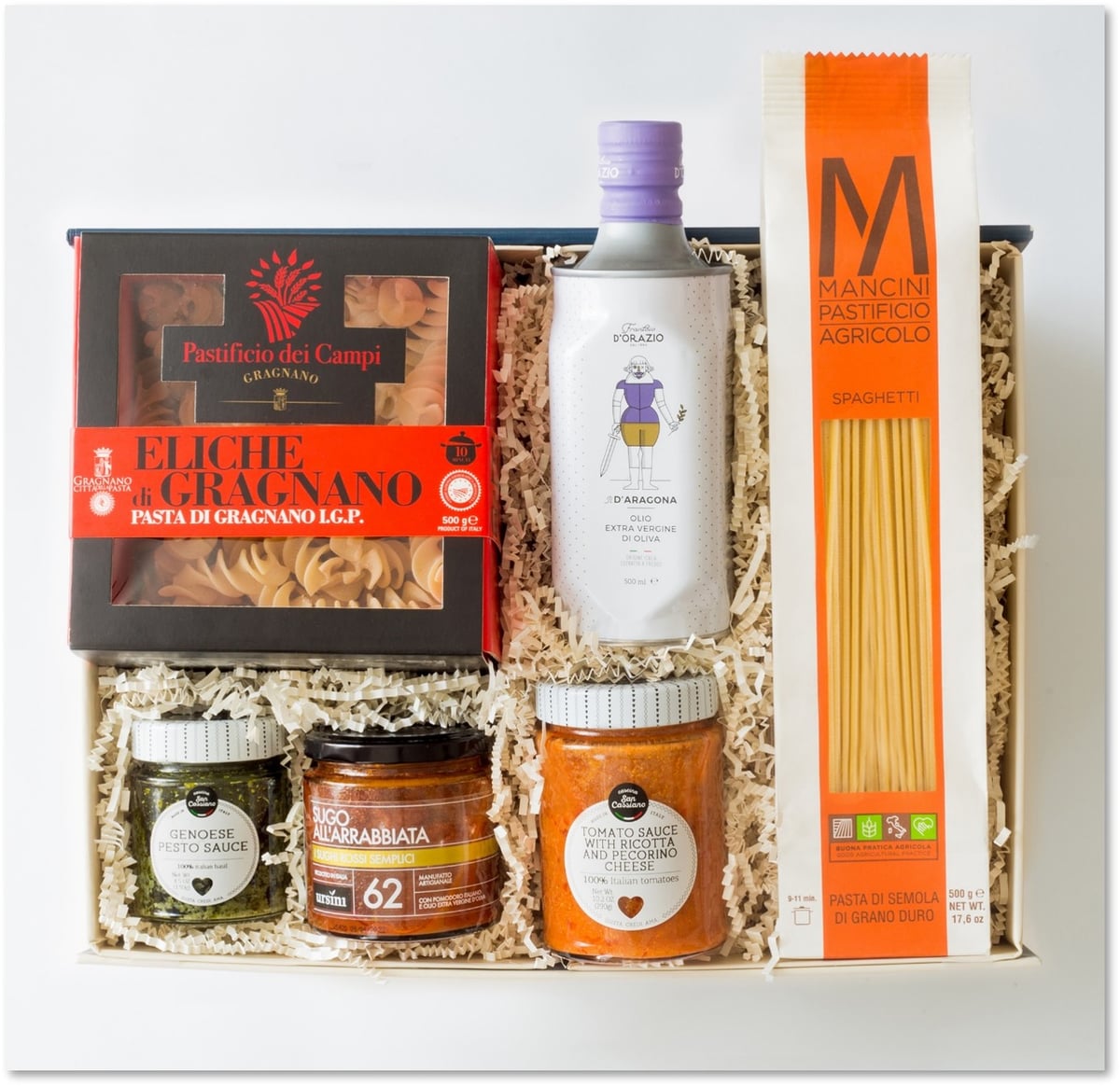
For those inspired by Tucci's pasta-making segments, consider how a carefully curated selection can recreate that sense of discovery. A box containing authentic Mancini pasta, basil pesto from Genova, and premium extra virgin olive oil allows recipients to experience the layered flavors Tucci explores throughout the series.
Elements that make gifted Italian products special:
- Artisan production methods requiring years of expertise
- Limited availability based on seasonal harvests or aging requirements
- Regional specificity that tells a geographical story
- Traditional recipes unchanged for generations
- Presentation that honors the product's cultural significance
The Pasta 1-0-1 collection exemplifies this philosophy, combining Mancini spaghetti with three distinct sauces and Frantoio d'Orazio olive oil-each component representing generations of specialized knowledge.
Emotional Connections: How Stanley Tucci Searching for Italy Celebrates Heritage
What sets stanley tucci searching for italy apart from typical food programming is Tucci's personal connection to the material. As an Italian-American with family roots in Calabria, he approaches each region with both curiosity and emotional investment. In interviews about the series, Tucci has discussed how filming deepened his understanding of his own heritage.
The Role of Food in Cultural Identity
Italian cuisine serves as a vehicle for maintaining cultural connections across generations and geographical distances. Whether you're Italian by heritage or simply by appreciation, sharing authentic Italian products creates bridges between cultures and experiences.
This emotional dimension makes Italian artisanal goods particularly meaningful for corporate gifting situations where you want to convey respect, sophistication, and genuine appreciation. A thoughtfully curated gift box communicates that you've invested time and consideration in your selection.
Regional Highlights from Stanley Tucci Searching for Italy Worth Exploring
The series dedicates focused attention to regions that many international viewers might overlook. While Tuscany and Sicily attract tourists in droves, stanley tucci searching for italy shines light on lesser-known culinary treasures.
Lombardy: Alpine Influences and Risotto Traditions
Lombardy's episode reveals how proximity to Switzerland and Austria has influenced northern Italian cuisine. Polenta, braised meats, and risotto alla Milanese reflect heartier preparations suited to colder climates. The region's cheeses, from Gorgonzola to Taleggio, demonstrate sophisticated aging techniques.
Emilia-Romagna: The Heart of Italian Gastronomy
Often called Italy's food capital, Emilia-Romagna produces more DOP-certified products than any other region. Tucci's explorations here include:
- Fresh egg pasta production in Bologna
- Parmigiano Reggiano aging in massive wheels
- Traditional balsamic vinegar production in Modena
- Prosciutto di Parma curing processes
- Mortadella crafting techniques
Liguria: Maritime Flavors and Herb-Forward Cuisine
The coastal region's pesto Genovese receives particular attention, with Tucci learning the precise ratios of basil, pine nuts, Parmigiano Reggiano, pecorino, garlic, and olive oil that create the perfect sauce. This attention to detail-understanding that pesto isn't just "basil sauce" but a carefully balanced composition-exemplifies the series' educational value.
Recent episodes exploring Trento-Alto Adige showcase how German and Italian influences merge in mountain cuisine, featuring speck, canederli, and apple strudel alongside polenta and wine.
The Production Values Behind Stanley Tucci Searching for Italy
Beyond content, the series succeeds through exceptional cinematography that treats food as art. Close-up shots of glistening olive oil, steaming pasta, and golden-crusted bread create visceral reactions in viewers. This visual approach mirrors the presentation standards that distinguish quality Italian gift boxes.
Lessons in Presentation and Aesthetics
Visual storytelling techniques:
- Natural lighting that highlights food's inherent beauty
- Attention to plating and traditional serving vessels
- Context shots showing production environments
- Close-ups revealing texture and craftsmanship
- Color palettes reflecting regional landscapes
These production choices remind us that presentation matters enormously when gifting. Premium Italian products deserve packaging that honors their quality and the care invested in their creation.
Stanley Tucci Searching for Italy: Streaming Access and Viewing Options
For those interested in watching the series, stanley tucci searching for italy streams on multiple platforms. The original series premiered on CNN, with subsequent seasons appearing on National Geographic under the title "Tucci in Italy." Both versions maintain the same core approach while expanding to additional regions.
| Platform |
Series Name |
Seasons Available |
Notes |
| CNN/Max |
Stanley Tucci: Searching for Italy |
Seasons 1-2 |
Original series |
| National Geographic/Disney+ |
Tucci in Italy |
Season 3+ |
Continues the journey |
| Streaming rental |
Both versions |
Varies by service |
Check availability by region |
The accessibility of these episodes makes stanley tucci searching for italy an excellent resource for anyone seeking to deepen their understanding of Italian food culture, whether for personal enrichment or to inform more thoughtful gift selections.
Artisan Partnerships: The Backbone of Authentic Italian Products
Throughout stanley tucci searching for italy, the camera lingers on artisan producers who've dedicated their lives to perfecting single products. A cheesemaker who's produced Parmigiano Reggiano for forty years. A pasta maker whose family has operated the same pastificio for five generations. These relationships between maker and product reflect values that resonate with conscientious consumers.
Why Artisan Partnerships Matter
When sourcing authentic Italian gifts, partnerships with these small producers ensure quality, authenticity, and fair compensation for craftspeople. Rather than industrial-scale production that prioritizes profit margins, artisan partnerships preserve traditional methods and support rural Italian communities.
Benefits of artisan-sourced products:
- Traceability to specific producers and regions
- Traditional production methods maintained
- Seasonal variations reflecting natural cycles
- Economic support for small Italian businesses
- Superior flavor profiles from quality ingredients
This approach aligns perfectly with what Tucci celebrates throughout the series: the human element behind exceptional food.
Seasonal Celebrations in Stanley Tucci Searching for Italy
Italian food culture follows seasonal rhythms that stanley tucci searching for italy captures beautifully. From truffle hunting in autumn to tomato harvesting in late summer, the series demonstrates how Italian cuisine responds to nature's calendar.
Gift-Giving Aligned with Seasons
Understanding these seasonal patterns enriches gift-giving choices. Spring brings fresh artichokes and fava beans. Summer delivers sun-ripened tomatoes and basil. Autumn offers mushrooms, chestnuts, and white truffles. Winter features preserved foods, citrus, and holiday sweets like panettone and torrone.
Selecting seasonal Italian products demonstrates sophistication and respect for natural production cycles. It shows you understand that truly exceptional ingredients can't be rushed or produced year-round.
The Educational Impact of Stanley Tucci Searching for Italy
Beyond entertainment, stanley tucci searching for italy functions as culinary education. Viewers learn proper pasta cooking techniques, the difference between northern and southern Italian cooking styles, and why specific ingredients pair naturally based on regional traditions.
Translating Knowledge into Appreciation
This educational component transforms how people approach Italian food products. Instead of viewing aged balsamic vinegar as merely expensive condiment, they understand the decades-long aging process in wooden barrels. Rather than seeing handmade pasta as quaint, they recognize the skill required to achieve proper texture and sauce absorption.
Key educational takeaways from the series:
- Regional Italian cuisines differ dramatically from each other
- Traditional production methods significantly impact flavor
- Quality ingredients require minimal preparation
- Family traditions preserve culinary knowledge
- Italian food culture emphasizes sharing and generosity
These insights make viewers-and by extension, gift recipients-more appreciative of authentic Italian artisanal products. When someone understands the story behind what they're tasting, the experience becomes memorable rather than merely consumable.
Contemporary Relevance of Traditional Italian Food Culture
While stanley tucci searching for italy celebrates tradition, it also demonstrates these practices' contemporary relevance. In an era of fast food and industrial agriculture, the slow food movement and artisan production methods offer alternative values: sustainability, community support, and quality over quantity.
Modern Applications of Traditional Values
Italian food traditions align remarkably well with current consumer priorities around transparency, sustainability, and authentic experiences. Young professionals seeking meaningful alternatives to mass-market options find resonance in products that tell stories and connect to specific places and people.
Corporate gift selections increasingly reflect these values, with companies choosing artisan Italian products to convey sophistication, cultural awareness, and appreciation for quality. These gifts make statements about organizational values while providing genuine pleasure to recipients.
Personal Growth Through Culinary Exploration
Tucci's journey throughout stanley tucci searching for italy models how food exploration can deepen cultural understanding and personal growth. His willingness to try unfamiliar foods, ask questions, and engage with local people demonstrates openness and curiosity that enriches every episode.
This approach suggests that gifting Italian artisanal products can initiate similar journeys for recipients. A box of regional specialties becomes an invitation to explore, to taste something unfamiliar, to appreciate craftsmanship, and perhaps to research the regions and traditions behind what they're enjoying.
Ways Italian food gifts inspire exploration:
- Encouraging recipients to research regional traditions
- Prompting recipe experimentation with quality ingredients
- Sparking interest in Italian language and culture
- Creating conversation starters around food and heritage
- Building appreciation for artisan craftsmanship
The best gifts don't merely satisfy immediate wants-they open doors to new experiences and understanding.
Stanley Tucci's exploration of Italy through regional cuisine offers profound insights into how food connects us to culture, tradition, and each other. His journey reminds us that exceptional ingredients carry stories worth sharing, and that thoughtful presentation honors both maker and recipient. Whether you're seeking to recreate the flavors Tucci discovers or share Italy's artisan traditions with colleagues, clients, or loved ones, Tasty Ribbon curates authentic Italian products that connect you directly to the heart of these regional traditions, delivering the same quality and care that makes Tucci's series so compelling.