There's a particular magic that happens when you twirl a fork through perfectly made carbonara, watching the glossy sauce cling to each strand of pasta like silk. This iconic Roman dish has captivated food lovers worldwide, yet many home cooks feel intimidated by its apparent complexity. The truth? Easy carbonara is not an oxymoron. With the right technique and quality ingredients, you can master this beloved Italian classic in less time than it takes to order takeout, creating a restaurant-worthy meal that celebrates the essence of Italian cooking: simplicity, quality, and respect for tradition.
Understanding the Heart of Easy Carbonara
The beauty of carbonara lies in its minimalism. Unlike cream-laden imposters found in many international kitchens, authentic carbonara relies on just five ingredients: pasta, guanciale (cured pork jowl), eggs, Pecorino Romano cheese, and black pepper. This simplicity, however, demands precision and understanding.
The dish emerged in Rome during the mid-20th century, though its exact origins remain deliciously mysterious. Some food historians suggest coal miners (carbonari) inspired the name, while others point to the generous cracking of black pepper resembling coal dust. Regardless of its birthplace story, carbonara has become a cornerstone of Roman cuisine and a test of any cook's technical skill.
The Science Behind the Silky Sauce
What transforms easy carbonara from good to extraordinary is understanding the emulsion. When hot pasta meets the egg and cheese mixture, the residual heat gently cooks the eggs while the starchy pasta water creates a creamy, cohesive sauce. This happens at precisely the right temperature: too hot, and you'll have scrambled eggs; too cool, and the sauce won't come together.
The process requires confidence and timing. According to traditional preparation methods, removing the pan from direct heat before adding the egg mixture gives you control over the temperature, allowing the residual warmth to work its magic without overwhelming the delicate proteins.
Selecting Quality Ingredients for Easy Carbonara
The foundation of exceptional carbonara starts at the market. Each component plays a specific role, and substitutions can dramatically alter the final result.
Essential Components
-
Pasta: Traditionally spaghetti, though rigatoni and bucatini work beautifully
-
Guanciale: The authentic choice, offering rich, sweet pork flavor
-
Pecorino Romano: Sharp, salty sheep's milk cheese essential for proper taste
-
Farm-fresh eggs: Room temperature eggs create smoother emulsions
-
Freshly ground black pepper: Generous amounts provide signature heat
When sourcing ingredients for your easy carbonara, prioritize quality over convenience. The difference between supermarket Parmesan and authentic Parmigiano Reggiano illustrates why Italian artisans guard their traditional production methods so carefully.
| Ingredient |
Traditional Choice |
Acceptable Substitute |
Why It Matters |
| Pork |
Guanciale |
Pancetta or thick-cut bacon |
Guanciale's sweetness and fat content create authentic flavor |
| Cheese |
Pecorino Romano |
Parmigiano Reggiano |
Pecorino's sharpness balances the rich pork |
| Pasta |
Bronze-die extruded |
Standard dried pasta |
Rough texture helps sauce cling better |
| Eggs |
Farm-fresh, room temp |
Standard refrigerated |
Temperature affects emulsion success |
Mastering the Easy Carbonara Technique
The technical execution of carbonara separates competent cooks from confident ones. Follow these steps for consistent success.
First, bring your pasta water to a rolling boil. Salt it generously, as this is your only opportunity to season the pasta itself. While the water heats, cut your guanciale into small strips or lardons, about a quarter-inch thick.
The Critical Steps
-
Cook the guanciale slowly in a cold pan, allowing the fat to render gradually without burning
-
Reserve pasta water before draining, capturing that precious starchy liquid
-
Whisk eggs and cheese together in a bowl until completely smooth
-
Temper the egg mixture by adding a small amount of hot pasta water while whisking
-
Combine everything off heat, tossing vigorously to create the emulsion
The timing here proves crucial. As Jamie Oliver's straightforward approach demonstrates, having all components ready before you start combining ensures nothing overcooks or cools down at the wrong moment.
Temperature Control Secrets
Remove your pan from heat before adding the pasta to the guanciale. The residual heat from the pan and the hot pasta will be sufficient to cook the eggs gently. If the sauce seems too thick, add reserved pasta water one tablespoon at a time, tossing constantly until you achieve a glossy, flowing consistency that coats each strand.
The motion matters as much as the ingredients. Vigorous tossing incorporates air into the sauce, creating that coveted light, creamy texture without any cream whatsoever. This technique, passed down through generations of Roman grandmothers, transforms simple ingredients into something transcendent.
Common Mistakes and Easy Carbonara Solutions
Even experienced cooks encounter challenges when preparing carbonara. Understanding potential pitfalls helps you navigate them confidently.
Scrambled Eggs Disaster
The problem: Adding eggs to pasta that's too hot creates scrambled eggs rather than sauce.
The solution: Always remove the pan from direct heat. Let the pasta cool for 30 seconds after draining before adding to the guanciale. The pasta should be hot enough to steam slightly but not violently sizzling.
Dry, Clumpy Sauce
The problem: Insufficient pasta water or cheese that hasn't been properly combined.
The solution: Reserve at least two cups of pasta water. The starch in this liquid acts as a natural emulsifier, helping fat and water combine smoothly. Add it gradually while tossing.
Greasy Rather Than Creamy
This common issue occurs when the rendered fat from the guanciale doesn't properly emulsify with the egg mixture. The fix involves more vigorous tossing and ensuring you've added enough cheese and pasta water to bind everything together cohesively.
When crafting gourmet Italian pasta dishes at home, these small technical adjustments make the difference between amateur and artisan results.
Variations on the Easy Carbonara Theme
While purists insist on the traditional recipe, thoughtful variations can highlight seasonal ingredients or accommodate dietary preferences without sacrificing the dish's essential character.
Seasonal Adaptations
Spring carbonara incorporates tender peas and fresh mint, adding brightness to the rich sauce. Summer versions might include zucchini blossoms or cherry tomatoes for acidity. Budget-conscious interpretations prove that quality doesn't always require luxury ingredients, just careful technique and respect for the fundamentals.
Vegetable additions should enhance, not overwhelm. Asparagus tips, snap peas, or sautéed mushrooms can provide textural contrast while maintaining the sauce's integrity. Always add vegetables that have been cooked separately, allowing you to control each element's doneness precisely.
Protein Alternatives
While guanciale remains the gold standard, pancetta offers a more widely available alternative with similar flavor profiles. For those avoiding pork, duck bacon or prosciutto can work, though they'll create a noticeably different dish. The key lies in choosing cured meats with sufficient fat content to create the proper sauce base.
Pairing and Presentation for Easy Carbonara
Romans typically enjoy carbonara as a first course (primo piatto), but it serves equally well as a satisfying main dish. The presentation should be simple yet elegant, letting the dish's natural beauty shine.
Plate carbonara in warm bowls immediately after preparation. The sauce continues to set as it cools, so timing your service ensures everyone experiences the dish at its peak. Finish each portion with an extra grinding of black pepper and a small shower of additional Pecorino Romano.
Wine Pairing Recommendations
| Wine Style |
Specific Examples |
Why It Works |
| Crisp White |
Frascati, Verdicchio |
Acidity cuts through richness |
| Light Red |
Chianti, Valpolicella |
Fruit balances salty cheese |
| Sparkling |
Prosecco, Franciacorta |
Bubbles cleanse the palate |
The richness of easy carbonara demands wines with good acidity and moderate alcohol levels. Overly tannic or heavy wines compete rather than complement the dish's delicate balance.
Tools and Equipment for Easy Carbonara Success
Professional results don't require professional kitchens. A few well-chosen tools make the process smoother and more enjoyable.
Essential equipment includes a large pot for boiling pasta, a heavy-bottomed skillet for rendering the guanciale, and a large mixing bowl for combining ingredients. A fine-toothed grater ensures your cheese melts smoothly into the sauce rather than forming clumps.
The Tongs Technique
Quality kitchen tongs become your best friend when making carbonara. They allow you to toss the pasta vigorously without flinging ingredients around your kitchen. The tossing motion should come from your wrist, creating a smooth, circular movement that lifts and aerates the sauce.
A ladle dedicated to pasta water prevents cross-contamination and helps you measure additions precisely. Some cooks swear by keeping a measuring cup near the pot, ensuring they never drain pasta without reserving adequate cooking liquid.
Teaching Easy Carbonara to Others
Sharing culinary knowledge creates connections that transcend the dinner table. Teaching friends or family to make easy carbonara becomes an act of cultural transmission, passing along techniques and traditions that have sustained communities for generations.
Start with mise en place: having all ingredients measured, chopped, and ready before beginning. This French culinary concept proves especially valuable when teaching carbonara, as the cooking process moves quickly once started.
Encourage students to taste as they cook, developing their palate alongside their technical skills. Understanding how Pecorino Romano's sharpness balances guanciale's sweetness, or how black pepper's heat brightens the entire dish, builds intuitive cooking abilities that extend far beyond a single recipe.
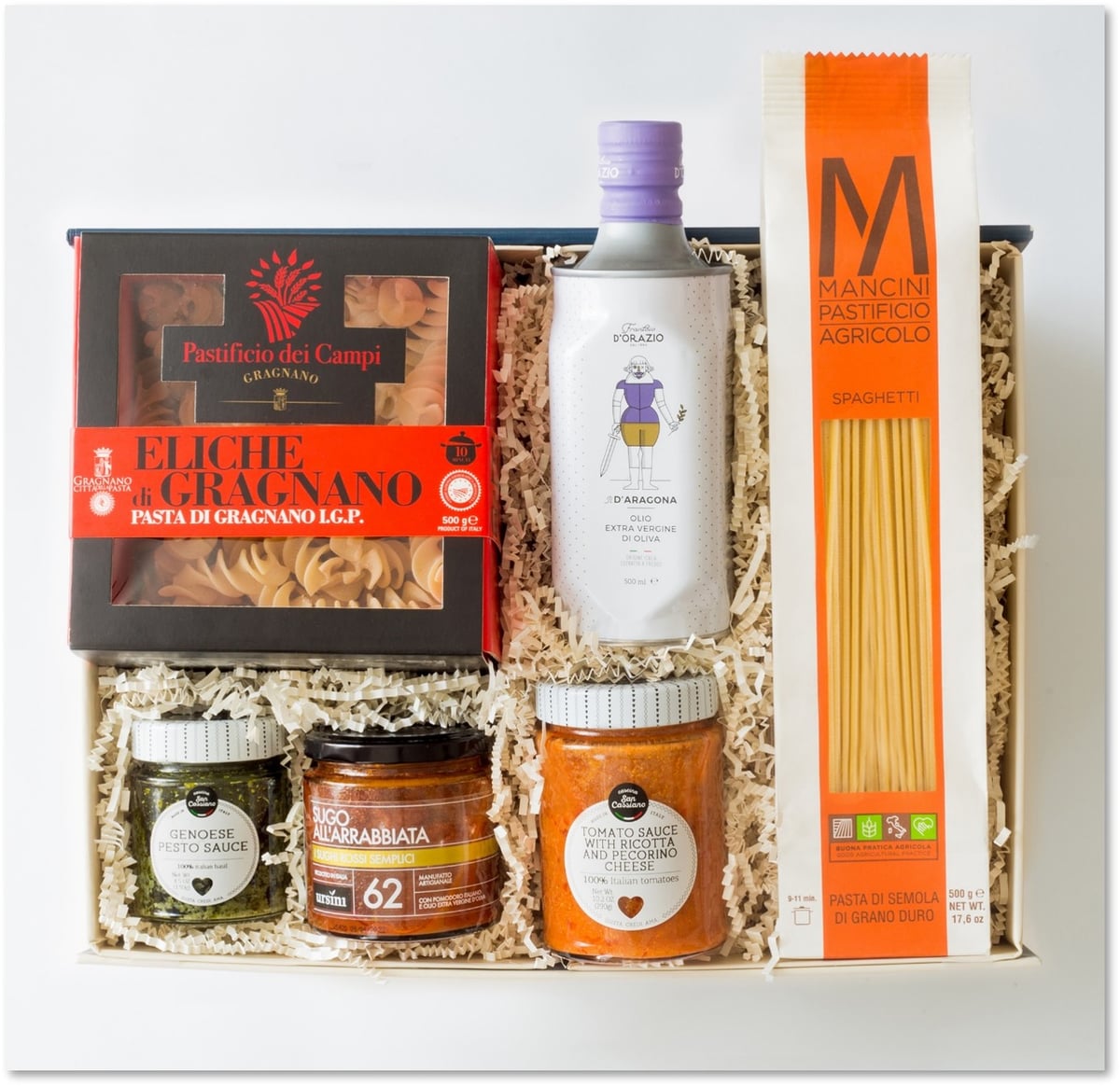
For those looking to share the joy of Italian culinary traditions through thoughtful gifting, pasta gift sets provide everything needed to recreate authentic dishes at home. These curated collections introduce recipients to artisanal ingredients that elevate everyday cooking into something memorable.
The Cultural Significance of Easy Carbonara
Food anthropologists recognize carbonara as more than sustenance; it represents Roman identity and Italian cooking philosophy. The dish exemplifies how Italian cuisine creates extraordinary results from ordinary ingredients through technique, timing, and respect for quality.
Romans take their carbonara seriously. Local trattorias compete fiercely for the title of best carbonara in Rome, with passionate debates erupting over minutiae like pasta shape preferences or the exact ratio of Pecorino to Parmigiano (purists insist on 100% Pecorino, while some cooks add a touch of Parmigiano for complexity).
Home Cooking as Cultural Practice
The act of preparing easy carbonara at home connects you to centuries of Italian culinary tradition. Unlike restaurant dining, home cooking allows for experimentation and personalization while honoring foundational techniques. Understanding traditional Italian cooking means recognizing that rules exist to guide rather than restrict, providing a framework within which creativity flourishes.
Troubleshooting Advanced Easy Carbonara Challenges
Once you've mastered the basics, you might encounter more subtle challenges that separate good carbonara from exceptional.
Achieving Perfect Consistency
The ideal carbonara sauce should coat pasta in a glossy veil, neither pooling at the bottom of the bowl nor sitting heavily on the noodles. This consistency depends on the precise balance between egg, cheese, and pasta water.
If your sauce is too thick: Add pasta water one tablespoon at a time while tossing vigorously. The sauce should loosen immediately as the starch helps create a more fluid emulsion.
If your sauce is too thin: This often results from adding too much pasta water too quickly. Continue tossing off heat, allowing some moisture to evaporate. Adding a bit more grated cheese can also help thicken the sauce.
Balancing Flavors
The interplay between salty Pecorino, rich guanciale, and sharp black pepper creates carbonara's signature flavor profile. If your dish tastes one-dimensional, consider these adjustments:
-
Too salty: Reduce the amount of reserved cooking water (which contains salt) or use less Pecorino
-
Too bland: Increase black pepper significantly and ensure your Pecorino Romano is freshly grated
-
Too rich: Balance with extra black pepper and a small squeeze of lemon juice (non-traditional but effective)
Storing and Reheating Considerations
Carbonara tastes best immediately after preparation, but understanding proper storage helps minimize food waste when you've made too much.
Refrigerate leftovers within two hours, storing them in an airtight container for up to two days. The sauce will solidify as it cools, making reheating challenging. Add a small amount of milk or cream (yes, non-traditional, but practical) along with a splash of water when reheating gently in a pan. The goal is reviving the emulsion rather than perfectly recreating the original texture.
Freezing carbonara isn't recommended, as the egg-based sauce separates and becomes grainy upon thawing. Better to prepare only what you'll consume immediately, treating each preparation as a fresh culinary event.
Mastering easy carbonara opens the door to countless Italian culinary traditions, each celebrating quality ingredients and time-honored techniques. Whether you're preparing a quick weeknight dinner or showcasing your skills for guests, this Roman classic delivers impressive results with surprising simplicity. For those who want to share the authentic taste of Italy with friends, family, or colleagues, Tasty Ribbon offers thoughtfully curated collections of artisanal Italian ingredients that transform everyday meals into extraordinary experiences, connecting you to the heart of Italian food culture through every carefully selected product.