The first time I watched a Roman nonna roll out egg fettuccine on a wooden board worn smooth by decades of use, I understood why some pasta needs nothing more than butter and cheese to sing. Her hands moved with practiced rhythm, the golden dough transforming into silken ribbons that caught the afternoon light streaming through her kitchen window. This is egg fettuccine at its purest-a pasta that speaks of tradition, skill, and the understanding that sometimes the simplest ingredients create the most extraordinary experiences.
The Heritage Behind Egg Fettuccine's Golden Hue
Egg fettuccine represents one of Italy's most beloved pasta traditions, originating in the Lazio region where Roman cooks perfected the art of combining flour and eggs into tender, luxurious strands. Unlike dried pasta made solely from semolina and water, egg fettuccine incorporates whole eggs, creating a richer flavor profile and distinctive golden color that signals quality and authenticity.
The name itself tells a story-"fettuccine" derives from the Italian word "fettuccia," meaning small ribbon or strip. These ribbons typically measure approximately 6-7 millimeters in width, slightly narrower than their Tuscan cousin, pappardelle, but wider than tagliatelle from Emilia-Romagna. This specific width isn't arbitrary; it represents centuries of culinary wisdom about how sauce clings to pasta and how texture plays on the palate.
Regional Variations Across Italian Kitchens
Different Italian regions have developed their own relationships with this beloved pasta shape. In Rome, egg fettuccine paired with simple butter and Parmigiano Reggiano became legendary as "Fettuccine Alfredo," though Italians prefer the even simpler "fettuccine al burro." In the Marche region, cooks might toss their ribbons with wild mushrooms foraged from Apennine hillsides, while Umbrian kitchens favor black truffle shavings that perfume entire rooms.
The beauty of authentic Italian pasta lies in understanding these regional nuances. When exploring gourmet Italian pasta traditions, you discover that each area's approach reflects local ingredients, historical trade routes, and family traditions passed down through generations.
Crafting Egg Fettuccine: The Artisan Process
Creating exceptional egg fettuccine begins with selecting premium ingredients-a principle that artisanal Italian producers hold sacred. The flour matters immensely; traditional recipes call for "00" flour, milled to a silky-fine consistency that creates smooth, tender pasta. Some makers blend in semolina flour for added texture and bite, as noted in authentic preparation methods that honor Italian traditions.
The egg ratio proves equally critical. Professional pasta makers typically use one large egg per 100 grams of flour, though some recipes adjust this based on egg size and humidity levels. Fresh eggs with vibrant orange yolks produce pasta with deeper color and richer flavor-a visual and culinary difference that distinguishes artisanal products from industrial alternatives.
The Rolling and Cutting Technique
Once the dough rests-a crucial step allowing gluten to relax-the transformation begins. Traditional methods involve rolling dough by hand with a long wooden pin called a "mattarello," gradually working the dough into increasingly thin sheets. Modern pasta makers often use machines, but the principle remains: achieving sheets thin enough to read through yet sturdy enough to hold their shape during cooking.
The cutting phase requires precision and care. Making fresh egg fettuccine involves folding the pasta sheet loosely, then slicing through the layers to create uniform ribbons. Skilled hands produce remarkably consistent widths, ensuring even cooking and elegant presentation. The ribbons then unfurl and rest in loose nests, allowing air circulation to prevent sticking.
Pairing Egg Fettuccine with Traditional Sauces
The luxurious texture of egg fettuccine demands sauces that complement rather than overwhelm its delicate richness. Classic preparations highlight this balance beautifully, demonstrating why certain combinations have endured for generations.
Traditional Sauce Pairings:
-
Butter and Parmigiano: The quintessential Roman preparation that lets pasta quality shine
-
Cream-based sauces: Rich preparations like Parmigiano and prosciutto cream that mirror pasta's luxurious texture
-
Ragù Bolognese: Slowly simmered meat sauce that clings beautifully to wide ribbons
-
Funghi porcini: Wild mushroom preparations celebrating seasonal Italian ingredients
-
Carbonara: Though traditionally made with longer pasta, some regions adapt this egg-and-guanciale masterpiece
The key principle underlying these pairings involves textural harmony. Egg fettuccine's tender bite and smooth surface create the perfect canvas for sauces that coat rather than pool. The pasta's width provides enough surface area for sauce adherence while maintaining structural integrity-it won't break down or become mushy when properly prepared.
Creative Contemporary Interpretations
While respecting tradition remains paramount in Italian cooking, contemporary chefs have explored innovative combinations that honor pasta's versatility. Egg fettuccine with figs, rosemary, and pancetta represents this creative spirit, blending sweet and savory elements that surprise and delight. Some preparations incorporate seafood, vegetables, or unexpected herbs, proving that quality pasta welcomes experimentation when approached with respect and understanding.
For those seeking inspiration beyond traditional boundaries, consider how seasonal ingredients can transform a simple pasta dish. Spring might bring fresh peas and mint, summer offers cherry tomatoes and basil, autumn welcomes squash and sage, while winter invites heartier preparations with root vegetables and robust cheeses.
Cooking Egg Fettuccine to Perfection
Achieving ideal texture when cooking egg fettuccine requires attention to detail and timing. Fresh egg pasta cooks remarkably quickly compared to dried varieties-often just 2-3 minutes in boiling salted water. The water should taste like the sea, generously salted to season the pasta from within as it cooks.
The Italian concept of "al dente"-literally "to the tooth"-applies differently to fresh egg pasta than dried semolina versions. Fresh egg fettuccine should offer gentle resistance without chewiness, tender yet never mushy. Testing requires tasting; no timer can substitute for your palate's judgment.
Essential Cooking Guidelines:
- Use abundant water (at least 4-5 liters per pound of pasta)
- Bring water to a rolling boil before adding salt
- Add pasta only when water returns to full boil
- Stir gently immediately after adding pasta
- Reserve pasta cooking water before draining
- Never rinse pasta intended for sauce
That reserved pasta water contains precious starches that help emulsify sauces, creating silky consistency that binds sauce to pasta. Professional chefs guard this "liquid gold," using it to adjust sauce consistency and enhance flavor integration.
Temperature and Timing Considerations
Serve egg fettuccine immediately after tossing with sauce-pasta waits for no one in Italian kitchens. The pasta should arrive at the table still steaming, plated on warmed dishes that maintain temperature throughout the meal. This attention to serving temperature separates memorable pasta experiences from merely adequate ones.
When preparing egg fettuccine for special occasions or gifts, understanding these nuances helps you appreciate the craft behind food set gifts featuring premium artisanal pasta. Quality pasta deserves thoughtful preparation that honors the maker's skill and ingredient excellence.
Egg Fettuccine in Gift-Giving Traditions
Italian food culture recognizes that sharing exceptional ingredients represents an act of generosity and connection. Presenting someone with artisanal egg fettuccine-perhaps paired with complementary ingredients for a complete meal-communicates care, sophistication, and cultural appreciation. This tradition of culinary gifting runs deep in Italian heritage, where food serves as a language of love and celebration.
Curating a pasta gift requires thoughtful selection of complementary elements. Consider pairing premium egg fettuccine with authentic Parmigiano Reggiano aged 24 months or longer, extra virgin olive oil from a specific Italian region, and perhaps high-quality tinned tomatoes or specialty sauces. These combinations create complete experiences rather than isolated ingredients.
| Gift Element |
Quality Indicator |
Purpose |
| Artisanal Pasta |
Made with fresh eggs, proper width |
Foundation of the meal |
| Aged Cheese |
PDO certification, aging minimum |
Flavor depth and authenticity |
| Extra Virgin Olive Oil |
Single-origin, cold-pressed |
Finishing and enhancement |
| Specialty Sauce |
Traditional preparation, regional specificity |
Convenience with authenticity |
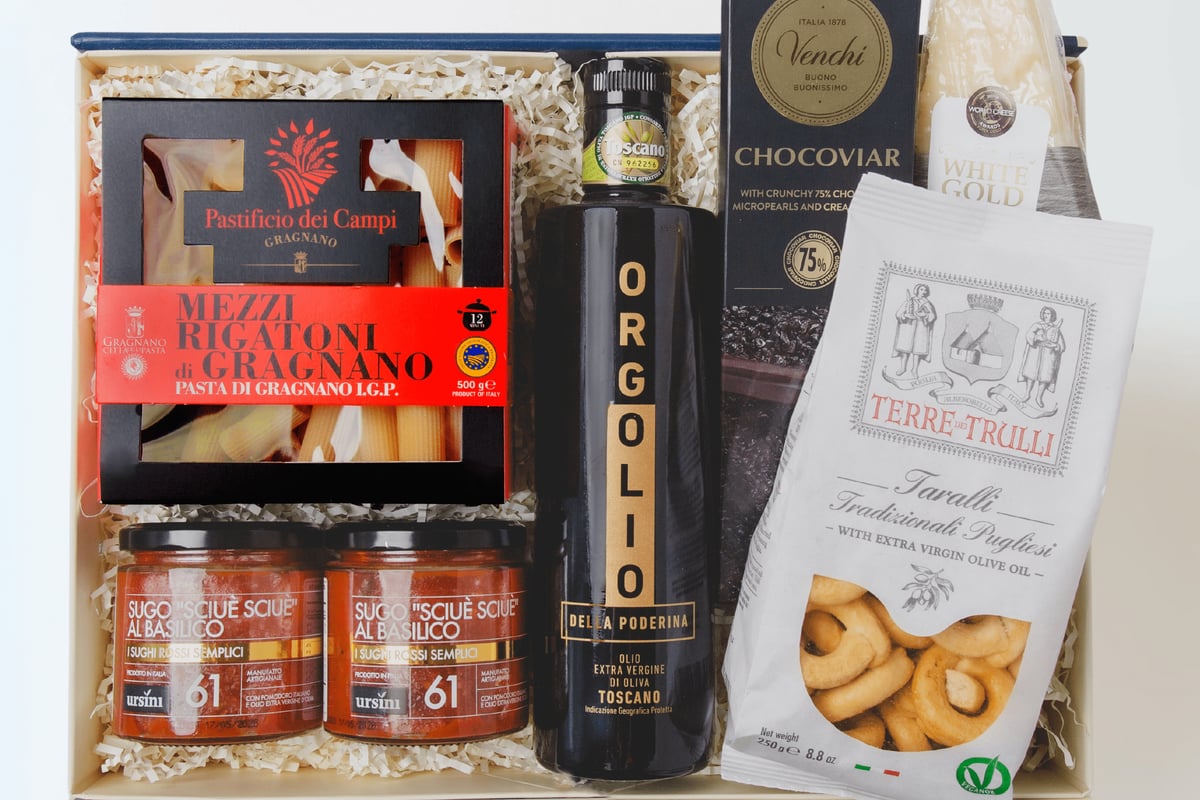
For those passionate about cooking, The Black-Tie Affair offers an elegant introduction to authentic Italian dining at home. This carefully curated collection brings together premium pasta from the Amalfi Coast with rich tomato and basil sauce and aged Parmigiano Reggiano, creating an experience worthy of special occasions while honoring Italian culinary traditions.
Corporate and Celebratory Occasions
Business relationships often benefit from gifts that demonstrate cultural sophistication and genuine thoughtfulness. Italian gourmet gifts centered around premium pasta communicate refinement while remaining approachable-everyone appreciates exceptional food. Whether acknowledging a successful partnership, celebrating a milestone, or simply expressing appreciation, corporate gift boxes featuring artisanal Italian products create lasting impressions.
The presentation matters as much as the contents. Beautiful packaging that reflects Italian aesthetic sensibilities-clean lines, quality materials, attention to detail-elevates the entire gifting experience. Recipients should feel they're opening a treasure rather than simply receiving products.
Storing and Preserving Egg Fettuccine Quality
Fresh egg fettuccine requires careful storage to maintain its exceptional quality. Unlike dried pasta that keeps almost indefinitely in a pantry, fresh egg pasta remains perishable due to its moisture content and egg inclusion. Refrigerated fresh pasta typically stays optimal for 2-3 days, while frozen egg fettuccine can maintain quality for several months when properly wrapped.
Storage Best Practices:
-
Refrigeration: Store in airtight containers, lightly dusted with flour
-
Freezing: Arrange nests on parchment-lined trays, freeze solid, then transfer to freezer bags
-
Drying: Some home cooks partially dry fresh pasta for extended room-temperature storage
-
Handling: Always use clean, dry hands when portioning to prevent contamination
When purchasing artisanal dried egg fettuccine-a shelf-stable alternative to fresh-store packages in cool, dark locations away from moisture and strong odors. Quality dried egg pasta can maintain peak flavor for up to two years when properly stored, making it ideal for gift boxes and personal pantry stocking.
The Nutritional Profile of Egg Fettuccine
Beyond its culinary appeal, egg fettuccine offers substantive nutritional value. The egg content provides complete protein containing all essential amino acids, while the wheat flour delivers complex carbohydrates for sustained energy. This combination creates a more balanced nutritional profile than pasta made from flour alone.
Each serving of egg fettuccine typically provides approximately 220-250 calories per 2-ounce dry portion, along with protein, iron, B vitamins, and other nutrients found in whole eggs. The exact nutritional content varies based on egg-to-flour ratios and whether the pasta incorporates whole grain flours or remains made from refined "00" flour.
For those monitoring dietary intake, understanding that fettuccine carbonara and similar preparations add significant calories through cheese, eggs, and cured meats helps with meal planning. Balance remains key-enjoying rich pasta dishes alongside vegetables, lean proteins, and mindful portion sizes allows for both pleasure and health consciousness.
Egg Fettuccine Across Seasonal Italian Tables
Italian cooking celebrates seasonality with reverence, and egg fettuccine adapts beautifully across the year's changing harvests. Spring brings tender asparagus and fresh peas that pair delightfully with light cream sauces. Summer invites fresh tomatoes, basil from window boxes, and perhaps a splash of crisp white wine in the sauce.
As autumn arrives, heartier preparations emerge. Wild mushrooms foraged from forests join egg fettuccine in earthy celebrations of the season's bounty. Winter welcomes robust meat ragùs that simmer for hours, filling homes with aromas that promise comfort against cold winds. This seasonal approach to pasta ensures variety while honoring the Italian principle of eating what grows when it grows.
Holiday and Celebration Meals
Special occasions call for elevated pasta presentations. Christmas Eve fish feasts might feature egg fettuccine with seafood, while Easter celebrations often include lighter spring vegetable preparations. Understanding these traditional associations enriches your appreciation of Italian food culture and provides inspiration for your own celebrations.
When planning memorable meals for gatherings, consider how pasta courses fit into the broader Italian dining structure. Pasta typically appears as a "primo" (first course) following antipasti but before meat or fish "secondi." This progression allows guests to savor each element without overwhelming palates or appetites.
Modern Innovations in Egg Fettuccine Production
Contemporary artisanal pasta makers honor tradition while embracing selective innovations that enhance quality without compromising authenticity. Some producers now offer organic egg fettuccine made with heritage grain varieties and eggs from pasture-raised chickens. These choices reflect growing consumer awareness about ingredient sourcing and environmental impact.
Technology also plays a role, with temperature-controlled drying rooms and precision cutting equipment ensuring consistency that even the most skilled hands struggle to match. However, the finest producers maintain that certain aspects-dough mixing, texture assessment, quality control-require human expertise that machines cannot replicate.
The market now includes specialty variations: egg fettuccine made with herbs mixed into the dough, pasta incorporating vegetable purées for color and nutrition, and even versions using alternative flours for those with dietary restrictions. While purists might question these innovations, they demonstrate pasta's adaptability and enduring appeal across diverse dietary needs.
Egg fettuccine embodies centuries of Italian culinary wisdom, transforming humble ingredients into extraordinary dining experiences through skill, tradition, and respect for quality. Whether you're preparing a simple weeknight dinner or planning an elegant celebration, this golden-ribboned pasta offers endless possibilities for creating memorable meals. Tasty Ribbon brings the authentic flavors of Italy directly to your table through carefully curated collections of artisanal products, allowing you to share the joy of genuine Italian cuisine with those you cherish. Explore our selection of premium Italian ingredients and thoughtfully designed gift boxes that celebrate the artistry of Italy's finest food makers.