The first time I watched an Italian nonna roll out fresh pasta dough, the golden hue stopped me in my tracks. That distinctive color, somewhere between sunshine and saffron, came from farm-fresh eggs mixed into semolina flour. While fresh pasta holds a special place in Italian kitchens, its dried cousin has quietly become the pantry staple that connects home cooks worldwide to authentic Italian tradition. Dried egg pasta brings that same golden promise to your table, shelf-stable and ready whenever inspiration strikes. This beloved category of pasta represents centuries of Italian ingenuity, transforming simple ingredients into something extraordinary that can last for months while maintaining its character and quality.
The Heritage Behind Dried Egg Pasta Production
Italian pasta makers have perfected the art of pasta processing over generations, and dried egg pasta stands as one of their finest achievements. The tradition originated in northern Italian regions where egg-enriched doughs were commonplace, particularly in Emilia-Romagna and Piedmont. These areas had access to quality wheat and abundant poultry farms, making eggs a natural addition to pasta dough.
The drying process transforms this fresh mixture into something magical. Artisan producers carefully control temperature and humidity, slowly removing moisture over 12 to 36 hours. This gradual approach preserves the pasta's texture and flavor while creating a product that can sit in your pantry for up to two years without refrigeration.
Traditional Methods Meet Modern Standards
Authentic Italian producers still honor time-tested techniques even as they embrace modern quality controls. The best dried egg pasta contains at least five whole eggs per kilogram of semolina flour, creating that characteristic golden color and rich flavor. Some premium producers use even higher ratios, resulting in pasta with exceptional taste and texture.
Key quality indicators include:
- Deep golden to amber color throughout
- Clean ingredient list: semolina and eggs
- Rough, porous surface for sauce adhesion
- Bronze die-cut shapes with visible texture
- Protected Geographical Indication (PGI) certification where applicable
Understanding Dried Egg Pasta Shapes and Their Purpose
The variety of dried egg pasta shapes available reflects Italy's regional diversity and culinary wisdom. Each shape serves a specific purpose, designed to complement particular sauces and cooking methods.
| Shape Category |
Common Examples |
Best Sauce Pairings |
Regional Origin |
| Long ribbons |
Tagliatelle, fettuccine, pappardelle |
Cream-based, ragù, butter sauces |
Emilia-Romagna |
| Short cuts |
Maltagliati, quadrucci |
Soups, broths |
Northern Italy |
| Filled formats |
Tortellini, cappelletti |
Broth, light cream |
Emilia-Romagna |
| Nest shapes |
Tagliolini nests, capellini |
Delicate sauces, seafood |
Various regions |
Long ribbon shapes like tagliatelle showcase dried egg pasta at its finest. The wider surface area highlights the golden color while providing ample space for rich sauces to cling. When you're preparing gourmet Italian pasta dishes, these shapes create restaurant-quality presentations at home.
Selecting the Right Shape for Your Dish
Choosing your dried egg pasta shape isn't just about aesthetics. The Italians developed specific shapes to maximize flavor delivery and eating experience. Wider ribbons like pappardelle stand up to hearty meat ragùs, their broad surface catching every bit of sauce. Meanwhile, delicate angel hair nests work beautifully with light butter and sage or fresh tomato preparations.
For curated selections that showcase these premium pasta varieties, exploring food set gifts can introduce you to artisan-made options alongside complementary Italian ingredients.
Nutritional Profile and Health Considerations
Understanding what makes dried egg pasta nutritionally distinct helps you incorporate it thoughtfully into your meals. The egg content provides additional protein and nutrients compared to standard semolina pasta, creating a more complete nutritional package.
Dried egg pasta nutrition typically shows approximately 380 calories per 100 grams of uncooked pasta. This includes about 13-15 grams of protein, 70-75 grams of carbohydrates, and 3-5 grams of fat. The eggs contribute B vitamins, particularly riboflavin and folate, along with minerals like iron and selenium.
Nutritional highlights per 100g dry pasta:
- Protein: 13-15g (higher than egg-free pasta)
- Complex carbohydrates: 70-75g
- Dietary fiber: 3-4g
- Iron: 15-20% daily value
- B vitamins: Significant amounts of thiamin, riboflavin, niacin
The presence of eggs means this pasta contains cholesterol, though in moderate amounts. One serving (approximately 75g dry) provides roughly 50-70mg of cholesterol, well within recommended daily limits for most people.
Cooking Dried Egg Pasta to Perfection
Mastering the cooking technique for dried egg pasta ensures you experience its full potential. While the process mirrors cooking regular dried pasta, a few adjustments optimize results with egg-enriched varieties.
The Essential Cooking Process
Start with abundant water in your largest pot. Italian tradition calls for at least four liters of water per 500 grams of pasta. This generous ratio prevents sticking and maintains consistent temperature when you add the pasta. Salt the water generously once it reaches a rolling boil, approximately one tablespoon per four liters.
- Bring water to a vigorous, rolling boil
- Add salt (the water should taste like the sea)
- Add dried egg pasta all at once, stirring immediately
- Maintain active boiling throughout cooking
- Test for doneness one minute before package timing
- Reserve one cup of pasta water before draining
- Never rinse the cooked pasta
Dried egg pasta typically cooks faster than regular semolina pasta due to its egg content and often thinner profile. Tagliatelle might need just 6-8 minutes, while thicker shapes require 8-10 minutes. Always taste-test for that perfect al dente texture where the pasta offers slight resistance when bitten.
Sauce Integration Techniques
The moment after draining represents your opportunity to create magic. Dried egg pasta's slightly porous surface eagerly absorbs flavors when you toss it with sauce immediately. Transfer the drained pasta directly into your sauce pan, adding reserved pasta water gradually to achieve your desired consistency.
The starchy pasta water acts as a natural emulsifier, binding fats and liquids into a cohesive sauce that coats every strand. Start with just a few tablespoons and add more as needed. The sauce should cling to the pasta rather than pooling at the bottom of the bowl.
Storage and Shelf Life Considerations
Proper storage ensures your dried egg pasta maintains peak quality from purchase through preparation. Unlike fresh egg pasta which requires refrigeration, the dried version offers impressive pantry stability when stored correctly.
Keep unopened packages in a cool, dry location away from direct sunlight and heat sources. Your pantry or kitchen cupboard works perfectly, provided temperatures remain relatively stable. Dried egg pasta typically maintains quality for 18-24 months from production date, though many remain safe to eat beyond this timeframe if properly stored.
Storage best practices:
- Store in original packaging until opened
- Transfer opened pasta to airtight containers
- Keep away from strong-smelling foods (pasta absorbs odors)
- Avoid humidity and temperature fluctuations
- Check periodically for signs of moisture or pests
Once opened, transfer remaining pasta to an airtight glass or plastic container. This prevents moisture absorption and protects against pantry pests. Properly stored opened dried egg pasta stays fresh for 6-12 months, though it's usually consumed much faster once you discover its versatility.
Regional Italian Traditions and Dried Egg Pasta
Different Italian regions have developed distinct relationships with dried egg pasta, influenced by local ingredients, climate, and culinary traditions. Emilia-Romagna, often called Italy's food valley, claims the strongest connection to egg-enriched pasta varieties.
In Bologna, the capital of Emilia-Romagna, dried egg tagliatelle serves as the traditional base for ragù alla bolognese. Home cooks and restaurants alike rely on quality dried versions when fresh pasta isn't available, particularly during summer months when making fresh pasta in hot kitchens becomes less appealing. The dried version maintains the essential characteristics needed to properly cradle the region's famous meat sauce.
Northern Italian Pasta Culture
Piedmont and Lombardy also embrace dried egg pasta, particularly in preparations featuring butter, sage, and local cheeses. The egg content in the pasta complements the rich dairy flavors these regions favor. During autumn truffle season, dried egg tagliolini becomes the preferred vehicle for showcasing precious white truffles from Alba.
Veneto's culinary tradition incorporates dried egg pasta into both everyday meals and special occasion dishes. The region's proximity to Austria influenced pasta shapes and preparations, with wider ribbons becoming particularly popular for accompanying game ragùs and mushroom-based sauces.
Pairing Dried Egg Pasta with Authentic Italian Ingredients
The beauty of dried egg pasta lies in its ability to elevate simple preparations while standing up to complex, luxurious sauces. Building your pantry with complementary Italian ingredients transforms everyday meals into memorable dining experiences.
Classic pairings honor regional traditions while offering flexibility for creative interpretation. A quality extra virgin olive oil from Tuscany or Puglia provides the foundation for countless preparations, from simple aglio e olio to more elaborate vegetable-based sauces. Parmigiano Reggiano aged 24 months or longer adds nutty, complex flavors that egg pasta's richness can support.
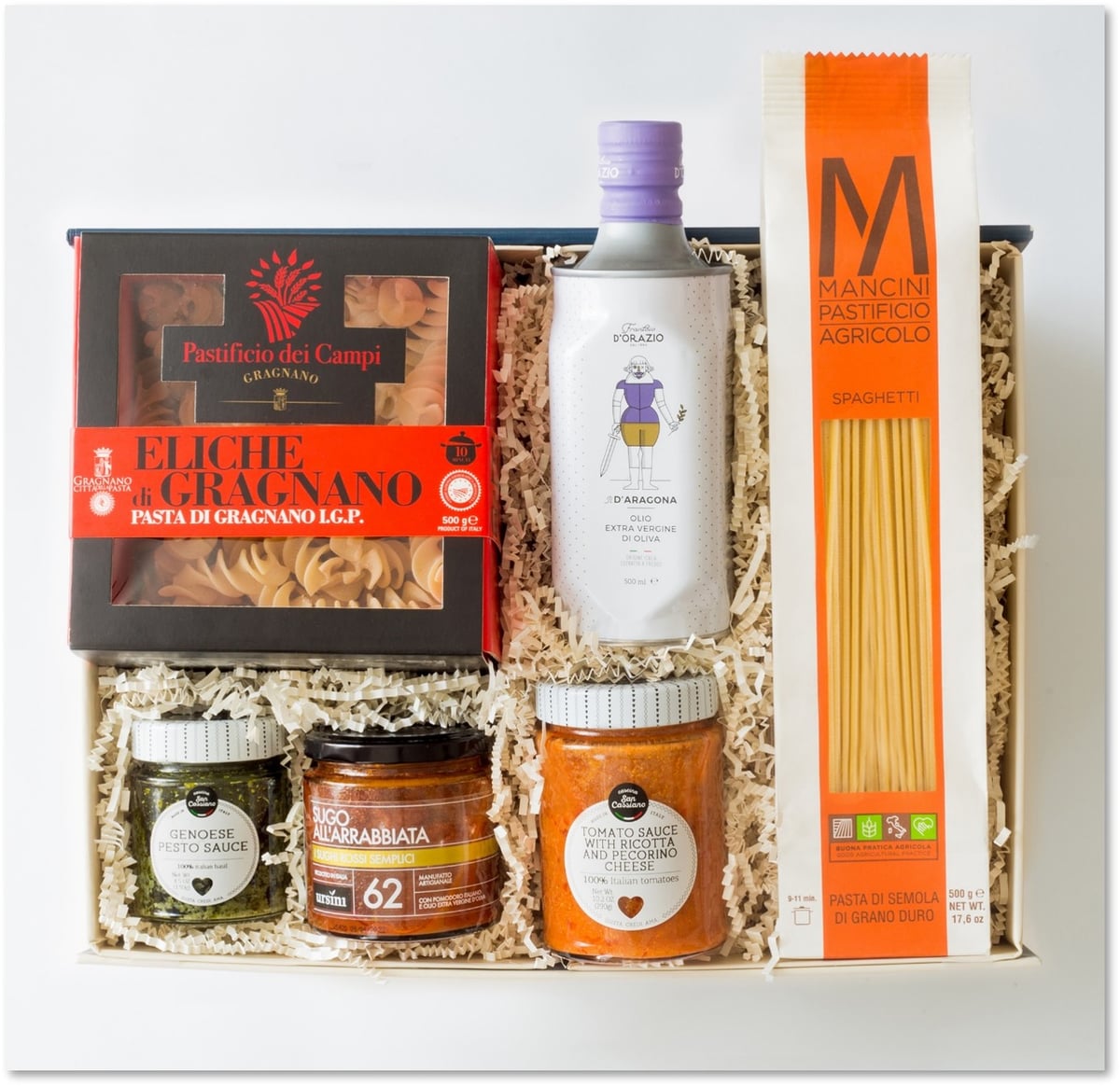
For those interested in building a complete Italian pantry experience, collections like the Pasta 1-0-1 box bring together premium pasta with authentic sauces and oils, offering a curated introduction to proper ingredient pairing. These thoughtfully assembled combinations demonstrate how quality dried egg pasta interacts with traditional accompaniments.
Building Complementary Flavor Profiles
Butter-based preparations:
- Aged Parmigiano Reggiano or Grana Padano
- Fresh sage leaves
- Black pepper
- Quality unsalted butter
Cream sauces:
- Heavy cream from northern Italian dairy regions
- Prosciutto di Parma or pancetta
- Peas or asparagus for color and texture
- Nutmeg for traditional flavoring
Tomato-based sauces:
- San Marzano or Piennolo tomatoes
- Fresh basil
- Garlic and extra virgin olive oil
- Pecorino Romano for sharper flavor profiles
Dried Egg Pasta in Contemporary Italian Cooking
Modern Italian chefs and home cooks increasingly appreciate dried egg pasta's versatility and convenience. While respecting traditional preparations, contemporary interpretations explore new flavor combinations and presentation styles that showcase this ingredient's adaptability.
Young Italian chefs working in innovative restaurants often feature premium dried egg pasta on their menus, treating it with the same respect traditionally reserved for fresh varieties. They recognize that artisan-produced dried egg pasta offers consistency and quality that supports their creative vision while maintaining connection to Italian culinary heritage.
Seasonal Applications
Spring preparations highlight dried egg pasta's ability to complement delicate seasonal vegetables. Thin ribbons tossed with asparagus, fresh peas, and mint create light yet satisfying dishes. The pasta's subtle egg flavor doesn't overpower spring's gentle produce while providing enough body to make the dish substantial.
Summer cooking takes advantage of dried egg pasta's pantry stability. When heat makes fresh pasta-making uncomfortable, quality dried versions deliver authentic results. Pair wider ribbons with cherry tomatoes, fresh mozzarella, and basil for summer celebrations, or create cold pasta salads that showcase Mediterranean vegetables.
Autumn brings heartier preparations where dried egg pasta truly shines. Rich mushroom ragùs, truffle-infused butter sauces, and game-based preparations find their ideal partner in substantial egg-enriched shapes. The pasta's golden color echoes autumn's palette while its texture stands up to robust seasonal flavors.
Identifying Quality Dried Egg Pasta
Developing an eye for quality helps you select dried egg pasta that delivers authentic Italian character and superior eating experience. Several indicators separate artisan products from mass-produced alternatives, though price doesn't always tell the complete story.
Color provides your first clue. Quality dried egg pasta displays consistent, deep golden hue throughout, resulting from genuine egg content rather than artificial colorants. The shade should appear natural and appealing, without dull or overly bright characteristics that suggest additives or poor-quality ingredients.
Visual and textural quality markers:
| Quality Indicator |
What to Look For |
Why It Matters |
| Color |
Deep, consistent gold |
Indicates real egg content |
| Surface texture |
Rough, slightly porous |
Improves sauce adhesion |
| Edges |
Clean but irregular |
Shows bronze die cutting |
| Translucency |
Slight when held to light |
Indicates proper drying |
| Uniformity |
Consistent thickness |
Ensures even cooking |
The ingredient list should be admirably simple: durum wheat semolina and eggs. Some producers specify "farm eggs" or percentage of egg content. Premium versions might list 30% eggs or higher, indicating particularly rich formulations. Avoid products listing artificial colors, preservatives, or vague ingredients.
Cooking Dried Egg Pasta for Special Occasions
Special gatherings deserve special treatment, and dried egg pasta rises beautifully to celebratory occasions when prepared thoughtfully. The presentation possibilities range from elegant simplicity to elaborate compositions, all achievable with proper technique and quality ingredients.
For dinner parties, consider serving dried egg pasta as a primi course in traditional Italian meal structure. A classic tagliatelle al ragù demonstrates respect for tradition while showcasing your cooking skills. The key lies in proper sauce-to-pasta ratio and presentation that highlights the pasta's beautiful golden color.
Plating techniques borrowed from Italian restaurants elevate home presentations. Create neat pasta nests using a carving fork and spoon, twirling portions into tight cylinders before placing them in shallow bowls. Finish with a drizzle of quality olive oil, fresh herb garnish, and generous grating of aged cheese applied tableside for drama and aroma.
Creating Memorable Pasta Experiences
The ritual of preparing and serving pasta creates connections beyond mere sustenance. Whether cooking for family Sunday dinners or hosting friends for casual gatherings, dried egg pasta offers reliability without sacrificing authenticity. Its shelf stability means you can always have quality ingredients ready when inspiration or unexpected guests arrive.
Consider building traditions around specific pasta preparations tied to seasons or celebrations. Perhaps dried egg pappardelle with wild boar ragù becomes your autumn signature, while delicate tagliolini with fresh herbs marks spring's arrival. These recurring preparations create anticipation and memory, connecting food to life's meaningful moments.
Dried Egg Pasta as a Thoughtful Gift
Sharing quality dried egg pasta introduces others to authentic Italian culinary tradition while providing practical enjoyment. Whether included in curated gift collections or presented as standalone offerings, artisan pasta communicates thoughtfulness and appreciation for quality.
Premium dried egg pasta makes an excellent foundation for corporate gift boxes, paired with complementary Italian ingredients to create complete cooking experiences. Recipients appreciate both the immediate usability and the introduction to products they might not discover independently.
The presentation matters significantly when gifting pasta. Artisan producers often package their dried egg pasta in attractive formats, from traditional paper-wrapped bundles to elegant boxes displaying the pasta through transparent windows. These packaging choices acknowledge that gifting food involves visual appeal alongside culinary quality.
Dried egg pasta represents Italian culinary tradition at its most accessible, bringing authentic flavors and textures to kitchens worldwide while maintaining the character that makes Italian food beloved globally. Whether you're exploring Italian cuisine for the first time or deepening your appreciation for artisan products, quality dried egg pasta deserves a permanent place in your pantry. Tasty Ribbon connects you directly to Italy's finest artisan pasta makers and complementary ingredients, offering curated collections that transform everyday cooking into celebrations of Italian culinary heritage. Discover how thoughtfully selected Italian products can elevate your table and create meaningful connections through the universal language of exceptional food.