There's something profoundly satisfying about twirling a forkful of golden egg pappardelle around your fork, watching as those wide ribbons catch pools of rich sauce in their gentle folds. This isn't just any pasta-this is Tuscany's gift to the world, a celebration of simplicity and craftsmanship that transforms humble ingredients into edible silk. The name itself whispers its generous nature: pappare, meaning to gobble up hungrily, perfectly captures the enthusiastic way we approach a steaming plate of these luxurious ribbons. Whether you're preparing a rustic weeknight meal or seeking the perfect gourmet gift for an Italian food enthusiast, understanding egg pappardelle opens doors to centuries of culinary tradition and contemporary joy.
The Ancient Heritage of Egg Pappardelle
The origins of pappardelle stretch back to 14th-century Tuscany, where resourceful cooks created these wide pasta ribbons to capture hearty game sauces. Unlike their delicate cousins in other Italian regions, Tuscan pasta makers embraced bold proportions-ribbons cut nearly an inch wide, generous enough to hold substantial ragùs without disappearing beneath them.
The pasta emerged during a time when Tuscan nobility hunted wild boar and hare through dense forests, returning with meat that demanded equally robust accompaniments. Traditional egg pappardelle became the perfect vehicle, its substantial texture standing up to long-simmered game sauces enriched with wine, herbs, and patience. This wasn't pasta meant for light olive oil drizzles or simple tomato sauces; this was food designed for cold winters and celebratory feasts.
Why Eggs Make All the Difference
The inclusion of eggs in pappardelle dough isn't merely traditional-it's transformative. Fresh egg yolks contribute richness, color, and a tender bite that dried semolina pasta cannot replicate. When you examine authentic egg pappardelle, you'll notice its warm golden hue, a visual promise of the silky texture awaiting you.
Key benefits of egg-enriched pasta dough:
- Enhanced flavor complexity with natural richness
- Superior sauce adhesion due to slightly porous texture
- Tender yet resilient texture that maintains tooth after cooking
- Beautiful golden color that signals quality ingredients
- Nutritional boost from protein and essential vitamins
Professional pasta makers understand that egg quality directly impacts the final product. The best artisans use eggs from free-range hens, resulting in deeper color and more pronounced flavor. Some traditional recipes call for as many as ten egg yolks per kilogram of flour, creating ribbons so rich they practically glow.
Understanding Egg Pappardelle Characteristics
Authentic egg pappardelle measures approximately 20-30 millimeters wide, though variations exist across different regions and makers. The thickness matters too-genuine handmade versions possess subtle irregularities that machine-produced alternatives lack, creating varied textures within a single ribbon that catch sauce differently.
Fresh Versus Dried Varieties
The choice between fresh and dried egg pappardelle shapes your entire cooking experience and final dish outcome. Fresh pasta, typically found in refrigerated sections or made at home, cooks in mere minutes and offers unparalleled tenderness. Dried versions, while requiring longer cooking times, provide convenience and extended shelf life without sacrificing authentic flavor.
| Feature |
Fresh Egg Pappardelle |
Dried Egg Pappardelle |
| Cooking Time |
2-4 minutes |
8-12 minutes |
| Texture |
Silky, delicate |
Firm, toothsome |
| Shelf Life |
2-3 days refrigerated |
2-3 years pantry |
| Best For |
Special occasions, immediate use |
Pantry stapling, gift giving |
| Sauce Pairing |
Lighter, butter-based sauces |
Hearty ragùs, robust sauces |
When selecting dried egg pappardelle for your pantry or as part of a thoughtful gift, examine the ingredient list carefully. Quality products list only flour and eggs-nothing more. The simplicity reveals confidence in craftsmanship, a hallmark of artisanal Italian production that celebrates authentic gourmet pasta traditions.
Mastering Egg Pappardelle Preparation
Cooking egg pappardelle properly requires attention but rewards you with restaurant-quality results at home. The most critical factor isn't technique-it's water. Use at least six quarts of water per pound of pasta, ensuring ribbons have adequate space to move freely without sticking together during cooking.
Salt generously. Italian grandmothers say the water should taste like the Mediterranean Sea, and they're not exaggerating. This is your only opportunity to season the pasta itself, and under-salted water produces bland ribbons no amount of sauce can remedy.
Step-by-step cooking process:
- Bring large pot of water to rolling boil
- Add salt (approximately 2 tablespoons per 6 quarts)
- Add pappardelle, stirring immediately to prevent clumping
- Cook until al dente, testing frequently near end time
- Reserve 1-2 cups pasta cooking water before draining
- Never rinse pasta after draining
- Toss immediately with sauce, adding reserved water as needed
The cooking water itself becomes a valuable ingredient. Starchy and salty, it helps emulsify sauces, creating cohesive dishes where pasta and sauce become one harmonious entity rather than separate components sharing a plate.
Traditional Sauce Pairings for Egg Pappardelle
Tuscan culinary tradition celebrates egg pappardelle with game-based ragùs, particularly wild boar (cinghiale) and hare (lepre). These slow-cooked sauces, simmered for hours with red wine, tomatoes, and aromatic vegetables, represent the pasta's ancestral purpose.
Wild boar ragù begins with searing meat until deeply browned, then deglazing with robust Tuscan red wine. Carrots, celery, and onions join the pot alongside tomatoes, juniper berries, and fresh rosemary. The mixture simmers gently for three to four hours, transforming tough game meat into tender, flavor-concentrated sauce that clings beautifully to wide pasta ribbons.
Modern Sauce Interpretations
Contemporary Italian cooking embraces egg pappardelle with broader sauce repertoires while respecting traditional principles. Mushroom ragùs featuring porcini deliver earthy richness without meat, while duck ragù offers sophisticated alternative to wild boar. Butter-based sauces enriched with fresh herbs showcase the pasta's delicate nature.
For those seeking lighter preparations, fresh herb pappardelle recipes incorporate seasonal vegetables and vibrant herb combinations. Spring versions might feature asparagus, peas, and mint, while autumn preparations embrace butternut squash, sage, and toasted hazelnuts.
| Sauce Type |
Key Ingredients |
Cooking Time |
Best Season |
| Wild Boar Ragù |
Boar, red wine, tomatoes, juniper |
3-4 hours |
Fall/Winter |
| Mushroom Ragù |
Porcini, cremini, white wine, thyme |
45 minutes |
Fall |
| Duck Ragù |
Duck, orange, red wine, bay leaves |
2-3 hours |
Winter |
| Butter & Sage |
Butter, fresh sage, Parmigiano |
10 minutes |
Year-round |
| Spring Vegetable |
Asparagus, peas, lemon, mint |
20 minutes |
Spring |
The rich yolk pappardelle with pork and sage demonstrates how egg-enriched pasta elevates even simpler meat preparations, creating comfort food that feels both rustic and refined.
Making Egg Pappardelle from Scratch
Creating homemade egg pappardelle connects you directly to centuries of Italian home cooking tradition. The process requires no special equipment beyond a rolling pin and sharp knife, though a pasta machine simplifies rolling to consistent thickness. Begin with the classic ratio: 100 grams flour per large egg, adjusting as needed based on flour absorption and humidity.
Mound flour on clean work surface, creating well in center. Crack eggs into well, then use fork to gradually incorporate flour from inner walls. Once mixture becomes too thick for fork, switch to hands, kneading until smooth and elastic-approximately ten minutes of work. This develops gluten structure necessary for pasta that won't disintegrate during cooking.
The Rolling and Cutting Technique
Rested dough (wrapped in plastic for 30 minutes) rolls more easily than fresh dough, as gluten relaxes during rest period. Roll from center outward in all directions, rotating dough frequently to maintain even thickness. Aim for approximately 2 millimeters thick-thin enough to see your hand through, but substantial enough to maintain body.
Once rolled, lightly flour both sides of dough sheet, then roll loosely like a carpet. Using sharp knife, cut ribbons approximately 2-3 centimeters wide. Immediately unroll ribbons and dust with additional flour to prevent sticking. At this stage, fresh pappardelle can cook immediately or dry slightly for later use.
Essential tips for success:
- Use "00" flour for silkiest texture
- Allow adequate kneading time for proper gluten development
- Rest dough before rolling to prevent shrinkage
- Flour generously during cutting to prevent sticking
- Cook fresh pasta within hours for best results
Egg Pappardelle in Italian Gift-Giving Culture
Italians understand that meaningful gifts nourish both body and soul. Artisanal egg pappardelle, particularly when paired with complementary sauces and quality olive oil, represents thoughtfulness that transcends generic presents. This tradition of food-centered gifts celebrates relationships through shared culinary experiences.
When selecting pasta for gifting, prioritize producers who maintain traditional methods. Look for pasta dried slowly at low temperatures, which preserves egg's delicate proteins and creates superior texture. Bronze die extrusion creates rougher surface texture that grabs sauce more effectively than Teflon-extruded alternatives.
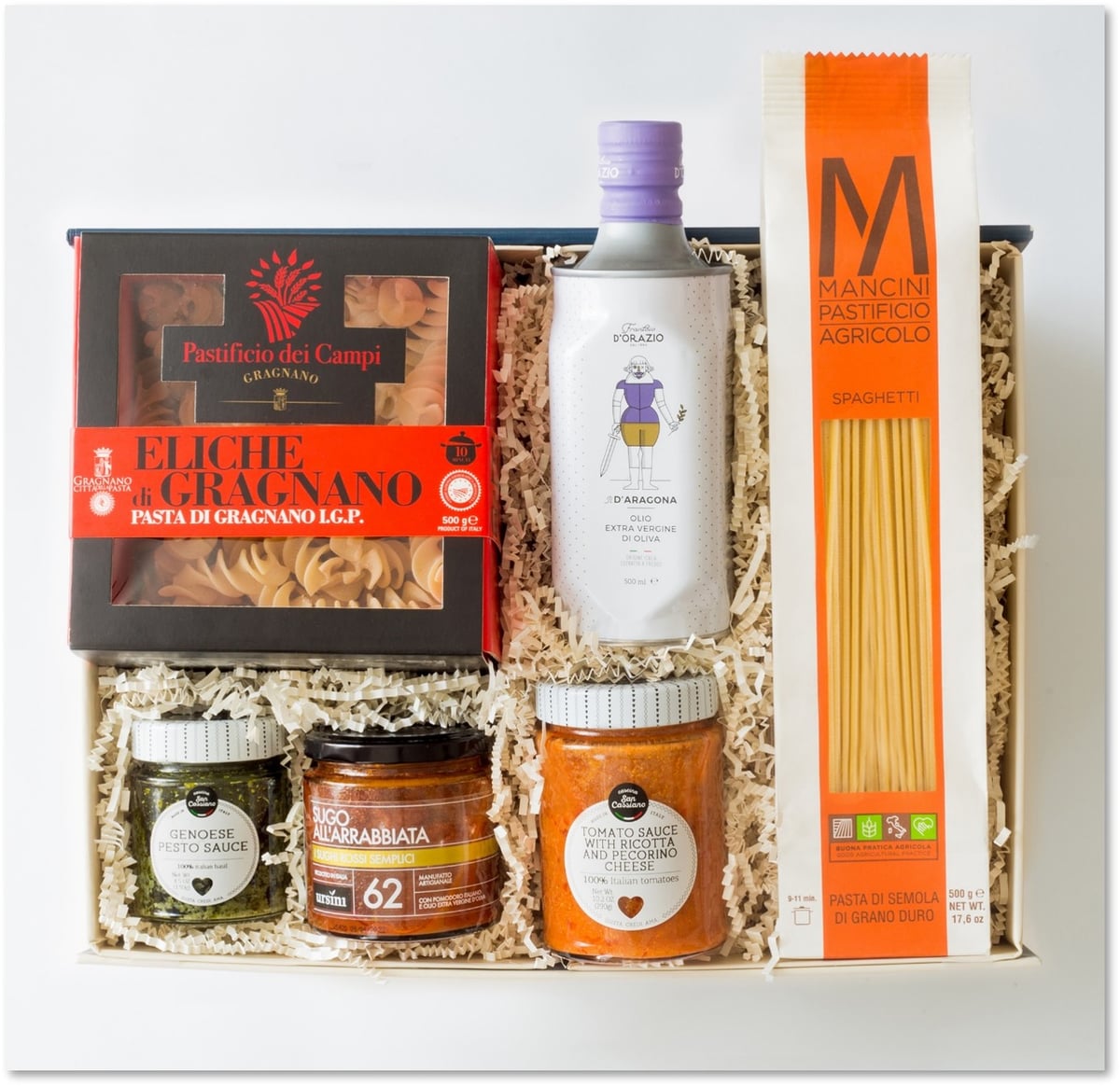
For those seeking comprehensive pasta experiences, curated collections that include premium pappardelle alongside authentic sauces and high-quality extra virgin olive oil provide everything needed for memorable Italian meals at home.
Storing and Preserving Egg Pappardelle
Dried egg pappardelle stores beautifully in cool, dark pantries for extended periods, making it ideal for maintaining well-stocked Italian ingredients or preparing thoughtful gifts in advance. Transfer pasta from original packaging to airtight containers if opened, protecting against moisture and pantry pests while preserving flavor.
Fresh egg pappardelle requires more careful handling. Refrigerate immediately after purchase or making, consuming within two to three days for optimal quality. For longer storage, freeze fresh pasta on baking sheets until solid, then transfer to freezer bags. Frozen pappardelle cooks directly from frozen state, requiring only slightly extended cooking time.
Quality Indicators to Monitor
Over time, even properly stored dried egg pappardelle can deteriorate. Check periodically for off odors, discoloration beyond normal golden hue, or signs of moisture damage. White spots indicate mold growth and require immediate disposal. Properly stored quality pasta maintains excellent condition for 18-24 months, though optimal flavor peaks within first year.
Regional Variations Across Italy
While Tuscany claims pappardelle's birthplace, neighboring regions have developed their own interpretations. Umbrian versions sometimes incorporate local black truffles directly into dough, creating aromatic ribbons that need minimal sauce. Lazio embraces pappardelle with lamb ragù, particularly during Easter celebrations when spring lamb reaches peak tenderness.
The Marche region pairs pappardelle with duck liver sauce, a preparation that showcases both pasta's ability to handle rich flavors and the region's agricultural heritage. Each variation reflects local ingredients and preferences while honoring the fundamental character of wide egg ribbon pasta.
Regional pappardelle traditions:
-
Tuscany: Wild boar ragù, hare ragù
-
Umbria: Truffle-infused varieties
-
Lazio: Spring lamb sauce
-
Marche: Duck liver preparations
-
Emilia-Romagna: Butter and Parmigiano Reggiano
Understanding these regional distinctions enriches appreciation for Italian culinary diversity while demonstrating how single pasta shape adapts to varied local traditions and available ingredients.
Nutritional Considerations and Dietary Adaptations
Egg pappardelle provides substantial nutrition beyond simple carbohydrates. The egg content contributes complete proteins, B vitamins, and essential minerals. A typical 100-gram serving of dried egg pappardelle contains approximately 13 grams protein-significantly higher than egg-free pasta varieties.
For those monitoring caloric intake, egg pappardelle fits comfortably within balanced diets when portioned appropriately and paired with vegetable-forward sauces. Standard serving size of 80-100 grams dried pasta per person provides satisfying portions without excessive calories.
Accommodating Special Diets
Traditional egg pappardelle naturally excludes dairy, appealing to lactose-intolerant diners. However, gluten sensitivity requires alternative approaches. Several artisanal producers now create gluten-free pappardelle using rice flour or chickpea flour, though texture differs notably from wheat-based versions.
Vegan adaptations replace eggs with water and occasionally incorporate vegetable purees for color, though these versions lack authentic egg pappardelle's characteristic richness and golden hue. For those seeking vegan Italian options, many traditional pasta shapes naturally exclude eggs and animal products.
Pairing Egg Pappardelle with Wine
Robust egg pappardelle dishes demand wines with sufficient structure to complement hearty sauces without overwhelming pasta's delicate egg flavor. Tuscan reds like Chianti Classico or Brunello di Montalcino naturally pair with regional wild boar preparations, their bright acidity cutting through rich meat while tannins balance sauce's fat content.
For lighter preparations featuring butter and herbs, consider medium-bodied whites such as Vermentino or Verdicchio. These wines provide refreshing contrast while their subtle fruit notes complement delicate flavors without competition.
| Pappardelle Preparation |
Recommended Wine |
Why It Works |
| Wild Boar Ragù |
Chianti Classico Riserva |
Acidity cuts richness, tannins balance fat |
| Mushroom Ragù |
Nebbiolo or Barbera |
Earthy notes complement mushroom flavors |
| Duck Ragù |
Vino Nobile di Montepulciano |
Structure matches rich meat, fruit enhances sauce |
| Butter & Sage |
Soave Classico |
Crisp acidity balances butter richness |
| Spring Vegetables |
Vermentino |
Fresh acidity highlights vegetable brightness |
Temperature matters significantly. Serve red wines slightly below room temperature (60-65°F) to prevent alcohol from overwhelming food, while whites should be properly chilled (45-50°F) without excessive cold that mutes delicate flavors.
Egg Pappardelle in Contemporary Kitchens
Modern Italian-American home cooks embrace egg pappardelle as weekend project pasta, finding satisfaction in hands-on creation that connects them to ancestral traditions. Video tutorials from Florentine chefs demystify the process, demonstrating techniques passed through generations while adapting to contemporary kitchen tools and schedules.
Restaurant chefs increasingly feature house-made egg pappardelle on menus, recognizing diners' appreciation for visible craftsmanship and authentic experiences. Open kitchens allow guests to watch pasta-making in real-time, transforming meal preparation into theater that enhances dining experience.
The pasta also appears in fusion contexts, where chefs apply Italian techniques to non-traditional ingredients. Asian-inspired preparations might feature egg pappardelle with miso butter and shiitake mushrooms, while Mediterranean versions incorporate lamb ragù with preserved lemon and fresh mint. These creative interpretations honor pappardelle's fundamental character while exploring new flavor territories.
Sourcing Quality Egg Pappardelle
Selecting superior egg pappardelle requires understanding quality markers that separate artisanal products from mass-produced alternatives. Examine ingredient lists first-authentic versions list only durum wheat flour and eggs, potentially with minimal salt. Additives, preservatives, or non-traditional ingredients signal industrial production methods.
Visual inspection reveals significant quality information. High-quality dried egg pappardelle displays rough, slightly porous surface texture resulting from bronze die extrusion. Smooth, glossy appearance indicates Teflon dies, which create less sauce-friendly surfaces. Color should be warm golden yellow-pale pasta suggests insufficient eggs, while overly dark color might indicate aging or quality issues.
Quality indicators checklist:
- Minimal ingredient list (flour, eggs, possibly salt)
- Rough, textured surface appearance
- Warm golden color throughout
- Irregular ribbon edges (handmade varieties)
- Clear regional or artisan producer identification
- Appropriate pricing reflecting quality ingredients
When purchasing for gifting purposes, consider presentation alongside quality. Italian gourmet gifts that feature thoughtfully curated pasta selections alongside complementary products demonstrate attention to detail that recipients genuinely appreciate.
The Science Behind Perfect Egg Pappardelle
Understanding pasta's molecular structure enhances both cooking technique and appreciation for artisanal quality. Eggs contribute proteins that denature during cooking, setting pasta's structure while maintaining tenderness. The yolks specifically provide lecithin, an emulsifier that helps sauces adhere more effectively to finished pasta.
Gluten development during kneading creates network of proteins that give pasta elasticity and structure. Proper kneading aligns these proteins, while adequate rest period allows them to relax, preventing excessive shrinkage during rolling. This scientific foundation supports traditional techniques passed through generations of Italian pasta makers.
Research into egg proteins reveals how yolk quality impacts final pasta characteristics. Higher omega-3 content from pasture-raised chickens potentially influences both nutritional profile and cooking properties, though traditional sensory evaluation remains most reliable quality indicator for home cooks and professional chefs alike.
Celebrating Seasons with Egg Pappardelle
Italian cooking honors seasonal rhythms, adapting pasta preparations to ingredients at their peak. Spring egg pappardelle celebrates tender vegetables-asparagus, peas, fava beans-paired with fresh herbs and light cream or butter sauces that don't mask delicate flavors. Easter tables often feature pappardelle with spring lamb, symbolizing renewal and celebration.
Summer brings tomato-forward preparations, though egg pappardelle's richness better suits cooler months. Autumn marks return to heartier fare as mushroom season begins and game hunting resumes. This is when traditional wild boar and hare ragùs reclaim their rightful place, simmering on stovetops as days shorten and temperatures drop.
Winter demands egg pappardelle's most substantial pairings-long-braised meats, rich wine-based sauces, generous shavings of aged Parmigiano Reggiano. These preparations warm both body and spirit, transforming simple meals into celebrations of comfort and tradition that define Italian winter hospitality.
Egg Pappardelle as Culinary Connection
Beyond nutrition and pleasure, egg pappardelle serves as bridge between cultures and generations. Immigrant families maintain connections to Italian heritage through traditional pasta-making, teaching children techniques their own grandparents practiced. The tactile process-kneading dough, rolling sheets, cutting ribbons-creates memories that transcend simple meal preparation.
For those without Italian ancestry, learning to prepare egg pappardelle offers entry point into culinary tradition that welcomes newcomers. The pasta asks only for patience and respect, rewarding practitioners with tangible results that improve with practice and attention.
Sharing homemade egg pappardelle strengthens social bonds through communal dining experiences. Whether served at intimate family dinners or larger gatherings, the pasta communicates care invested in preparation, transforming meal into gift of time and attention that nourishes beyond physical sustenance.
Egg pappardelle represents Italian culinary heritage at its finest-simple ingredients transformed through skill, patience, and respect for tradition into something truly extraordinary. Whether you're cooking for yourself, sharing with loved ones, or seeking the perfect gift for food enthusiasts in your life, these golden ribbons deliver authentic Italian experiences that create lasting memories. Explore Tasty Ribbon's curated collection of artisanal Italian products, where you'll discover premium pasta selections and complementary ingredients that bring the heart of Italy directly to your table or gift recipient's door.