The first time you twirl properly made egg tagliatelle around your fork, you understand why Italians have spent centuries perfecting this particular shape. Unlike the dried pasta that fills most pantries, this fresh ribbon carries a silky texture and golden hue that comes only from the generous use of farm-fresh eggs. In the heart of Emilia-Romagna, where this pasta originated, the width of each ribbon is so important that Bologna's Chamber of Commerce holds a golden standard of the official dimensions measuring exactly 8 millimeters when cooked. This level of precision reveals something essential about Italian food culture: that the details matter, that tradition carries wisdom, and that the simplest ingredients can create the most extraordinary experiences when handled with care and respect.
The Rich History Behind Egg Tagliatelle
Every region in Italy claims signature pasta shapes, but few carry the romantic legend that surrounds egg tagliatelle. According to Bolognese lore, a chef named Zefirano created this ribbon-shaped pasta in 1487 to honor Lucrezia Borgia on the occasion of her marriage to the Duke of Ferrara. The story goes that he was inspired by her golden hair, fashioning each strand to mirror its beauty and elegance.
Whether or not this tale holds historical accuracy, it speaks to the way Italians weave narrative into their culinary traditions. What we know for certain is that tagliatelle became deeply embedded in the cooking traditions of Emilia-Romagna, particularly in Bologna, where it partners with the region's famous meat ragù in a combination so perfect that it has become a cultural emblem.
The pasta takes its name from the Italian verb "tagliare," meaning to cut. Fresh pasta dough, rolled thin and supple, gets folded and sliced into elegant ribbons. This simple technique has been passed down through generations, from grandmother to grandchild, in kitchens across northern Italy.
Why Eggs Make All the Difference
The defining characteristic of authentic egg tagliatelle lies in its ingredient ratio. Traditional recipes call for approximately one whole egg per 100 grams of flour, creating a dough that is both rich and elastic. This generous use of eggs accomplishes several important functions:
- Creates the characteristic golden color that distinguishes it from eggless pasta
- Provides structural integrity that helps the ribbons maintain their shape during cooking
- Delivers a tender yet firm texture with just the right amount of bite
- Offers a flavor profile that complements both delicate and robust sauces
- Increases the nutritional value with additional protein
The quality of eggs directly impacts the final result. Italian artisan pasta makers often source eggs from local farms where hens roam freely, producing yolks with deep orange hues. These eggs create pasta with unmatched color and taste.
Traditional Preparation Methods and Modern Adaptations
Making egg tagliatelle from scratch remains a meditative practice that connects modern cooks to centuries of tradition. The process begins with creating a well of flour on a wooden board, cracking eggs into the center, and gradually incorporating the flour with your fingertips until a rough dough forms.
The kneading process takes approximately ten minutes of rhythmic work, pushing the dough away with the heel of your hand, folding it back, and rotating. This develops the gluten structure necessary for proper texture. Once the dough becomes smooth and elastic, it rests under a kitchen towel for at least thirty minutes, allowing the gluten to relax and making it easier to roll.
Rolling and Cutting Techniques
| Traditional Method |
Modern Alternative |
Result |
| Mattarello (wooden rolling pin) |
Manual pasta machine |
Even thickness, authentic texture |
| Hand-cutting with knife |
Machine cutting attachment |
Consistent width ribbons |
| Air drying on wooden racks |
Quick cooking when fresh |
Optimal cooking time |
The rolled dough should be thin enough that you can see your hand through it when held up to light. After a brief drying period to prevent sticking, the sheet gets loosely rolled and cut into ribbons approximately 6 to 8 millimeters wide.
Contemporary home cooks often use pasta machines for rolling, which produces consistent thickness with less physical effort. This adaptation doesn't diminish the quality when proper technique is followed. What matters most is the quality of ingredients and the care taken throughout the process.
Perfect Pairings: Sauces and Accompaniments
The width and texture of egg tagliatelle make it ideally suited for specific sauce types. Unlike thin angel hair or tubular shapes, these ribbons have enough surface area to catch and hold rich, complex sauces without becoming overwhelmed.
The most celebrated pairing remains ragù alla bolognese, a slow-simmered meat sauce that has become synonymous with the region. This sauce, made with a combination of ground meats, tomato, wine, and milk, cooks for hours until it reaches a thick, luxurious consistency. The meat particles cling to each ribbon of pasta, creating the perfect bite.
Other traditional accompaniments include:
-
Butter and sage: Simple yet sophisticated, allowing the pasta's flavor to shine
-
Porcini mushroom sauce: Earthy and aromatic, especially popular in autumn
-
Walnut cream sauce: Rich and nutty, a specialty of northern regions
-
Prosciutto and peas: A lighter option with balanced flavors
-
White truffle butter: An indulgent choice for special occasions
When exploring gourmet Italian pasta traditions, understanding these pairings helps create authentic dining experiences. The sauce should complement rather than compete, enhancing the delicate egg flavor present in quality tagliatelle.
Sourcing Quality Egg Tagliatelle
Not everyone has the time or inclination to make fresh pasta from scratch, which is why sourcing high-quality artisan products becomes essential. The difference between mass-produced and carefully crafted egg tagliatelle is immediately apparent in both appearance and taste.
When selecting commercially made egg tagliatelle, look for these quality indicators:
-
Ingredient list: Should contain only flour and eggs, nothing more
-
Color: Deep golden yellow indicating generous egg content
-
Texture: Slightly rough surface that helps sauce adhere
-
Origin: Products from Emilia-Romagna carry particular authenticity
-
Packaging: Protective nests or nests that prevent breakage
Many Italian artisan producers still use bronze dies for shaping their pasta, which creates a rougher surface texture compared to the smooth finish of Teflon dies. This traditional method significantly improves sauce adhesion and overall eating experience.
Fresh Versus Dried Egg Tagliatelle
Both fresh and dried versions have their place in the Italian kitchen. Fresh pasta, typically found in the refrigerated section, offers maximum tenderness and cooks in just two to three minutes. It should be consumed within a few days of purchase or making.
Dried egg tagliatelle, while requiring longer cooking time, offers convenience and extended shelf life. Quality dried versions still contain generous amounts of egg and can produce excellent results when paired with appropriate sauces. The key lies in not overcooking, which can make the ribbons mushy and cause them to lose their distinct texture.
Regional Variations and Related Pasta Shapes
While Bologna claims egg tagliatelle as its signature, neighboring regions have developed their own interpretations. In Le Marche, you'll find similar ribbons cut slightly wider. Tuscany produces pappardelle, a broader cousin that pairs wonderfully with game sauces featuring wild boar or hare.
The Veneto region creates tagliolini, thinner ribbons often served in broth or with seafood sauces. Each variation reflects local ingredients, traditional protein sources, and regional preferences that have evolved over centuries.
Understanding these distinctions helps when selecting pasta for specific dishes. The principle remains consistent: ribbon shapes work best with sauces that can coat and cling to their surface, while avoiding chunky preparations better suited to shorter, tubular forms.
Cooking Egg Tagliatelle to Perfection
Proper cooking technique can make or break even the finest egg tagliatelle. The process requires attention and timing, but the principles are straightforward and consistent.
Fill a large pot with abundant water, allowing approximately one liter per 100 grams of pasta. This generous amount prevents the ribbons from sticking together and ensures even cooking. Salt the water generously once it reaches a rolling boil; Italians say it should taste like the sea.
Step-by-Step Cooking Process
- Add pasta to vigorously boiling water, stirring gently to separate ribbons
- Maintain a strong boil throughout cooking, never reducing heat significantly
- Test for doneness starting one minute before package instructions suggest
- Reserve one cup of pasta water before draining
- Toss immediately with sauce, adding reserved water to adjust consistency
Fresh egg tagliatelle typically cooks in two to four minutes, while dried versions require six to eight minutes. The pasta should be "al dente," meaning it offers slight resistance when bitten but contains no raw flour taste at the center.
A common mistake involves rinsing pasta after draining. This removes the starch coating that helps sauce adhere and should never be done for pasta that will be served with sauce. The only exception is when preparing pasta salad that will be served cold.
The Art of Presentation and Service
Italian food culture places equal importance on how dishes are presented and the quality of ingredients themselves. When serving egg tagliatelle, taking a few extra moments to create visual appeal elevates the dining experience.
Traditional presentation methods include:
-
Nest formation: Twirling individual portions into loose nests on plates
-
Cheese finishing: Grating fresh Parmigiano Reggiano at the table
-
Herb garnish: Fresh basil, parsley, or sage leaves for color and aroma
-
Center placement: Positioning pasta in the middle with sauce coating each ribbon
-
Warm plates: Heating serving dishes to maintain optimal temperature
The dining ritual around pasta holds significance in Italian culture. Pasta courses are served as a distinct course, never alongside protein, allowing diners to fully appreciate the flavors and textures. This practice reflects a broader philosophy about food: that it deserves attention, respect, and mindful enjoyment.
Storing and Preserving Fresh Pasta
Fresh egg tagliatelle requires careful storage to maintain quality and food safety. If not cooking immediately, refrigerate in an airtight container for up to two days. The pasta should be lightly dusted with flour to prevent sticking and arranged in loose nests rather than compressed.
For longer storage, freezing works remarkably well. Arrange fresh pasta nests on a baking sheet lined with parchment paper, freeze until solid, then transfer to freezer bags. Properly frozen egg tagliatelle maintains quality for up to three months and can be cooked directly from frozen, adding just one to two minutes to the cooking time.
Dried egg tagliatelle should be stored in a cool, dark pantry in its original packaging or transferred to an airtight container. When properly stored, it maintains quality for up to two years, though flavor and texture gradually diminish over time.
Nutritional Considerations and Dietary Adaptations
Traditional egg tagliatelle offers several nutritional benefits compared to eggless pasta varieties. The egg content provides complete protein, B vitamins, and additional richness that creates greater satisfaction with smaller portions.
| Nutrient (per 100g) |
Egg Tagliatelle |
Regular Pasta |
| Protein |
13g |
11g |
| Iron |
2.1mg |
1.3mg |
| B Vitamins |
Higher |
Lower |
| Cholesterol |
70mg |
0mg |
For those monitoring cholesterol intake, the egg content requires consideration. However, current nutritional science suggests that dietary cholesterol has less impact on blood cholesterol than previously believed for most individuals.
Gluten-free versions of egg tagliatelle exist, typically made with rice flour or other alternative grains combined with eggs. While these adaptations allow those with celiac disease to enjoy similar dishes, the texture and flavor differ noticeably from wheat-based versions.
Creating Memorable Experiences with Italian Pasta
The beauty of egg tagliatelle extends beyond its taste to encompass the experiences it creates. Gathering friends around a table to share a carefully prepared pasta dish represents one of life's genuine pleasures. Whether celebrating a milestone or simply marking the end of an ordinary Tuesday, these moments become memories we carry forward.
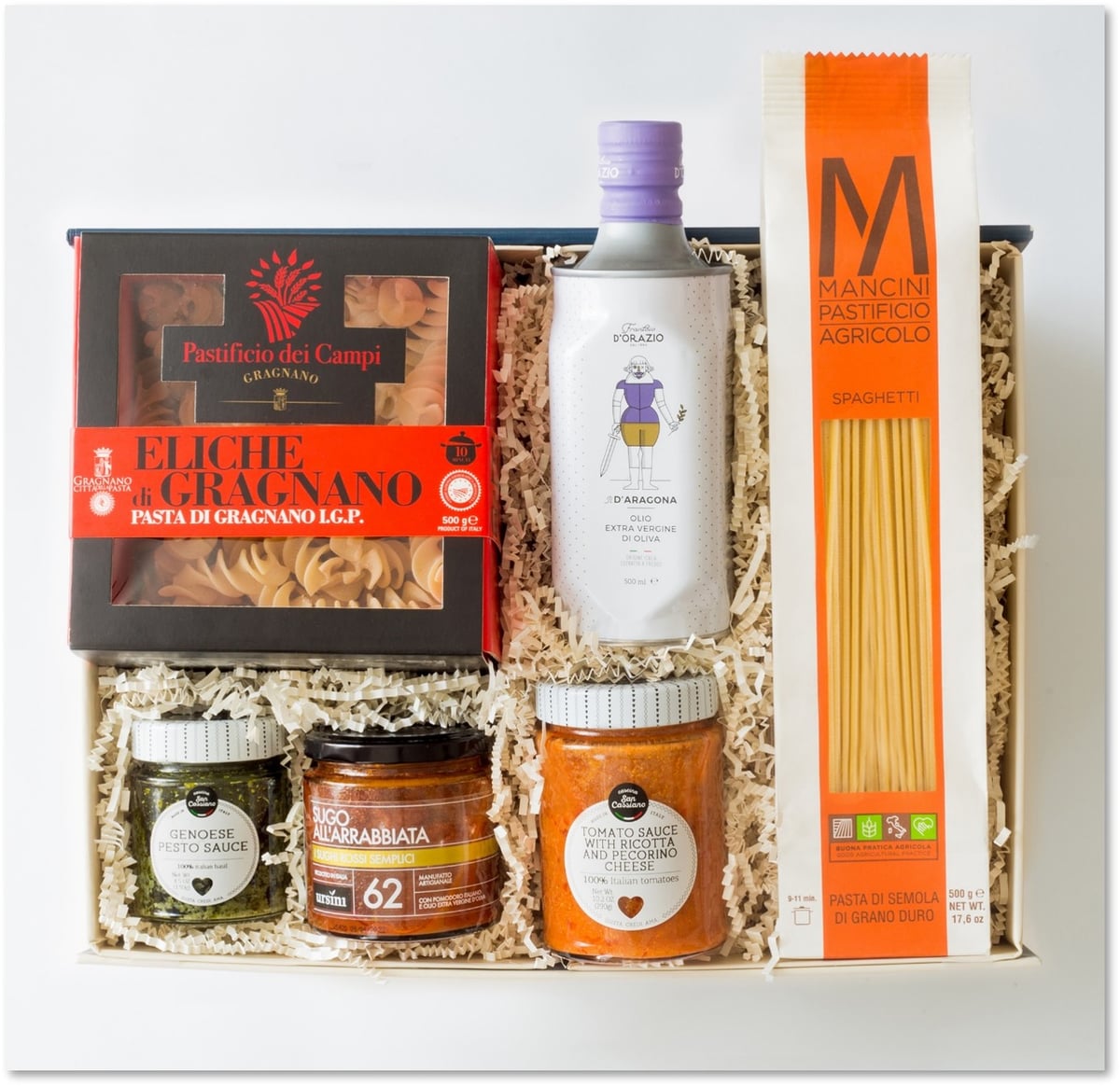
Italian food gifts that include quality pasta and complementary ingredients allow you to share these experiences with others. A thoughtfully assembled collection of authentic products can introduce someone to new flavors or provide comfort through familiar tastes from a memorable trip to Italy.
The act of giving food carries particular significance in Italian culture, expressing care, hospitality, and connection. When you present someone with ingredients for creating their own egg tagliatelle dinner, you're offering more than sustenance; you're sharing a piece of tradition and the opportunity for connection around the table.
Mastering the Balance of Tradition and Innovation
While respecting traditional methods remains important, the evolution of Italian cuisine has always involved adaptation and innovation. Contemporary chefs experiment with egg tagliatelle in ways that honor its heritage while exploring new flavor combinations and presentations.
Some modern interpretations include incorporating vegetable purees into the dough for color and nutrition, creating black tagliatelle with squid ink, or developing sauces that blend Italian and international influences. These innovations work best when they maintain respect for the fundamental qualities that make egg tagliatelle special: its silky texture, ability to carry sauce, and the delicate flavor contributed by quality eggs and flour.
The question isn't whether to strictly adhere to tradition or embrace change, but rather how to balance both. Understanding the reasons behind traditional techniques provides the foundation for thoughtful innovation. When you know why something works, you're better equipped to experiment successfully.
Egg tagliatelle represents more than just a pasta shape; it embodies the Italian appreciation for quality ingredients, time-honored techniques, and the joy of sharing meals with those we cherish. Whether you choose to make it from scratch or seek out artisan-made versions, understanding what makes this pasta special enhances your appreciation of authentic Italian cuisine. Tasty Ribbon offers carefully curated collections featuring authentic Italian artisanal pasta and complementary products, allowing you to create memorable dining experiences or share the gift of genuine Italian tradition with others who appreciate quality and authenticity.