There's something almost sacred about the ritual of making fresh egg pasta. The way the flour forms a volcanic crater on the wooden board, how the eggs glisten like liquid gold at its center, and the transformative moment when your hands bring these simple ingredients together into silky, elastic dough. This is where Italian culinary tradition lives and breathes, in kitchens from Bologna to your own home, connecting generations through the tactile pleasure of creating something both humble and extraordinary.
The Golden Standard of Italian Pasta Making
Fresh egg pasta represents the heart of Northern Italian cooking, particularly in regions like Emilia-Romagna where the tradition has been perfected over centuries. Unlike dried pasta made with just semolina and water, fresh egg pasta achieves its characteristic tender texture and rich flavor through the marriage of soft wheat flour and farm-fresh eggs.
The distinction matters profoundly. While dried pasta holds its own honored place in Italian cuisine, fresh egg pasta brings an entirely different experience to the table. The texture is more delicate, the flavor richer, and the cooking time significantly shorter. When you bite into a perfectly made tagliatelle or tortellini, you're experiencing pasta that yields gently to the tooth while still maintaining structure.
Understanding the Essential Ingredients
The simplicity of fresh egg pasta belies the importance of quality ingredients. Traditional recipes call for just two components: flour and eggs. Yet within this simplicity lies endless variation and room for artisan excellence.
Flour selection determines your final result:
- Type "00" flour creates the silkiest texture, finely milled for maximum smoothness
- All-purpose flour works beautifully and is more readily available
- Some recipes incorporate semolina for added bite and golden color
The standard ratio follows a generous rule: approximately 100 grams of flour per large egg. This translates to roughly three-quarters of a cup of flour for each egg, though experienced pasta makers often measure by feel rather than precise measurement. The traditional approach to making fresh pasta dough emphasizes this intuitive relationship with ingredients.
Eggs should be the freshest available, ideally from pastured chickens whose diet produces deeply colored yolks. These yolks contribute both to the pasta's nutritional profile and its characteristic golden hue. Some artisans use only yolks for an even richer result, while others stick to whole eggs for a balanced texture.
Mastering the Traditional Technique
Creating fresh egg pasta by hand connects you to centuries of Italian culinary wisdom. The process demands attention but rewards you with incomparable results and a meditative experience that machines simply cannot replicate.
Begin by mounding your flour on a clean work surface. Create a well in the center, deep enough to hold the eggs without them running over the sides. This volcanic formation is called a fontana, or fountain, and it's your first step toward perfect pasta.
Crack the eggs into the well and beat them lightly with a fork. Now comes the crucial phase: gradually incorporate the flour from the inner walls of the well, working in a circular motion. The dough will transform from liquid to shaggy to cohesive as you work. Lidia Bastianich's insights on kneading techniques emphasize the importance of working at a comfortable height to develop the proper rhythm.
The Art of Kneading and Resting
Once your dough comes together, the kneading begins. This is where you develop the gluten network that gives fresh egg pasta its characteristic elasticity and smooth texture. Push the dough away from you with the heel of your hand, fold it back, rotate a quarter turn, and repeat.
Kneading indicators:
- Initial stage: dough feels rough and tears easily
- Midpoint: texture becomes smoother, more cohesive
- Completion: dough is silky, springs back when pressed, no longer sticky
This process typically requires eight to ten minutes of continuous work. Your arms will tire, but persist. The transformation happening beneath your hands is genuine alchemy. When finished, wrap the dough tightly in plastic and let it rest for at least thirty minutes at room temperature.
This resting period is not optional. During this time, the gluten relaxes and the flour fully hydrates, making the dough far easier to roll and shape. Many experienced pasta makers rest their dough for an hour or even longer, believing the extended time produces superior results.
Rolling and Shaping Your Fresh Egg Pasta
The rolled pasta should be thin enough to see your hand through when held up to light, yet sturdy enough to hold its shape during cutting and cooking. This balance between delicacy and strength defines excellent fresh egg pasta.
For hand rolling, you'll need a long wooden rolling pin and a spacious work surface. Dust your surface lightly with flour, unwrap your rested dough, and begin rolling from the center outward in all directions. Rotate the dough frequently, maintaining an even thickness throughout. The comprehensive guide to homemade pasta offers detailed instructions for achieving consistent results.
| Rolling Method |
Thickness Range |
Best For |
| By Hand |
1-2mm |
Traditional shapes, rustic texture |
| Manual Machine |
0.5-1.5mm |
Uniform ribbons, filled pasta |
| Electric Extruder |
Varies |
Specialty shapes, commercial volume |
Machine rolling offers consistency and ease, particularly for beginners. A manual pasta machine allows you to progressively thin the dough through numbered settings, typically starting at the widest setting and working down to your desired thickness. Fresh egg pasta dough recipes often recommend stopping at setting six or seven for most applications.
Classic Cuts and Regional Variations
The shape you choose transforms the eating experience. Wider ribbons like pappardelle or tagliatelle carry robust sauces beautifully, while delicate angel hair demands lighter preparations. Each region of Italy claims its own traditional cuts and preparations.
Tagliatelle from Bologna pairs perfectly with rich ragù, its ribbon width calculated to hold just the right amount of sauce. Pappardelle, even wider, stands up to hearty game sauces and wild boar. Fettuccine, slightly narrower than tagliatelle, shines with butter-based sauces enriched with Parmigiano Reggiano.
For those passionate about exploring gourmet Italian pasta traditions, understanding these regional distinctions deepens appreciation for the craft. The relationship between sauce and pasta shape is never arbitrary but rather the result of generations of culinary refinement.
Nutritional Profile and Cooking Considerations
Fresh egg pasta offers a different nutritional composition compared to its dried counterpart. The inclusion of eggs contributes protein, vitamins, and minerals, particularly B vitamins and selenium. Detailed nutritional information shows that uncooked fresh egg pasta contains approximately 350 calories per 100 grams, with a balanced macronutrient profile.
The cooking process for fresh egg pasta differs dramatically from dried varieties. Where dried pasta might require twelve minutes or more, fresh pasta cooks in just two to four minutes. The transformation happens quickly: the pasta firms up, loses its raw flour taste, and develops its characteristic tender bite.
Cooking fresh egg pasta successfully:
- Bring a large pot of water to a rolling boil
- Salt generously (the water should taste like the sea)
- Add pasta and stir immediately to prevent sticking
- Test after two minutes by tasting a strand
- Drain when al dente, reserving pasta water for sauce
The starchy pasta water becomes liquid gold in Italian cooking, helping sauces emulsify and cling to the pasta. Always reserve at least a cup before draining. This simple step elevates your final dish from good to exceptional.
Gifting the Pasta-Making Experience
The joy of fresh egg pasta extends beyond personal enjoyment to become a meaningful gift. For those who appreciate authentic Italian culinary traditions, curated pasta-making collections bring the experience home in beautifully presented packages.
When selecting Italian food gift baskets, consider sets that include artisanal dried pasta alongside premium sauces and finishing ingredients. While fresh pasta requires immediate preparation, high-quality dried pasta from traditional Italian producers offers convenience without sacrificing authenticity. These thoughtfully assembled collections introduce recipients to regional specialties and time-honored production methods.
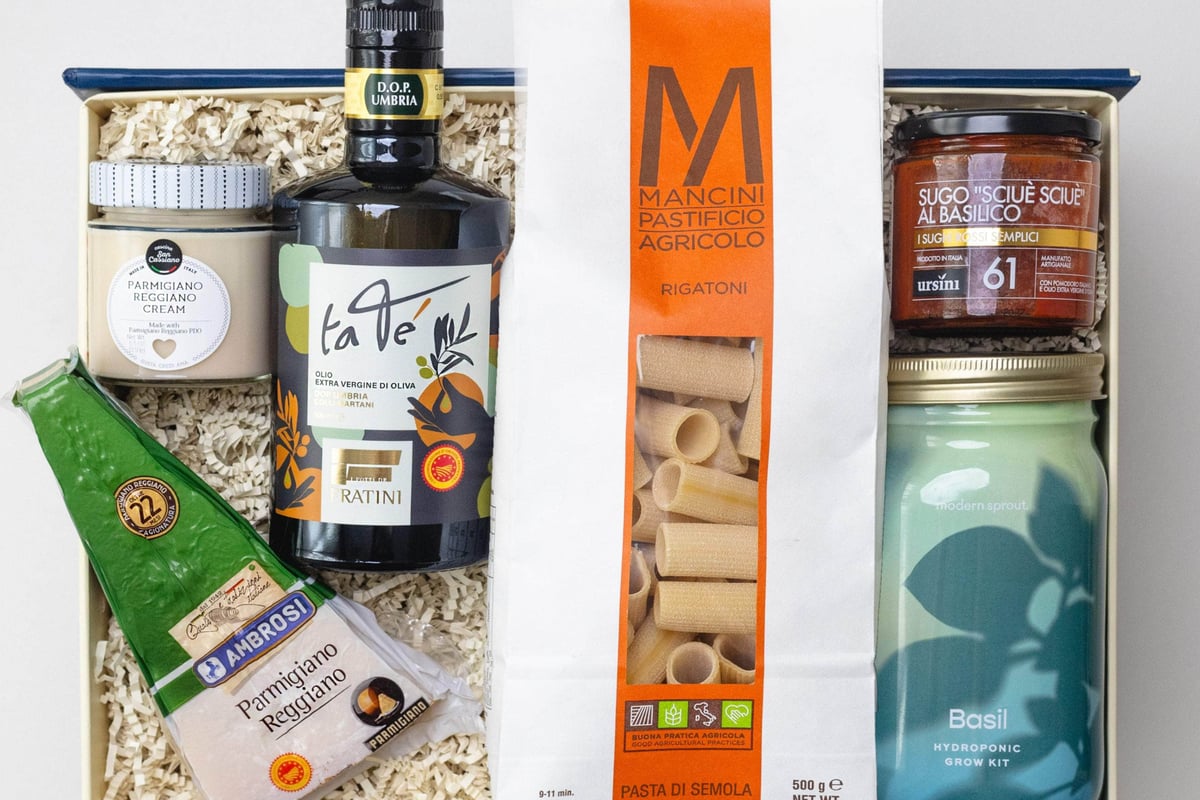
The Pasta Master gift box exemplifies this approach, bringing together imported pasta, D.O.P. extra virgin olive oil, aged Parmigiano Reggiano, and traditional tomato basil sauce. It creates a complete pasta experience while celebrating the artisanal excellence that defines Italian culinary culture.
Storage and Make-Ahead Strategies
Fresh egg pasta rewards advance preparation. Once shaped, the pasta can be stored several ways depending on your timeline and needs. Understanding these options allows you to enjoy homemade pasta's benefits without last-minute stress.
For same-day use, dust the cut pasta generously with flour or semolina and arrange it in loose nests on a parchment-lined tray. Cover with a clean kitchen towel and store at room temperature for up to four hours. The pasta will dry slightly, which actually improves texture during cooking.
| Storage Method |
Duration |
Best Practices |
| Room Temperature |
4 hours |
Dust well, cover with towel |
| Refrigerated |
2 days |
Airtight container, flour-dusted |
| Frozen |
3 months |
Flash freeze on tray, then bag |
| Dried Completely |
2 weeks |
Hang or nest, store airtight |
Freezing offers the most flexibility. Arrange the freshly cut pasta on a baking sheet in a single layer and freeze until solid, about thirty minutes. Transfer to freezer bags, removing as much air as possible. Cook frozen pasta directly from the freezer, adding just one extra minute to the cooking time. The texture remains remarkably close to freshly made.
Regional Traditions and Artisan Excellence
Across Italy's twenty regions, fresh egg pasta takes countless forms, each reflecting local ingredients, climate, and cultural history. In Piedmont, tajarin features an abundance of egg yolks, sometimes as many as thirty per kilo of flour, creating ribbons of extraordinary richness. Emilia-Romagna's sfogline, traditional pasta-making women, have elevated the craft to art form, producing translucent sheets for tortellini and lasagne.
The artisan approach to pasta-making prioritizes quality at every step. Small-scale producers often source flour from specific mills grinding heritage wheat varieties. They seek out eggs from particular farms where chickens forage on diverse terrain. This attention to sourcing creates pasta with distinctive flavor and superior nutritional value.
When exploring Italian artisanal products, the dedication these makers bring to their craft becomes evident. Many work with centuries-old recipes passed down through family lines, refusing to compromise tradition for efficiency. Their pasta reflects this commitment, offering eating experiences that commercial production cannot replicate.
Seasonal Variations and Special Occasions
Italian home cooks adapt fresh egg pasta recipes throughout the year, incorporating seasonal ingredients that reflect the rhythm of agricultural life. Spring might bring wild nettles or fresh herbs into the dough itself, while autumn inspires chestnut flour additions or pumpkin-filled ravioli.
Special occasions demand specific pasta shapes steeped in symbolism and tradition. Wedding feasts in certain regions feature precise tortellini counts, each one hand-folded with care. Christmas tables groan under the weight of multiple pasta courses, from delicate cappelletti in broth to robust lasagne layered with ragù and béchamel.
These traditions remind us that fresh egg pasta serves purposes beyond sustenance. It marks celebrations, honors guests, and connects families across generations. The time invested in making pasta by hand becomes an expression of love and respect for those gathered around the table.
Modern Tools and Traditional Values
Contemporary pasta makers benefit from tools that simplify without sacrificing quality. Manual pasta machines, though invented relatively recently, have been embraced by Italian home cooks for their reliability and consistent results. Electric mixers can handle the initial kneading, freeing hands for the more nuanced work of rolling and shaping.
Yet the fundamental principles remain unchanged. Fresh egg pasta still demands quality ingredients, proper technique, and respect for the process. Video tutorials demonstrating pasta making without machines prove that the essential skills remain accessible to anyone willing to invest time and attention.
The choice between hand and machine methods ultimately reflects personal preference rather than quality judgment. Both approaches can produce exceptional pasta when executed with care. Some cooks enjoy the meditative quality of hand rolling, while others appreciate the consistency machines provide. The pasta itself doesn't judge; it simply asks to be made with intention.
Essential tools for fresh egg pasta:
- Long wooden rolling pin or pasta machine
- Sharp knife or pasta wheel cutter
- Clean wooden work surface
- Bench scraper for gathering dough
- Kitchen scale for accurate measuring
- Drying rack or clean towels
Pairing Fresh Egg Pasta with Traditional Sauces
The delicate nature of fresh egg pasta calls for thoughtful sauce pairings that complement rather than overwhelm. While robust dried pasta from Southern Italy pairs beautifully with assertive tomato sauces and strong flavors, Northern Italy's egg-based pasta shines with butter, cream, and gentle preparations.
Classic Bolognese ragù, simmered for hours until the meat nearly dissolves into the tomato base, finds its perfect partner in fresh tagliatelle. The tender ribbons catch the sauce in their folds, creating ideal bite-sized morsels. Simple butter and sage sauce, finished with grated Parmigiano Reggiano, allows the pasta's inherent richness to shine through.
Cream-based sauces like carbonara or alfredo work beautifully with fresh fettuccine, though purists note that true carbonara traditionally uses dried pasta. The key is balance: the sauce should coat the pasta lovingly without pooling heavily at the bottom of the bowl. This is where reserved pasta water becomes crucial, helping achieve the perfect consistency.
For those building their understanding of how to create custom Italian gift boxes, including premium dried pasta alongside artisanal sauces creates complete cooking experiences. These curated selections allow recipients to explore traditional pairings while appreciating the quality that defines authentic Italian products.
Fresh egg pasta embodies everything beautiful about Italian cooking: simplicity elevated through attention, tradition honored through practice, and the generous spirit of sharing something made by hand. Whether you're kneading dough in your own kitchen or selecting artisanal products to share with loved ones, you're participating in a culinary legacy that spans centuries. Tasty Ribbon brings this same dedication to quality and authenticity through carefully curated Italian gourmet gifts, connecting you to the heart of Italy's artisanal traditions with every beautifully presented box.