There's something profoundly satisfying about twirling wide ribbons of fresh egg pappardelle pasta around your fork, watching them glisten with sauce as they catch the afternoon light streaming through a kitchen window. This magnificent pasta, with its generous width and silky texture, tells a story that stretches back centuries to the hillside kitchens of Tuscany, where resourceful home cooks transformed simple ingredients into culinary poetry. Today, egg pappardelle pasta remains one of Italy's most beloved pasta shapes, cherished not just for its ability to cradle rich sauces, but for the way it transforms an ordinary meal into a moment of genuine indulgence.
The Heritage of Egg Pappardelle Pasta from Tuscany
The word "pappardelle" derives from the Italian verb "pappare," which means to gobble up with evident pleasure. Anyone who has experienced the history of pappardelle pasta understands this etymology perfectly. These wide, flat ribbons originated in 14th-century Tuscany, where they were traditionally prepared for feast days and celebrations.
Unlike their thinner cousins, egg pappardelle pasta demands attention with its substantial presence on the plate. The traditional width ranges from three-quarters of an inch to a full inch, creating ribbons that possess both structural integrity and tender elegance. This width isn't merely aesthetic; it serves a practical purpose in the rustic cuisine of central Italy.
Why Tuscan Hunters Loved Pappardelle
In the forests and valleys of Tuscany, pappardelle became the traditional accompaniment to game sauces, particularly wild boar and hare ragù. The pasta's broad surface area creates the perfect vehicle for these intensely flavored, slow-cooked sauces. Each ribbon catches and holds the rich, meaty juices, delivering a complete flavor experience in every bite.
The connection between egg pappardelle pasta and hunting culture runs deep in Italian tradition. After a successful hunt, families would prepare elaborate Sunday meals featuring pappardelle dressed with the day's catch. This tradition continues today in traditional trattorias throughout Tuscany, where recipes have been passed down through generations.
Crafting Authentic Egg Pappardelle Pasta at Home
Making fresh egg pappardelle pasta requires patience, attention, and remarkably few ingredients. The foundation consists of high-quality flour, fresh eggs, and a pinch of salt. The ratio matters: traditional recipes call for approximately 3.5 ounces of flour per large egg, creating a dough that's both pliable and resilient.
The process begins with creating a well of flour on a clean work surface, cracking eggs into the center, and gradually incorporating the flour with gentle circular motions. This tactile experience connects modern cooks to centuries of Italian culinary tradition. Homemade egg pappardelle requires kneading the dough for approximately ten minutes until it becomes smooth and elastic.
Essential Steps for Perfect Dough:
- Combine 14 ounces of all-purpose flour with four large eggs
- Knead until the dough becomes silky and uniform
- Rest the dough wrapped in plastic for 30 minutes
- Roll the dough to approximately 1/16 inch thickness
- Cut ribbons between 3/4 and 1 inch wide
- Dust with semolina flour to prevent sticking
Rolling and Cutting Techniques
Traditional Italian cooks often roll pappardelle by hand using a wooden rolling pin called a "mattarello." This time-honored method allows for precise control over thickness and creates a slightly textured surface that helps sauce adhere better. Modern pasta machines offer consistency and convenience, though purists argue the hand-rolled version possesses superior texture.
Detailed guides for making pappardelle from scratch emphasize the importance of achieving uniform thickness throughout the sheet. Inconsistent thickness leads to uneven cooking, with some sections becoming mushy while others remain undercooked.
The Science Behind Egg-Enriched Pasta Dough
What distinguishes egg pappardelle pasta from its eggless counterparts? The answer lies in both chemistry and tradition. Eggs contribute proteins that strengthen the pasta's structure while adding richness and a distinctive golden hue. The lecithin in egg yolks acts as an emulsifier, creating a smoother, more cohesive dough.
| Component |
Function |
Impact on Pasta |
| Egg Whites |
Protein structure |
Firmness and bite |
| Egg Yolks |
Fat and lecithin |
Richness and color |
| Flour Gluten |
Network formation |
Elasticity and shape retention |
The combination of wheat gluten and egg protein creates a unique textural experience. When cooked properly, egg pappardelle pasta achieves the coveted "al dente" texture while maintaining a tender, almost luxurious mouthfeel that dried pasta cannot replicate.
Color and Flavor Variations
Some artisans create variations by incorporating different ingredients into the dough. Fresh herb pappardelle introduces finely minced basil, parsley, or sage directly into the pasta, creating subtle flavor layers that complement delicate sauces. Spinach pappardelle offers visual appeal with its deep green color, while saffron-infused versions deliver both golden intensity and earthy sophistication.
For those seeking to explore gourmet Italian pasta traditions, these variations demonstrate how simple adjustments to classic recipes can create entirely new culinary experiences.
Pairing Egg Pappardelle Pasta with the Perfect Sauce
The true genius of egg pappardelle pasta emerges when paired thoughtfully with complementary sauces. Its wide ribbons excel with hearty, substantial preparations that would overwhelm more delicate pasta shapes. The versatility of pappardelle allows it to shine in both traditional and contemporary preparations.
Classic Sauce Pairings:
- Wild boar ragù with juniper berries and red wine
- Hare sauce enriched with chicken liver and porcini mushrooms
- Beef short rib ragù with tomatoes and aromatic vegetables
- Mushroom medley with truffle oil and Parmigiano Reggiano
- Duck ragù with orange zest and fresh sage
Contemporary Interpretations
Modern chefs have expanded the traditional repertoire while respecting pappardelle's Tuscan roots. Lighter preparations featuring seasonal vegetables, seafood, or cream-based sauces showcase the pasta's adaptability. A rich yolk pappardelle with pork and sage ragu demonstrates how contemporary cooks honor tradition while introducing seasonal ingredients like Brussels sprouts.
The key principle remains constant: egg pappardelle pasta deserves sauces with character and substance. The wide ribbons create ample surface area for sauce adhesion, meaning every forkful delivers balanced flavor from both pasta and condiment.
Cooking Egg Pappardelle Pasta to Perfection
Fresh egg pappardelle pasta cooks remarkably quickly compared to dried varieties, typically requiring only two to four minutes in rapidly boiling, well-salted water. The salt concentration matters significantly; professional Italian cooks recommend water that "tastes like the sea," approximately one tablespoon of salt per quart of water.
Timing becomes crucial when working with fresh pasta. The ribbons should be added to vigorously boiling water and stirred gently to prevent sticking. Testing frequently during the final minute prevents overcooking, which transforms silky ribbons into mushy disappointment.
| Pasta Type |
Cooking Time |
Water Temperature |
Salt Ratio |
| Fresh Egg Pappardelle |
2-4 minutes |
Rolling boil |
1 tbsp per quart |
| Dried Pappardelle |
8-10 minutes |
Rolling boil |
1 tbsp per quart |
| Frozen Pappardelle |
4-6 minutes |
Rolling boil |
1 tbsp per quart |
The Finishing Touch
Proper finishing technique elevates egg pappardelle pasta from good to exceptional. Rather than draining completely, reserve at least one cup of pasta cooking water before transferring the ribbons to your sauce. This starchy water acts as a binding agent, helping sauce cling to the pasta while adjusting consistency.
The final toss should occur in a large pan over medium heat, allowing the pasta to absorb sauce flavors while the cooking water emulsifies everything into cohesive harmony. This technique, called "mantecatura" in Italian, creates restaurant-quality results at home.
Egg Pappardelle in Modern Italian Gifting
The appreciation for authentic Italian pasta has transformed how people think about giving and receiving gourmet gifts. Premium egg pappardelle pasta represents more than just an ingredient; it embodies Italian culinary tradition and the artisan dedication to quality that defines regional Italian food culture.
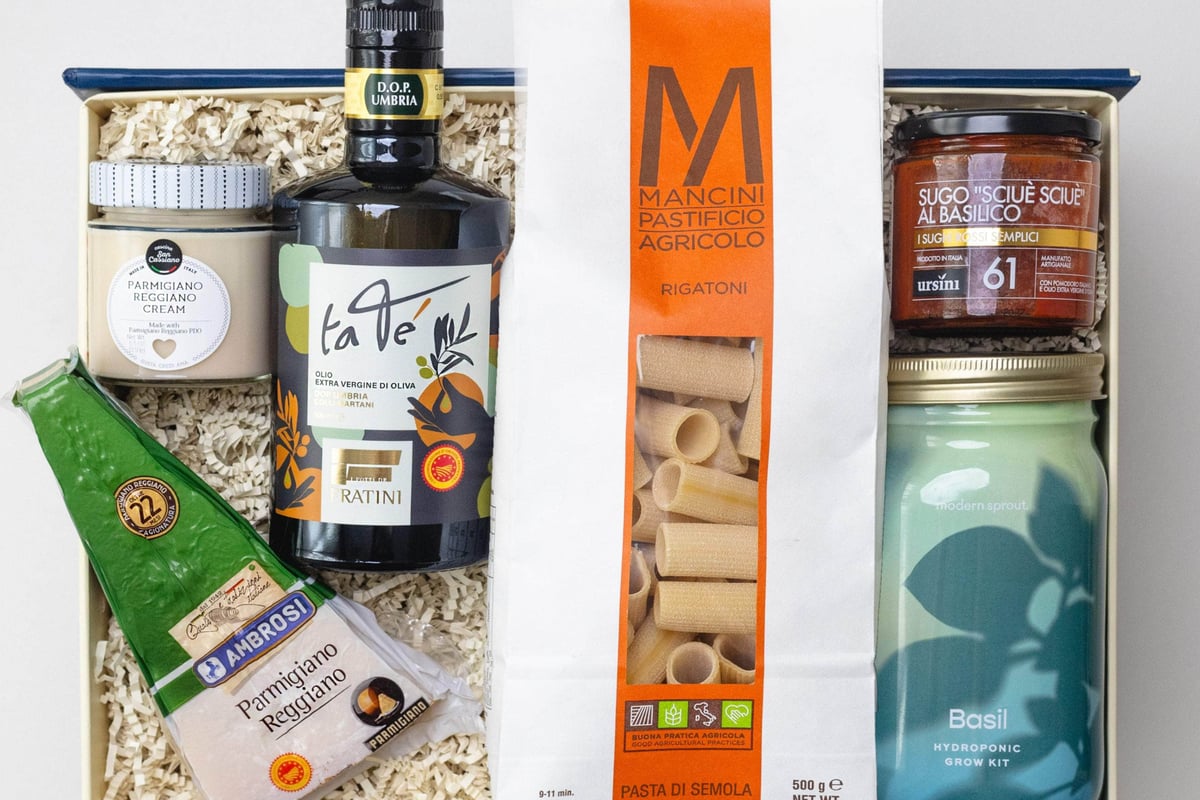
For those passionate about sharing exceptional Italian products, artisanal pasta makes a thoughtful component of curated gift collections. The Pasta Master collection exemplifies this approach, combining premium imported pasta with complementary ingredients that create a complete culinary experience.
Selecting Quality Egg Pappardelle
Discerning buyers look for specific indicators of quality when choosing egg pappardelle pasta. The color should be rich and golden, indicating generous egg content. The texture should feel slightly rough rather than perfectly smooth, suggesting bronze die extrusion rather than Teflon, which creates better sauce adhesion.
Quality Markers to Consider:
-
Origin: Products from traditional pasta-making regions
-
Ingredients: Simple list featuring flour and eggs
-
Drying Method: Slow, low-temperature drying preserves nutrients
-
Certification: DOP and IGP certifications guarantee authenticity
-
Packaging: Protective packaging that preserves freshness
Preserving and Storing Homemade Egg Pappardelle
Fresh egg pappardelle pasta possesses a relatively short shelf life compared to dried varieties, making proper storage essential. Immediately after cutting, the ribbons should be arranged in loose nests on a lightly floured surface, ensuring they don't touch and stick together.
For same-day use, fresh pappardelle can rest at room temperature for up to two hours. Refrigeration extends this window to approximately two days when stored in an airtight container with adequate flour dusting. The pasta will dry slightly in the refrigerator, which actually improves its structure for cooking.
Freezing Techniques
Freezing offers the best long-term preservation method for homemade egg pappardelle pasta. Arrange the nests on a parchment-lined baking sheet and freeze until solid, typically two hours. Once frozen, transfer to freezer bags, removing as much air as possible. Properly frozen pappardelle maintains quality for up to three months.
Frozen egg pappardelle pasta should never be thawed before cooking. Instead, add the frozen ribbons directly to boiling water, adding approximately one minute to the standard cooking time. This method preserves texture and prevents the pasta from becoming waterlogged.
Regional Variations Beyond Tuscany
While Tuscany claims pappardelle's origin, neighboring regions have developed their own interpretations. In Umbria, cooks prepare pappardelle with local black truffles, creating an earthy, luxurious dish that celebrates the region's prized fungi. The Marche region favors pappardelle with duck ragù, while Emilia-Romagna occasionally features pappardelle alongside their famous Bolognese sauce.
These regional variations demonstrate how egg pappardelle pasta adapts to local ingredients and culinary traditions while maintaining its essential character. Comprehensive recipe collections showcase this remarkable versatility, featuring preparations that range from rustic to refined.
Understanding these regional distinctions enriches appreciation for Italian culinary diversity. Each area's interpretation reflects local agriculture, historical influences, and the creative spirit of Italian home cooks who have shaped their region's food culture over centuries.
The Sensory Experience of Egg Pappardelle
Beyond technique and tradition, egg pappardelle pasta delivers a multisensory experience that distinguishes it from other pasta shapes. The visual impact of wide, golden ribbons arranged on a plate creates immediate appeal. The aroma of fresh pasta carries subtle notes of wheat and egg, promising the satisfaction to come.
Texture defines the pappardelle experience most distinctly. The ribbons possess a satisfying chewiness that engages without resistance, a quality Italians describe as having the perfect "bite." When properly prepared, each ribbon maintains structural integrity while remaining tender, creating a textural contrast that keeps each forkful interesting.
The flavor of quality egg pappardelle pasta should taste distinctly of wheat and eggs, providing a neutral but present foundation that complements rather than competes with sauce. This balance allows both pasta and condiment to shine equally, creating the harmony that defines excellent Italian cooking.
Celebrating with Egg Pappardelle Pasta
In Italy, certain dishes mark special occasions, and pappardelle frequently appears on celebratory menus. Sunday family lunches, holiday gatherings, and milestone celebrations often feature elaborate pappardelle preparations that require time and care to execute properly.
This association with celebration stems partly from the labor involved in traditional preparation. Making fresh egg pappardelle pasta by hand represents an investment of time and attention, making it a gift of effort as much as ingredients. When served to family and friends, this pasta communicates care and respect for those gathered around the table.
For those seeking to create memorable moments through authentic Italian food gifts, understanding these cultural connections adds deeper meaning to culinary presents. Sharing premium pasta products extends the Italian tradition of hospitality and generosity beyond geographical boundaries.
Egg pappardelle pasta represents the intersection of Italian tradition, artisanal craftsmanship, and culinary pleasure, offering a canvas for both classic preparations and creative innovation. Whether you're crafting fresh ribbons in your kitchen or seeking exceptional imported varieties, this magnificent pasta shape delivers satisfaction that transcends the ordinary. Tasty Ribbon connects you with authentic Italian artisanal products that honor these traditions, offering curated collections and customizable gift options that bring the heart of Italy's culinary heritage directly to your table.