The first time I watched a Roman nonna make carbonara, she finished the entire dish in the time it took her pasta water to boil. No cream, no complications, just eggs, cheese, guanciale, and pure technique handed down through generations. This is the magic of quick carbonara, a dish that proves Italian cooking isn't about complexity but about respect for ingredients and mastering a few essential skills. Whether you're preparing a weeknight dinner or looking to impress guests with minimal effort, this Roman classic delivers restaurant-quality results in under twenty minutes.
Understanding the Soul of Quick Carbonara
Quick carbonara isn't a shortcut version of a complicated dish. It's the authentic preparation, which happens to be remarkably fast when you understand the fundamentals. The original recipe from Rome requires just four ingredients beyond pasta: eggs, Pecorino Romano cheese, guanciale (cured pork jowl), and black pepper. The speed comes from the technique itself, which relies on pasta water's residual heat to create a silky sauce without any cooking beyond the initial guanciale rendering.
The beauty of this dish lies in its simplicity. Unlike cream-based pasta sauces that require careful reduction and constant stirring, carbonara's sauce forms through emulsification. When hot pasta meets the egg and cheese mixture, the gentle heat creates a coating that clings to every strand without scrambling. This process takes mere seconds once you've assembled your ingredients.
The Ingredients That Matter
Guanciale is the traditional choice, offering a sweet porkiness that pancetta or bacon cannot replicate. This cured pork jowl melts into submission when rendered slowly, creating crispy bits suspended in flavorful fat. If guanciale proves difficult to source, pancetta serves as an acceptable substitute, though the flavor profile shifts slightly toward a leaner, less complex taste.
Pecorino Romano brings the sharp, salty punch that defines carbonara's character. This sheep's milk cheese from the Lazio region grates into fine wisps that melt seamlessly into the sauce. Some cooks blend Pecorino with Parmigiano Reggiano for a milder flavor, but purists insist on 100% Pecorino for authenticity. The gold standard of Italian excellence ensures you're getting genuine denominazione di origine protetta quality.
The eggs require freshness above all else. Room-temperature whole eggs combine with additional yolks to create the proper richness. Most recipes call for one whole egg plus one or two yolks per person, though ratios vary according to personal preference and pasta quantity.
| Ingredient |
Traditional Choice |
Acceptable Substitute |
Notes |
| Pork |
Guanciale |
Pancetta |
Bacon works but alters flavor |
| Cheese |
Pecorino Romano |
50/50 Pecorino/Parmigiano |
DOP certified preferred |
| Pasta |
Spaghetti or Rigatoni |
Any long pasta |
Bronze-die extruded ideal |
| Eggs |
Fresh, room temperature |
- |
Quality matters significantly |
Mastering the Quick Carbonara Technique
The secret to flawless carbonara preparation lies in timing and temperature control. Start by bringing salted water to a rolling boil while you cut guanciale into small matchsticks or lardons. As the pasta cooks, render the guanciale in a large skillet over medium-low heat until the fat turns translucent and the meat develops golden, crispy edges. This process typically takes eight to ten minutes, perfectly coinciding with most pasta cooking times.
While the guanciale renders and pasta boils, whisk together eggs, egg yolks, grated Pecorino, and generous grindings of black pepper in a large bowl. This mixture should reach a thick, cohesive consistency similar to pancake batter. Room temperature ingredients combine more readily than cold ones, preventing the cheese from clumping.
The Critical Moment
When your pasta reaches al dente, reserve at least one cup of starchy pasta water before draining. This liquid gold contains the dissolved starches that help bind the sauce and adjust its consistency. Working quickly, transfer the hot pasta directly to the skillet with guanciale, tossing to coat every strand with rendered fat. Remove the pan from heat completely.
Now comes the moment that separates good carbonara from transcendent carbonara. Pour the egg mixture over the hot pasta and toss vigorously, using tongs or two wooden spoons in a lifting, folding motion. The residual heat from the pasta and pan gently cooks the eggs without scrambling them, creating a creamy coating. If the sauce appears too thick, add reserved pasta water one tablespoon at a time, tossing constantly until you achieve a glossy, flowing consistency that pools slightly at the bottom of the bowl.
For those seeking additional guidance, visual demonstrations can help you perfect the tossing technique and recognize the ideal sauce consistency.
Common Quick Carbonara Mistakes and Solutions
Scrambled eggs represent the most common carbonara catastrophe. This happens when the pan retains too much heat or when you add the egg mixture while still on the burner. Always remove the pan from heat before adding eggs, and work quickly but deliberately to distribute the sauce evenly.
Dry, clumpy sauce results from insufficient pasta water or not enough vigorous tossing. The emulsification process requires both mechanical action and the right liquid ratio. Start conservatively with pasta water additions, as you can always add more but cannot remove excess liquid.
Greasy texture indicates too much guanciale fat or insufficient cheese to balance the richness. While some cooks remove excess rendered fat, traditionalists keep it all, relying on generous cheese and proper emulsification to integrate the fat into a cohesive sauce.
- Reserve more pasta water than you think necessary
- Bring all ingredients to room temperature before starting
- Use the largest bowl you own for maximum tossing room
- Grate cheese fresh, never use pre-grated varieties
- Invest in quality black pepper and grind it fresh
Quick Carbonara Variations Worth Exploring
While purists maintain that true carbonara admits no variations, home cooks worldwide have created inspired interpretations that honor the spirit while introducing new dimensions. A lemon and courgette carbonara adds brightness and vegetables without compromising the essential technique.
Vegetable Additions
Peas, asparagus, and zucchini integrate beautifully into quick carbonara, adding color and nutrition while maintaining the dish's signature speed. Blanch vegetables separately and add them during the final toss to preserve their texture and vibrant appearance. The key lies in keeping additions minimal, ensuring they complement rather than overwhelm the eggs, cheese, and pork triumvirate.
Some cooks incorporate mushrooms sautéed in the guanciale fat, creating an earthy depth that pairs particularly well with the sharp Pecorino. Wild mushrooms like porcini elevate this variation into something truly special, especially during autumn months when fresh fungi flood Italian markets.
Pairing Quick Carbonara With Italian Excellence
The simplicity of carbonara demands equally straightforward accompaniments. A crisp green salad dressed with lemon and olive oil provides refreshing contrast to the rich pasta. Artisanal bread serves to capture every last drop of sauce from your bowl.
Wine selection should complement the dish's richness without overwhelming its delicate flavors. White wines from Lazio, carbonara's home region, make natural partners. A Frascati or Castelli Romani offers crisp minerality that cuts through the eggs and cheese while honoring regional traditions. Red wine enthusiasts might choose a light-bodied Sangiovese or Pinot Noir served slightly chilled.
For those seeking authentic Italian ingredients, sourcing high-quality pasta shapes becomes essential. Bronze-die extruded varieties feature rough surfaces that grip sauce more effectively than smooth, Teflon-die alternatives. Premium spaghetti made by traditional methods provides the foundation upon which great carbonara builds.
Teaching Quick Carbonara to Others
This dish serves as an excellent introduction to Italian cooking principles for beginners. The limited ingredient list reduces intimidation while the quick preparation maintains engagement and prevents boredom. Teaching carbonara reinforces lessons about mise en place, the importance of quality ingredients, and how proper technique transforms simple components into something greater than their parts.
Children particularly enjoy the hands-on nature of whisking eggs and tossing pasta. While the timing requires adult supervision, even young cooks can participate meaningfully in preparation. The immediate gratification of a fifteen-minute meal from start to finish builds confidence and enthusiasm for cooking.
Step-by-step teaching approach:
- Gather and prepare all ingredients before turning on heat
- Demonstrate proper guanciale rendering technique
- Explain the science of emulsification in simple terms
- Practice the tossing motion with cold pasta first
- Emphasize that mistakes become learning opportunities
Different learners benefit from different resources. Some prefer written recipes with precise measurements, while others learn better through video demonstrations that show technique in real time.
Quick Carbonara for Entertaining
Despite its humble origins as cucina povera (peasant food), carbonara impresses dinner guests with its luxurious texture and sophisticated flavor profile. The dish's speed allows you to prepare it fresh while guests enjoy aperitivi, emerging from the kitchen with a steaming bowl of pasta just as conversation reaches its peak.
For larger gatherings, carbonara presents challenges with scaling. The egg-to-pasta ratio becomes difficult to manage beyond six portions, and keeping everything properly heated grows increasingly complex. Consider preparing multiple smaller batches rather than one enormous portion, allowing you to maintain the crucial temperature control that prevents scrambled eggs.
Presentation Matters
Serve quick carbonara in warmed bowls to maintain optimal temperature. The pasta should arrive at the table still glistening with sauce, crowned with additional grated Pecorino and coarse black pepper. Some cooks add a whole egg yolk to the center of each portion for dramatic effect, allowing diners to break it and incorporate the richness themselves.
When creating food set gifts for pasta enthusiasts, consider including all the shelf-stable components necessary for carbonara success. Quality dried pasta, imported Pecorino Romano, and whole black peppercorns make thoughtful presents that introduce recipients to authentic Italian flavors.
The Cultural Significance of Quick Carbonara
Carbonara emerged from Rome in the mid-twentieth century, though its precise origins remain debated. Some historians credit charcoal workers (carbonari) who needed substantial, quickly prepared meals during long shifts. Others point to American servicemen stationed in Italy after World War II, suggesting the dish evolved from combining bacon rations with local ingredients.
Regardless of its genesis, carbonara has become inseparable from Roman identity. The city's trattorias serve it alongside other iconic pasta dishes like cacio e pepe and amatriciana, forming a holy trinity of simple, perfect preparations that showcase technique over complexity.
The dish's cultural importance extends beyond Rome. Carbonara represents Italian cooking philosophy at its finest: maximum flavor from minimum ingredients, respect for tradition balanced with personal interpretation, and the understanding that time spent cooking need not correlate with deliciousness. Quick carbonara proves that thirty minutes from pantry to plate can produce results rivaling restaurants where dishes require hours of preparation.
Those interested in Italian food traditions find carbonara an accessible entry point to broader culinary exploration. Mastering this single dish builds confidence and skills applicable across countless other preparations.
Sourcing Authentic Ingredients for Quick Carbonara
Finding genuine Italian products elevates carbonara from good to extraordinary. Supermarket substitutes often disappoint, with pre-grated cheese containing anti-caking agents that prevent proper melting and mass-produced pasta lacking the texture to hold sauce effectively.
Specialty Italian markets and online retailers provide access to authentic ingredients that honor the dish's heritage. DOP-certified Pecorino Romano guarantees traditional production methods and aging in the Lazio region. Artisan pasta makers using bronze dies and slow drying processes create shapes with rough surfaces that grip sauce magnificently.
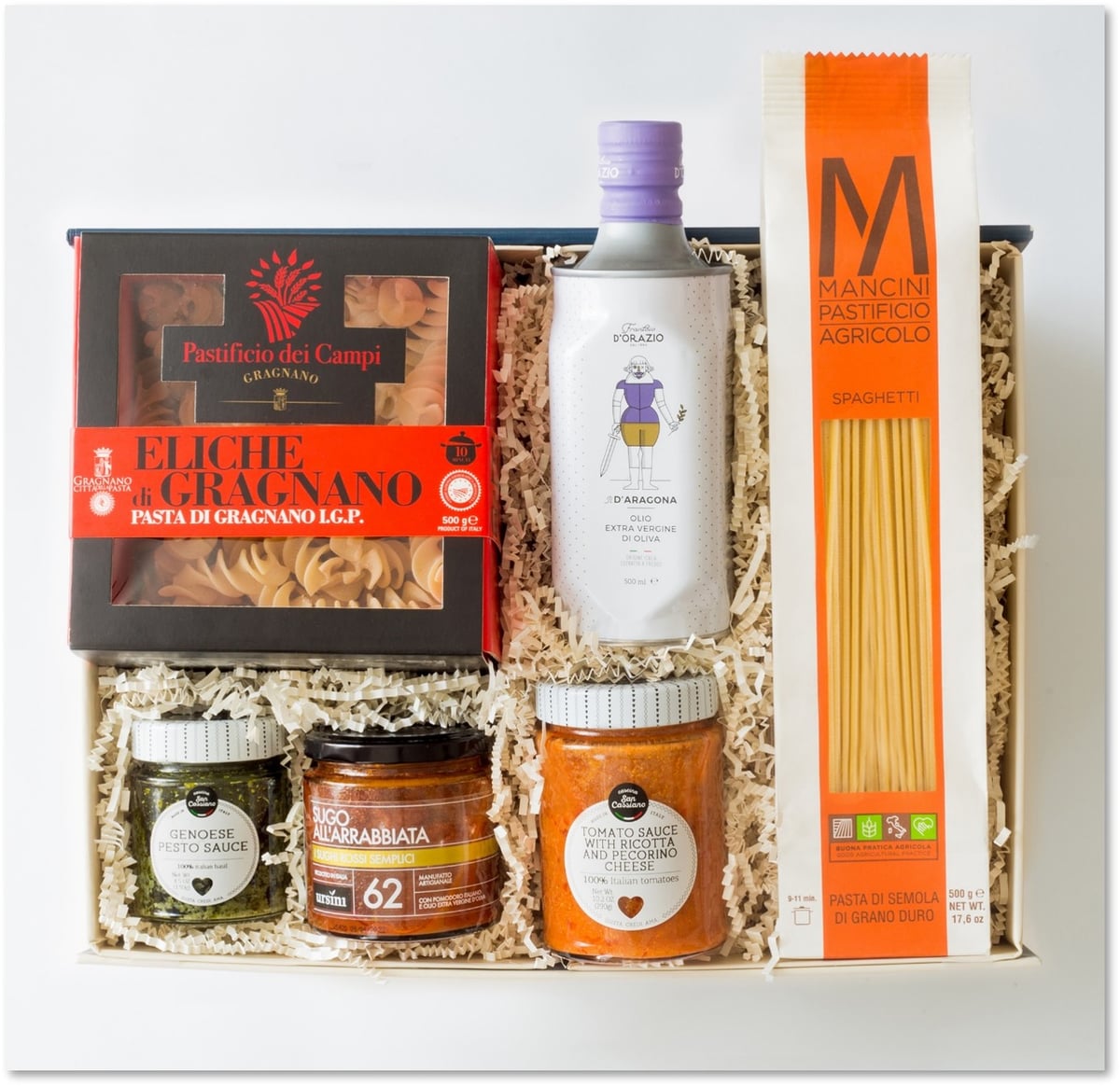
For those seeking to explore authentic Italian products, curated collections from specialists who understand quality and provenance make the search easier. Companies dedicated to connecting consumers with traditional Italian artisans ensure that every component meets exacting standards.
Guanciale requires patience to locate outside major metropolitan areas. Establish relationships with quality butchers who might special order it, or explore online sources specializing in Italian cured meats. The investment in authentic guanciale pays dividends in flavor that pancetta or bacon simply cannot replicate.
| Source Type |
Advantages |
Considerations |
| Local Italian Markets |
Personal service, immediate availability |
Limited selection, higher prices |
| Online Specialty Retailers |
Wide selection, authentic products |
Shipping costs, wait time |
| Farmers Markets |
Fresh eggs, artisan products |
Seasonal availability |
| Butcher Shops |
Custom cuts, special orders |
May require advance notice |
Adapting Quick Carbonara for Dietary Needs
While traditional carbonara contains eggs, cheese, and pork, creative cooks have developed variations accommodating different dietary requirements. Vegetarian versions substitute mushrooms or smoked tempeh for guanciale, providing umami depth and textural contrast without meat. The technique remains identical, proving that carbonara's magic lies in method as much as ingredients.
Vegan carbonara requires more significant adjustments, replacing eggs with silken tofu blended with nutritional yeast and plant-based cream. While the result differs substantially from the original, it captures the spirit of a creamy, quickly prepared pasta dish. Cashew cream combined with pasta water creates convincing richness when emulsified properly.
Gluten-free carbonara succeeds beautifully when prepared with quality gluten-free pasta. Rice-based varieties work particularly well, as do those made from corn and quinoa blends. The key lies in slightly undercooking gluten-free pasta, as it continues softening when tossed with hot sauce components.
For those managing dietary restrictions, thoughtfully curated gift collections can introduce alternatives while maintaining quality and authenticity. Exploring Italian artisanal products reveals surprising options that accommodate various needs without sacrificing flavor.
Quick Carbonara as a Gateway to Italian Cooking
Mastering carbonara opens doors to understanding broader Italian culinary principles. The technique of using pasta water to create sauce applies across countless preparations. The emphasis on ingredient quality over quantity informs every aspect of Italian cooking. The respect for regional traditions while allowing personal interpretation defines the entire cuisine.
Once comfortable with carbonara, cooks naturally progress to related dishes. Cacio e pepe requires similar emulsification skills with even fewer ingredients. Amatriciana introduces tomato sauce while maintaining the guanciale and Pecorino foundation. Each dish builds on previous knowledge, creating a comprehensive understanding of Roman pasta traditions.
The confidence gained from successfully executing quick carbonara extends beyond Italian cooking. Understanding how heat, fat, and protein interact to create emulsified sauces applies to hollandaise, mayonnaise, and countless other preparations. Recognizing the importance of timing and temperature control benefits every culinary endeavor.
Quick carbonara proves that exceptional cooking requires neither extensive time nor complicated techniques. It demands attention, quality ingredients, and willingness to practice until the movements become intuitive. This philosophy, fundamental to Italian cooking, transforms everyday meals into celebrations of flavor, tradition, and the joy of gathering around good food.
Quick carbonara embodies everything beautiful about Italian cooking: simplicity, quality ingredients, and techniques passed down through generations, all coming together in under twenty minutes. Whether you're preparing a weeknight dinner or seeking to impress guests with minimal effort, this Roman classic delivers every time. Tasty Ribbon brings authentic Italian artisanal products directly to your kitchen, offering carefully curated selections of premium pasta, cheeses, and specialty items that honor traditional craftsmanship while celebrating modern gifting. Explore their collection to discover the ingredients that transform simple recipes into extraordinary experiences.