There's something utterly captivating about watching a nest of wide fettuccine noodles unfurl in boiling water, each ribbon catching the light as it softens into silky perfection. This isn't just pasta; it's a testament to centuries of Italian culinary wisdom, where the width of a noodle determines not only texture but the entire dining experience. As one of Italy's most beloved pasta shapes, fettuccine represents the kind of simple sophistication that defines Italian cuisine. Whether you're preparing a weeknight dinner or assembling a thoughtful gift for a pasta enthusiast, understanding what makes these wide ribbons special transforms an ordinary meal into something memorable.
Understanding Wide Fettuccine Noodles and Their Italian Heritage
Wide fettuccine noodles originated in the Lazio region of central Italy, where Roman cooks developed this broader version of traditional ribbon pasta. The name literally translates to "little ribbons," though at approximately 6 to 8 millimeters wide, they're substantially broader than many other pasta varieties.
The authentic preparation of wide fettuccine noodles begins with a simple dough of flour and eggs, rolled thin and cut into precise ribbons. In traditional Italian households, nonne (grandmothers) still hand-roll fettuccine on wooden boards, creating variations in thickness that add character to each strand. This artisanal approach connects modern cooking to centuries-old traditions.
Regional Variations Across Italy
Roman-style fettuccine differs slightly from Tuscan variations, with each region claiming its own perfect width and thickness ratio. In Rome, fettuccine al burro represents the pinnacle of minimalist cooking, where quality butter and aged Parmigiano Reggiano transform simple noodles into luxury.
Northern Italian versions sometimes incorporate different flour blends, creating distinct textures that hold sauces differently. Italian pasta traditions vary dramatically from province to province, with each area developing techniques suited to local ingredients and preferences.
-
Roman Style: Slightly thicker, paired with rich butter-based sauces
-
Tuscan Variation: Often made with local grain varieties
-
Modern Artisan: Handcrafted using bronze dies for rougher texture
-
Commercial Production: Standardized width for consistent cooking
The Science Behind Perfect Wide Fettuccine Noodles
The width of fettuccine isn't arbitrary; it's engineered for optimal sauce adherence and textural pleasure. When comparing wide fettuccine noodles to thinner varieties like linguine, the increased surface area creates more opportunities for sauce to cling to each strand.
Fresh versus dried fettuccine presents different culinary opportunities. Fresh wide fettuccine noodles cook in mere minutes, maintaining a tender bite that absorbs flavors quickly. Dried versions require longer cooking but offer convenience and extended shelf life, making them ideal for thoughtfully curated Italian food gifts.
| Characteristic |
Fresh Fettuccine |
Dried Fettuccine |
| Cooking Time |
2-4 minutes |
8-12 minutes |
| Texture |
Silky, delicate |
Firm, toothsome |
| Sauce Pairing |
Lighter cream or butter |
Robust tomato or meat |
| Storage |
2-3 days refrigerated |
Months in pantry |
The pasta-to-sauce ratio matters profoundly with wide noodles. Italian cooks maintain that sauce should coat pasta, not drown it. This principle becomes especially important with wide fettuccine noodles, where too much sauce pools between ribbons rather than enhancing them.
Egg Content and Quality Differences
Premium wide fettuccine noodles contain a higher proportion of egg yolks, creating richer flavor and golden color. Artisanal pasta makers source eggs from specific farms, ensuring consistent quality that impacts both taste and texture. This attention to ingredient sourcing separates exceptional pasta from ordinary versions.
Cooking Techniques for Wide Fettuccine Noodles Perfection
Achieving al dente perfection with wide fettuccine noodles requires understanding water chemistry and timing. Italian cooks insist on salting pasta water until it tastes like the Mediterranean Sea, approximately one tablespoon per four quarts of water.
The water-to-pasta ratio significantly affects cooking outcomes. Use at least four quarts of water per pound of wide fettuccine noodles, allowing ribbons to move freely without sticking together. Crowded pasta cooks unevenly and develops gummy surfaces.
Essential Cooking Steps:
- Bring generously salted water to a rolling boil
- Add wide fettuccine noodles gradually, stirring immediately
- Maintain vigorous boil throughout cooking process
- Test for doneness 90 seconds before package timing
- Reserve one cup of starchy pasta water before draining
- Never rinse pasta unless using in cold preparations
The pasta water you reserve contains dissolved starches that transform ordinary sauces into glossy, emulsified perfection. When tossing wide fettuccine noodles with sauce, add pasta water tablespoon by tablespoon until achieving desired consistency.
Sauce Pairings That Elevate Wide Fettuccine Noodles
Classic fettuccine Alfredo demonstrates how simplicity showcases quality ingredients. Authentic Alfredo contains only butter, Parmigiano Reggiano, and pasta water, with the sauce emulsifying through motion rather than cream addition. This preparation lets the wide ribbons shine while delivering indulgent richness.
Ragù-based preparations offer different pleasures with wide fettuccine noodles. The broad surface area captures meat sauces effectively, creating satisfying bites where pasta and sauce integrate completely. Bolognese, while traditionally paired with tagliatelle, works beautifully with fettuccine's similar proportions.
Seasonal Sauce Combinations
Spring vegetables transform wide fettuccine noodles into celebrations of freshness. Asparagus, peas, and mint create bright flavors that balance the pasta's richness. Summer tomato preparations highlight peak-season produce, while autumn mushroom sauces add earthy depth.
Winter calls for more substantial pairings. Creamy walnut sauces or rich truffle butter elevate wide fettuccine noodles into special-occasion dining. These seasonal rotations keep pasta dishes exciting throughout the year.
-
Spring: Lemon cream with fresh herbs and peas
-
Summer: Raw tomato with basil and aged ricotta
-
Autumn: Wild mushroom with thyme and truffle oil
-
Winter: Gorgonzola cream with toasted walnuts
Wide Fettuccine Noodles in Modern Gastronomy
Contemporary chefs reimagine wide fettuccine noodles while respecting traditional foundations. Innovative preparations include squid ink fettuccine with seafood, saffron-infused ribbons with shellfish, and whole wheat versions paired with Mediterranean vegetables.
For those exploring gourmet Italian pasta as gifts, premium dried fettuccine represents both luxury and practicality. Artisanal producers using bronze dies create rougher surfaces that grab sauces more effectively than Teflon-extruded alternatives. This textural difference elevates simple preparations into restaurant-quality experiences.
The growing appreciation for authentic Italian ingredients has sparked interest in regional pasta varieties. Understanding DOP certifications helps identify pasta made according to traditional methods, ensuring quality that honors centuries of expertise.
Incorporating Wide Noodles in Gift Presentations
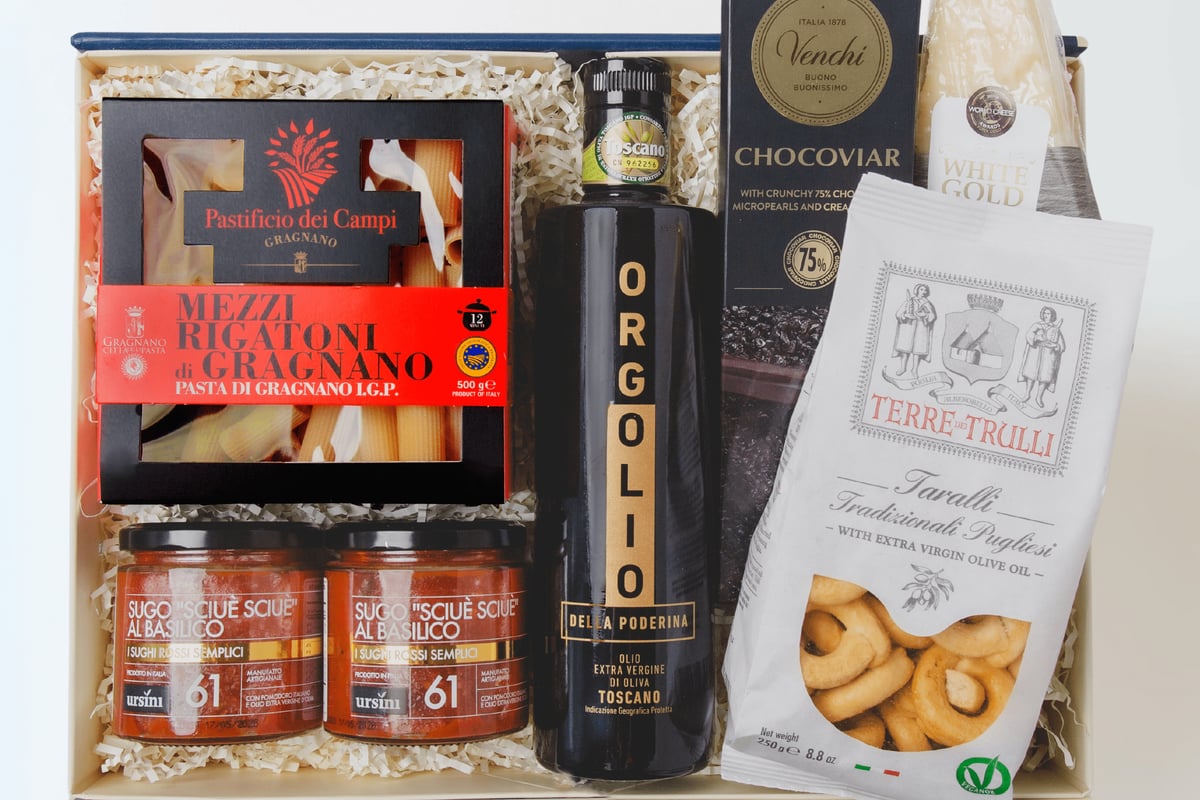
Beautifully packaged wide fettuccine noodles make thoughtful components in curated Italian gift boxes. When paired with premium sauces, quality olive oil, and aged cheese, they create complete culinary experiences that recipients genuinely appreciate. The visual appeal of nested pasta ribbons adds elegance to gift presentations.
Creating custom pasta gift sets allows personal touches that show genuine consideration. Including recipe cards with suggested preparations transforms ingredients into experiences, especially valuable for recipients less familiar with Italian cooking techniques.
Nutritional Considerations and Variations of Wide Fettuccine Noodles
Traditional egg-based wide fettuccine noodles provide protein, B vitamins, and sustained energy from complex carbohydrates. A typical serving contains approximately 200 calories, with variations depending on egg content and flour type.
Wide egg noodles often contain similar proportions to fettuccine, though texture and cooking properties may differ slightly. Understanding these distinctions helps in selecting appropriate pasta for specific recipes.
Nutritional Profile Comparison:
| Pasta Type |
Calories (2oz dry) |
Protein |
Fiber |
| Traditional Fettuccine |
200 |
8g |
2g |
| Whole Wheat Fettuccine |
190 |
9g |
6g |
| Gluten-Free Alternative |
210 |
4g |
3g |
Alternative flour varieties expand accessibility for different dietary needs. Brown rice, chickpea, and lentil-based wide fettuccine noodles accommodate gluten sensitivities while maintaining the characteristic ribbon shape. Quality matters tremendously in alternative pastas, as inferior versions often turn mushy or fall apart during cooking.
Portion Control and Serving Guidelines
Italian tradition suggests approximately 80-100 grams of dried pasta per person as a first course, or 100-125 grams as a main dish. This moderate approach allows appreciation of quality without overindulgence, aligning with the Italian philosophy of balance and enjoyment.
Storage and Preservation of Wide Fettuccine Noodles
Dried wide fettuccine noodles stored in airtight containers maintain quality for years when kept in cool, dark pantries. The low moisture content prevents spoilage, making dried pasta an excellent staple for spontaneous meals or emergency provisions.
Fresh fettuccine requires refrigeration and consumption within days, though freezing extends viability. Dust fresh nests lightly with semolina flour before freezing to prevent sticking, arranging them in single layers until solid before transferring to freezer bags.
Optimal Storage Methods:
- Store dried pasta in original packaging or glass containers
- Keep away from heat sources and direct sunlight
- Check for packaging integrity to prevent pest infiltration
- Rotate stock, using oldest packages first
- Label homemade fresh pasta with preparation dates
The gift-giving potential of premium dried pasta relates directly to its shelf stability. Unlike perishable gourmet items, quality dried wide fettuccine noodles travel well and maintain excellence, making them ideal components in shipped gift collections.
Choosing Quality Wide Fettuccine Noodles for Your Kitchen
Evaluating pasta quality starts with examining color and texture. Premium wide fettuccine noodles exhibit even golden coloring without white spots or speckling. The surface should feel slightly rough rather than glassy smooth, indicating traditional production methods.
Reading ingredient lists reveals production values. The best dried fettuccine contains only durum wheat semolina and eggs, without additives or preservatives. Fresh versions may include tipo 00 flour for softer texture, particularly in northern Italian styles.
Brand reputation matters in pasta selection. Artisanal producers maintaining traditional methods charge premium prices justified by superior taste and texture. These pasta makers often use slower drying processes that preserve nutritional content and enhance digestibility.
Identifying Bronze-Die Production
Bronze-die extruded pasta displays visible texture differences compared to Teflon-extruded alternatives. The rough surface created by bronze dies allows sauces to adhere more effectively, transforming sauce-to-pasta integration. While subtle, this production detail significantly impacts final dish quality.
Exploring curated Italian products from artisanal makers introduces pasta varieties that showcase regional differences and traditional techniques. These discoveries often become staples in well-stocked pantries, elevating everyday cooking through superior ingredients.
Cultural Significance of Wide Fettuccine Noodles in Italian Cuisine
Wide fettuccine noodles represent more than sustenance in Italian culture; they embody convivialità, the joy of gathering around tables to share food and conversation. Sunday lunches featuring fresh fettuccine create memories that span generations, linking family members through shared culinary traditions.
The act of making fresh pasta together strengthens community bonds. Grandmothers teaching grandchildren to roll and cut fettuccine transfer not just technique but cultural identity. These moments preserve traditions while creating new memories.
Restaurant culture in Italy treats wide fettuccine noodles with reverence deserved by any traditional preparation. Roman trattorias specializing in fettuccine al burro maintain standards established decades ago, serving dishes that haven't changed because perfection needs no revision.
Celebrations and Special Occasions
Certain Italian celebrations specifically feature wide fettuccine noodles in traditional menus. Wedding feasts, holiday gatherings, and milestone celebrations often include fettuccine preparations, marking these occasions with familiar flavors that comfort and delight.
The gifting of quality pasta represents sharing la dolce vita, inviting recipients to experience Italian culinary philosophy in their own kitchens. Thoughtfully selected food set gifts containing premium pasta communicate appreciation through carefully chosen components.
Wine Pairing Principles for Wide Fettuccine Noodles Dishes
Matching wines to fettuccine preparations follows the sauce rather than the pasta itself. Cream-based dishes pair beautifully with fuller-bodied white wines like Soave Classico or Verdicchio, whose acidity cuts through richness while complementing delicate flavors.
Tomato-based sauces call for medium-bodied reds with bright acidity. Chianti Classico, Sangiovese, or Valpolicella provide fruit-forward characteristics that enhance tomato's natural sweetness without overwhelming other ingredients.
Wine Pairing Guide:
| Sauce Type |
Recommended Wine |
Regional Origin |
| Butter & Cheese |
Pinot Grigio |
Friuli-Venezia Giulia |
| Cream-Based |
Verdicchio |
Marche |
| Tomato Sauce |
Chianti Classico |
Tuscany |
| Meat Ragù |
Barbera d'Alba |
Piedmont |
| Seafood |
Vermentino |
Sardinia |
The temperature of wine service affects pairing success. Whites served too cold lose aromatic complexity, while reds served too warm taste alcoholic and unbalanced. Aim for 45-50°F for whites and 60-65°F for reds to maximize enjoyment.
Equipment Essentials for Wide Fettuccine Noodles Preparation
Creating homemade wide fettuccine noodles requires minimal specialized equipment. A rolling pin or pasta machine, sharp knife or pasta cutter, and clean work surface suffice for basic production. Traditional wooden boards absorb excess moisture, creating ideal rolling conditions.
Pasta machines standardize thickness while reducing physical effort. Manual crank models offer reliability and control, while electric versions provide convenience for frequent pasta making. Either option produces consistent results superior to hand-rolling for beginners.
Basic Pasta-Making Tools:
- Pasta machine or long rolling pin
- Sharp chef's knife or pasta wheel
- Wooden drying rack or clean towels
- Bench scraper for dough handling
- Digital scale for accurate measurements
Cooking wide fettuccine noodles benefits from proper equipment selection. Large pots with heavy bottoms maintain consistent temperatures, while pasta inserts simplify draining without losing precious pasta water. Long-handled wooden spoons or pasta forks prevent noodles from clumping during cooking.
Understanding wide fettuccine noodles opens doors to authentic Italian cooking that celebrates quality ingredients and time-honored techniques. These versatile ribbons adapt to countless preparations while maintaining their essential character, making them pantry staples worthy of investment. Whether you're crafting homemade versions or selecting premium dried pasta, Tasty Ribbon curates exceptional Italian artisanal products that bring authentic flavors into your kitchen, helping you create memorable meals or thoughtful gifts that celebrate Italy's rich culinary heritage.