There's something almost magical about watching ribbons of fresh egg fettuccine pasta tumble from a grandmother's hands in a sun-drenched Roman kitchen. The dough, golden from farm-fresh eggs and silky from expert kneading, transforms into slender strips that will soon cradle butter, cheese, and perhaps the finest sauces Italy has to offer. This beloved pasta shape represents more than sustenance; it embodies centuries of Italian culinary tradition, regional pride, and the intimate connection between simple ingredients and extraordinary flavor. Whether you're savoring it in a rustic trattoria or preparing it in your own home, egg fettuccine pasta carries with it the warmth of Italian tables and the generous spirit of sharing meals with those we love.
The Heritage Behind Egg Fettuccine Pasta
The story of fettuccine begins in Rome, where this particular pasta shape has been cherished for generations. The name itself translates to "little ribbons," a description that perfectly captures the pasta's elegant, flat appearance. Traditional egg fettuccine pasta measures approximately a quarter-inch wide, though variations exist across different regions and family recipes.
What distinguishes this pasta from its egg-free counterparts is the richness that whole eggs bring to the dough. According to culinary experts, authentic egg fettuccine contains a higher proportion of eggs, creating a tender texture and golden hue that simply cannot be replicated with water-based dough. This composition makes the pasta particularly well-suited to rich, creamy sauces that cling beautifully to each strand.
Regional Variations and Artisanal Methods
While Rome claims fettuccine as its own, the truth is that ribbon-shaped egg pasta appears throughout Italy under different names and with subtle variations. In Bologna, similar pasta is known as tagliatelle, typically cut slightly thinner. Each region maintains its own traditions regarding thickness, egg ratio, and preferred sauce pairings.
Artisanal pasta makers take extraordinary pride in their craft. The process begins with selecting the finest durum wheat semolina and the freshest eggs available. Many producers still follow time-honored techniques:
- Hand-rolling dough to achieve consistent thickness
- Allowing proper resting periods for gluten development
- Cutting ribbons with precision to ensure even cooking
- Drying pasta slowly to preserve texture and flavor
The dedication to traditional production methods ensures that each batch maintains the quality standards established by generations of Italian pasta makers.
Crafting Perfect Egg Fettuccine Pasta at Home
Creating homemade egg fettuccine pasta connects you directly to Italian culinary heritage. The basic ratio remains wonderfully simple: approximately one large egg per 100 grams of flour. This creates a dough that's supple, elastic, and forgiving for home cooks.
The technique matters as much as the ingredients. Start by creating a well with your flour on a clean work surface. Crack the eggs into the center and begin incorporating the flour gradually, working from the inside out. This method, passed down through countless Italian kitchens, prevents the eggs from escaping and creates a smooth, homogeneous dough.
| Step |
Time Required |
Key Indicator |
| Kneading |
10 minutes |
Smooth, elastic texture |
| Resting |
30 minutes |
Dough no longer springs back |
| Rolling |
15 minutes |
Thin enough to see your hand through |
| Cutting |
10 minutes |
Even ribbons, quarter-inch width |
| Cooking |
2-3 minutes |
Al dente texture |
Tools and Techniques for Success
While a pasta machine makes the rolling process easier, traditional Italian cooks have been creating perfect fettuccine with nothing more than a rolling pin and a sharp knife for centuries. The key lies in patience and practice.
For hand-rolling:
- Use a long, thin rolling pin (traditionally a mattarello)
- Roll from the center outward in all directions
- Maintain consistent pressure for even thickness
- Lightly flour the surface to prevent sticking
For machine rolling:
- Start with the widest setting and gradually decrease
- Fold and re-roll at wider settings for strength
- Achieve paper-thin consistency before cutting
- Use the fettuccine attachment for proper width
Once cut, the pasta can be formed into loose nests, as many artisanal producers do, which makes storage simpler and presentation more elegant.
The Art of Sauce Pairing
Egg fettuccine pasta's slightly rough surface and ribbon shape make it ideal for particular sauce styles. The pasta's width and texture allow it to support heavier, cream-based preparations without becoming overwhelmed.
The most famous pairing, Fettuccine Alfredo, was created in Rome in the early 20th century by restaurateur Alfredo di Lelio. His original recipe contained just three ingredients: fresh fettuccine, butter, and Parmigiano Reggiano. The simplicity allowed each component's quality to shine through, a philosophy that remains central to Italian cooking today.
Classic Sauce Combinations
Rich and Creamy:
- Alfredo with aged Parmigiano Reggiano
- Carbonara with guanciale and pecorino
- Mushroom cream with porcini
- Truffle butter sauce
Tomato-Based:
- Amatriciana with guanciale
- Bolognese ragu
- Fresh tomato and basil
- Vodka cream sauce
Seafood Preparations:
- Shrimp scampi
- Clam sauce (white or red)
- Lobster in cream
- Mixed seafood marinara
The versatility of egg fettuccine pasta extends beyond traditional Italian preparations. Modern chefs have embraced this pasta shape for fusion dishes, though purists argue that the classic combinations remain unsurpassed for good reason.
Cooking Techniques for Optimal Results
Fresh egg fettuccine pasta requires significantly less cooking time than dried varieties. Professional chefs recommend bringing water to a vigorous boil, salting generously, and cooking fresh pasta for just two to three minutes. The pasta should emerge tender but still firm to the bite, that perfect al dente texture Italians cherish.
One critical technique often overlooked involves reserving pasta cooking water. This starchy liquid becomes the secret ingredient that helps sauces adhere properly to the noodles. Add a ladleful to your sauce just before combining with the pasta, creating a silky emulsion that coats every ribbon.
Key cooking tips:
- Use abundant water (at least four quarts per pound)
- Salt the water until it tastes like the sea
- Never add oil to the cooking water
- Reserve one cup of pasta water before draining
- Finish cooking the pasta in the sauce for one minute
This final step, known as "mantecatura," allows the pasta to absorb the sauce's flavors while creating a cohesive dish rather than pasta topped with sauce.
Selecting Quality Store-Bought Options
Not everyone has time to craft homemade pasta, and fortunately, exceptional artisanal egg fettuccine pasta exists for those who appreciate quality without the labor. When selecting packaged pasta, several indicators point to superior products.
Look for pasta produced in traditional Italian regions, particularly Emilia-Romagna, where generations of expertise inform every batch. The ingredient list should be refreshingly brief: durum wheat semolina, eggs, and perhaps a touch of salt. Nothing more is needed.
Bronze-die extrusion creates a rougher surface texture that holds sauce better than pasta made with Teflon dies. While bronze-die pasta may appear less polished, this rustic quality actually improves the final dish. Many premium producers proudly advertise this traditional method on their packaging.
For those seeking to create memorable meals with authentic Italian ingredients, exploring gourmet Italian pasta options reveals the remarkable difference that artisanal production methods and quality ingredients make. The golden color and delicate egg flavor of premium egg fettuccine pasta elevates even simple preparations into something special.
Storing and Preserving Freshness
Fresh egg fettuccine pasta has a shorter shelf life than dried varieties, but proper storage extends its usability considerably. Homemade pasta can be refrigerated for up to two days when loosely covered, or frozen for up to three months when arranged in single-layer portions.
Refrigeration method:
- Form pasta into loose nests
- Place on a lightly floured tray
- Cover loosely with a clean kitchen towel
- Use within 48 hours for best quality
Freezing technique:
- Arrange pasta nests on a parchment-lined baking sheet
- Freeze until solid (about two hours)
- Transfer to airtight containers or freezer bags
- Cook directly from frozen, adding one minute to cooking time
Store-bought dried egg fettuccine pasta keeps for months when stored in a cool, dry place away from direct sunlight. Once opened, transfer to an airtight container to maintain optimal texture and prevent the absorption of other pantry odors.
The Cultural Significance of Pasta Making
In Italian families, the act of making pasta transcends mere meal preparation. It represents connection to heritage, a meditative practice that brings generations together around a common table. Grandmothers teach granddaughters the proper feel of well-kneaded dough, passing along not just recipes but family stories and cultural identity.
This tradition of shared cooking and eating reflects core Italian values: generosity, quality over quantity, and the belief that food nourishes both body and soul. When you prepare egg fettuccine pasta, you participate in this rich cultural tapestry, even if your own heritage lies elsewhere.
Modern Adaptations and Innovations
Contemporary Italian chefs honor tradition while embracing creativity. Some experiment with adding ingredients like squid ink, spinach, or saffron to the dough, creating colorful variations that maintain the pasta's essential character. Others explore alternative flours, incorporating whole wheat or even legume-based options for different nutritional profiles.
These innovations don't replace traditional methods but rather expand the possibilities. The foundation remains constant: quality ingredients, careful technique, and respect for the craft. Even professional Italian food producers who create modern variations maintain allegiance to time-tested principles.
Nutritional Considerations and Dietary Adaptations
Egg fettuccine pasta offers nutritional benefits beyond its dried counterpart, primarily due to the protein and nutrients found in eggs. A typical serving provides complex carbohydrates for sustained energy, along with essential amino acids from the eggs.
| Nutrient |
Per 2 oz Serving |
Daily Value % |
| Calories |
220 |
11% |
| Protein |
8g |
16% |
| Carbohydrates |
40g |
13% |
| Fat |
3g |
4% |
| Iron |
2mg |
11% |
For those with dietary restrictions, several adaptations exist. While traditional egg pasta obviously contains eggs, some producers now create egg-free versions using alternative binders. However, these variations produce a different texture and flavor profile than authentic egg fettuccine pasta.
Gluten-free versions present more challenges, as wheat gluten provides the structure that allows proper rolling and cutting. Rice-based or chickpea-based alternatives can approximate the shape but rarely achieve the same tender yet resilient texture.
Gift-Giving with Artisanal Pasta
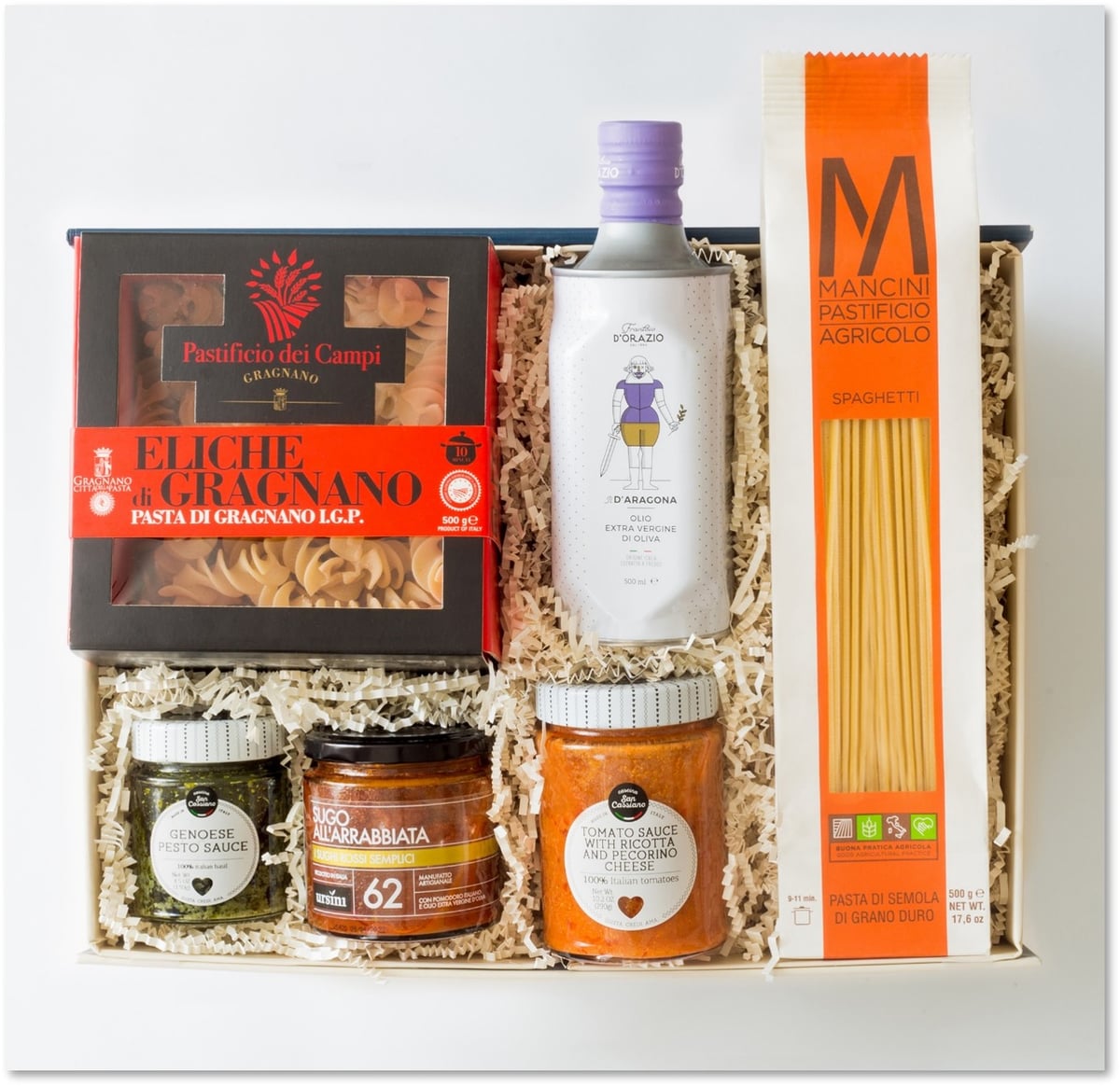
Premium egg fettuccine pasta makes an exceptional gift for food enthusiasts and home cooks. Paired with complementary ingredients, high-quality olive oil from Italian producers, aged cheese, or specialty sauces, these gifts communicate thoughtfulness and an appreciation for culinary excellence.
The presentation matters as much as the products themselves. Artfully arranged in a beautiful box, these ingredients become more than groceries; they transform into an invitation to create, to savor, to share. This philosophy of elevating everyday ingredients into meaningful gifts resonates particularly well with those who understand that food represents love, culture, and connection.
For those seeking to share Italian culinary traditions with loved ones, curated selections that include premium pasta and complementary ingredients offer a taste of Italy's generous spirit and commitment to quality.
Seasonal Celebrations and Traditional Dishes
Certain times of year call for specific pasta preparations in Italian tradition. During Christmas, many families prepare tagliatelle or fettuccine for their festive meals, often serving it in rich broth or with elaborate meat sauces that have simmered for hours.
Easter brings lighter preparations, with egg fettuccine pasta featured in dishes that celebrate spring's arrival. Lemon-based sauces, fresh peas, and delicate herbs complement the pasta's golden richness without overwhelming it.
Spring preparations:
- Fettuccine with asparagus and lemon
- Pea and prosciutto cream sauce
- Fresh herb butter with parsley and mint
- Spring vegetable primavera
Autumn and winter dishes:
- Wild mushroom ragu
- Short rib or oxtail sauce
- Truffle cream
- Butternut squash and sage
These seasonal variations demonstrate how egg fettuccine pasta adapts to available ingredients while maintaining its essential character. The pasta serves as a canvas for seasonal flavors, supporting rather than competing with accompanying ingredients.
Building Flavor Through Technique
The difference between good and extraordinary egg fettuccine pasta dishes often lies not in exotic ingredients but in technique. Italian cooks understand that simple preparations require precise execution. Each step contributes to the final result.
Start by properly seasoning your cooking water. This remains the only opportunity to season the pasta itself, as adding salt after cooking cannot penetrate the pasta's structure. The water should taste pleasantly salty, like seawater, ensuring properly seasoned noodles.
Temperature control matters immensely when combining pasta with sauce. The pan should be hot enough to create gentle sizzling when you add pasta water, but not so hot that the sauce breaks or becomes greasy. This sweet spot allows flavors to meld while maintaining proper texture.
Essential technique checklist:
- Taste pasta 30 seconds before package time suggests
- Reserve extra cooking water (you can always add more)
- Add pasta to sauce, never sauce to pasta
- Toss vigorously to emulsify
- Serve immediately on warmed plates
These seemingly small details accumulate into significantly better results. Professional chefs understand that technique transforms good ingredients into memorable meals.
Egg fettuccine pasta represents centuries of Italian culinary wisdom distilled into simple ribbons of flour and eggs, a testament to how quality ingredients and careful technique create extraordinary results. Whether you're exploring artisanal production methods, discovering perfect sauce pairings, or simply seeking to bring authentic Italian flavors into your home, this beloved pasta shape offers endless possibilities for delicious, meaningful meals. Tasty Ribbon celebrates these authentic Italian traditions through carefully curated selections of artisanal products, connecting you to Italy's generous culinary heritage with every beautifully presented gift.